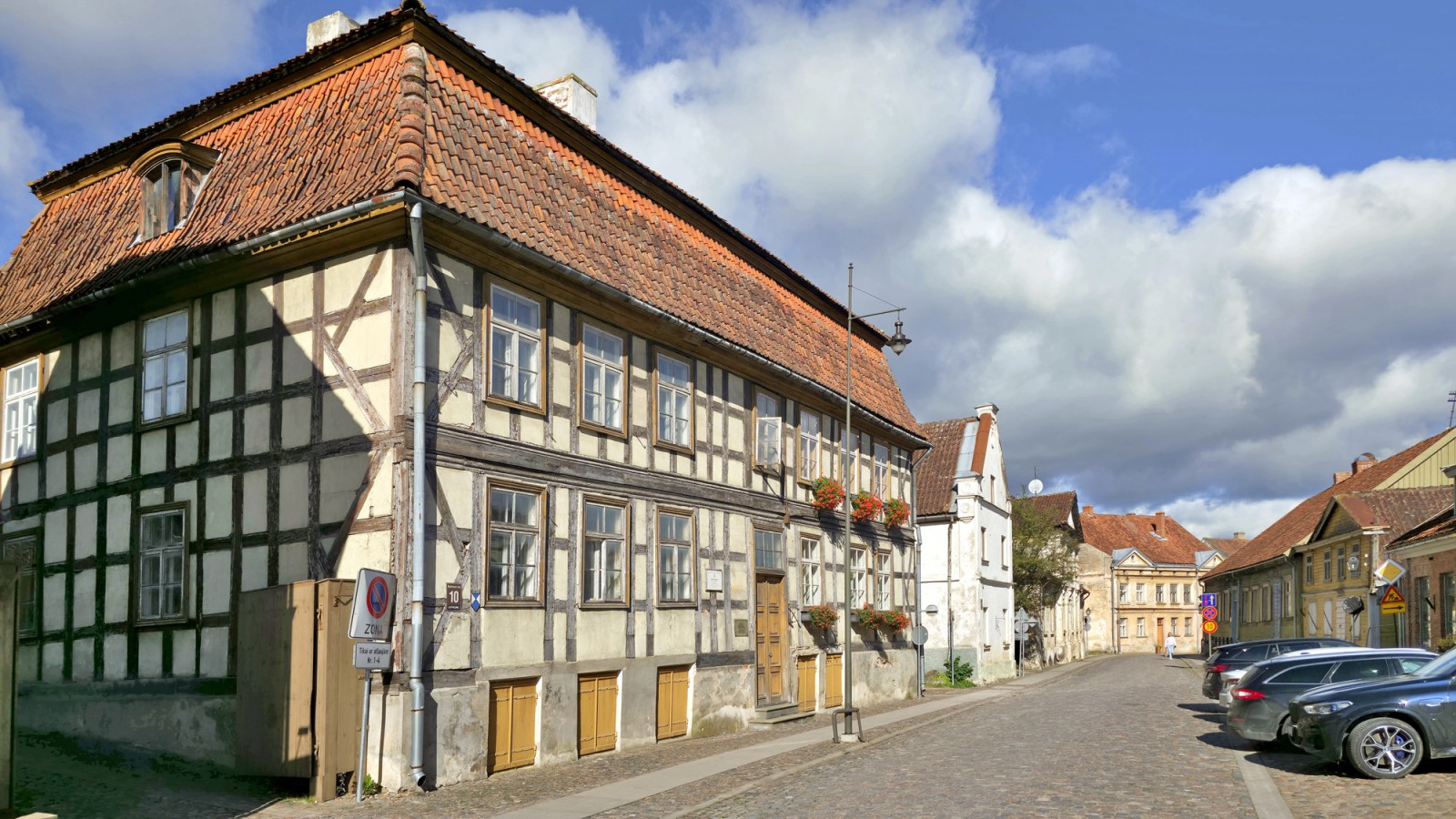
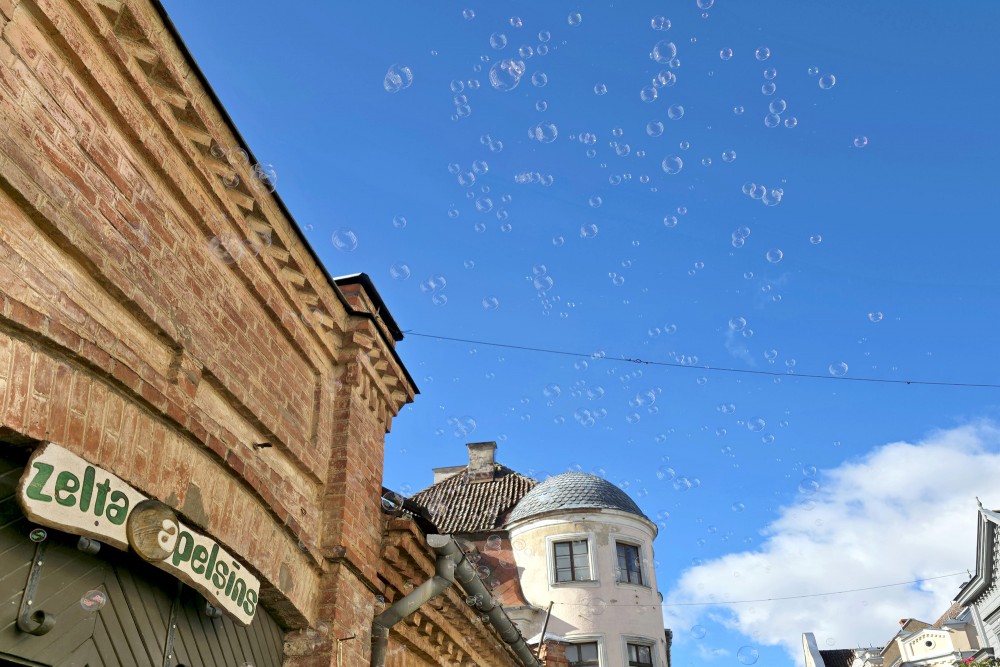
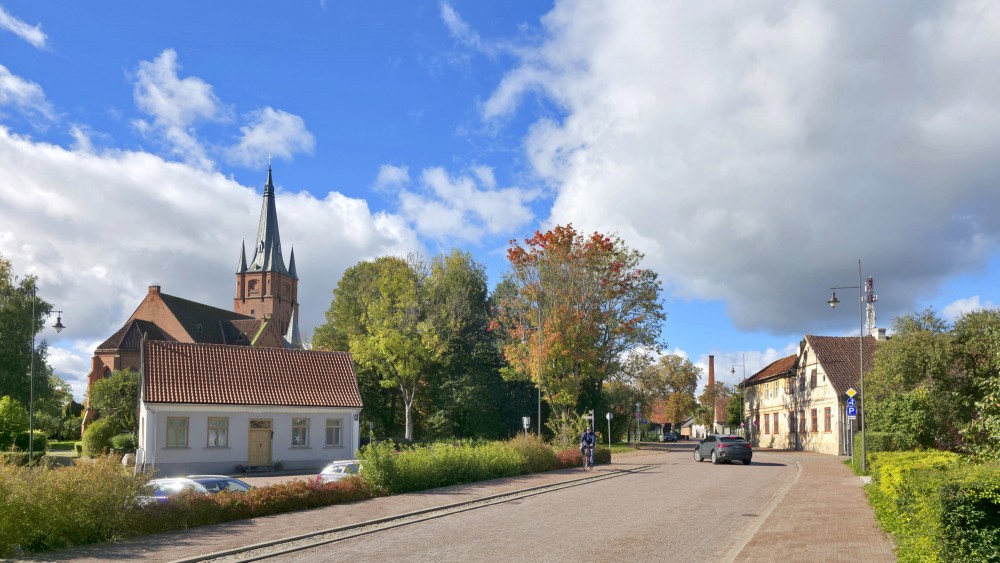
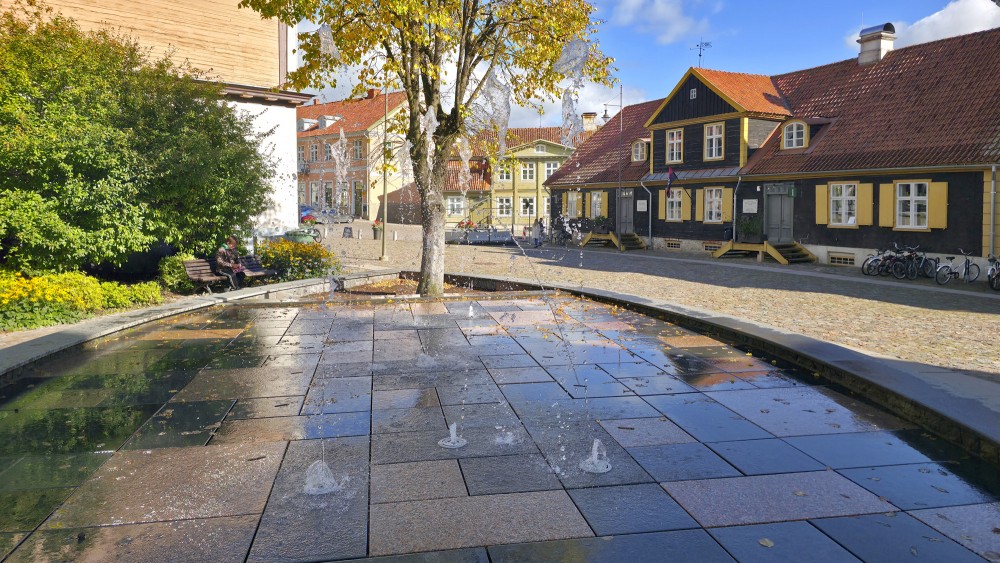
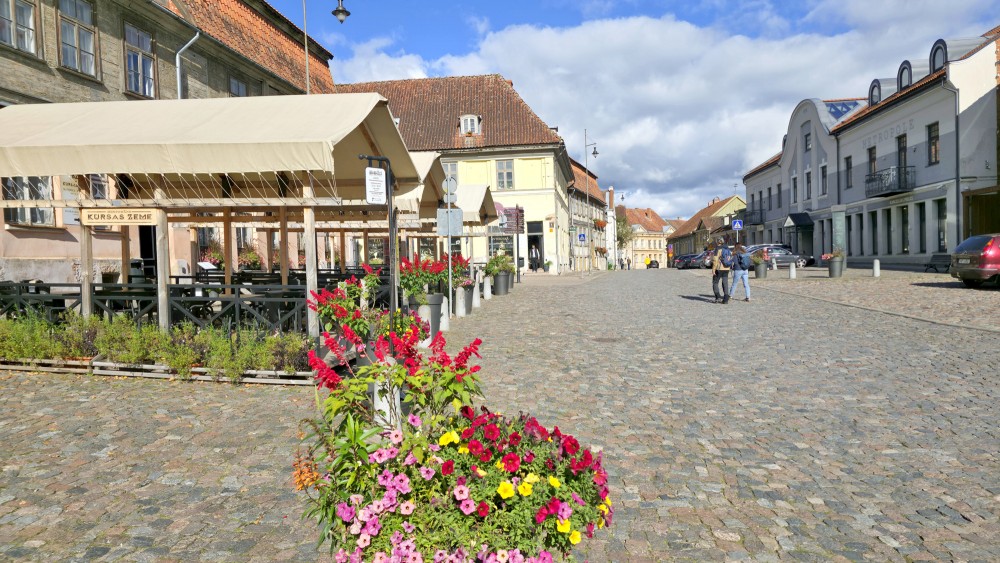
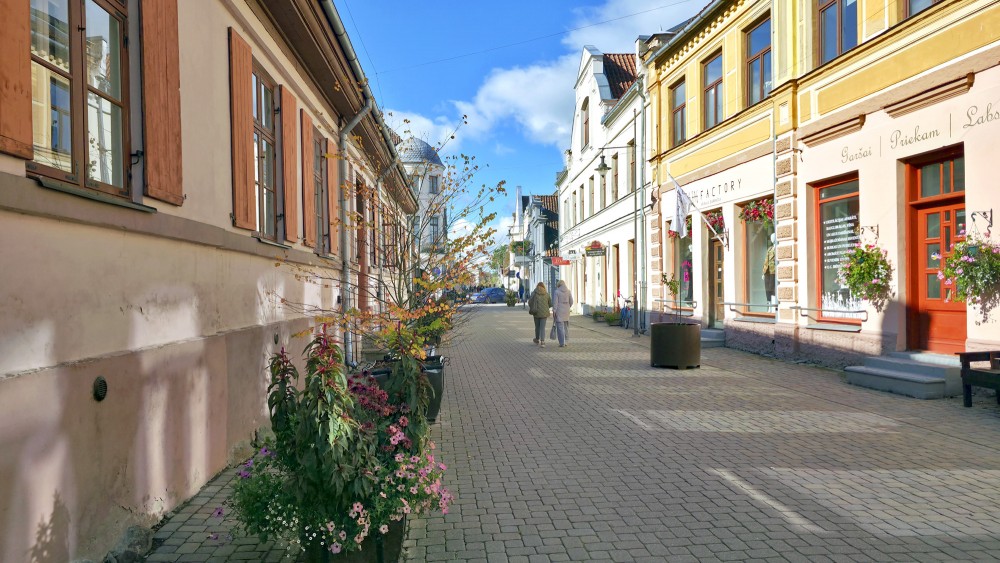
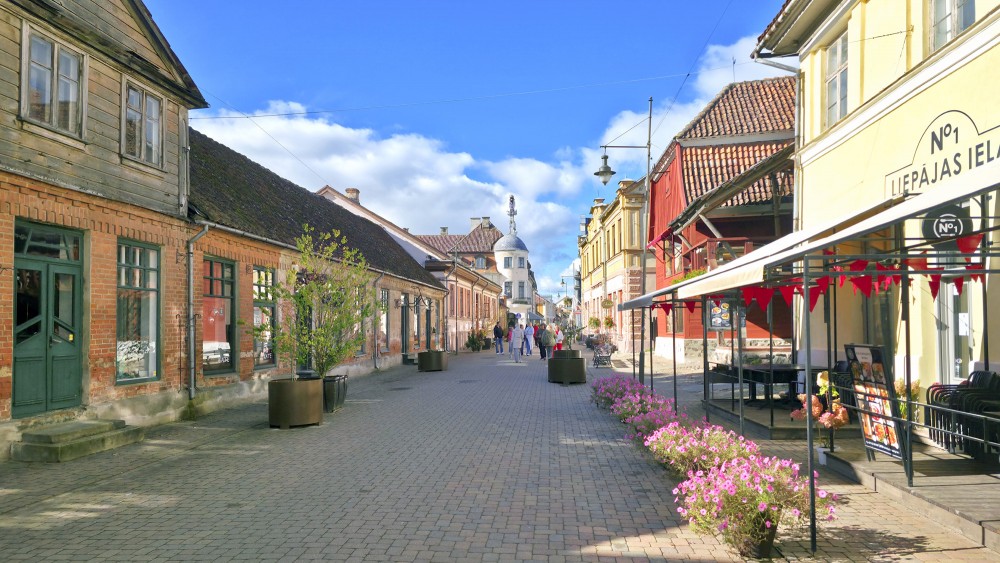
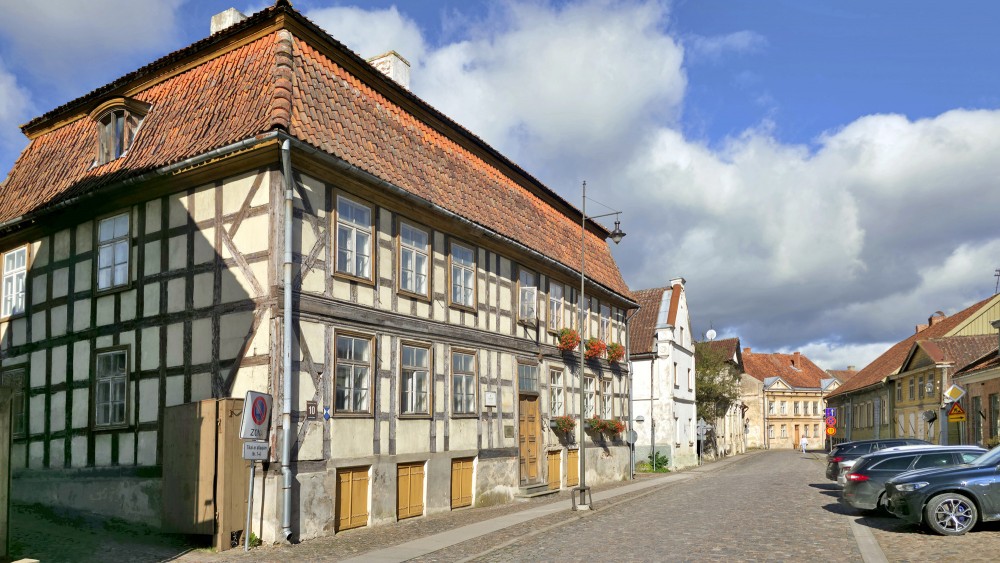






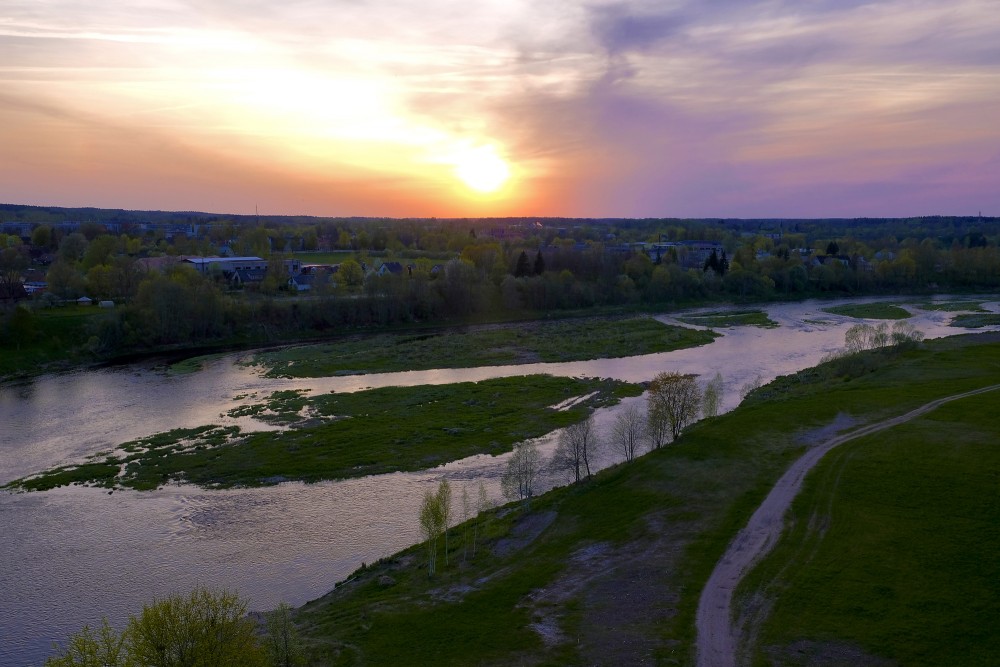




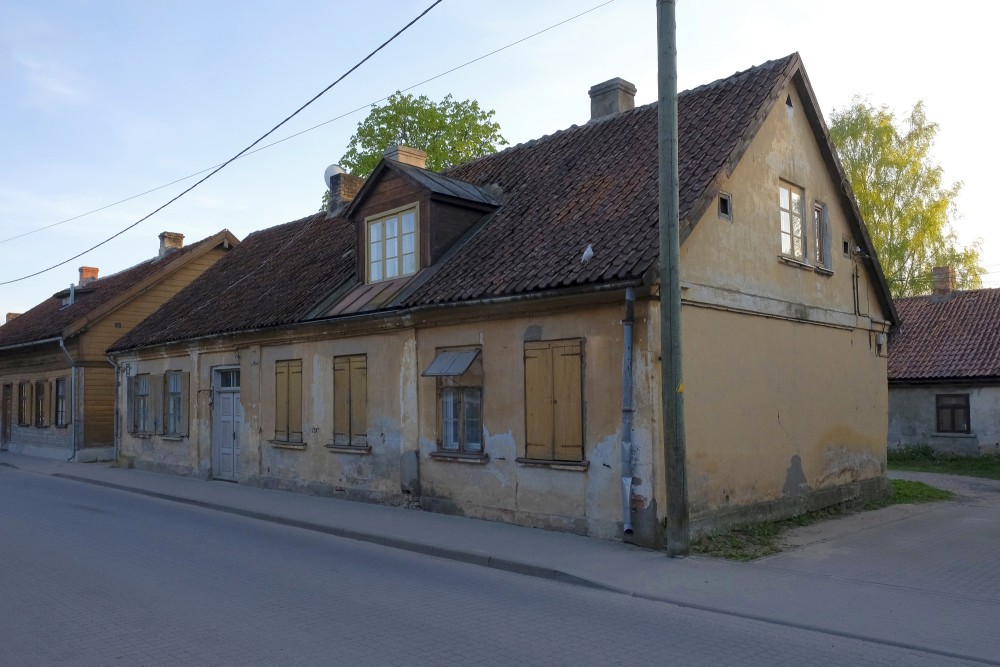
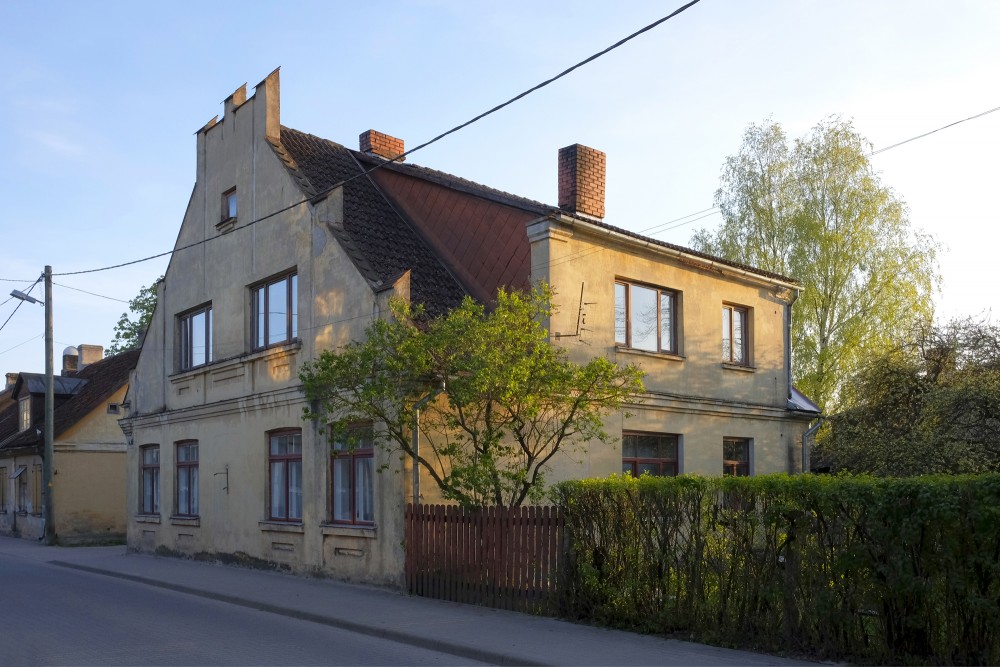
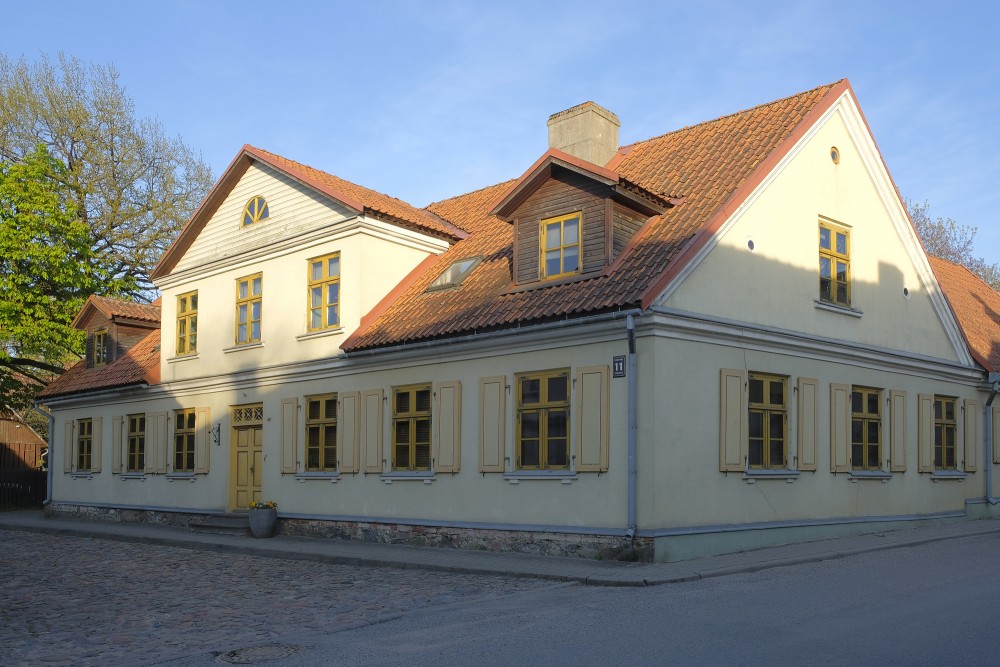
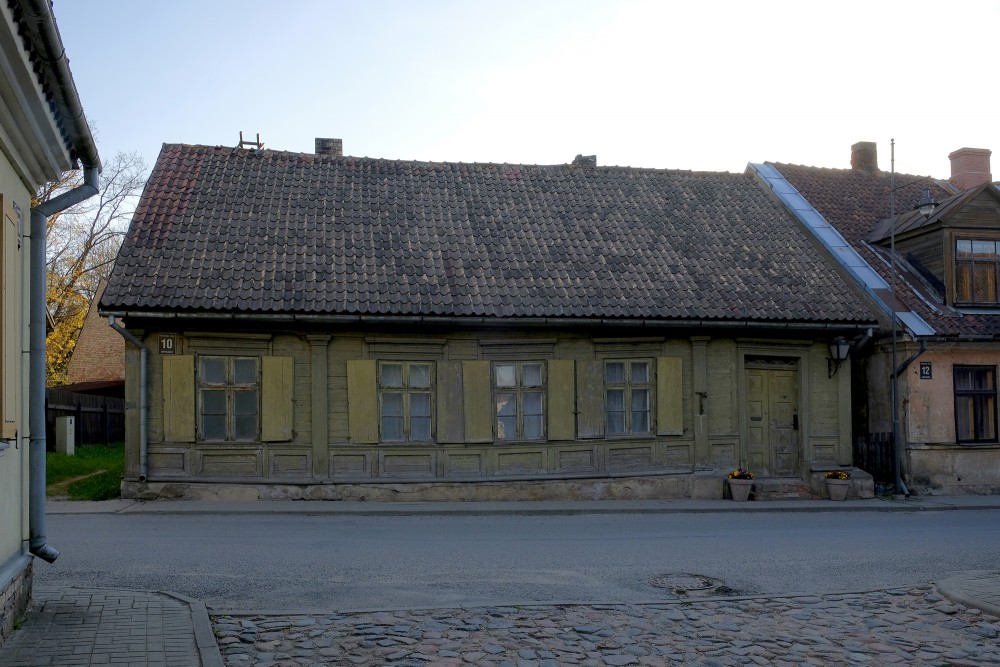
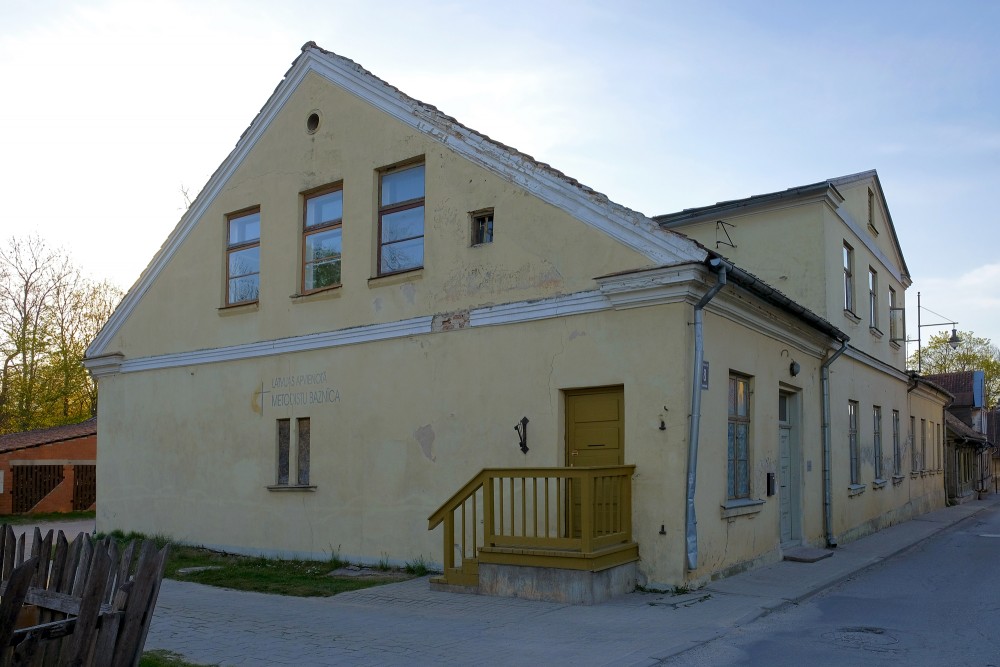
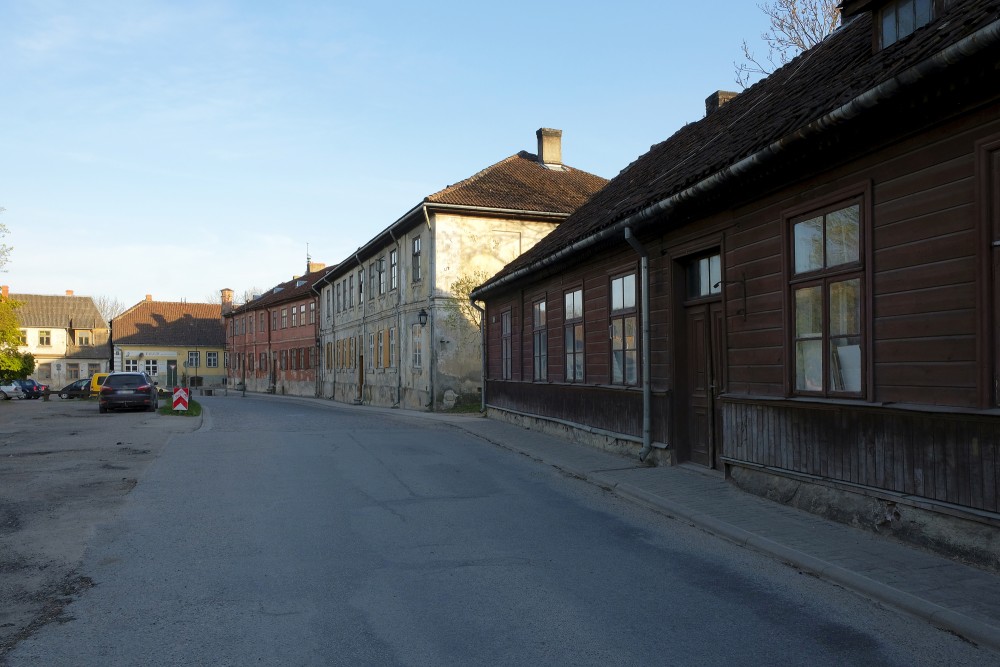
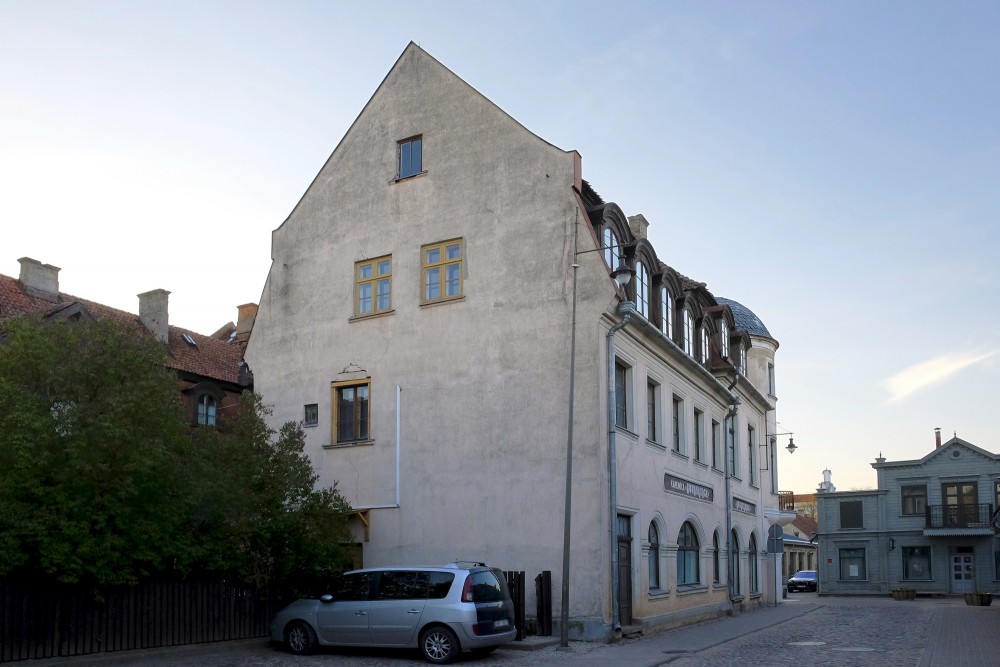
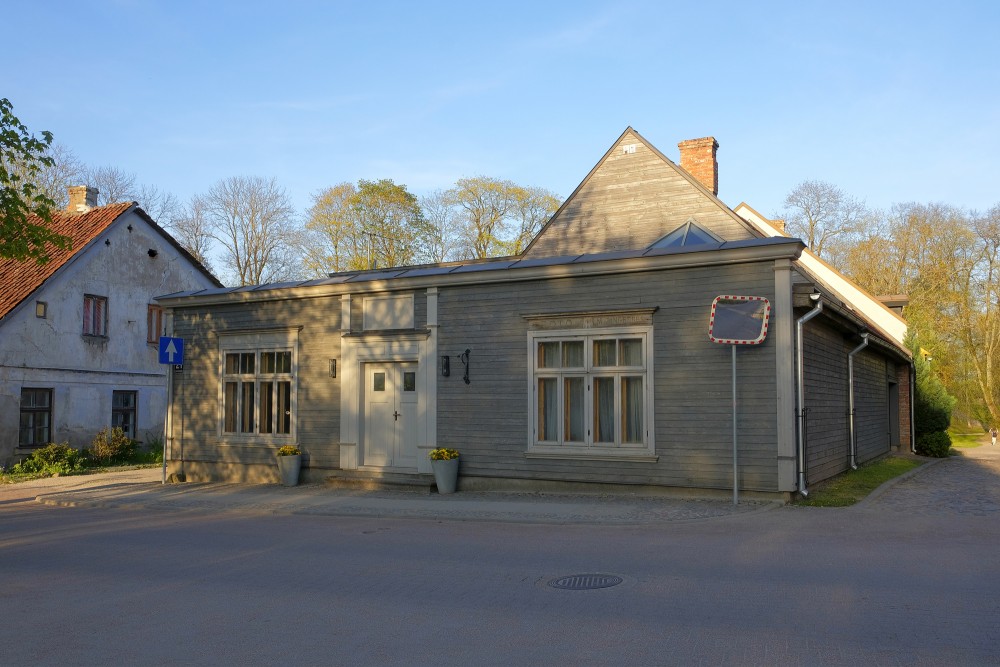
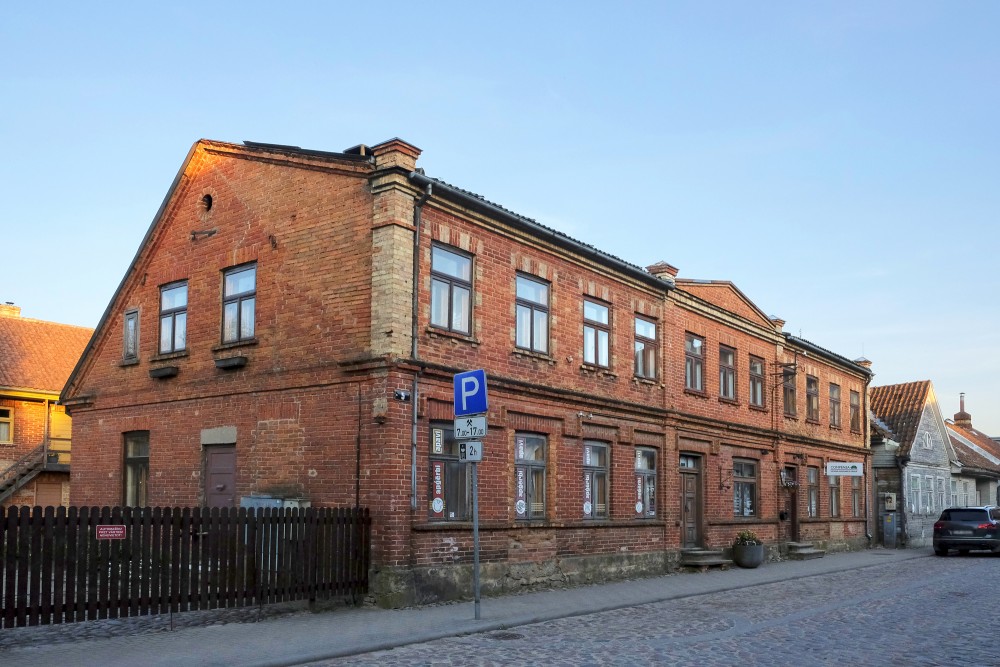
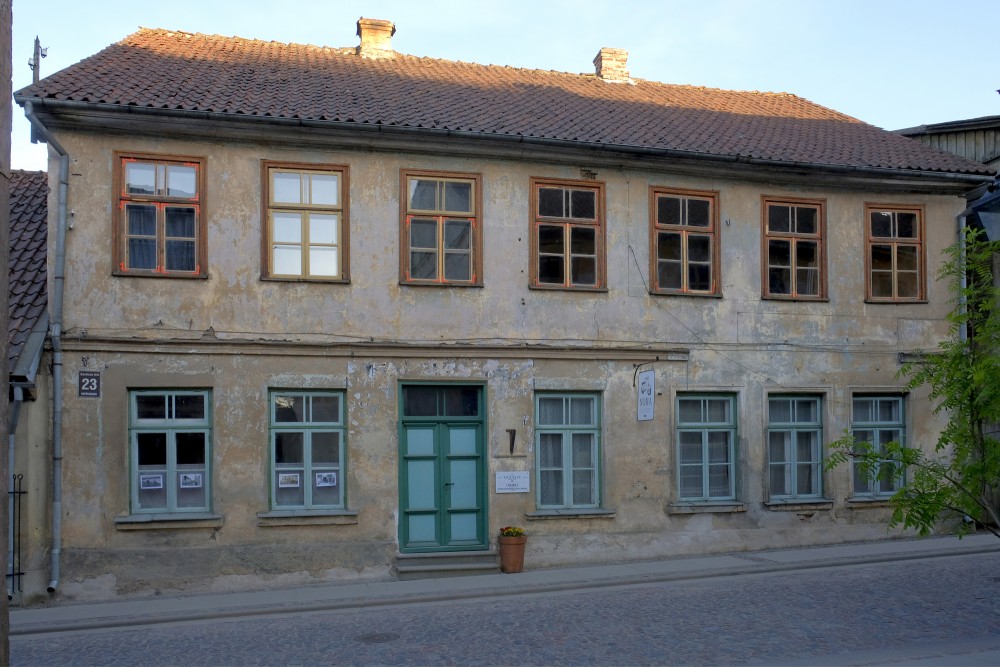








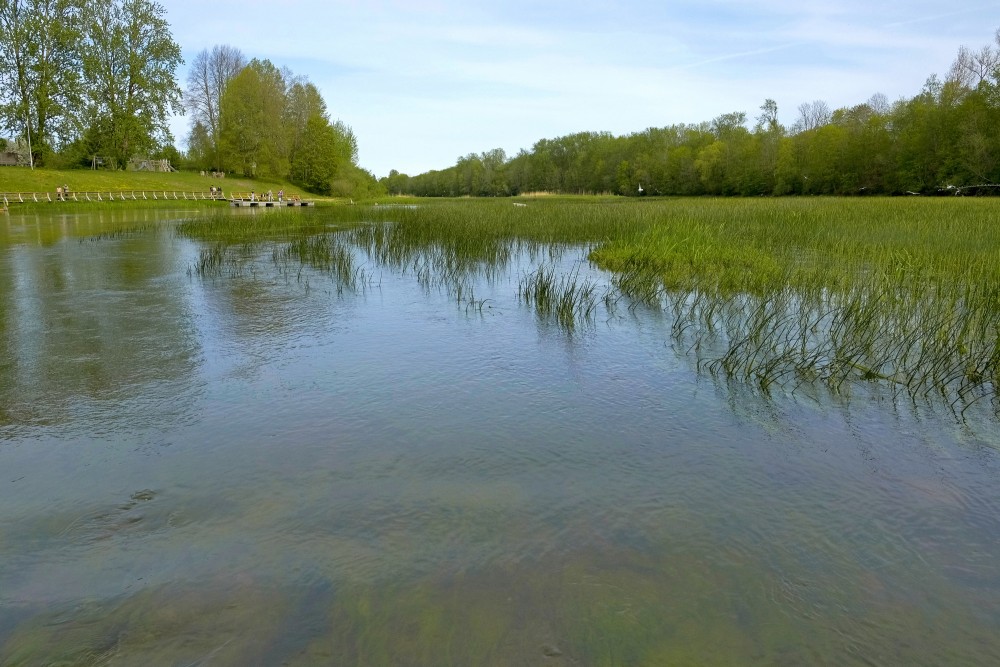












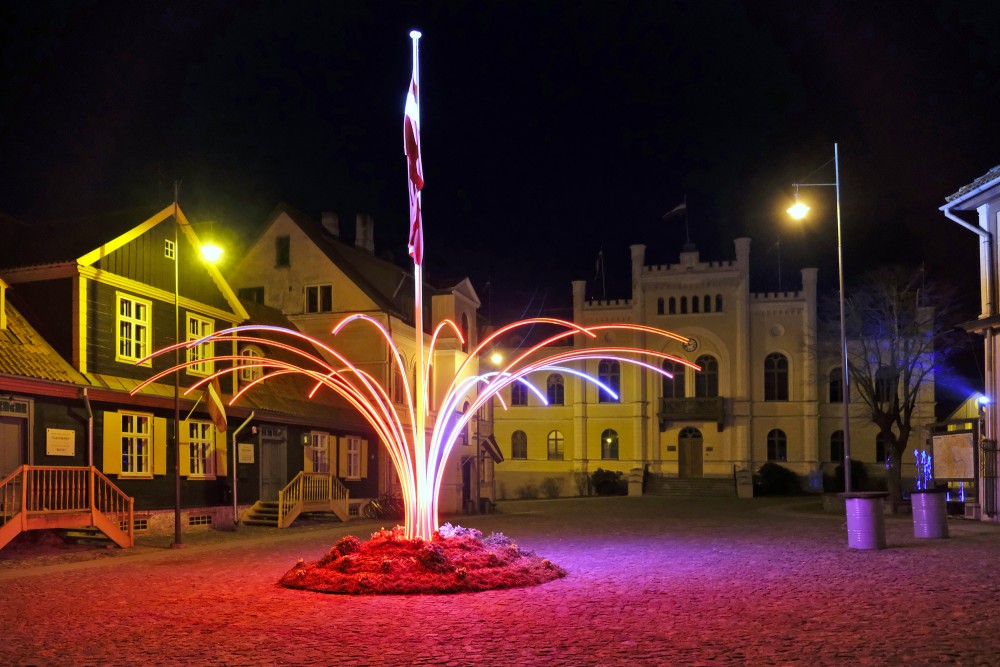

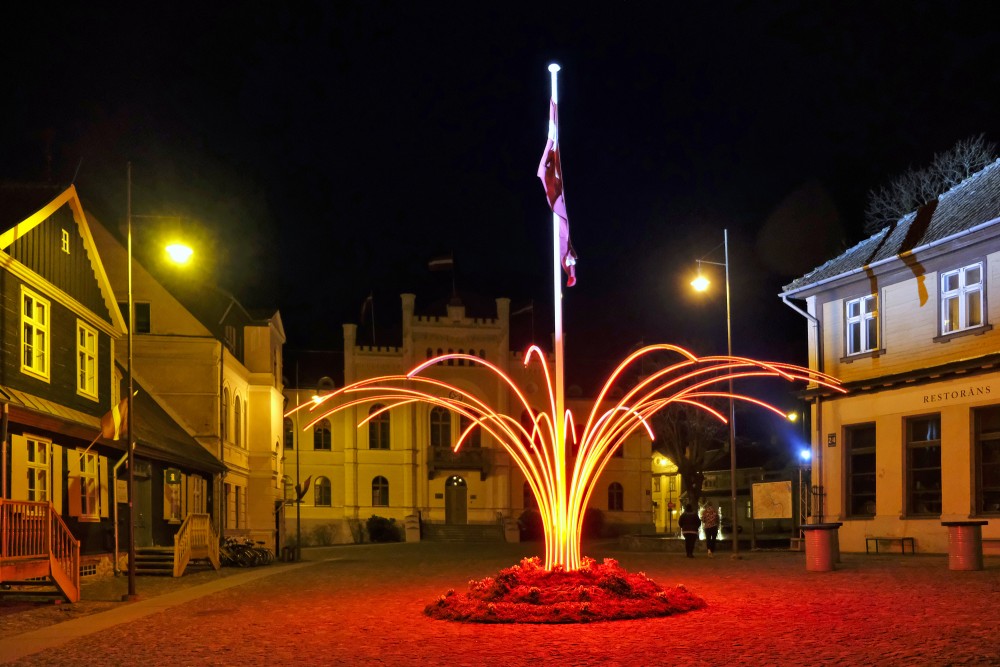
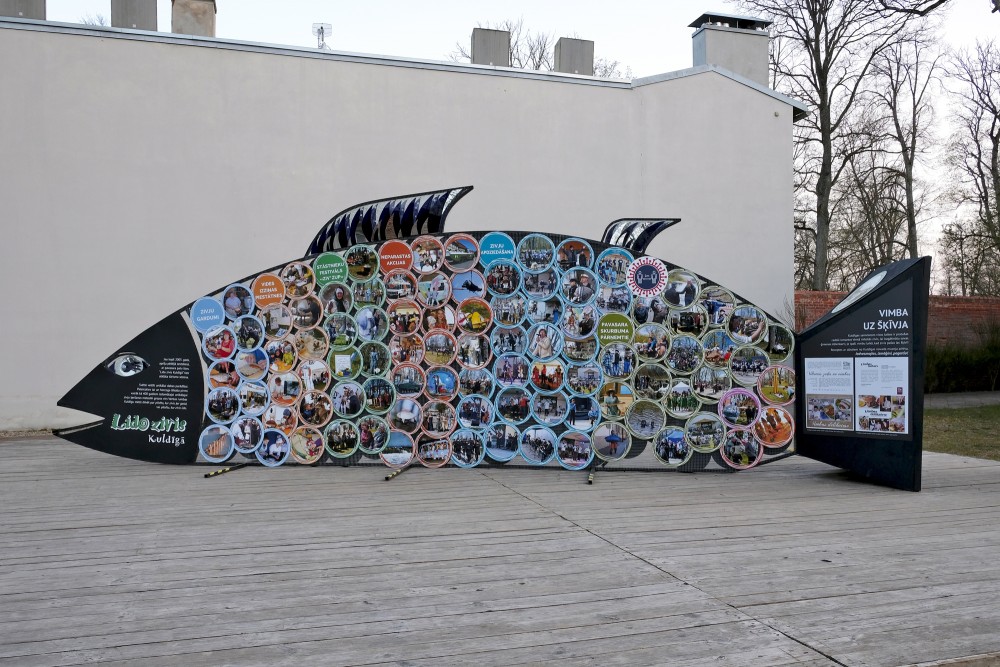








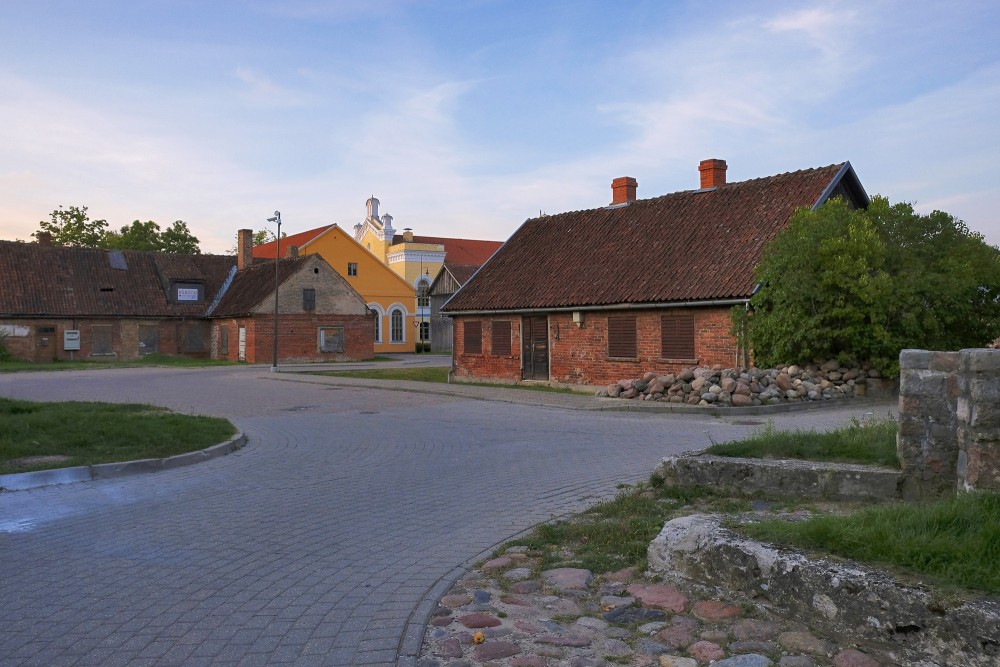
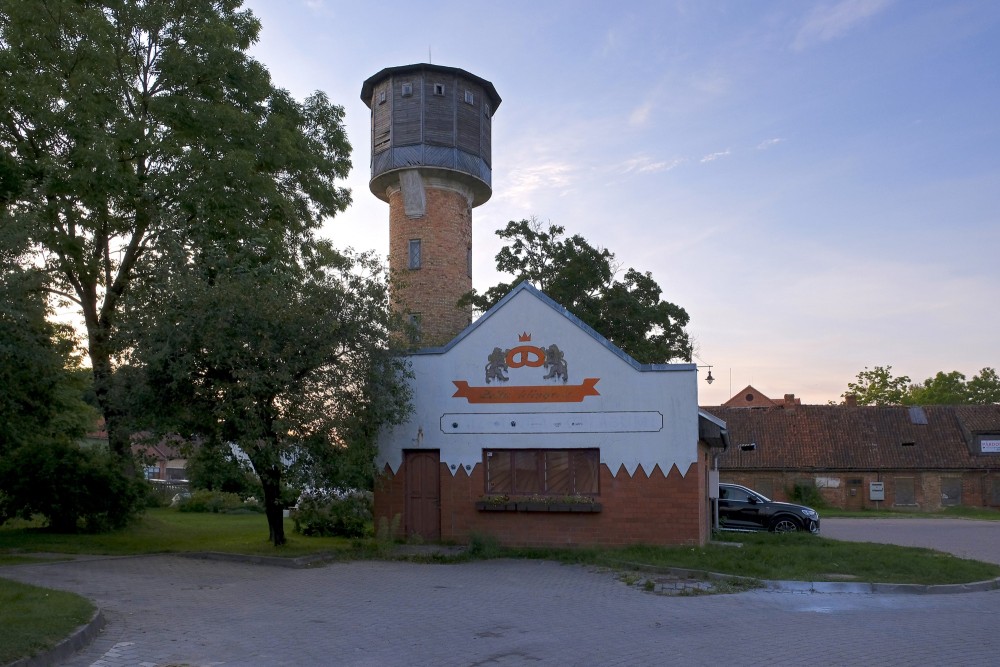
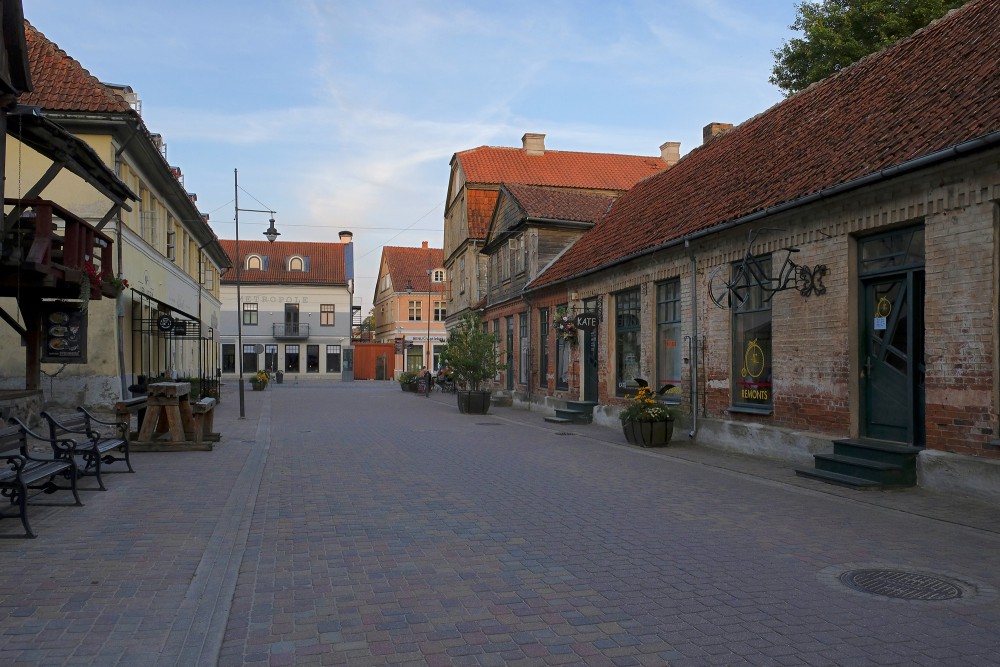
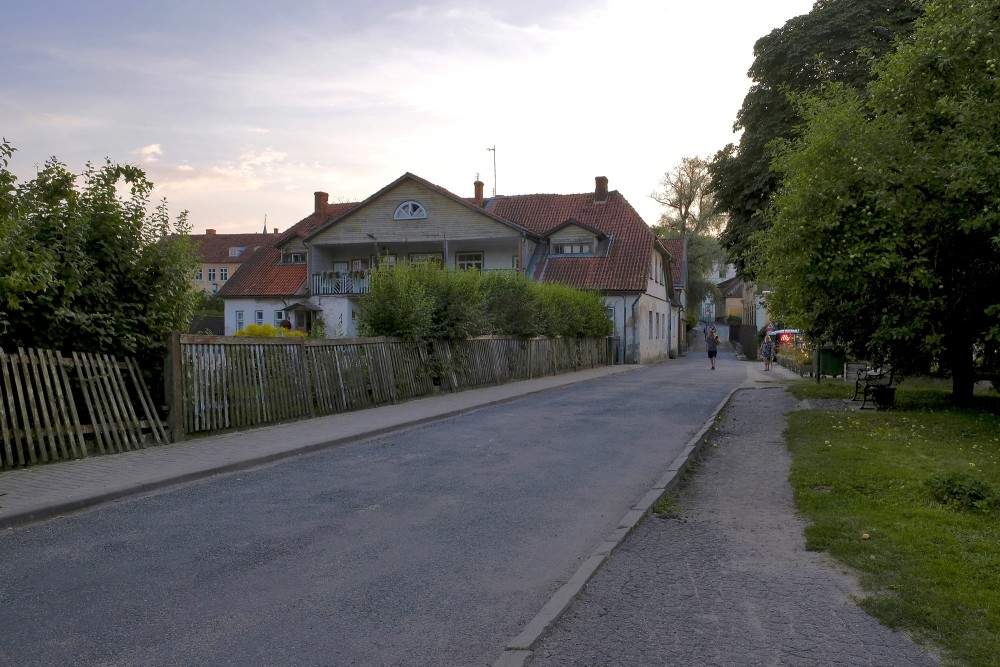
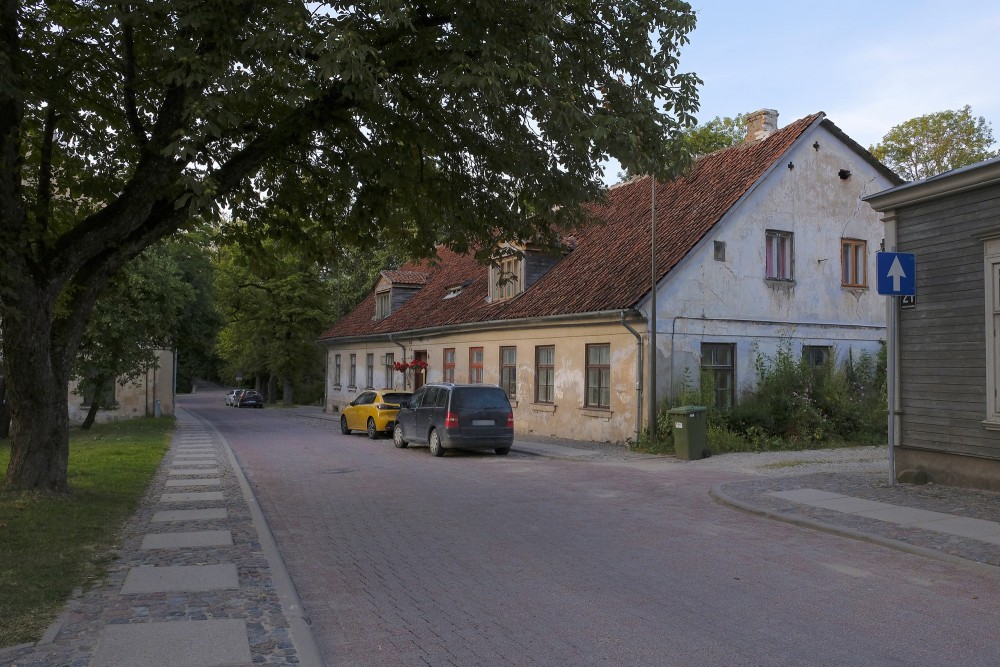
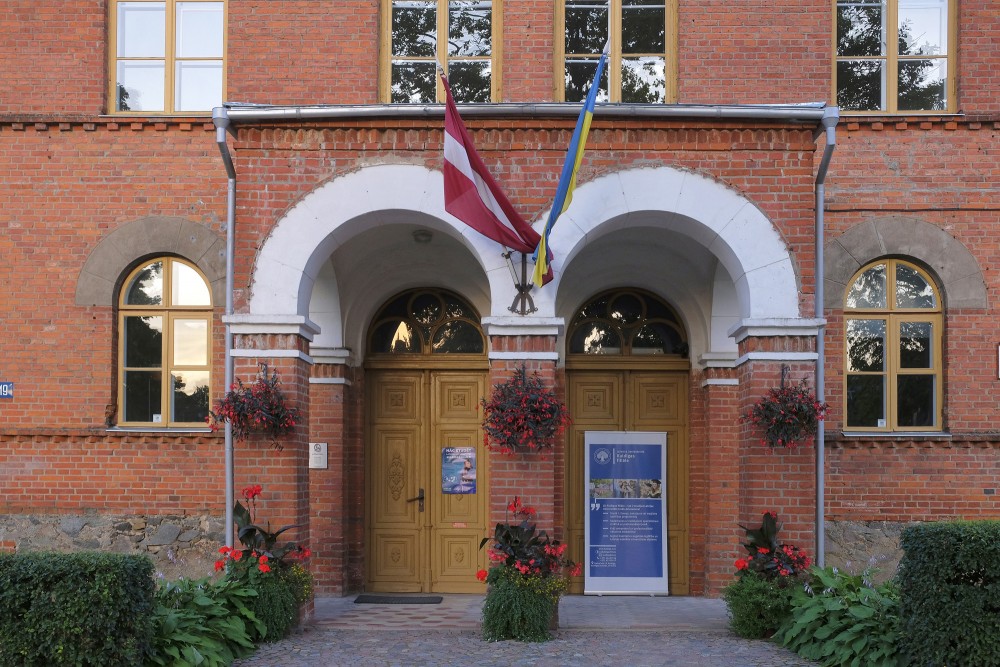
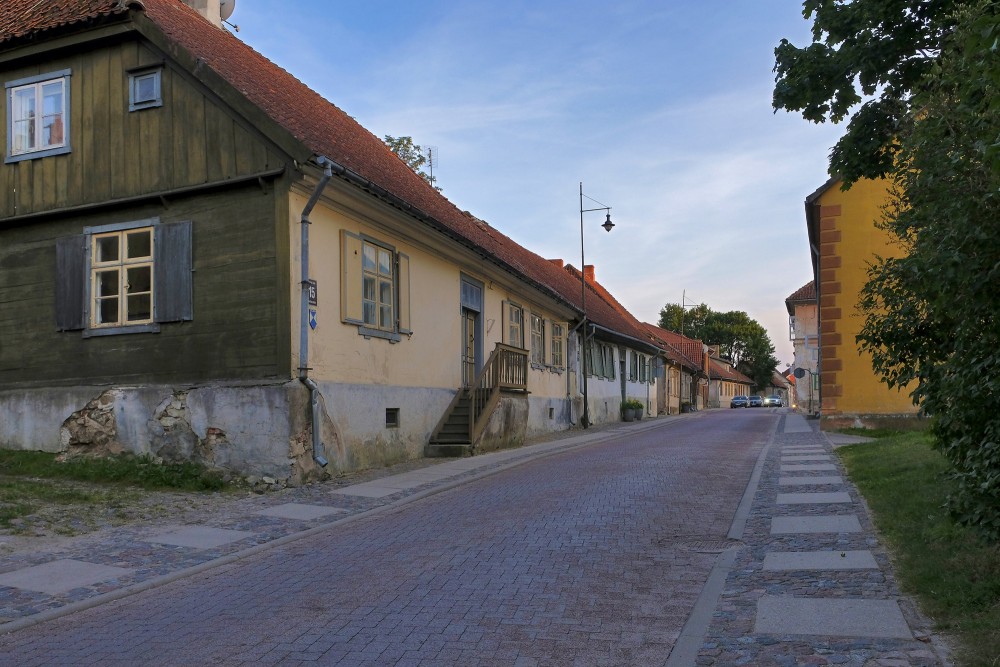
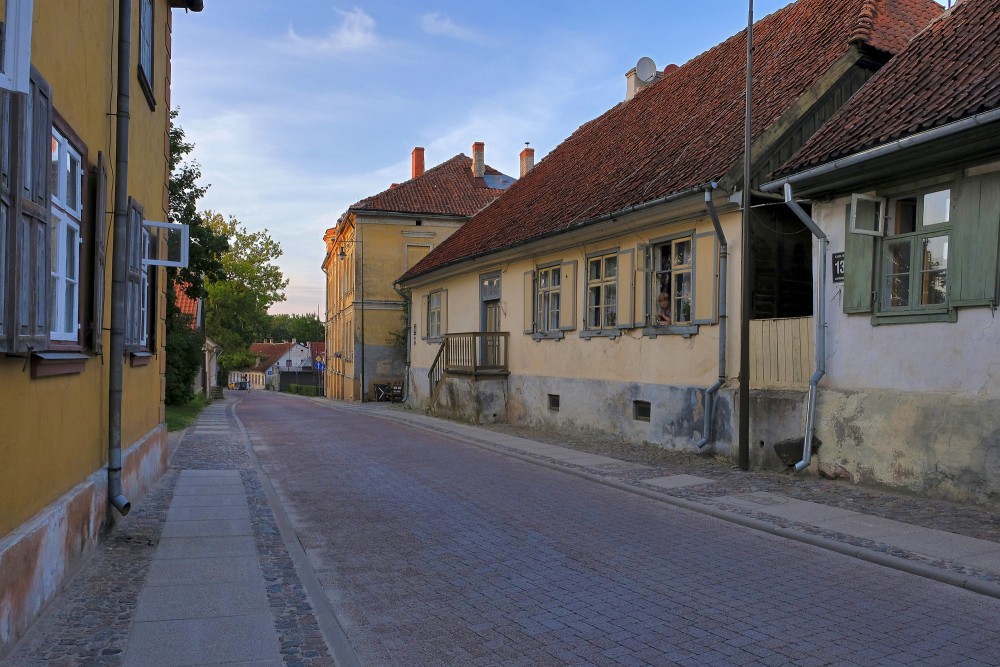


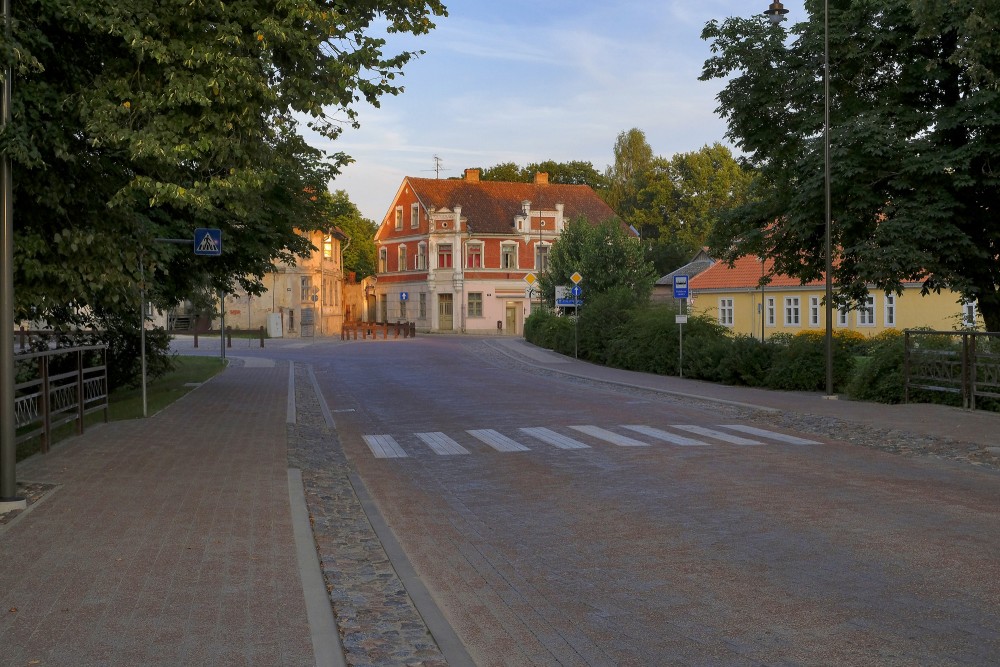



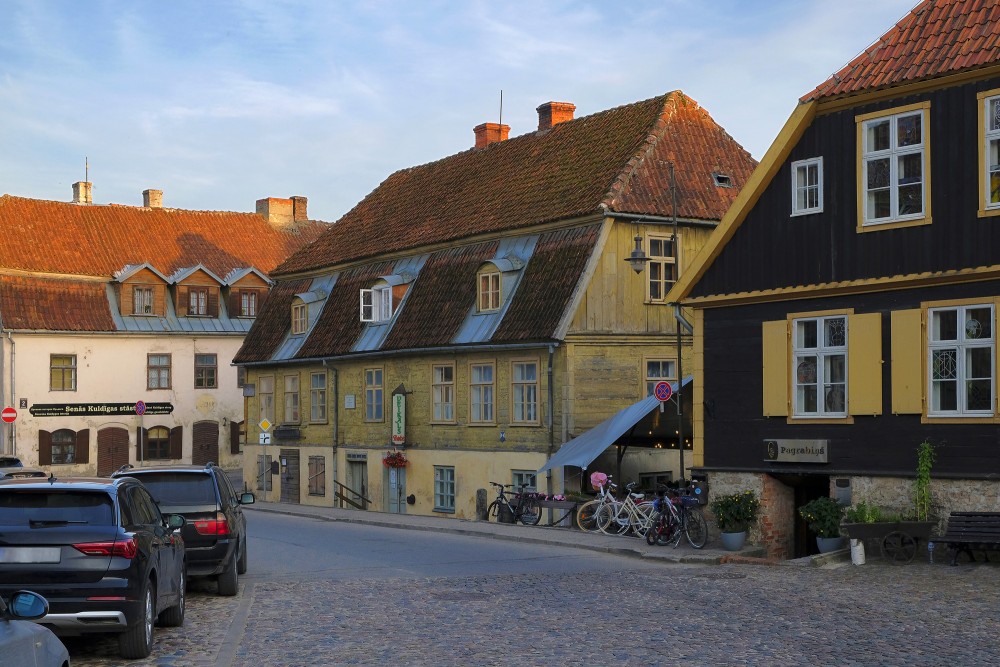
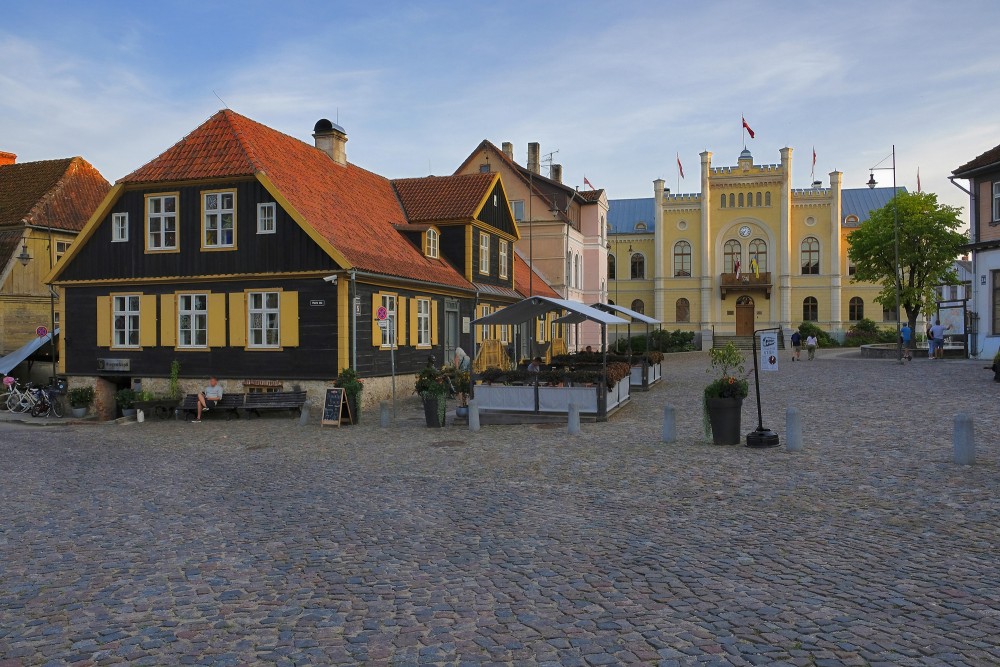
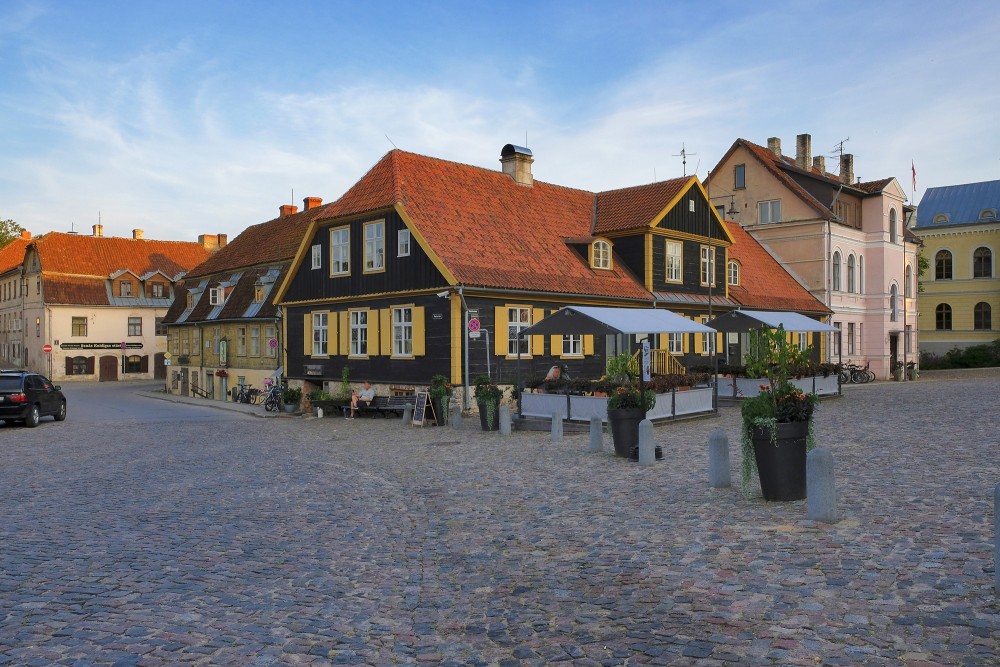
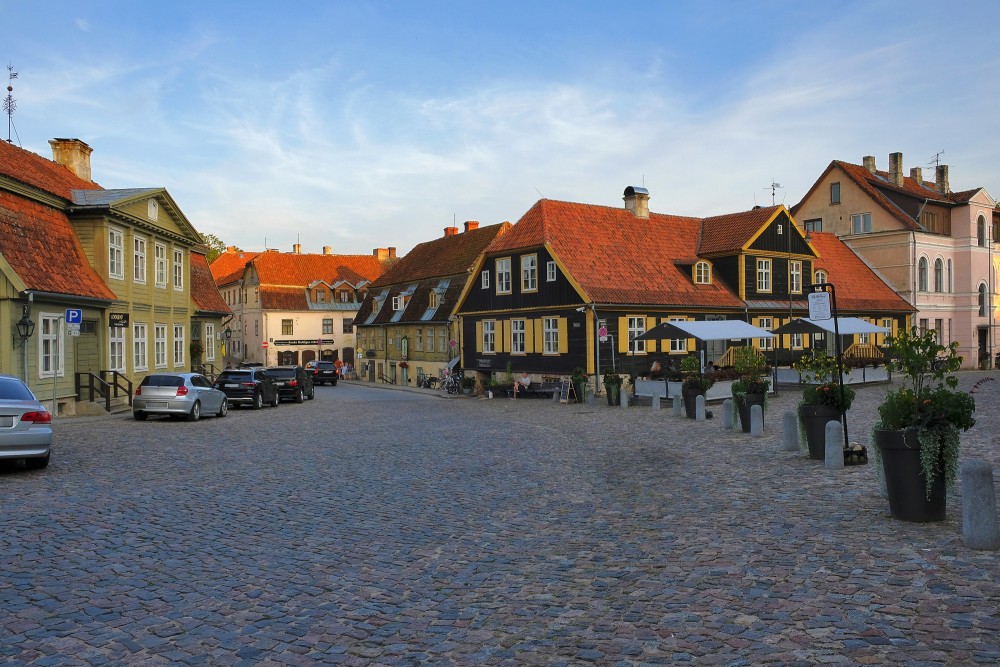
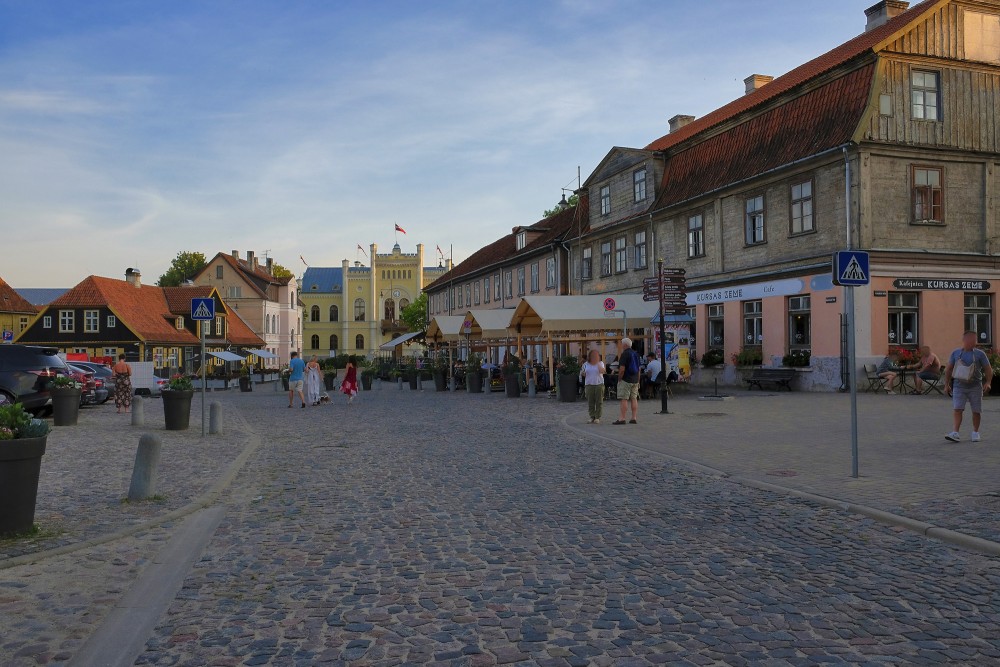
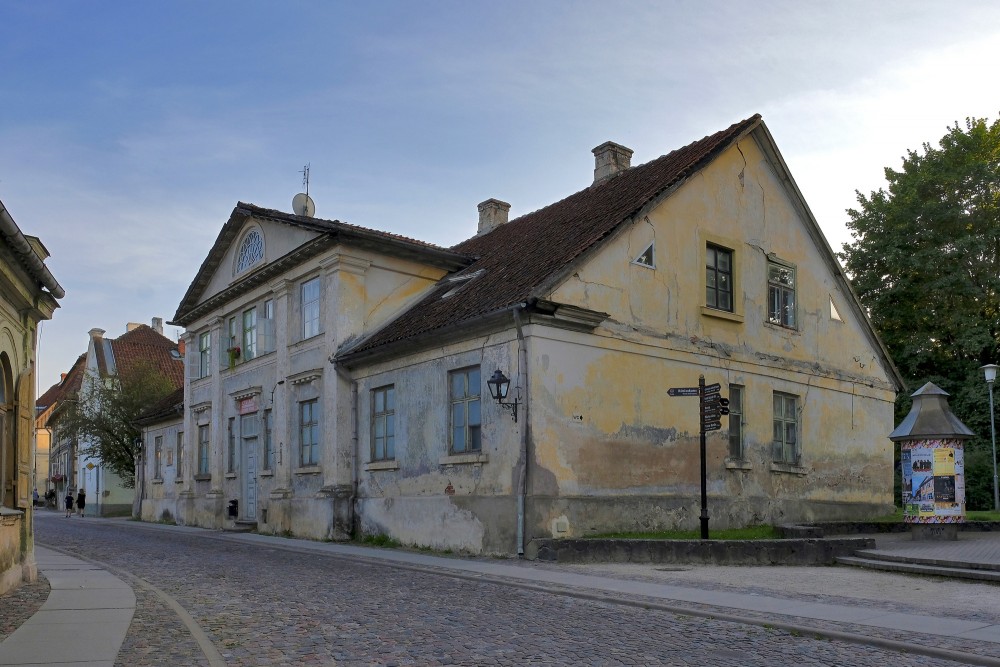
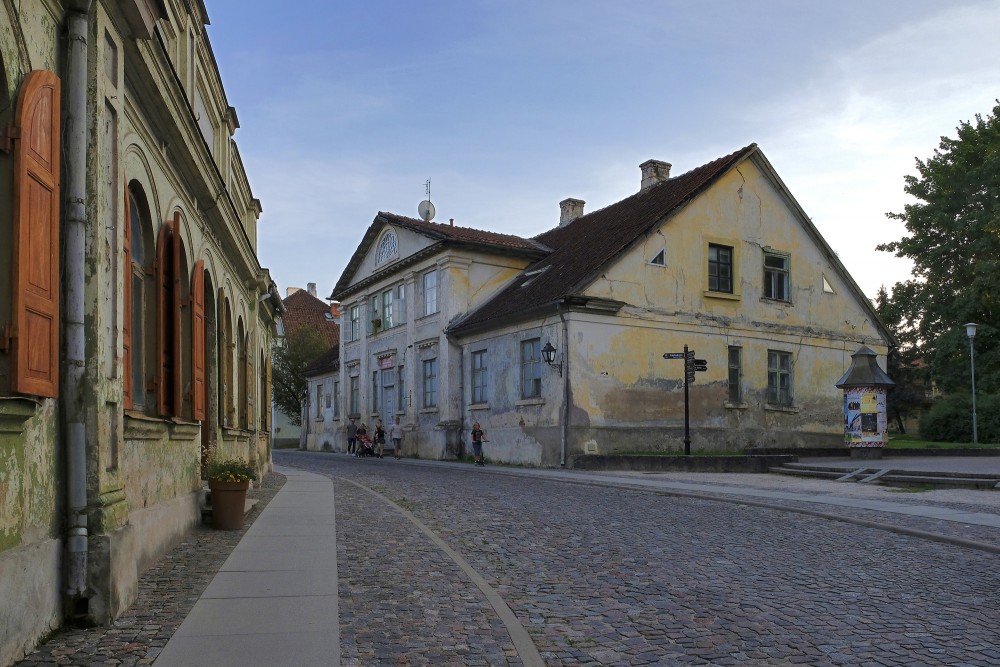
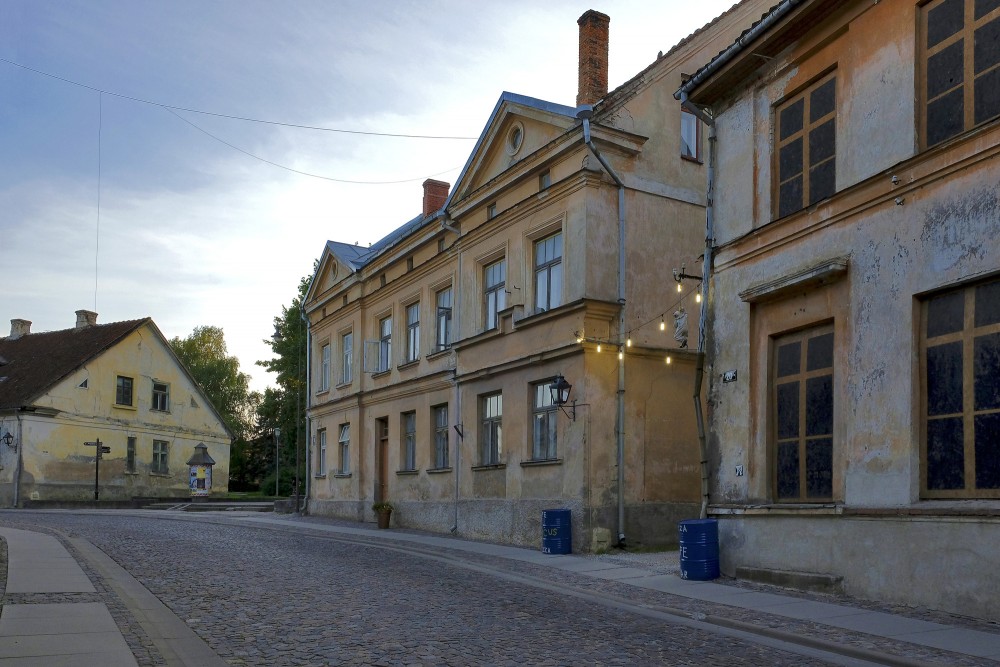
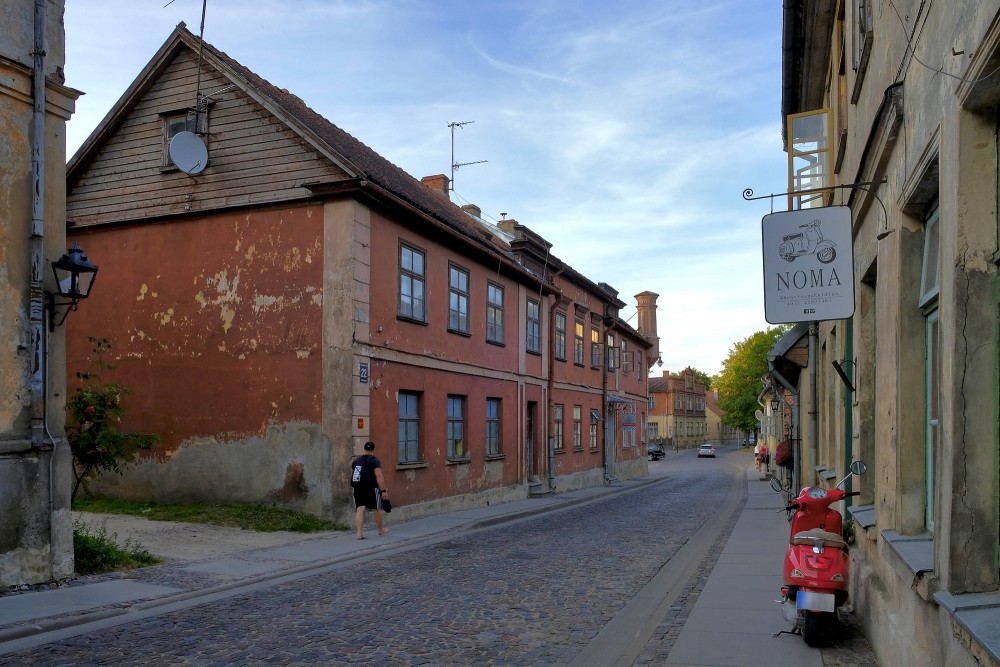


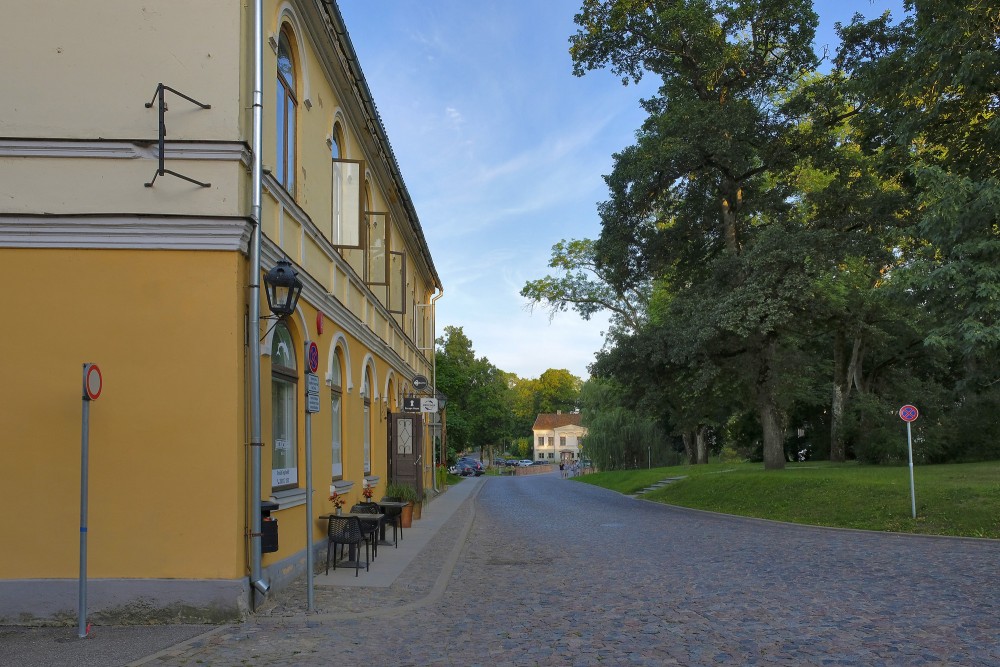
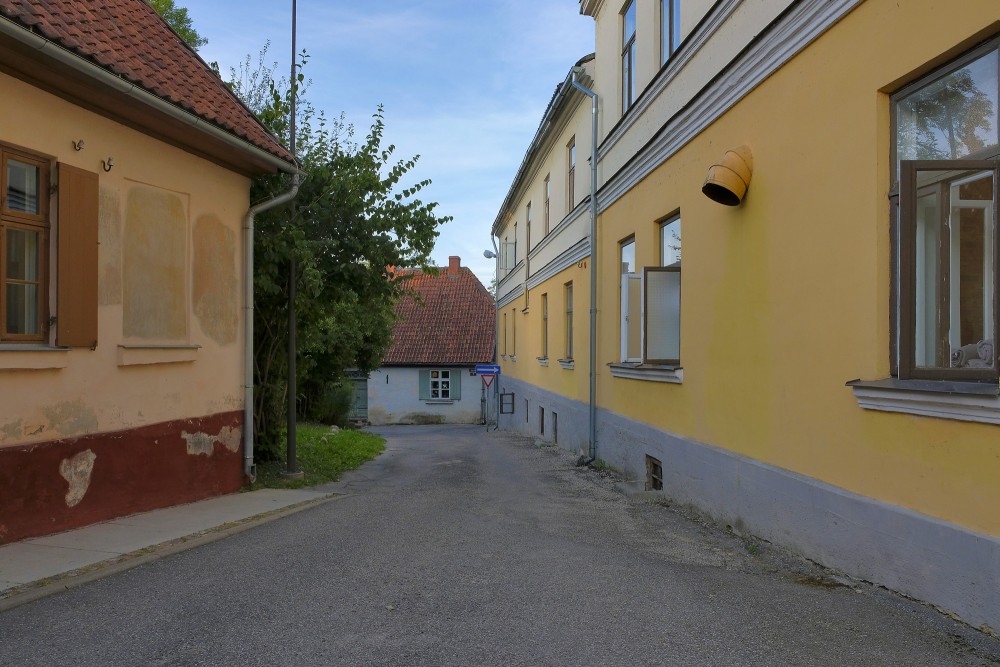
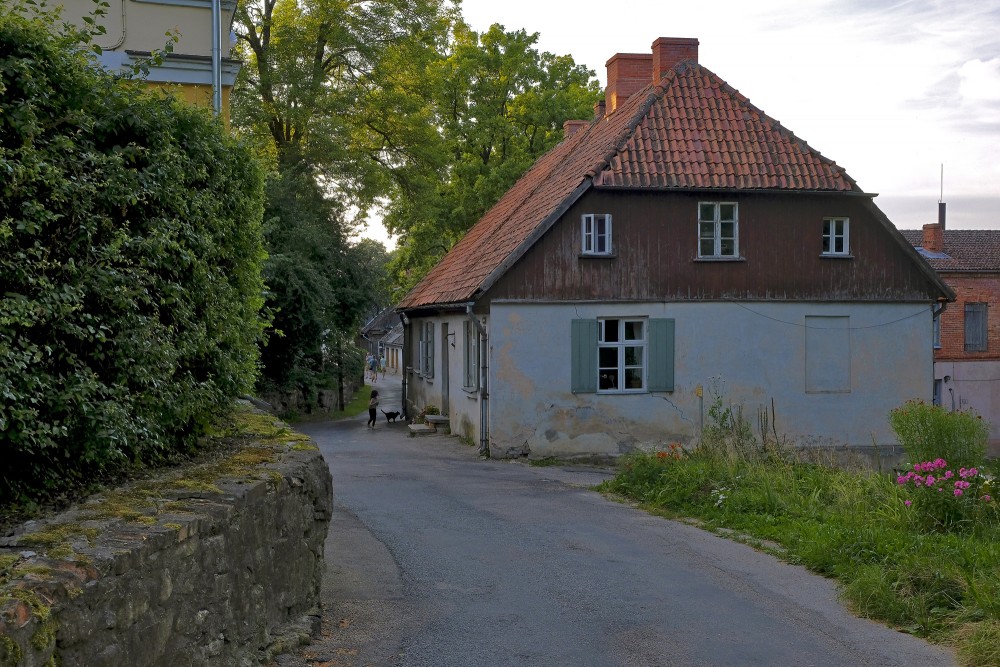
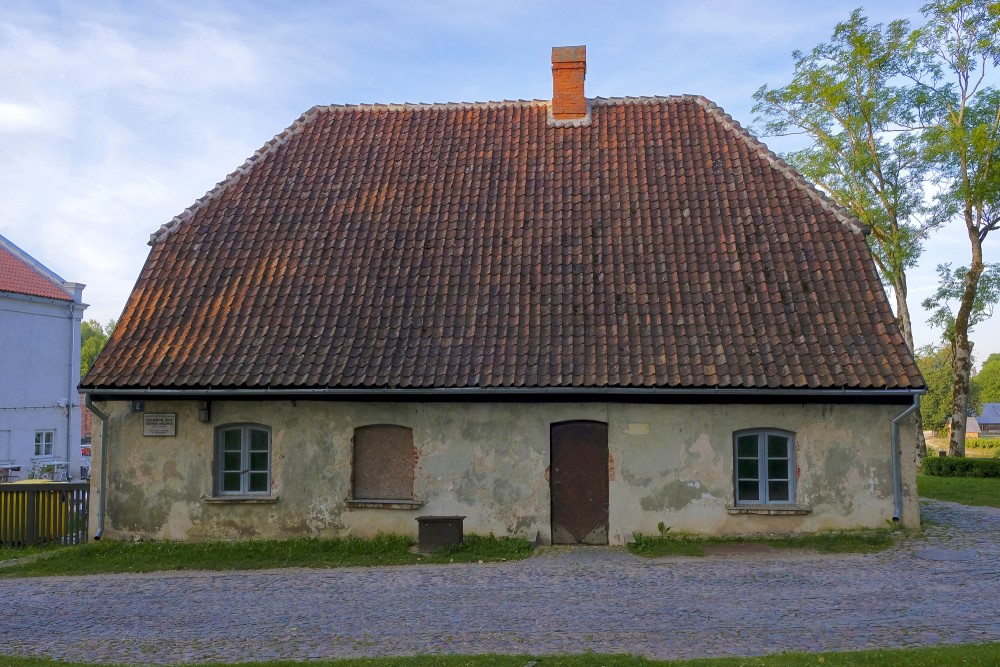











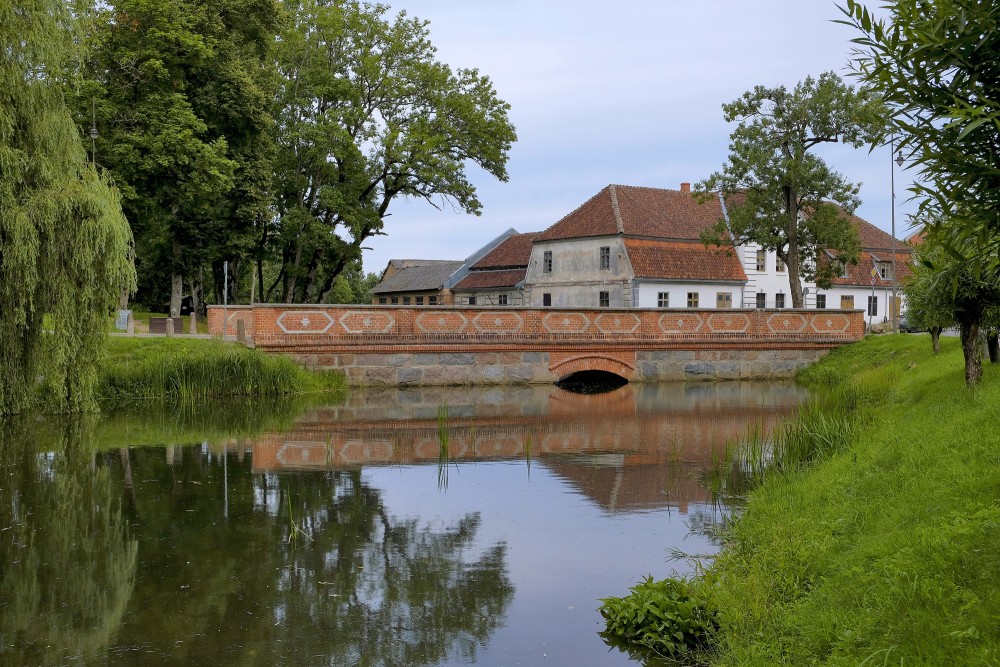





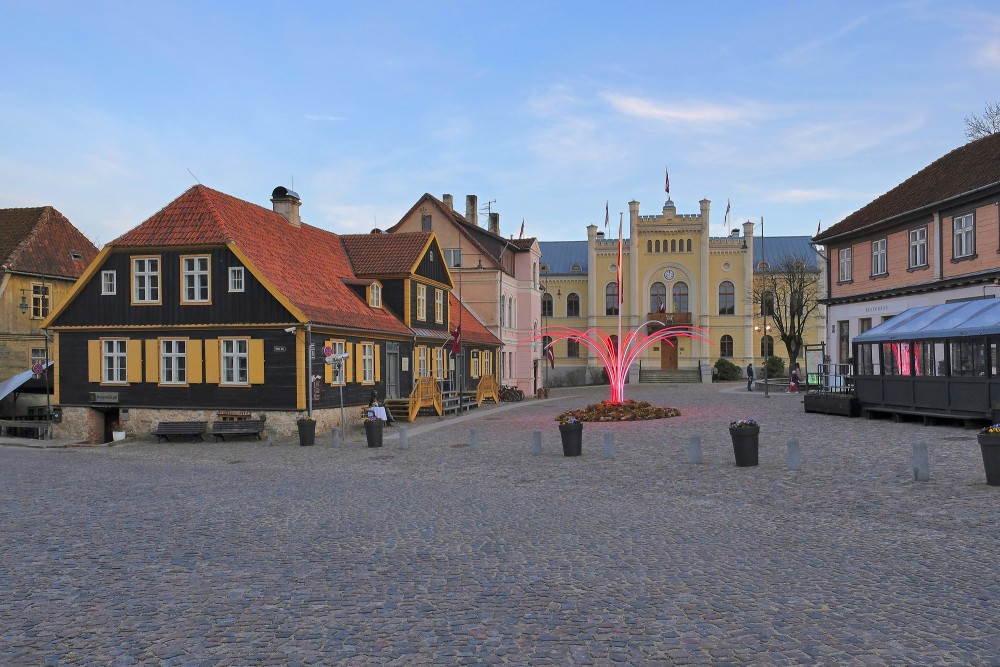

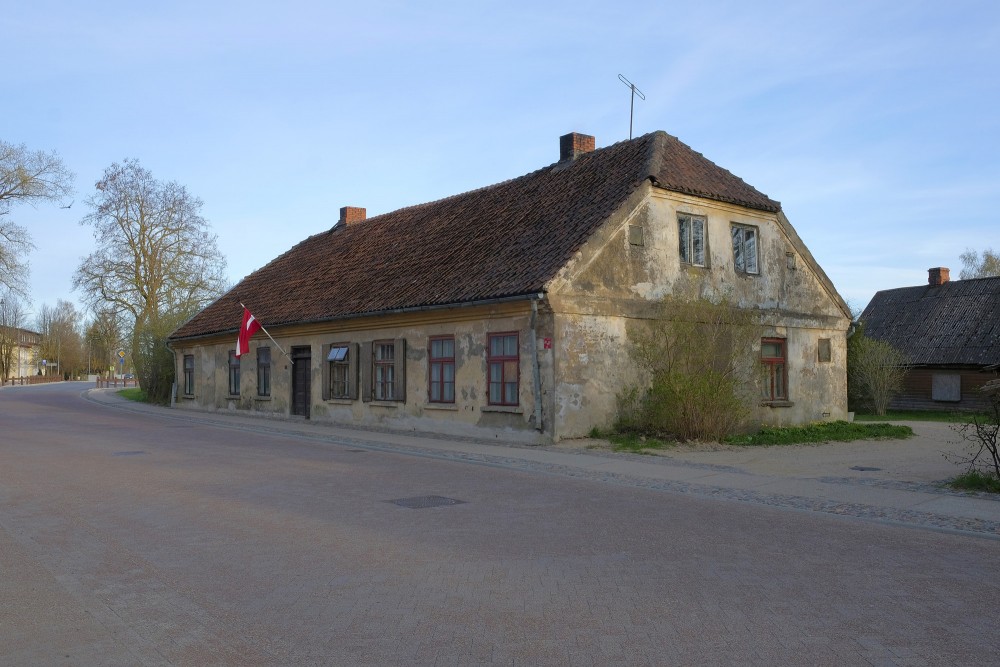
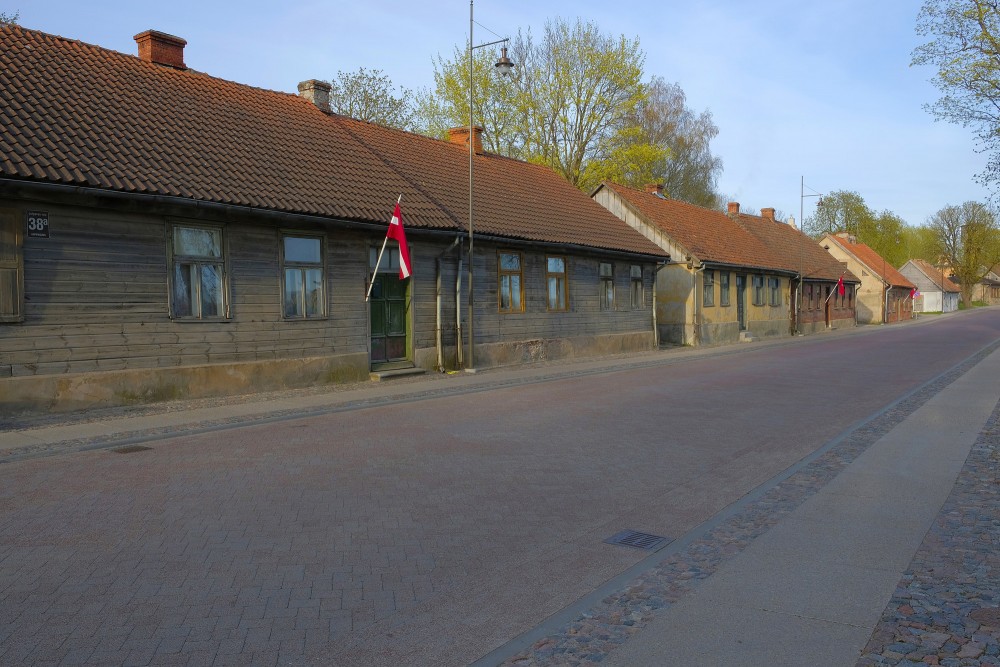
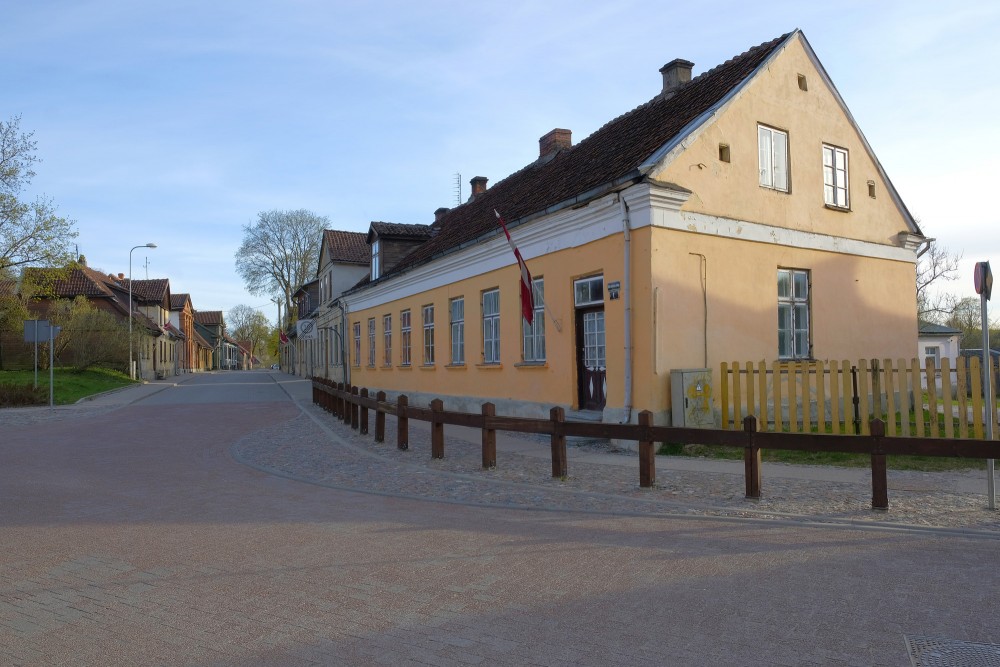


































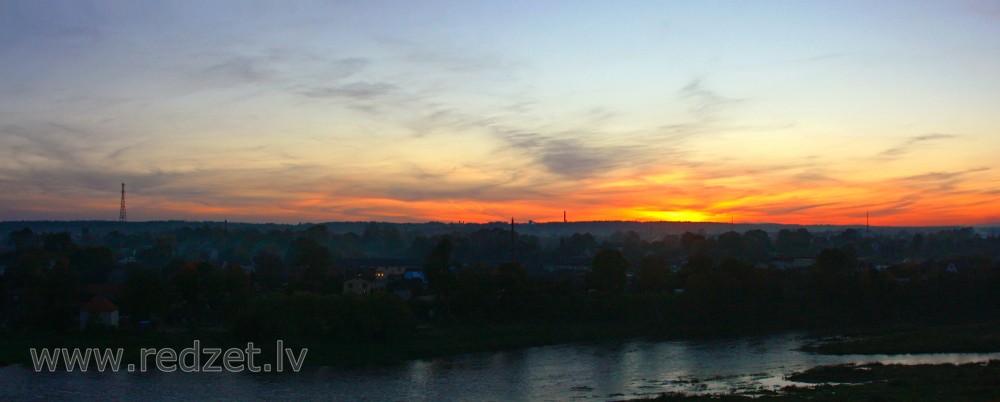
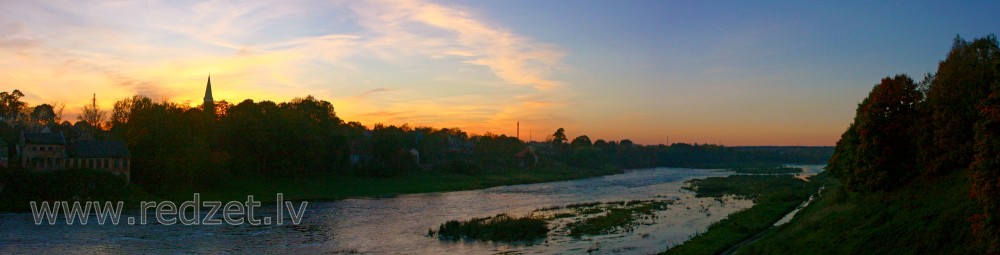
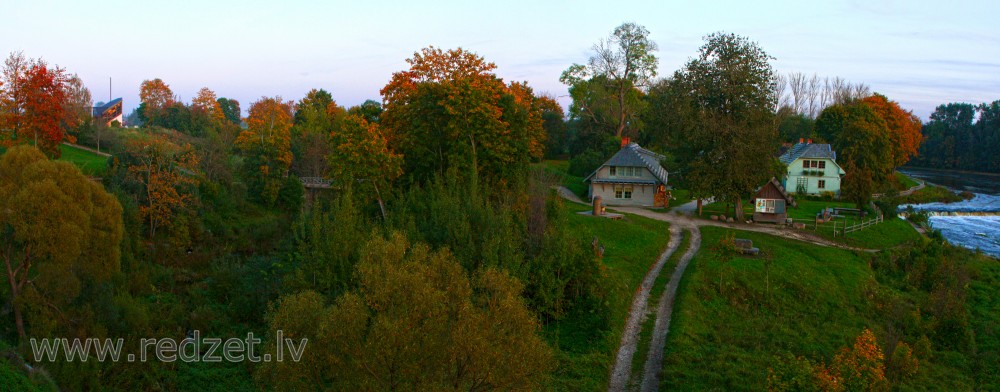

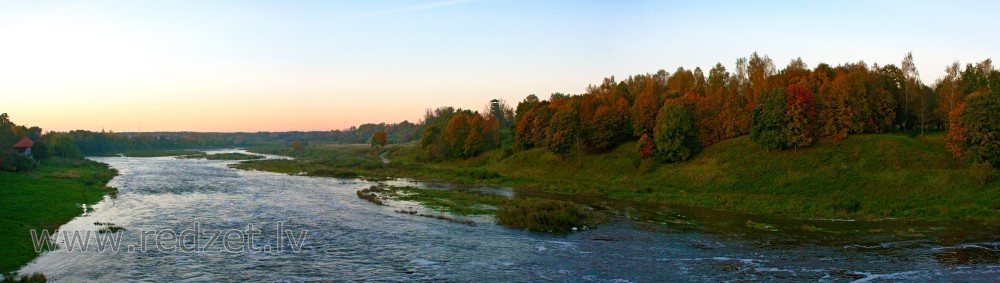


















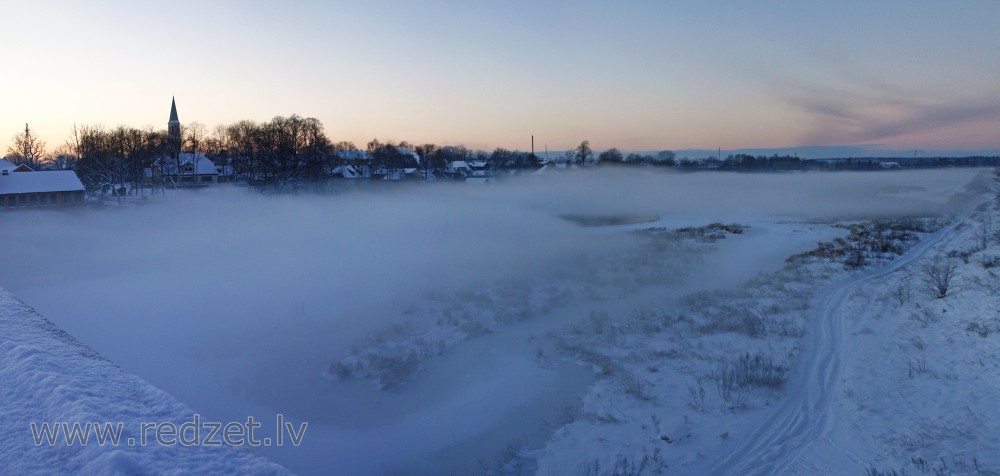






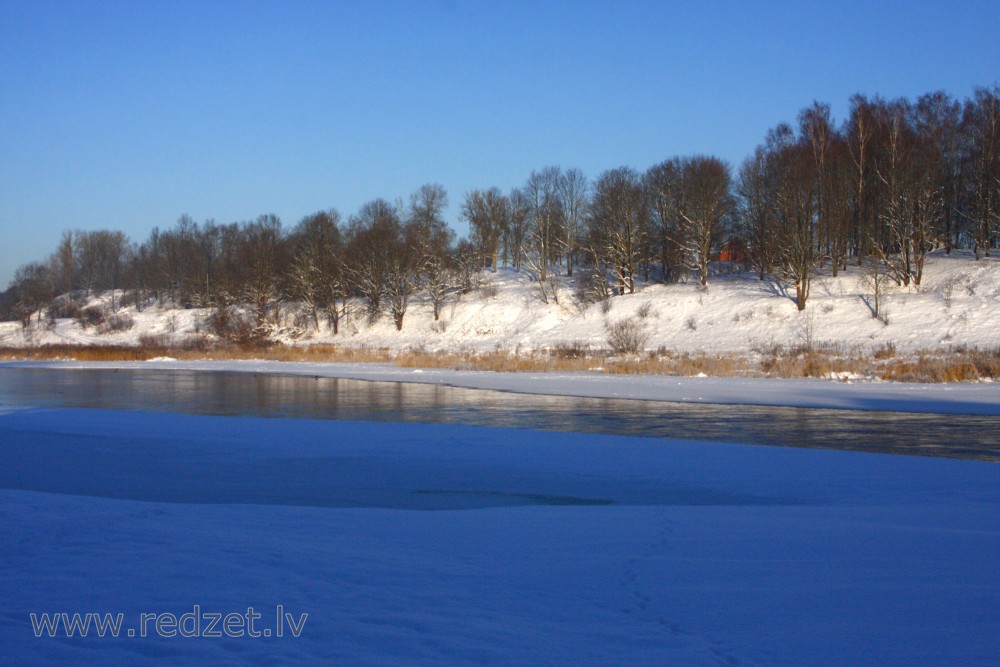













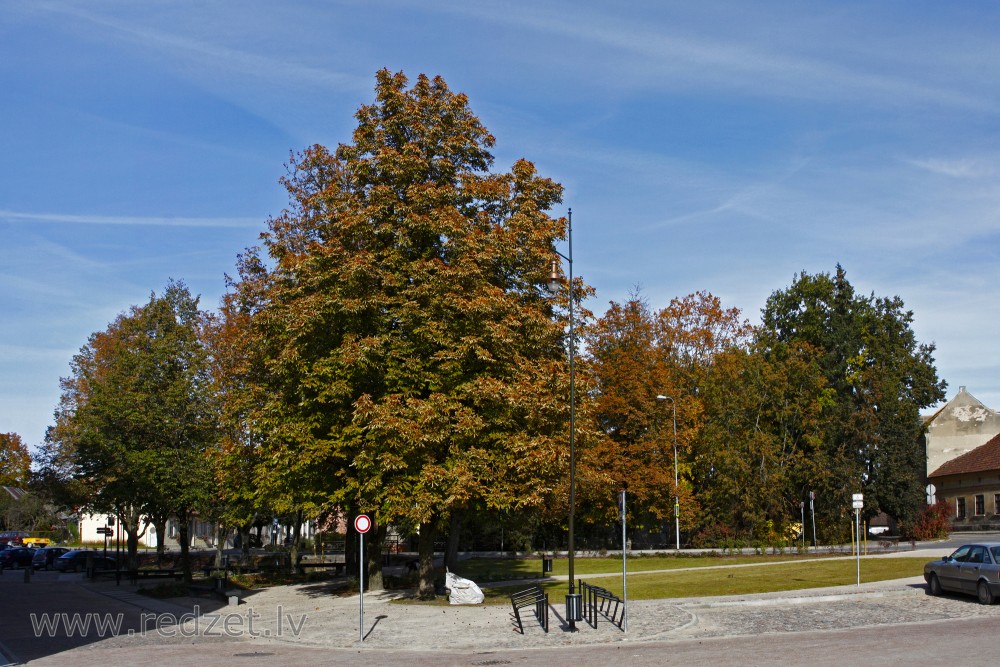
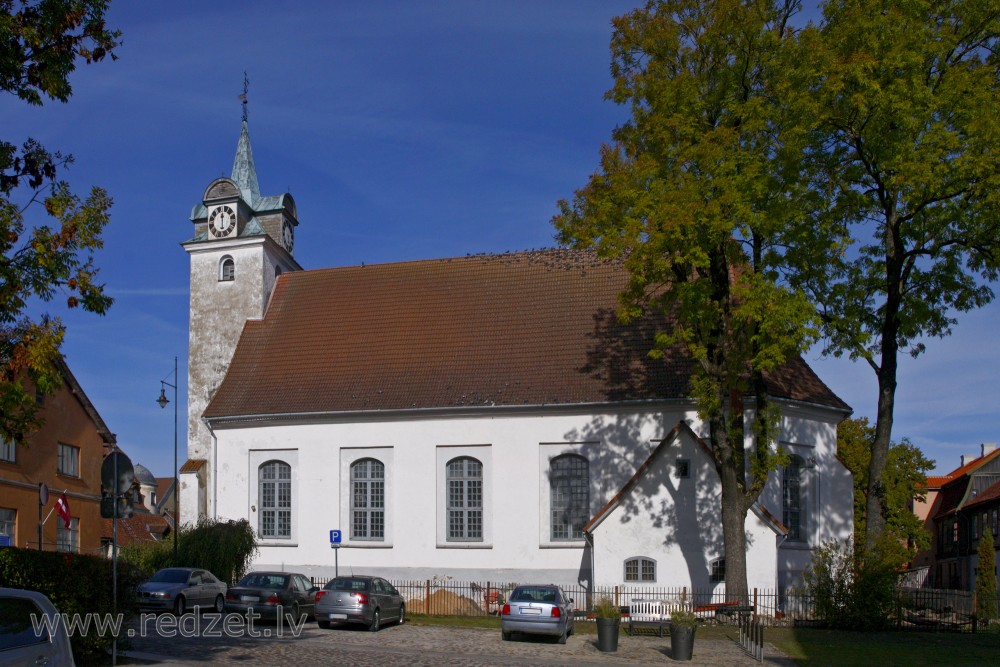
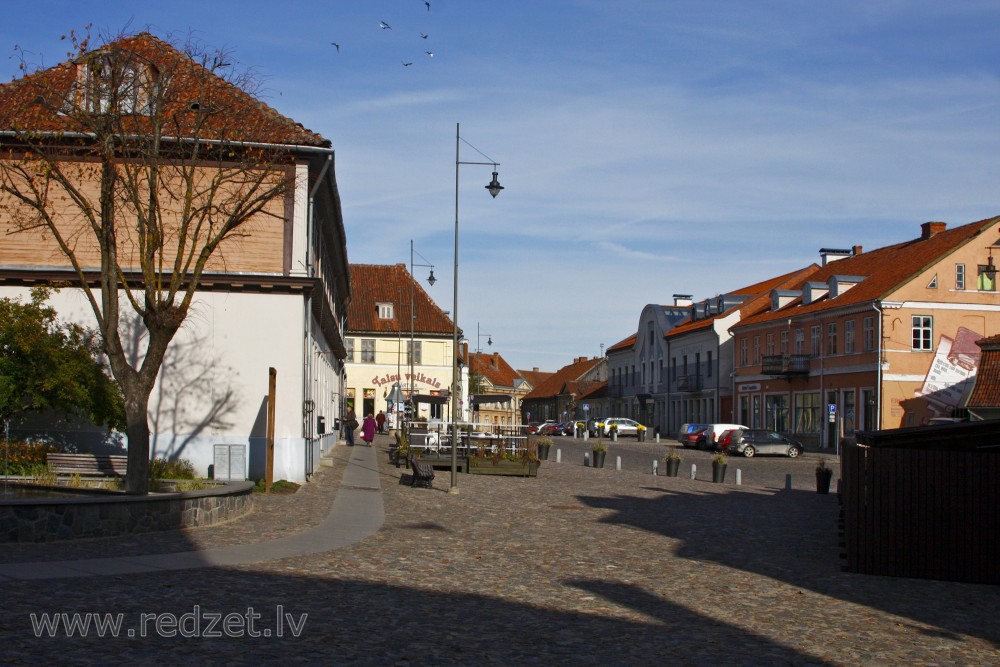
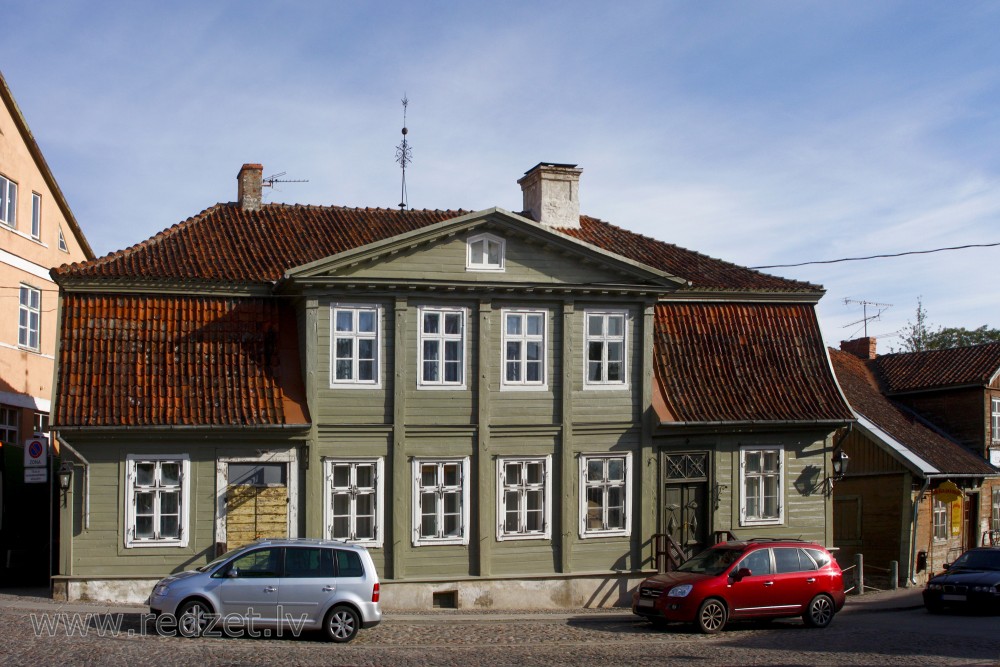















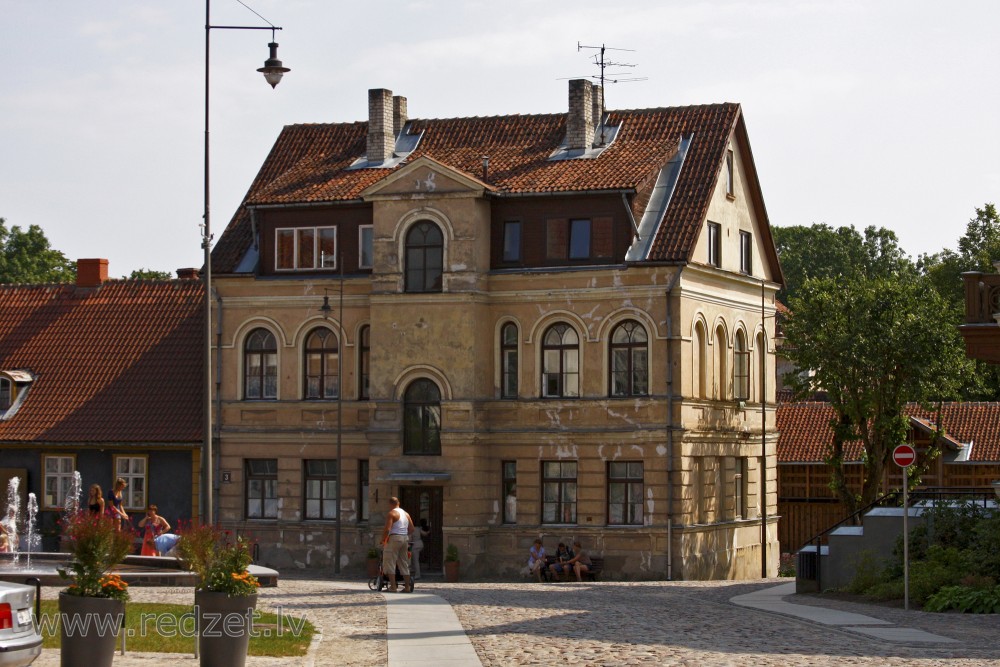
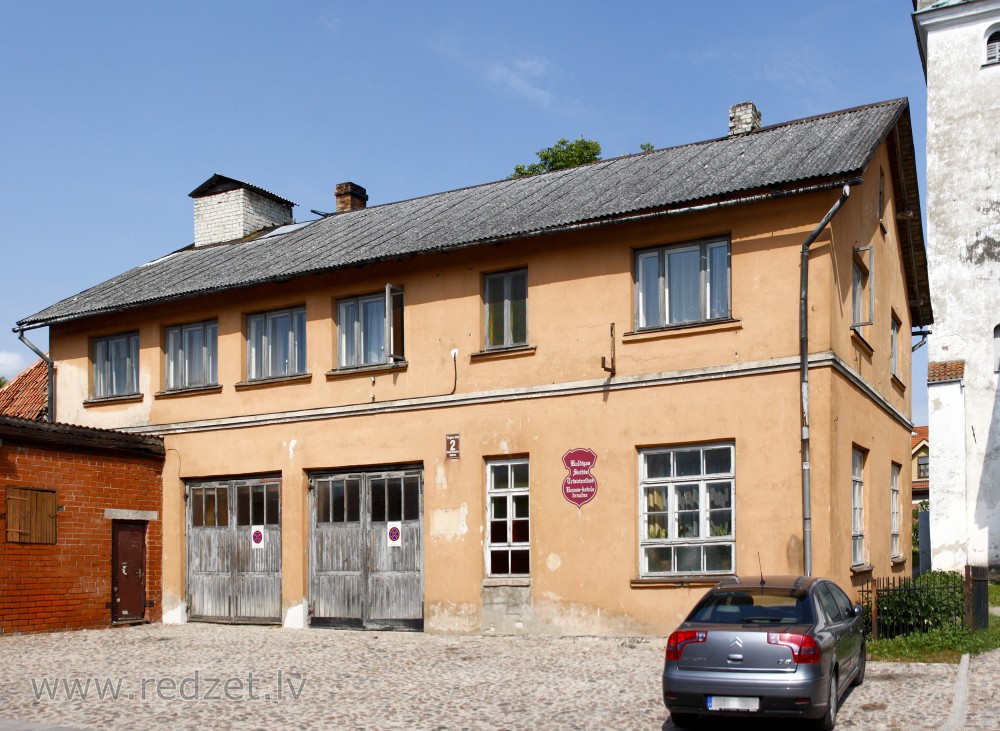


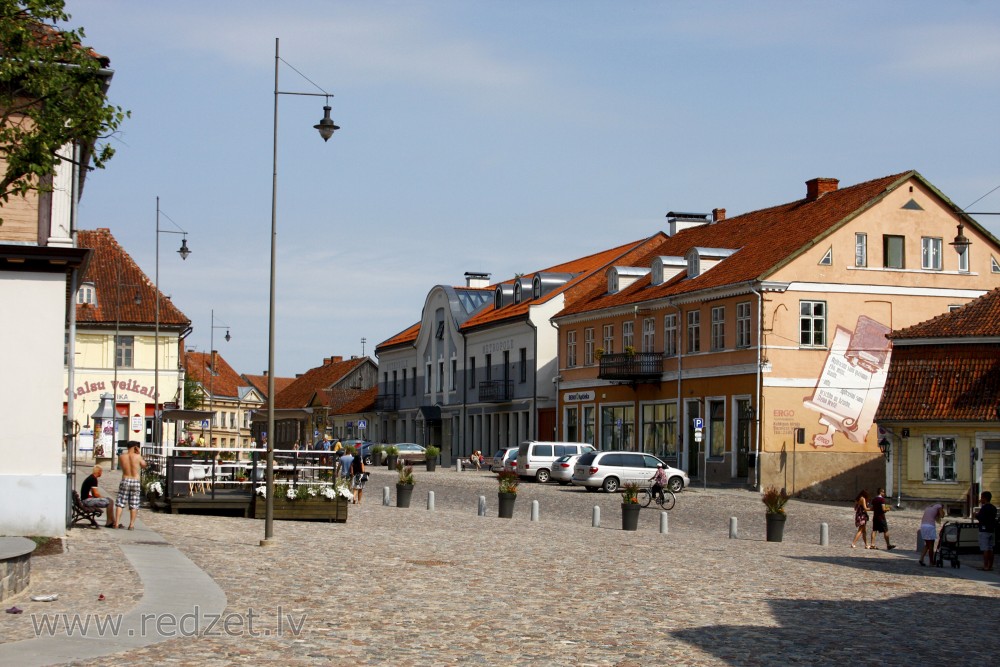

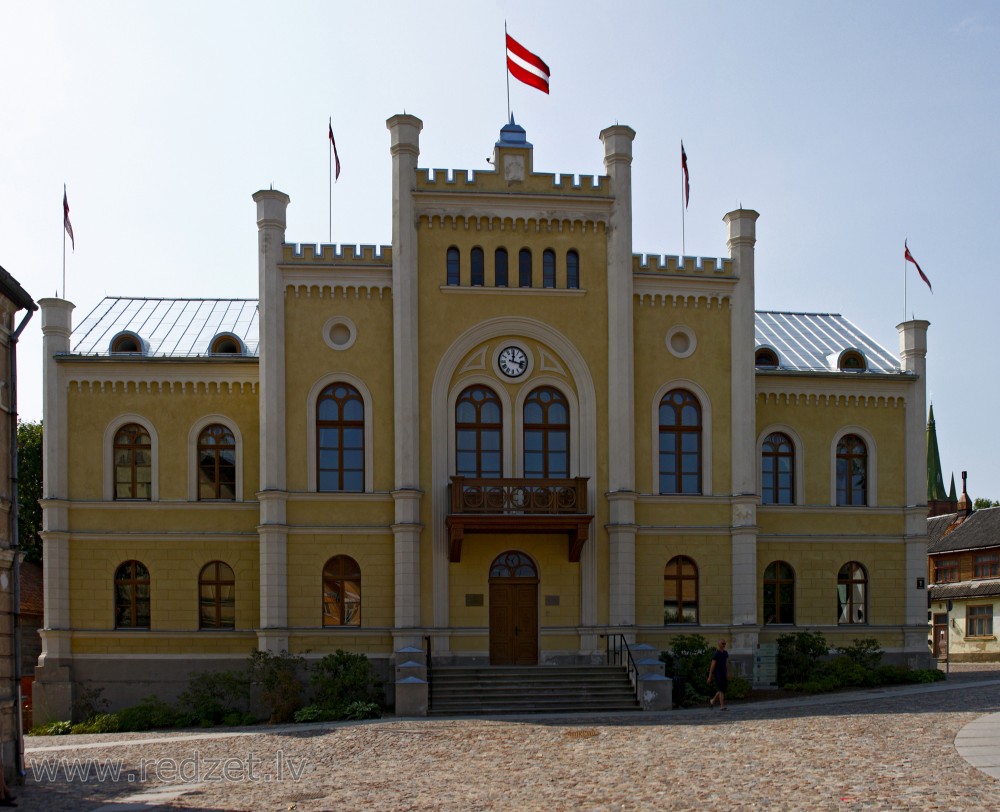


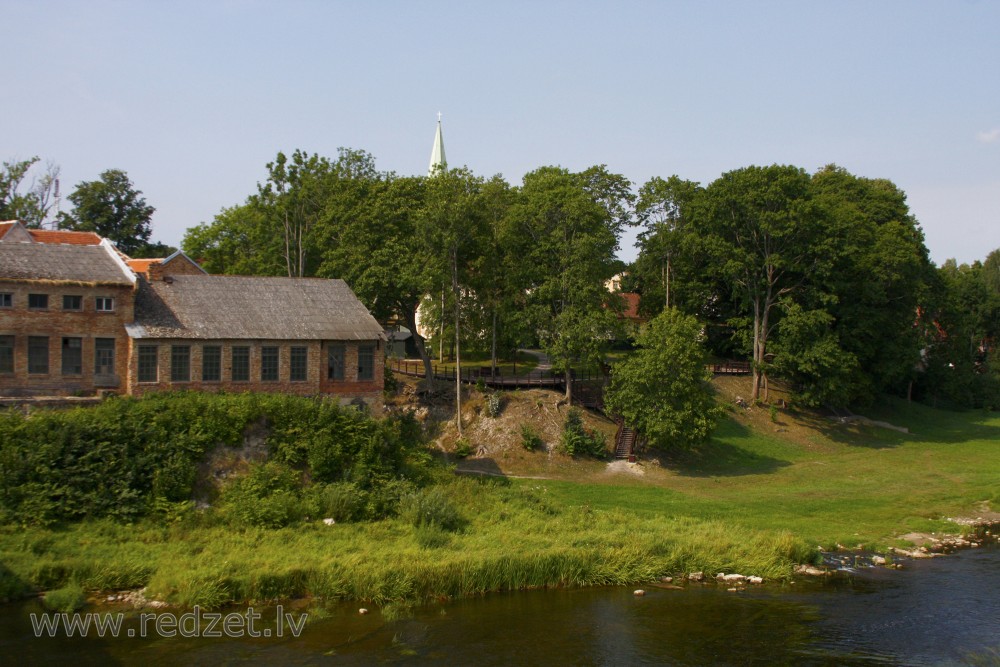


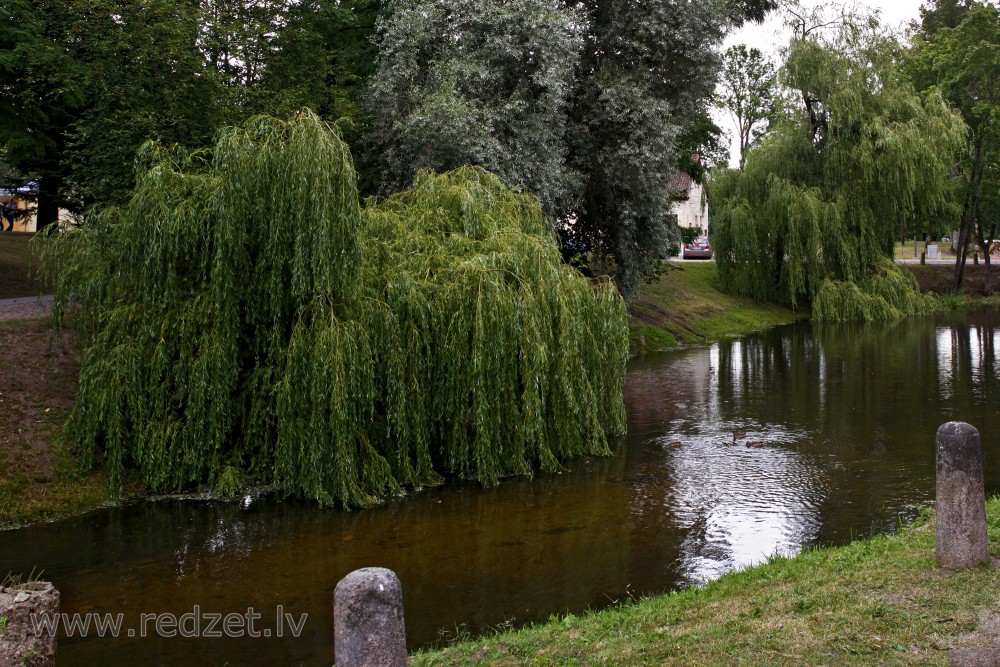
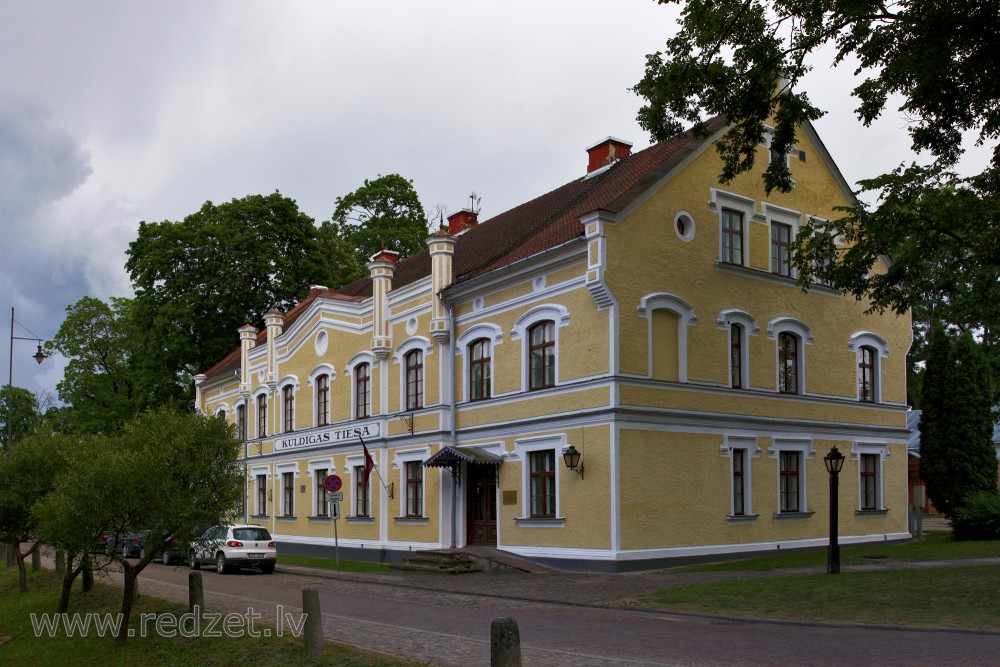






















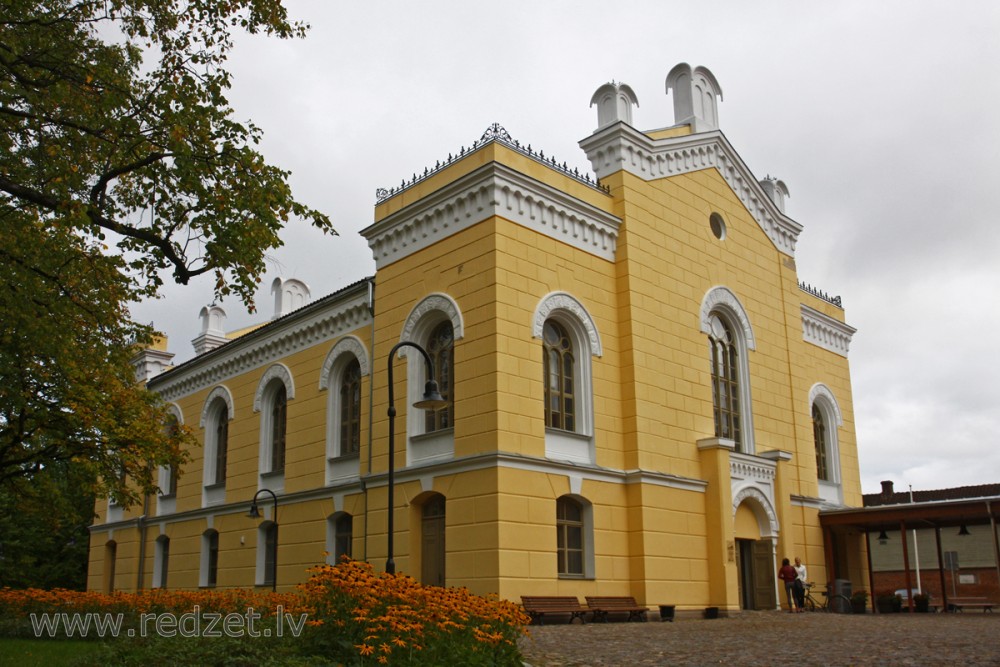

Kuldīga is one of Latvia’s best-preserved historic towns and an important cultural and tourist centre of Kurzeme. The town stands at the meeting point of the Venta River and the Alekšupīte stream, and its character is shaped by historic architecture, the river valley, waterfalls, bridges and quiet old-town streets. In 2023, the historic centre of Kuldīga was inscribed on the UNESCO World Heritage List.
History
The origins of Kuldīga date back to the 13th century. In the Middle Ages, the town developed around the Venta and Alekšupīte rivers, while Kuldīga Castle became an important administrative and military centre of the Livonian Order. The castle was built on the left bank of the Venta between 1242 and 1245.
After the establishment of the Duchy of Courland and Semigallia in 1561, Kuldīga became the main residence and administrative centre of Duke Gotthard Kettler. During the 16th–18th centuries, the town developed as an important centre of trade and crafts. This period had a lasting influence on the town’s architecture and street layout.
Kuldīga Castle was destroyed and abandoned during the Great Northern War. Stones from the ruins were later reused in town buildings, while a park was created on the castle site in the second half of the 19th century. Archaeological remains of the castle have survived to the present day.
Old Town and architecture
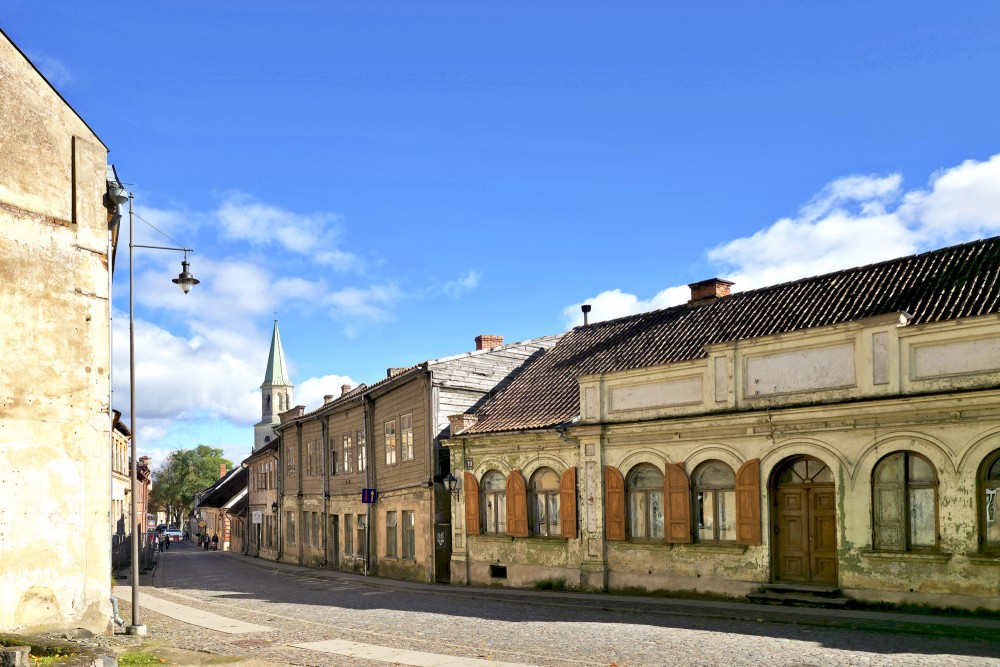
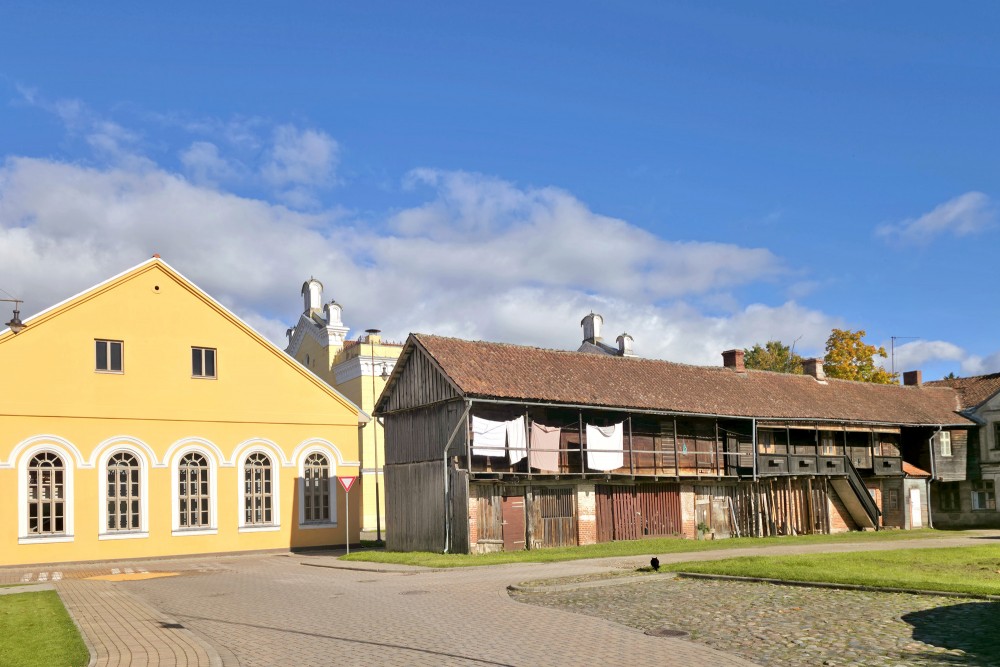
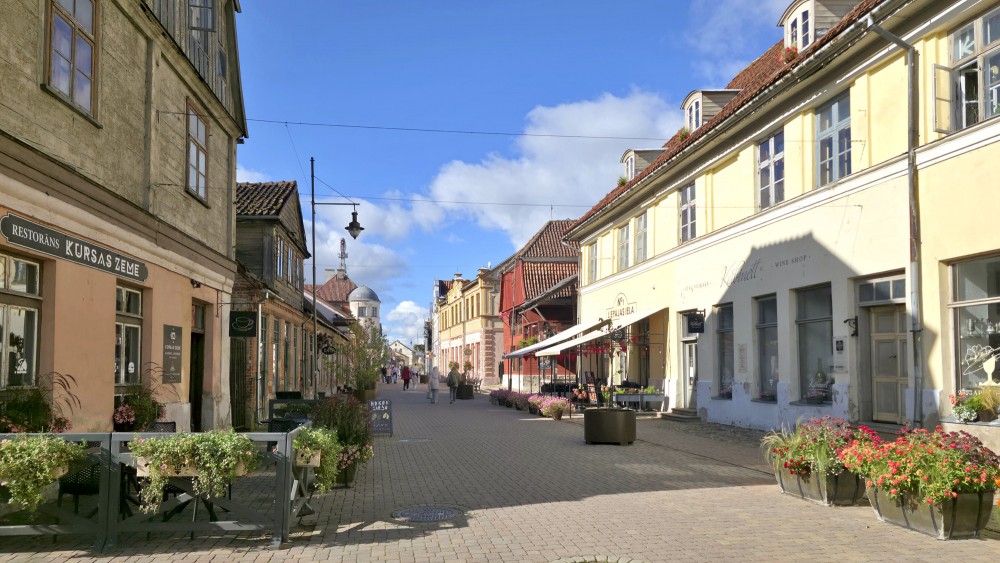
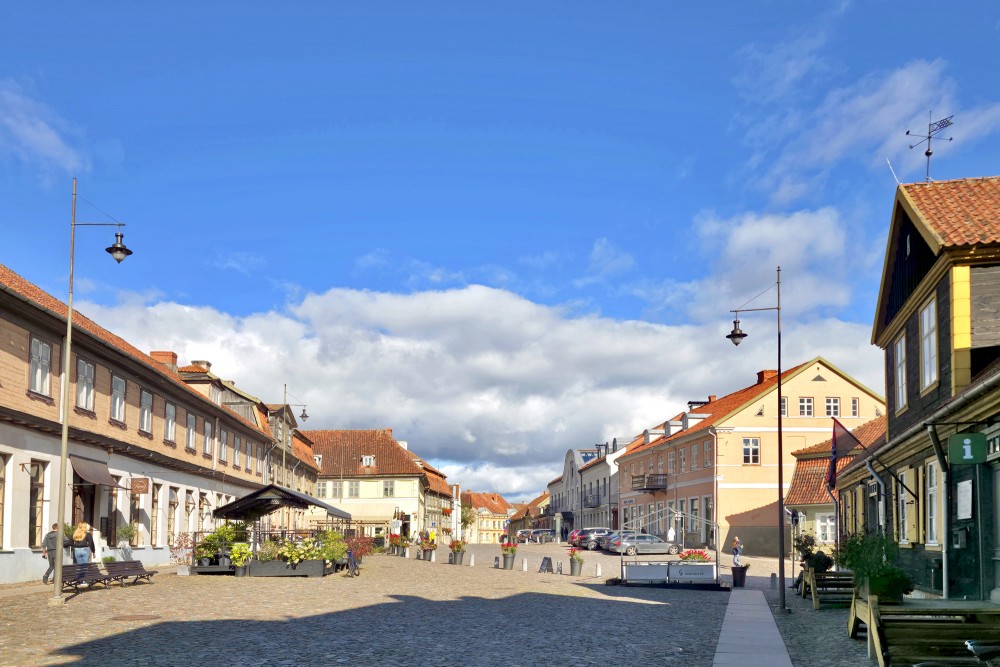
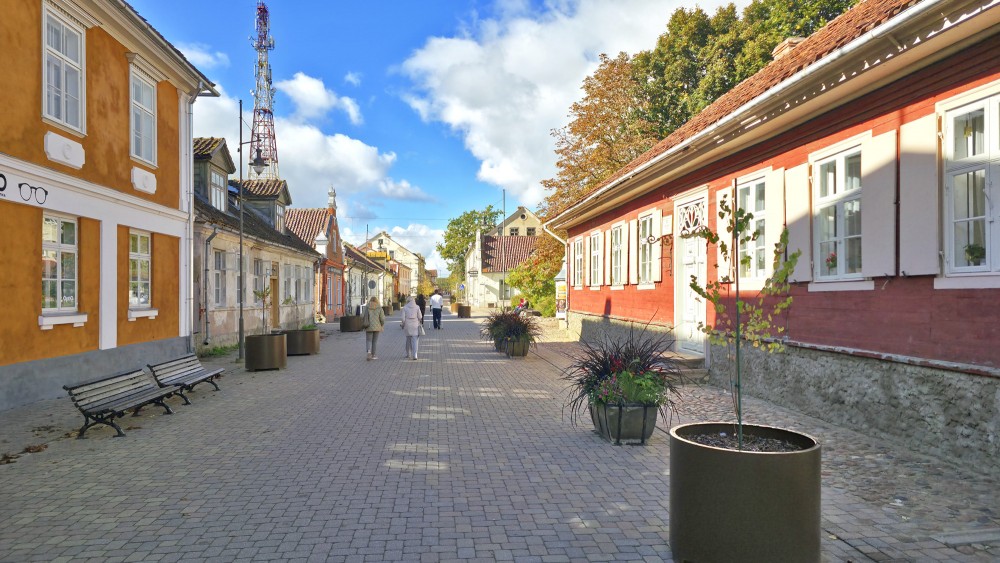
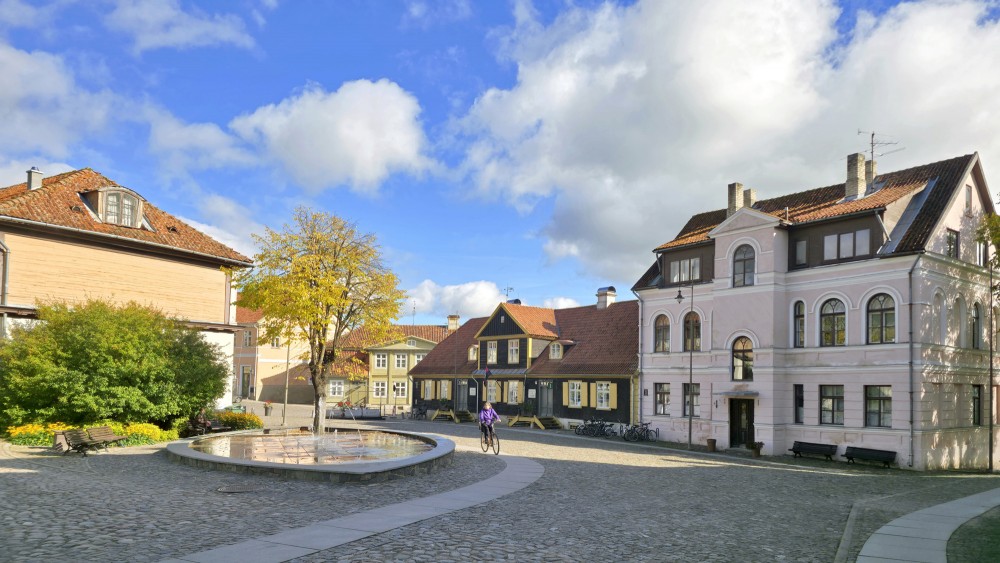
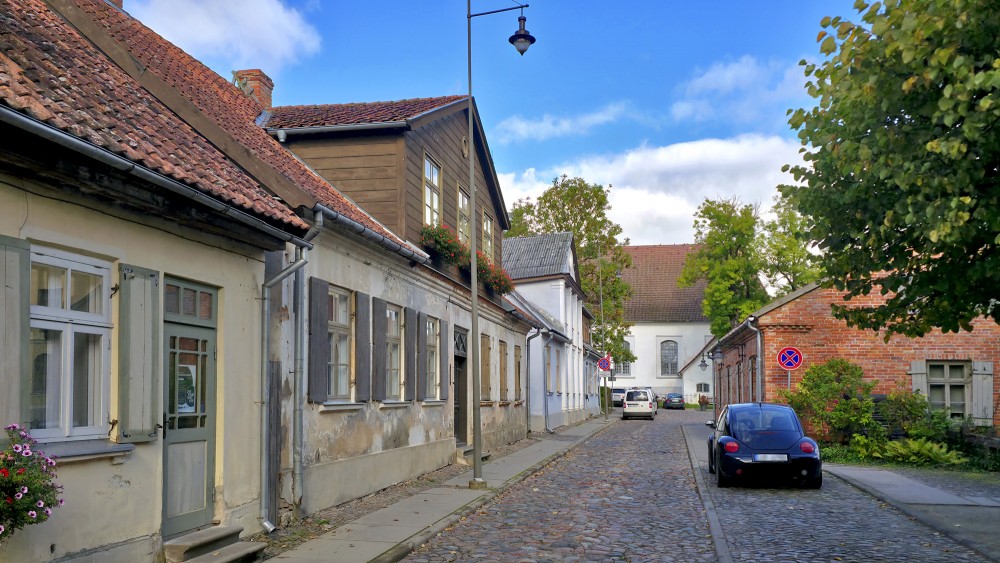
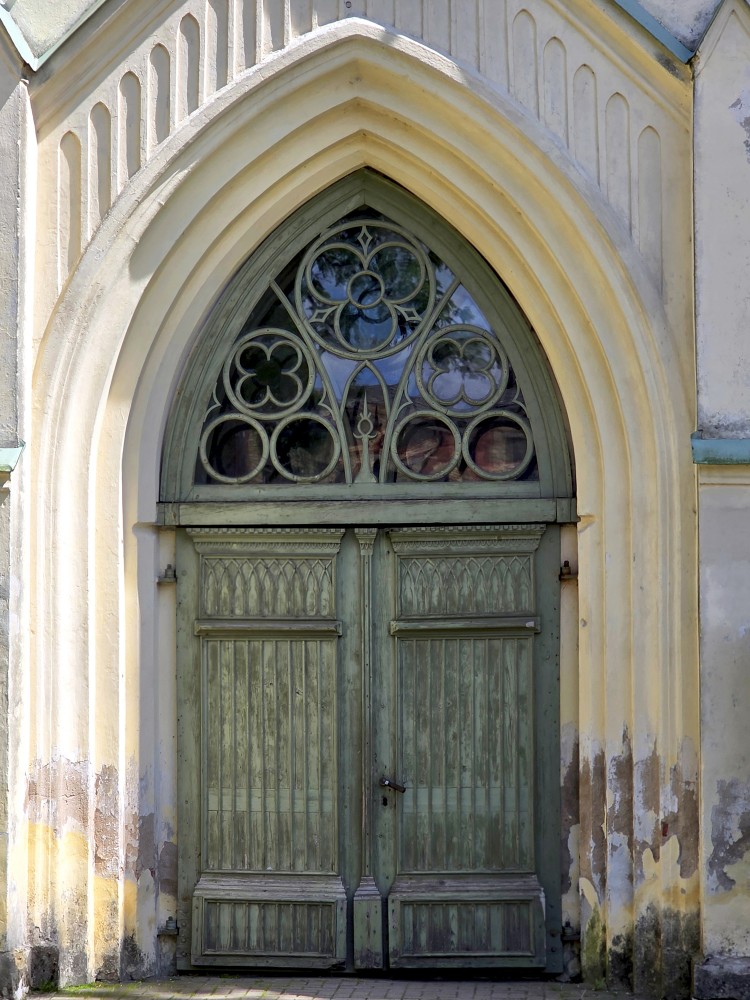
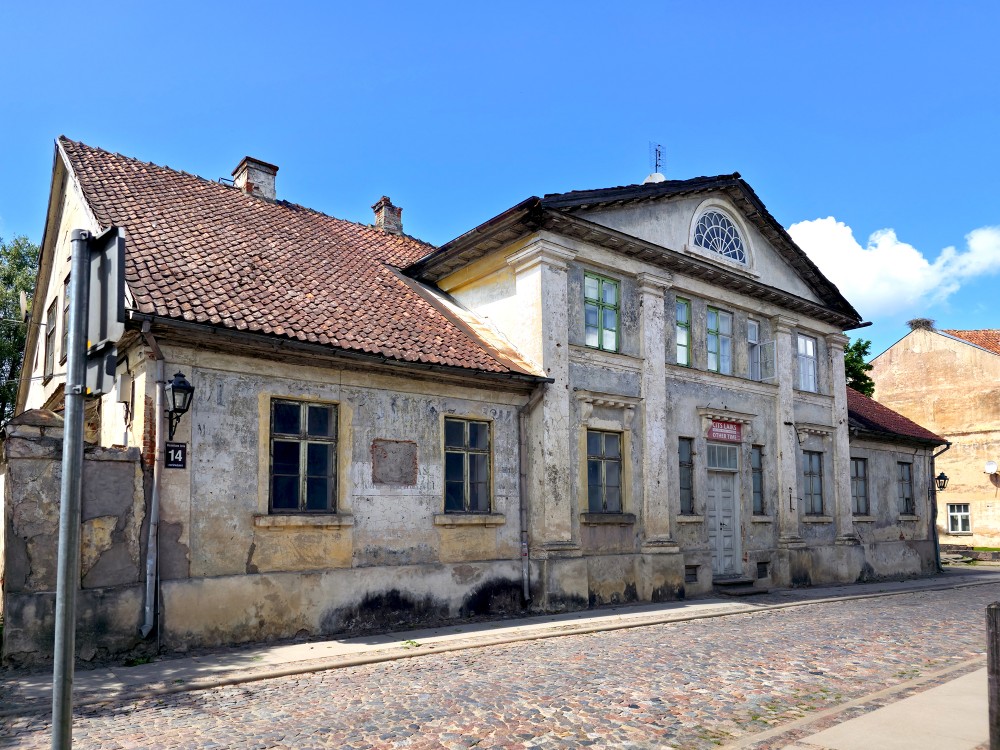
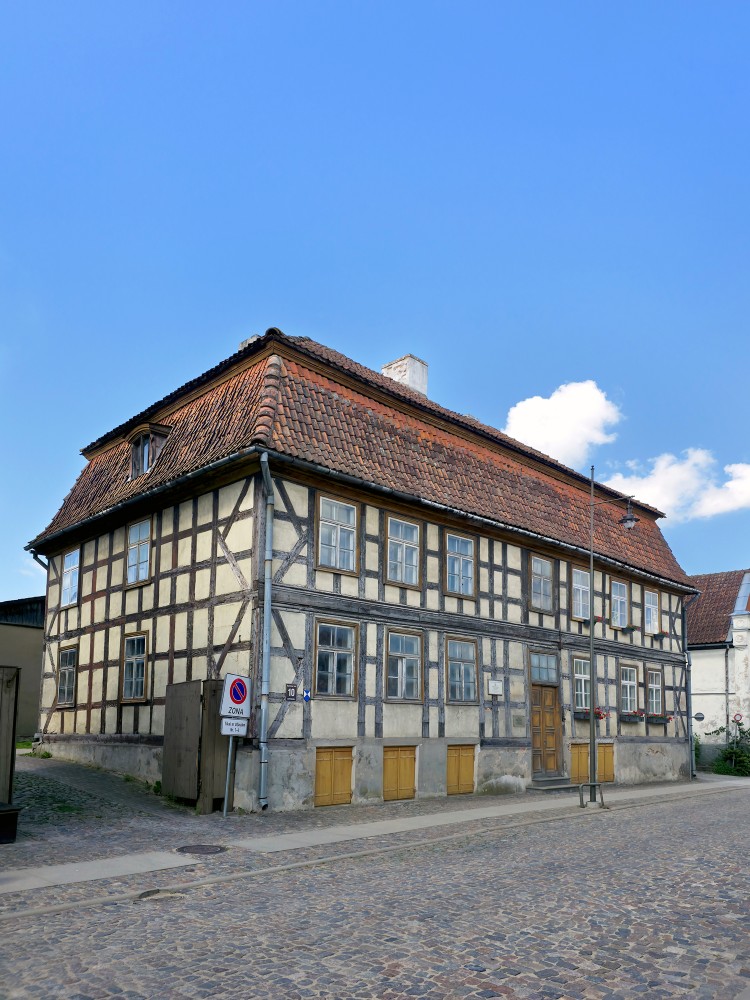
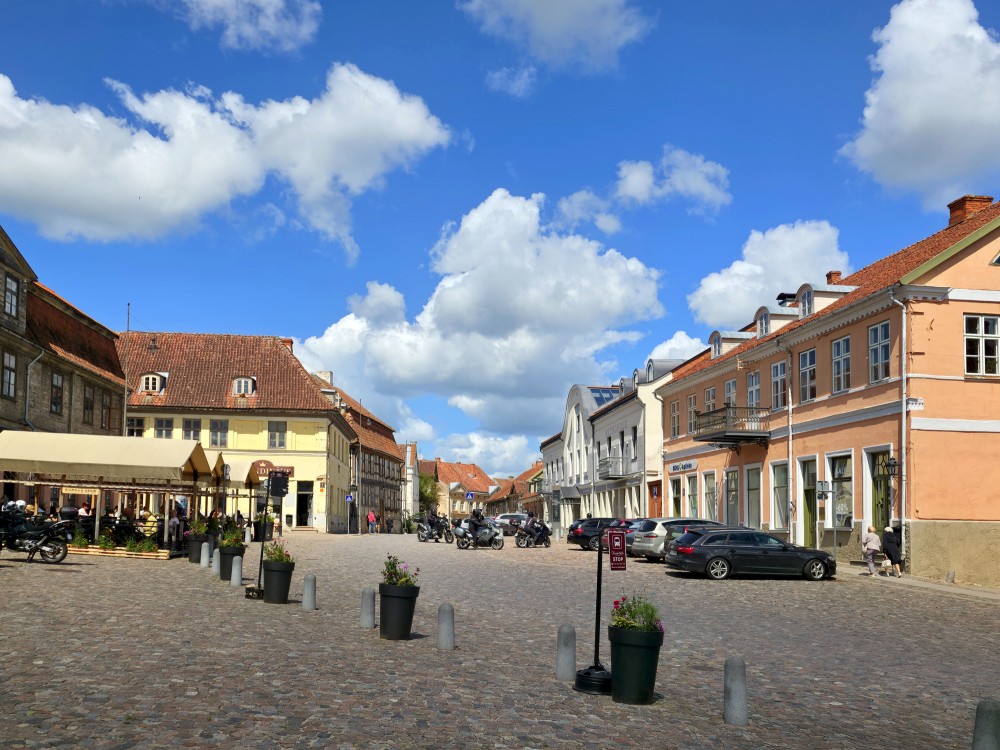
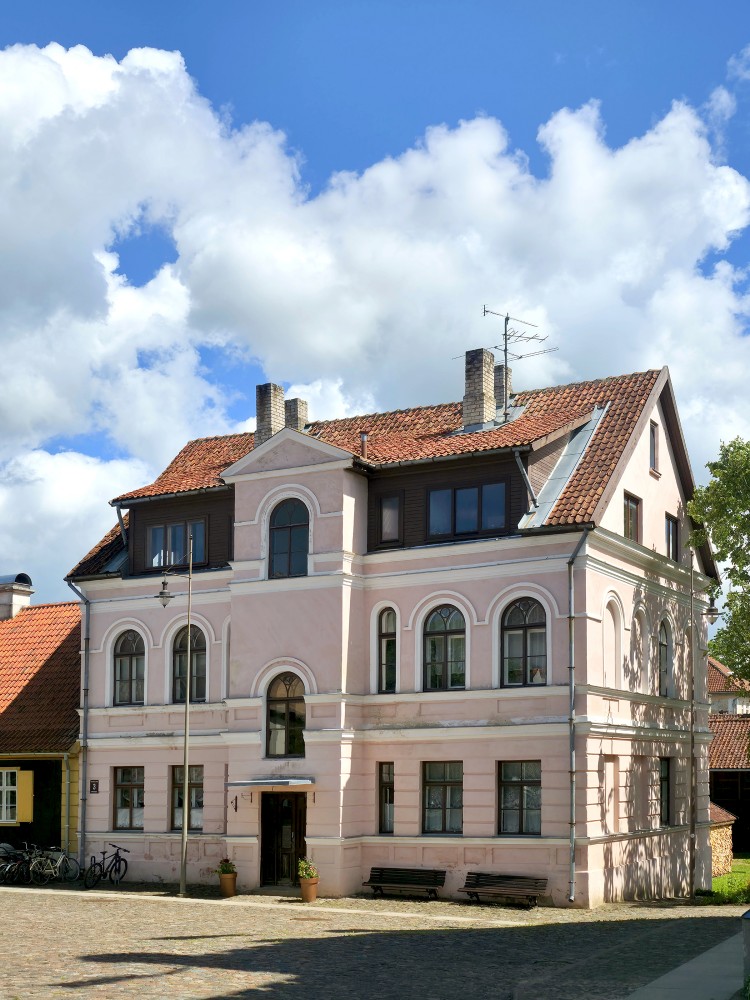
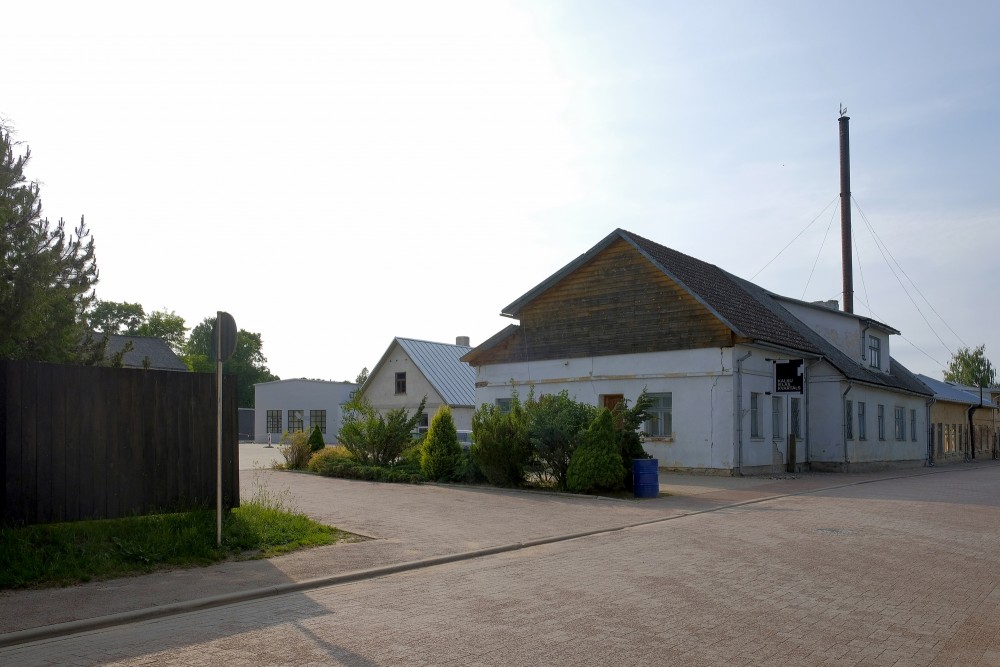
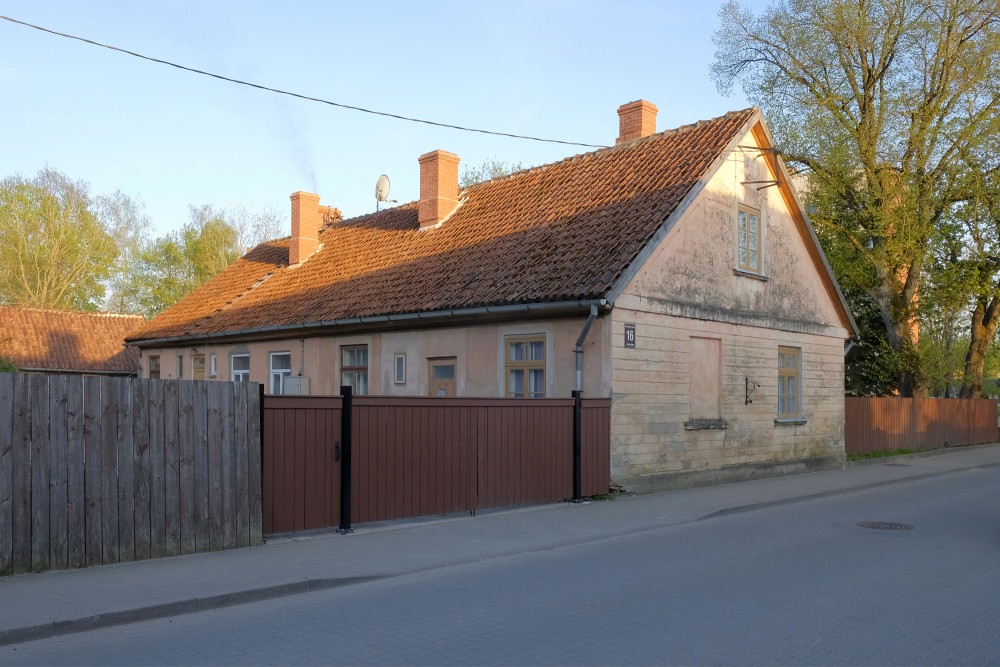
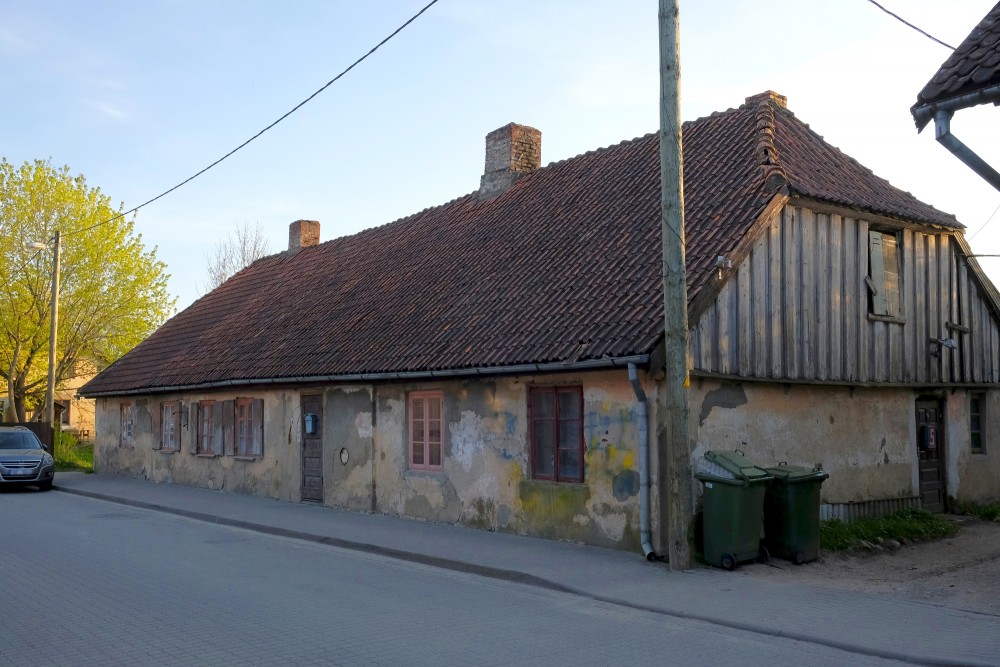
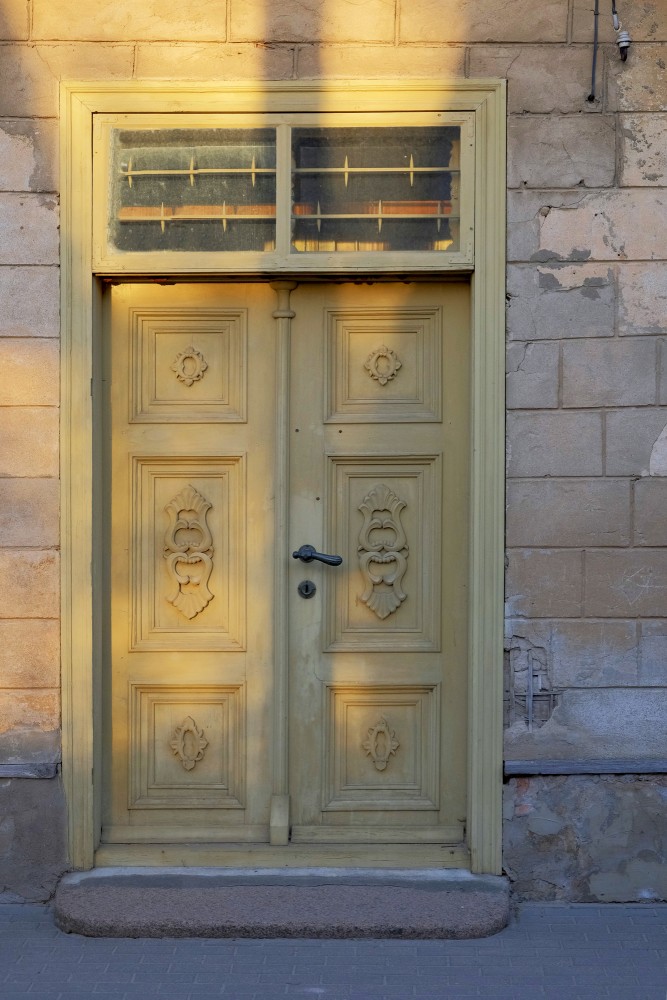
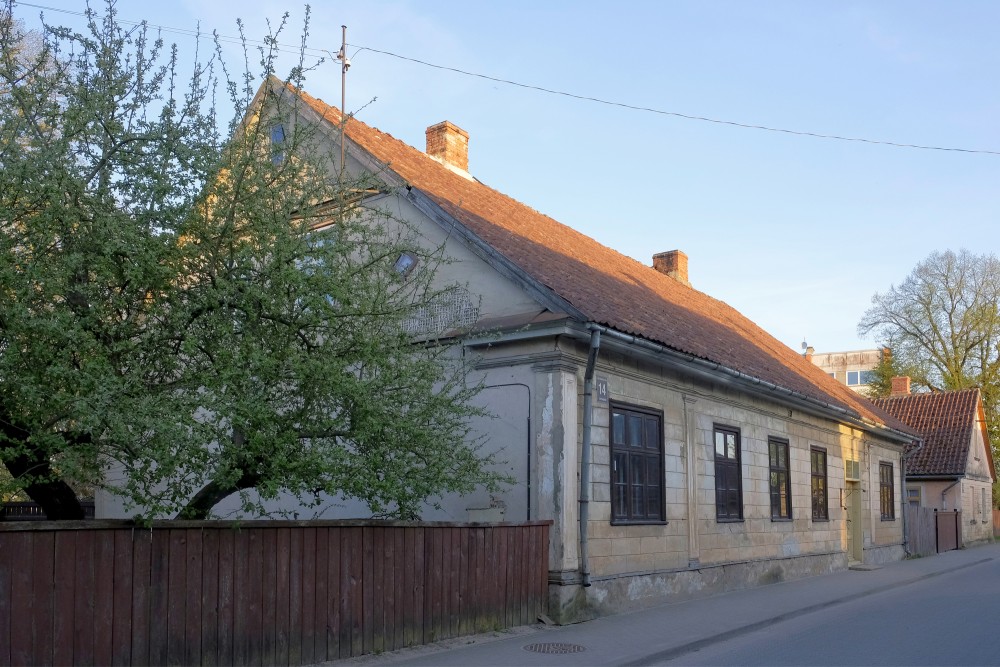
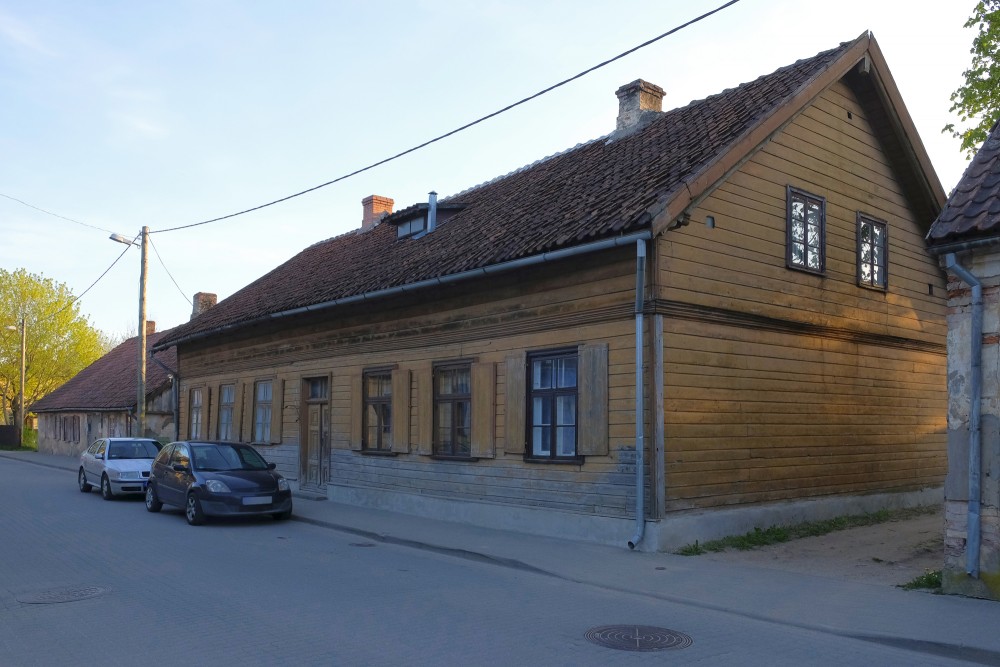
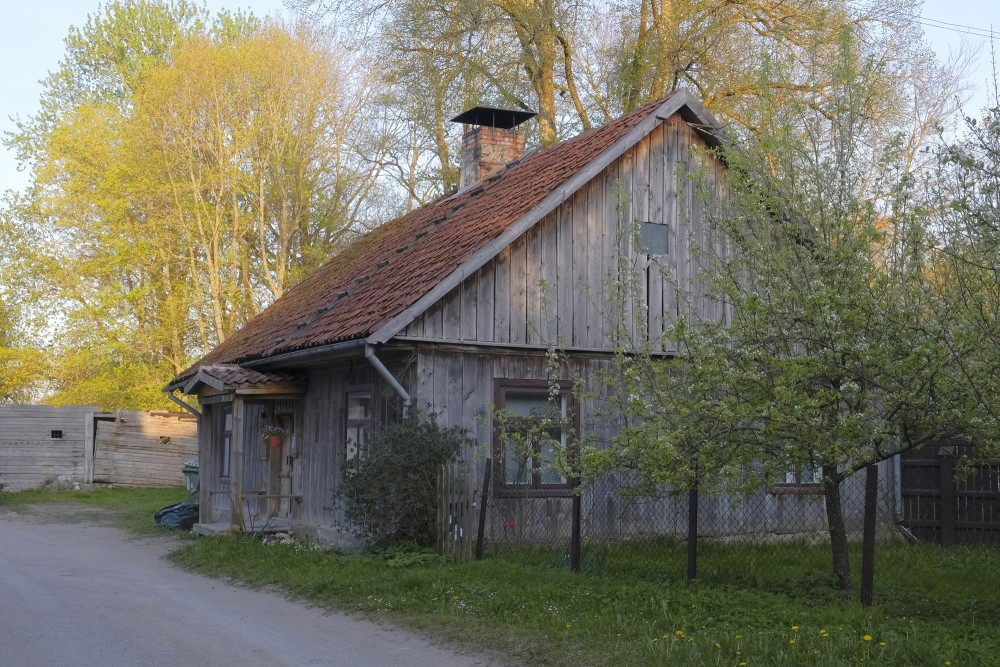
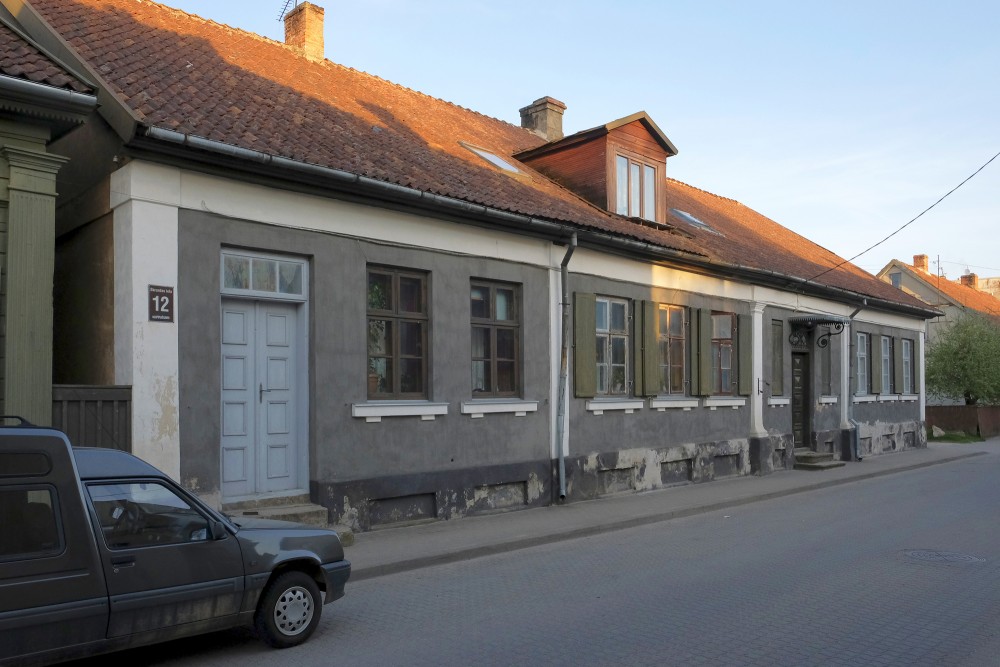
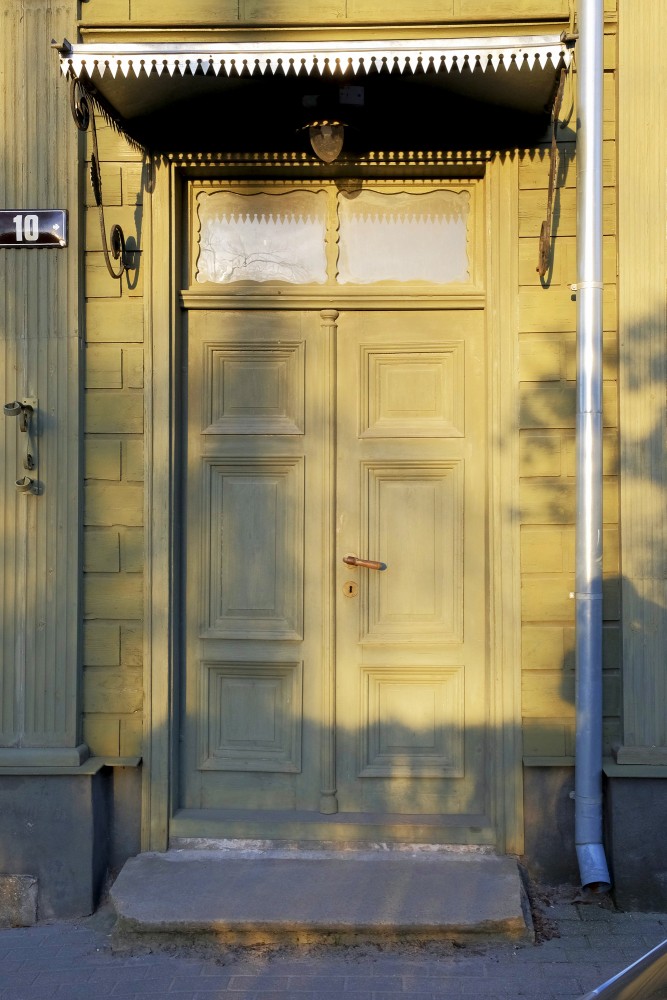
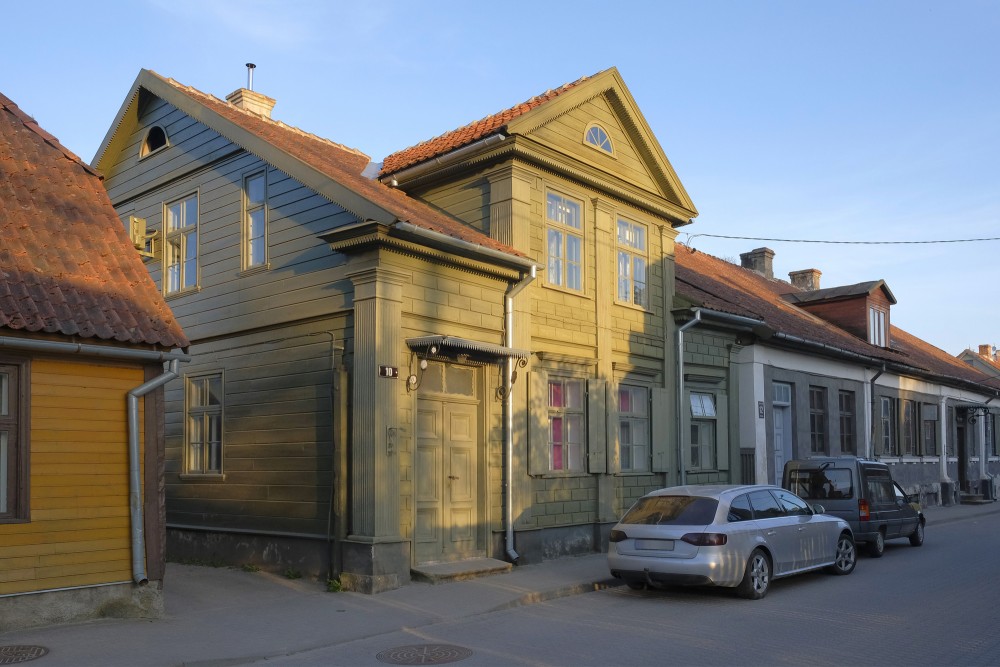
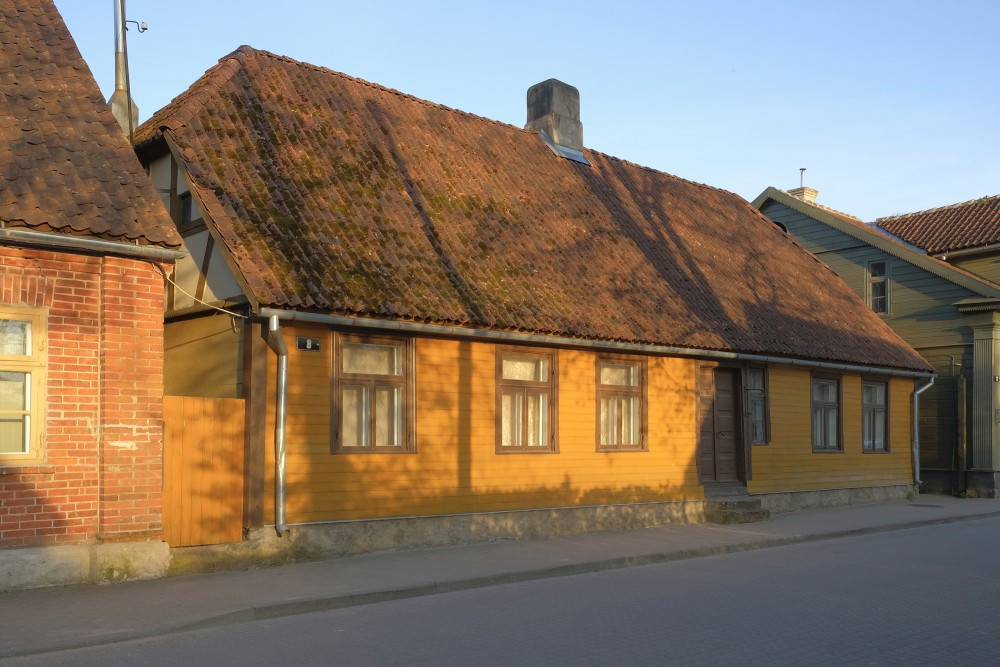
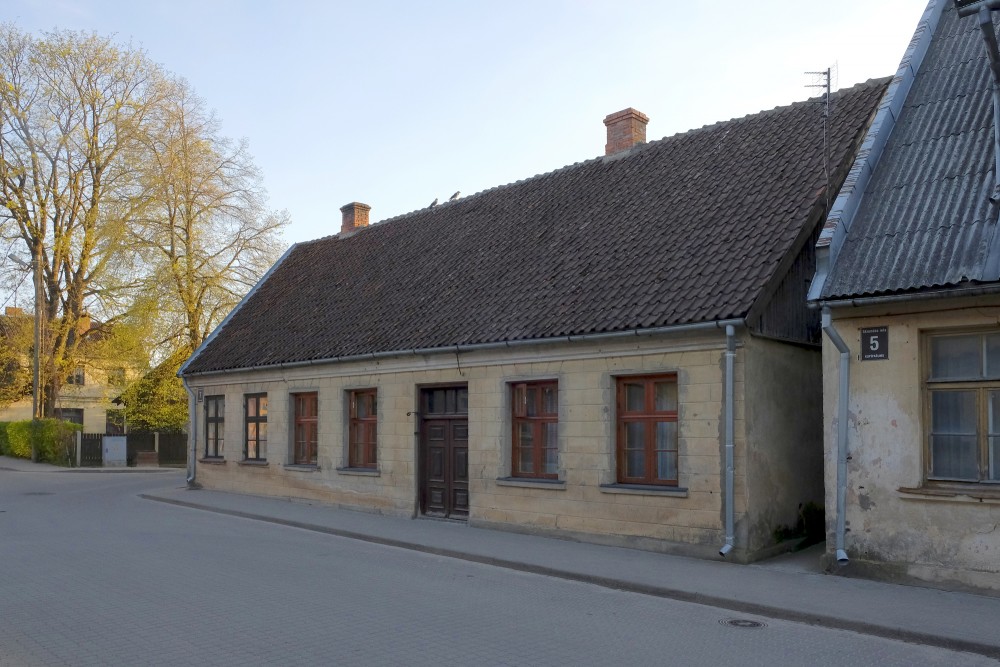
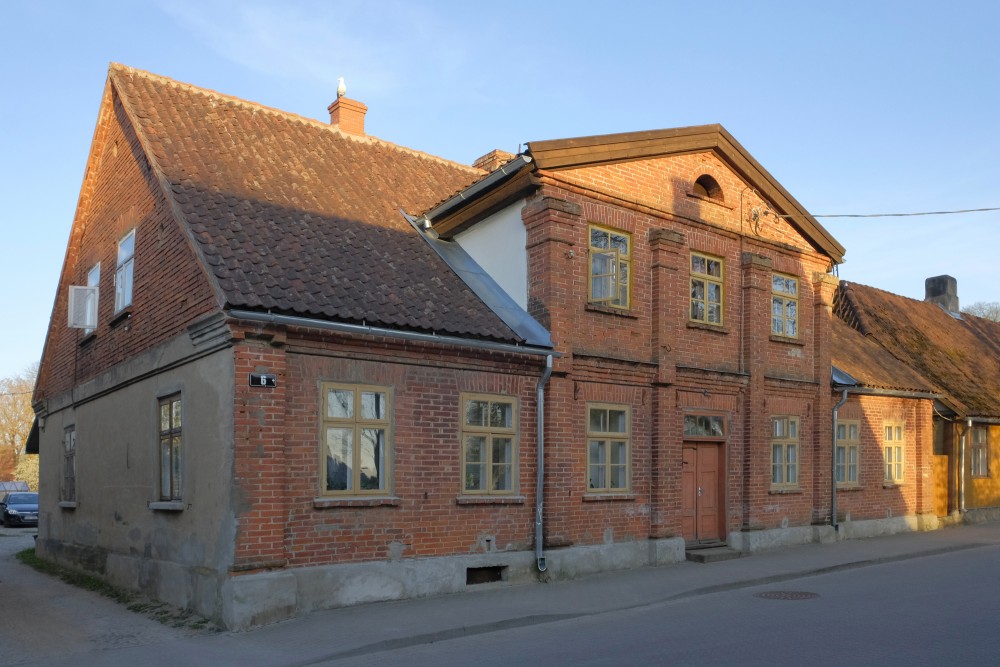
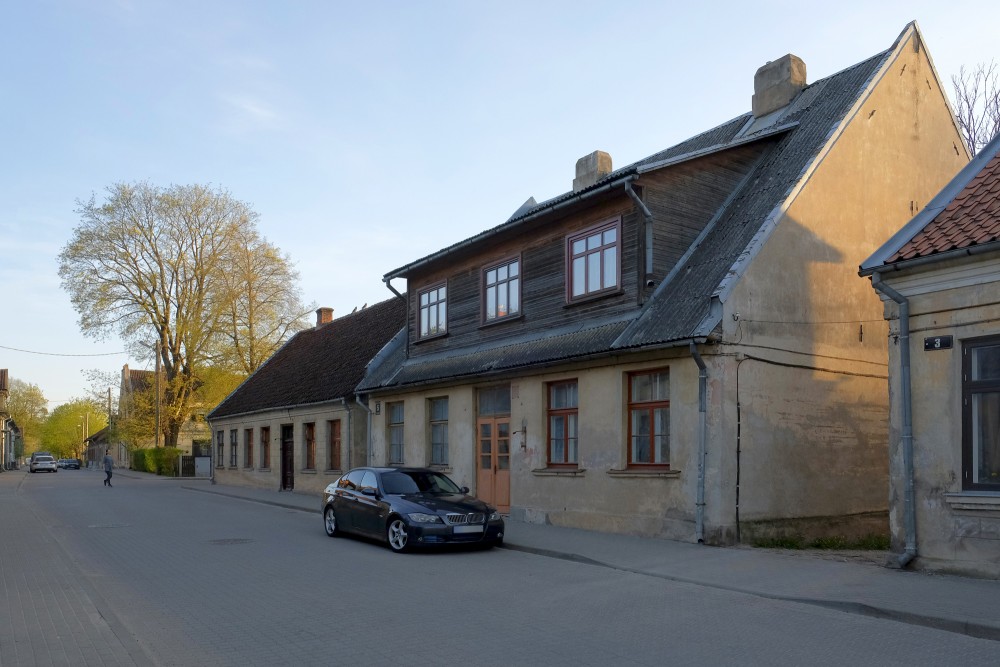
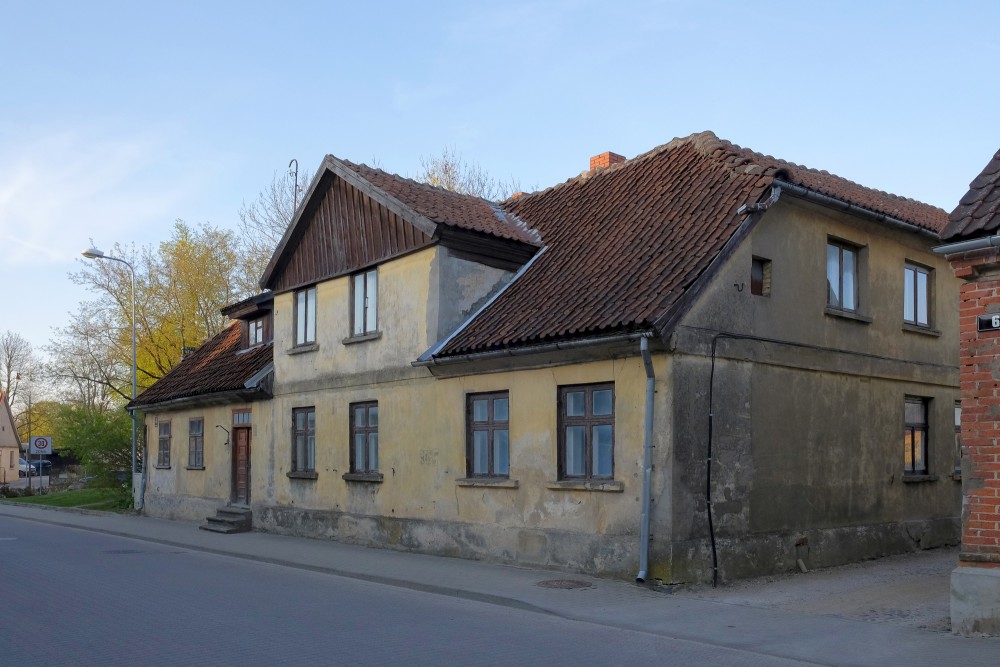
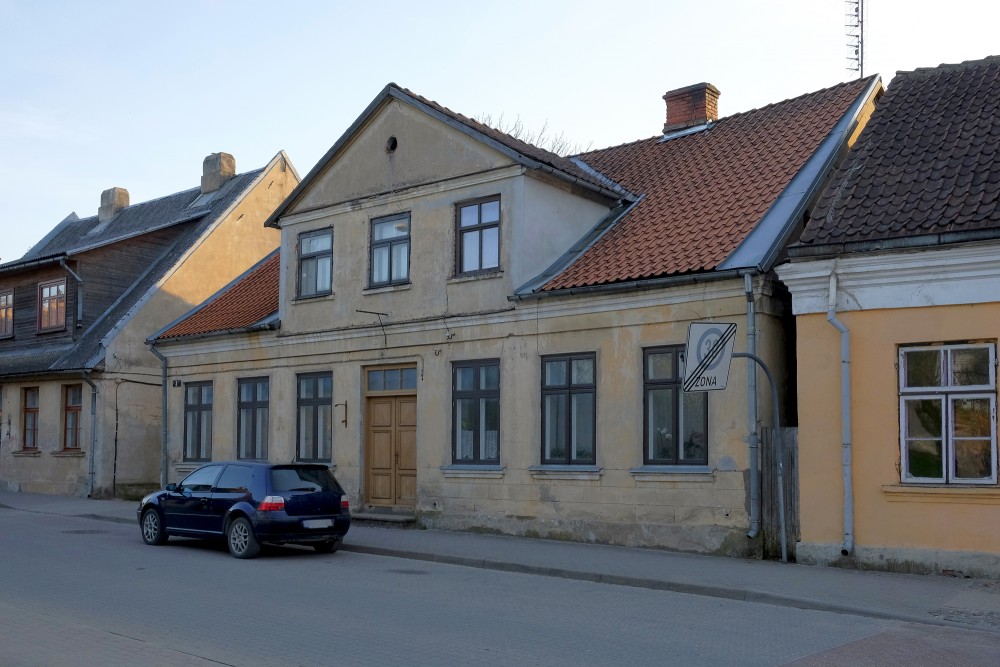
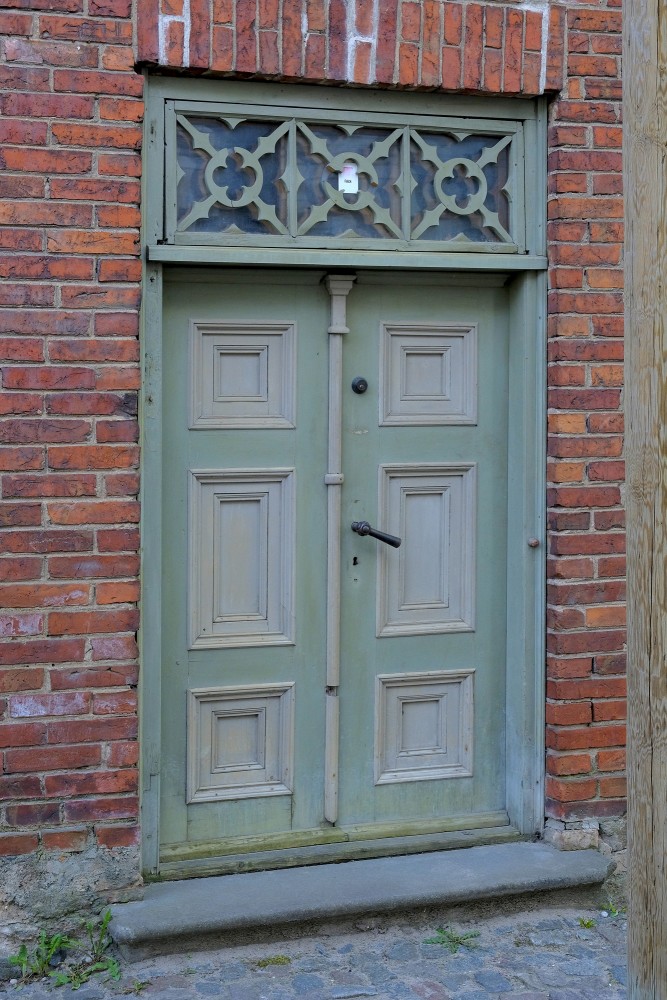
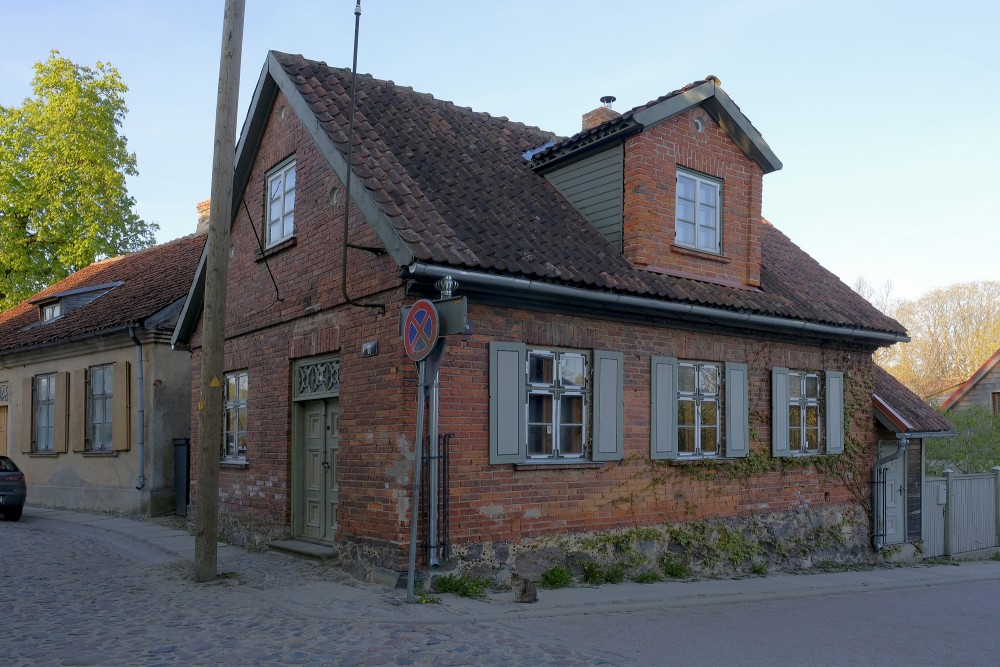
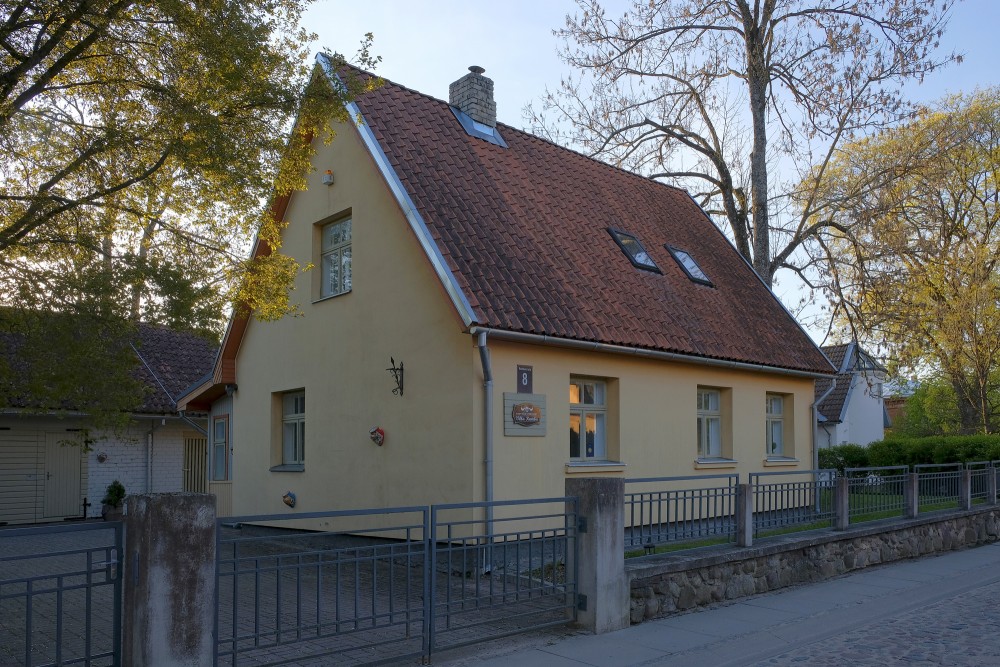
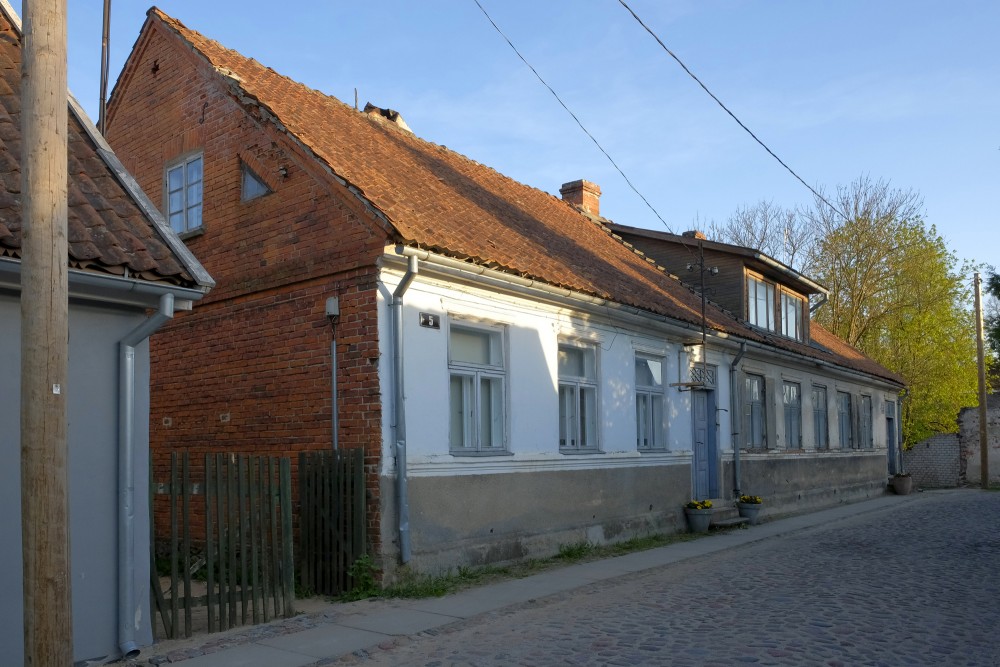
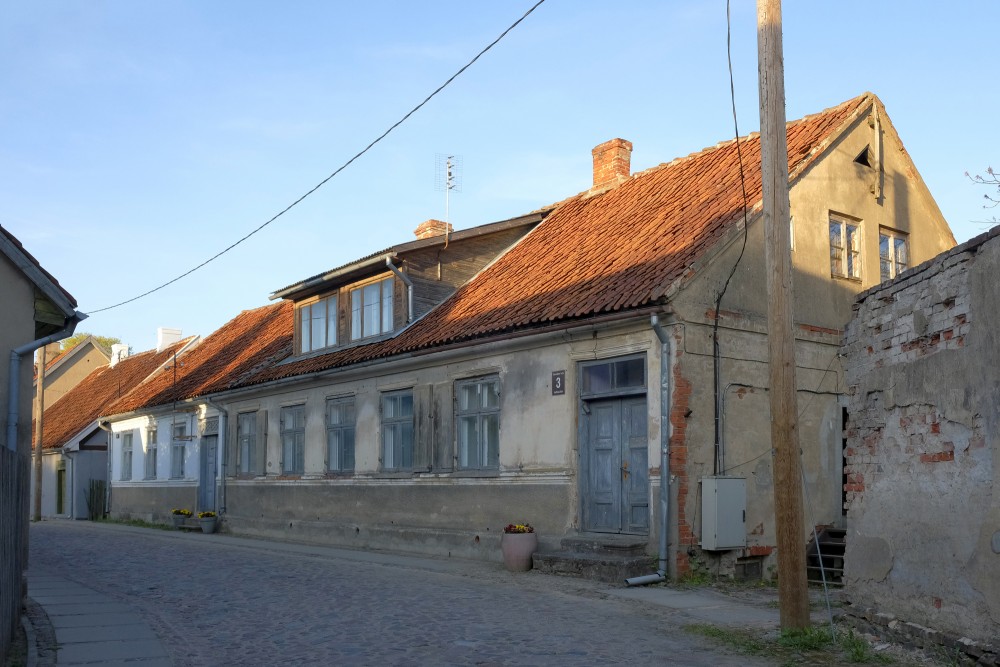
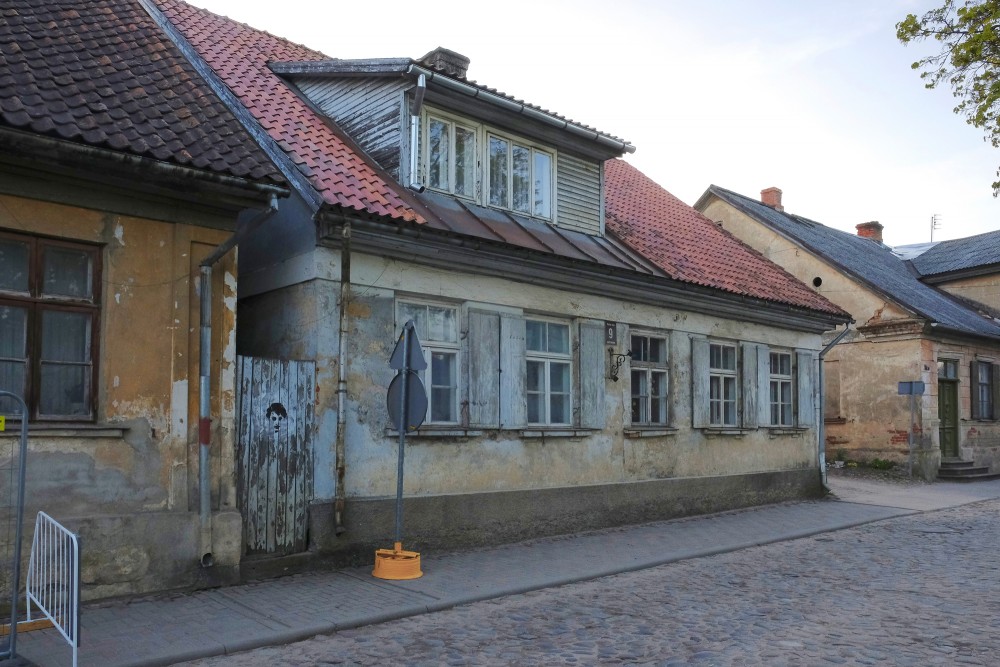
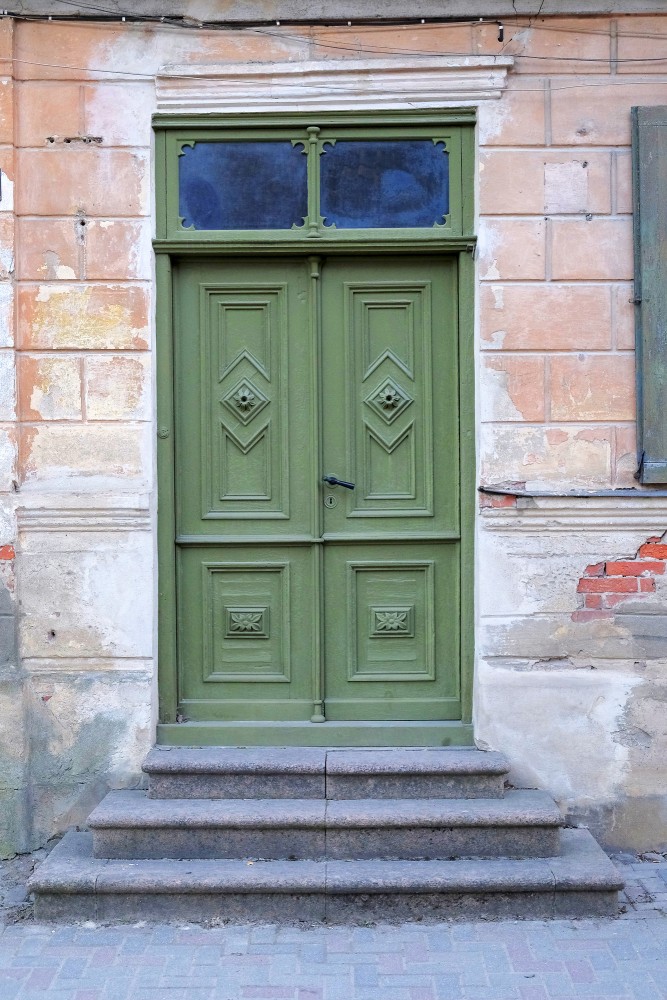
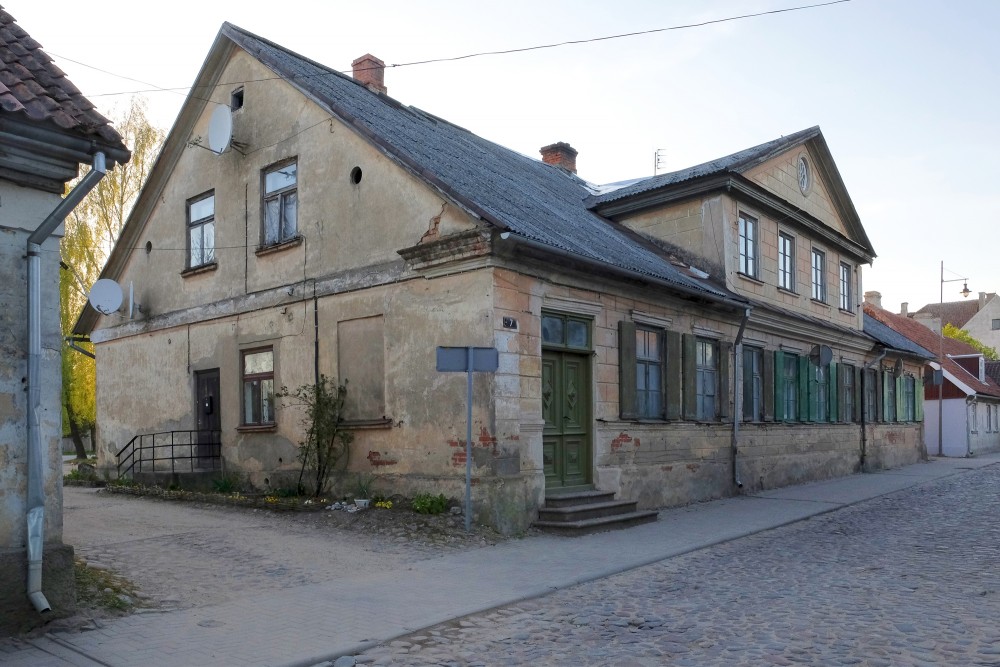
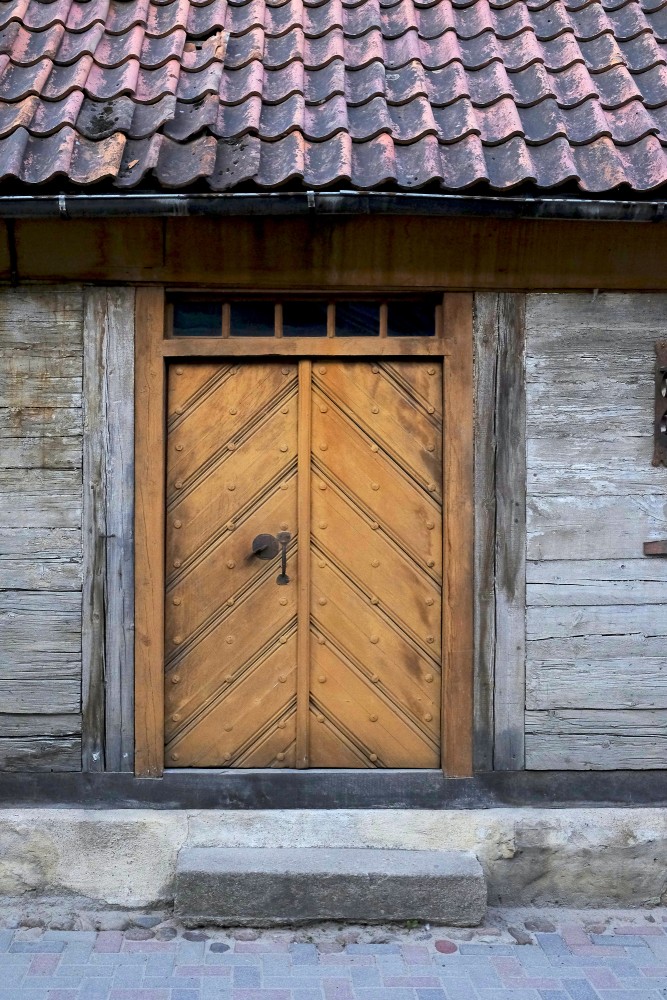
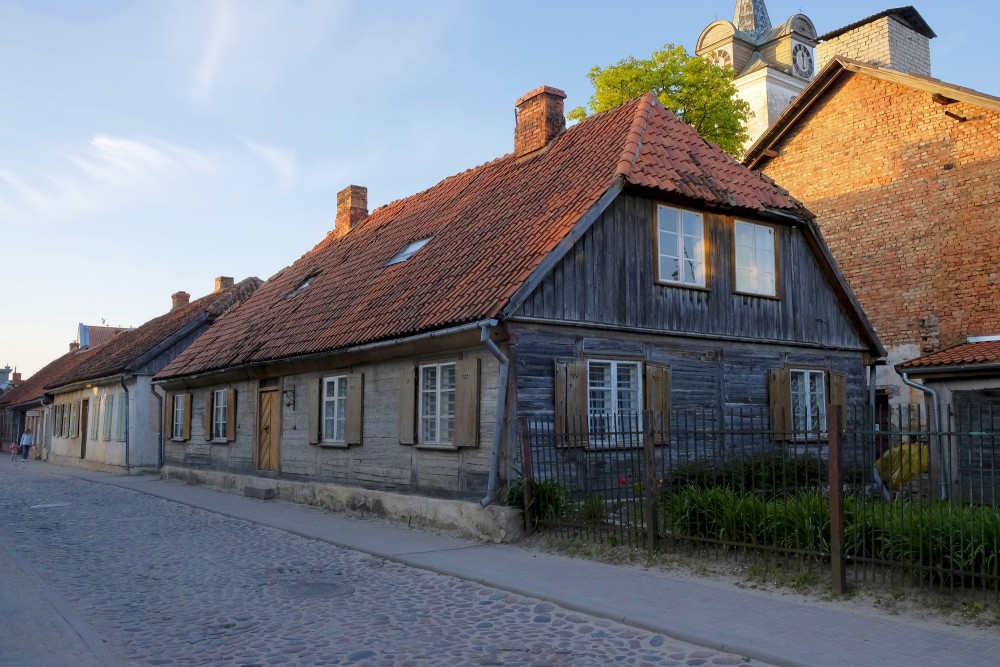
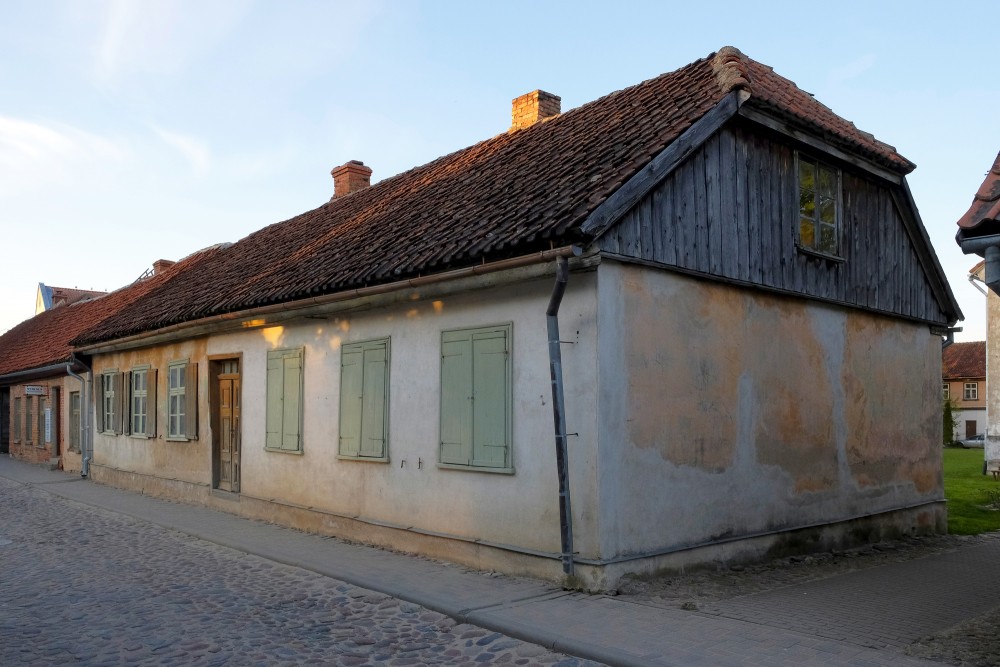
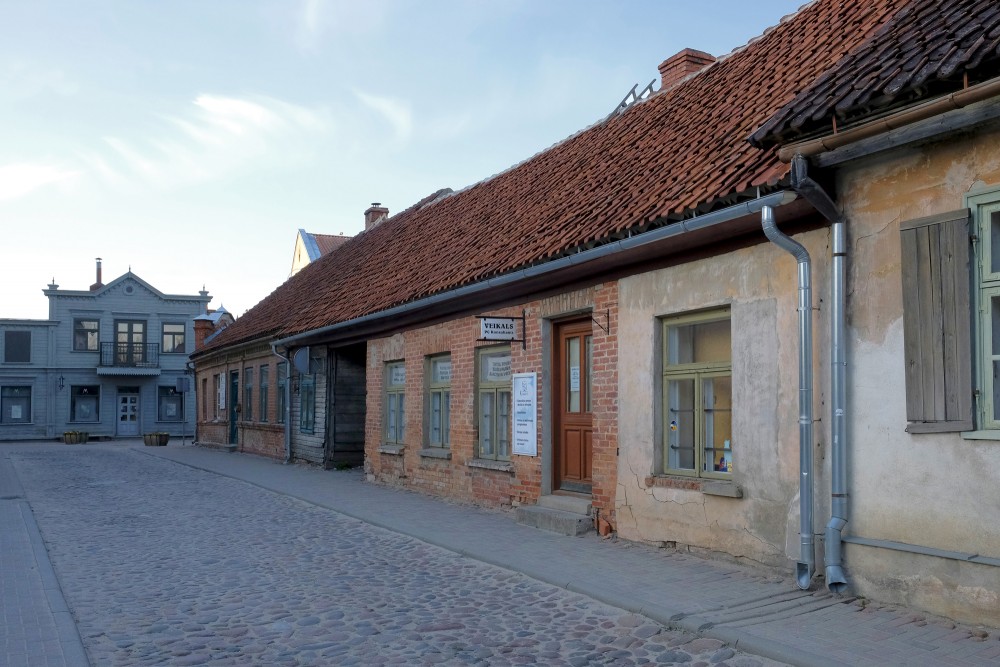
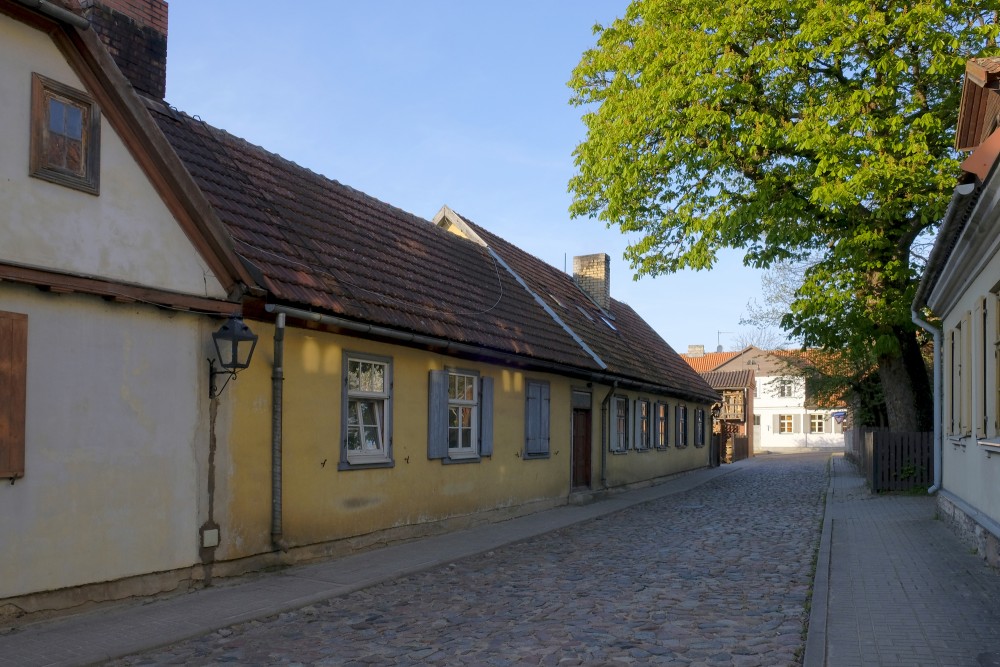
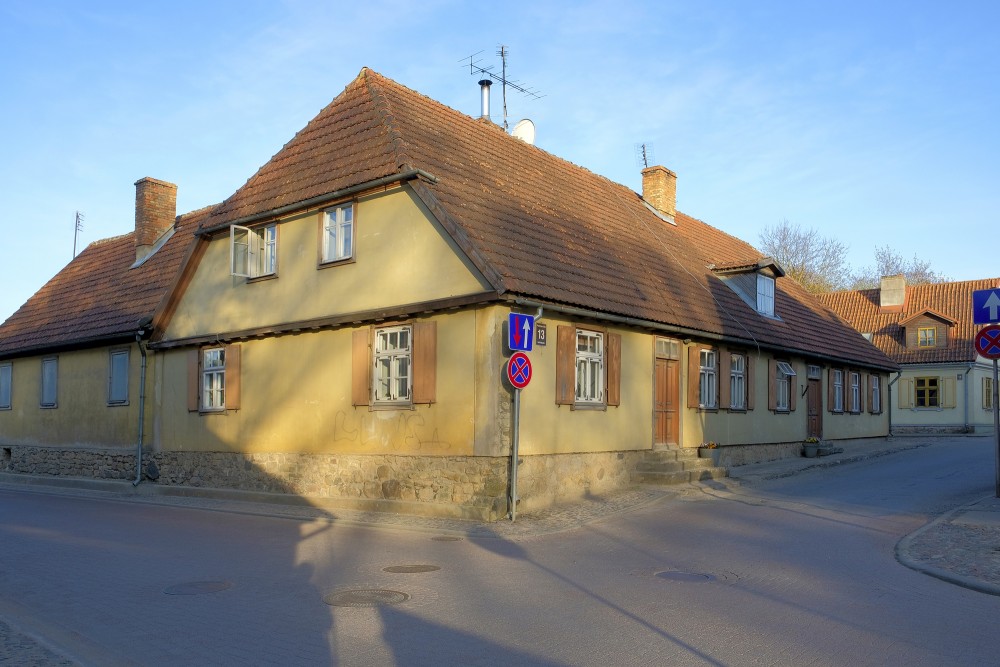
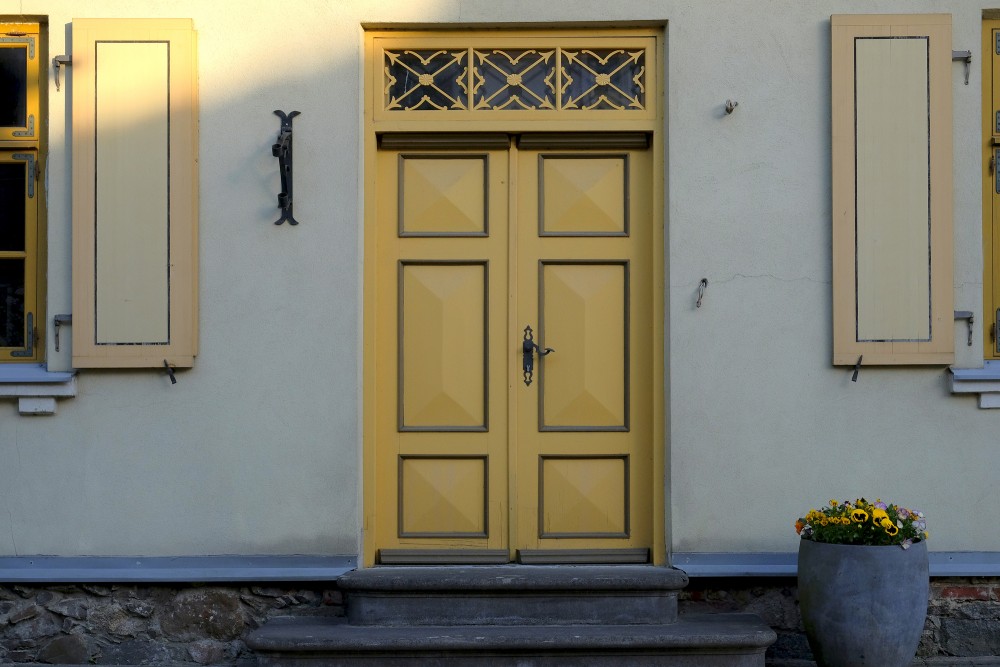
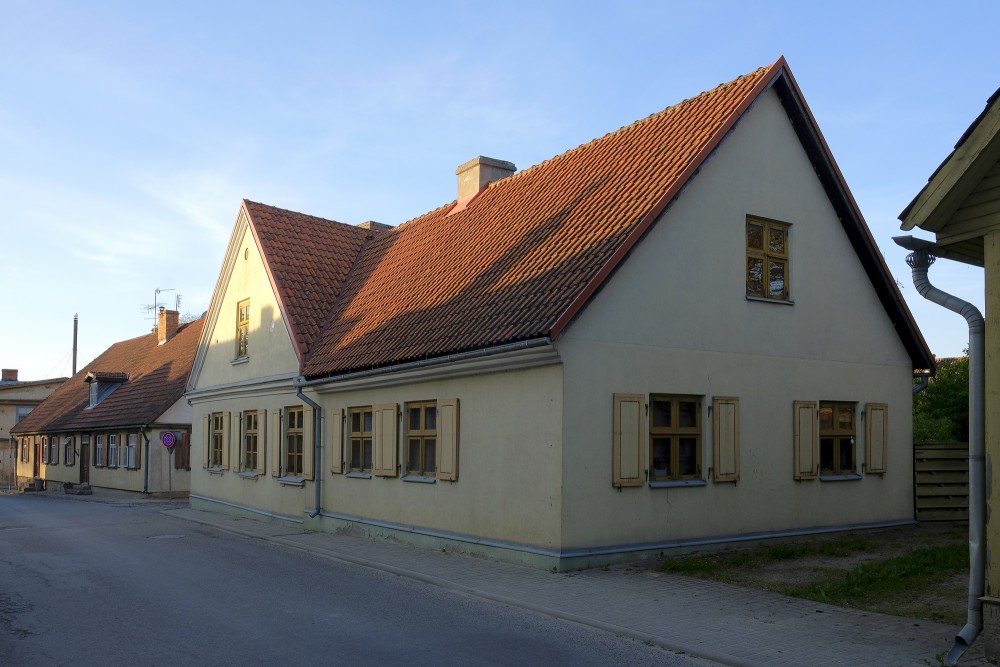
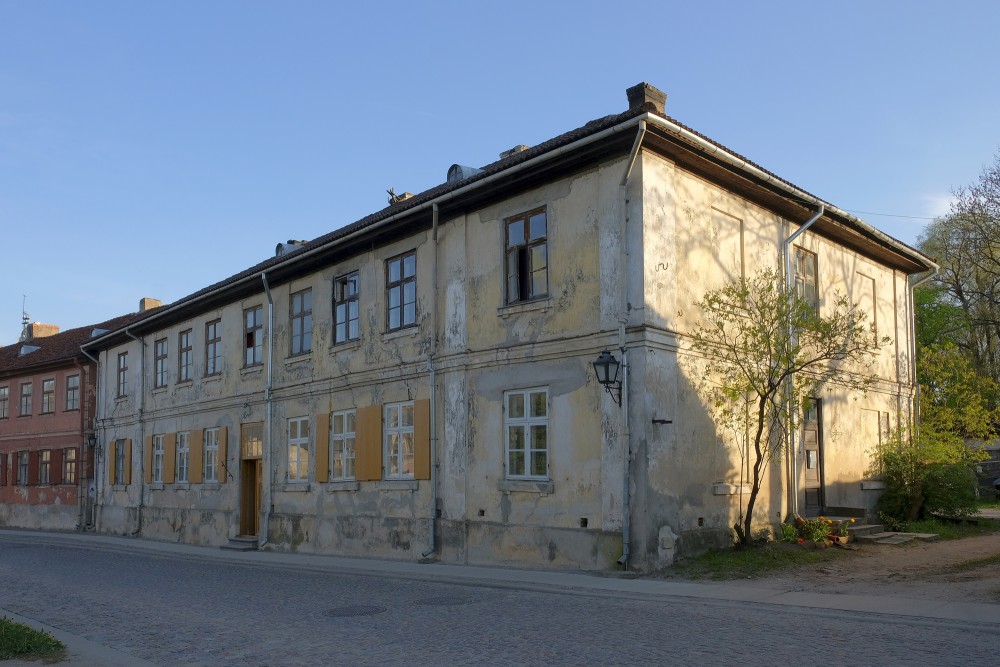
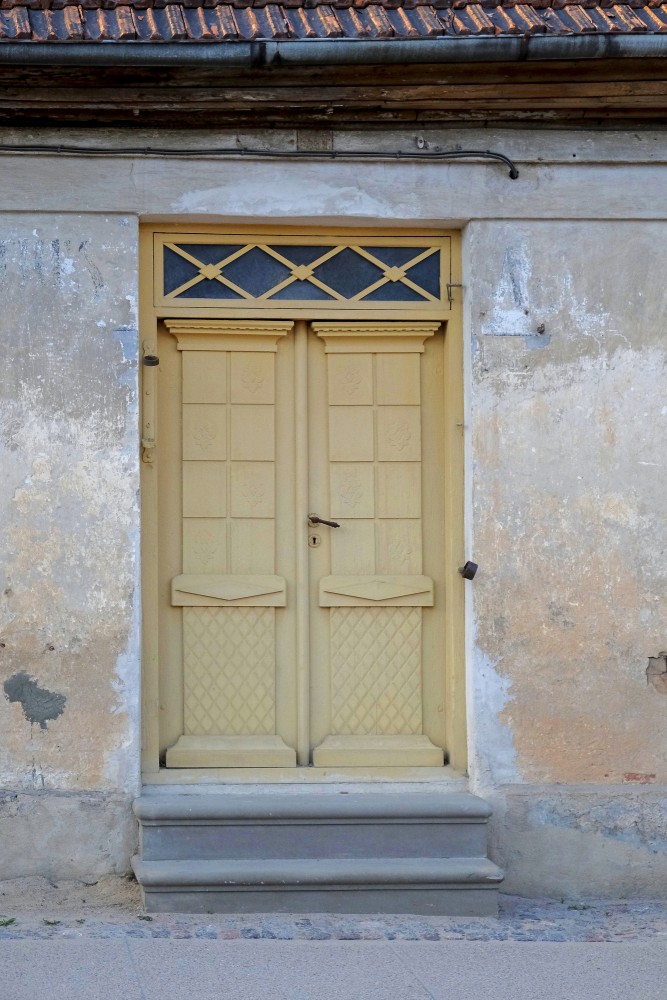
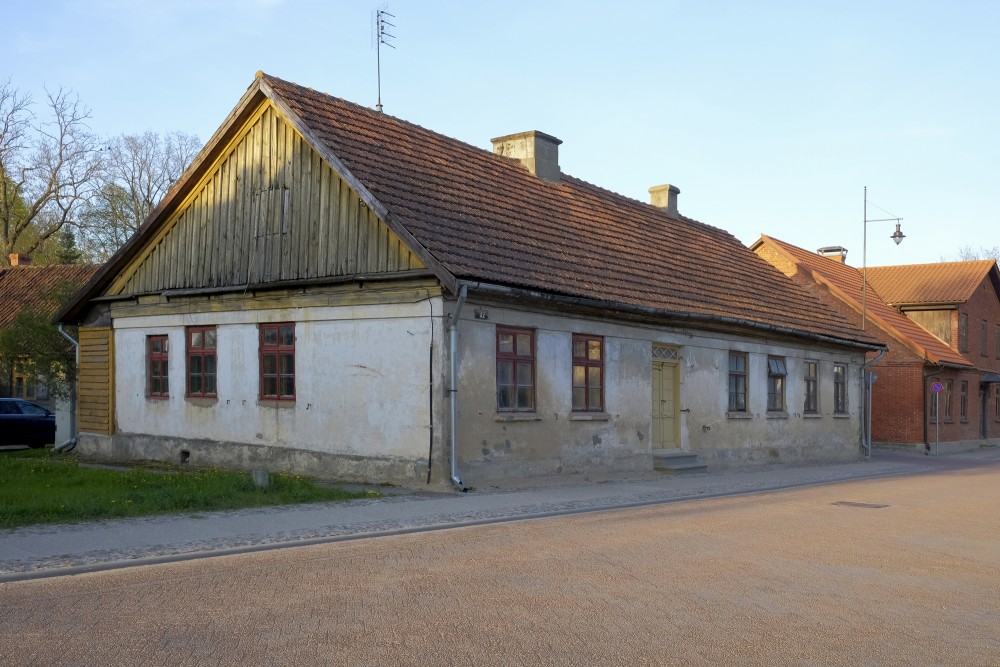
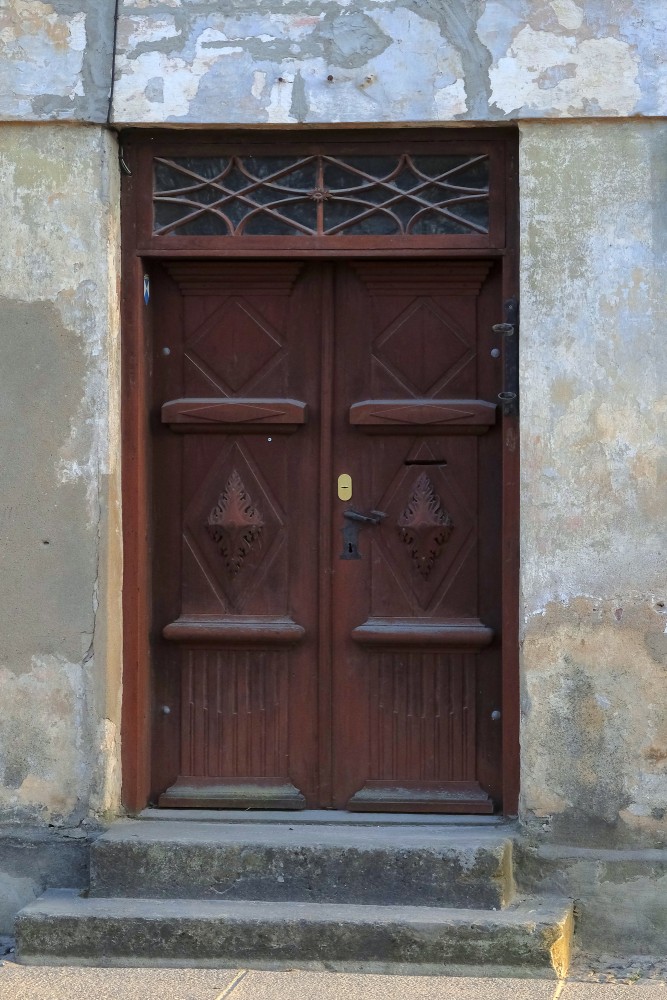
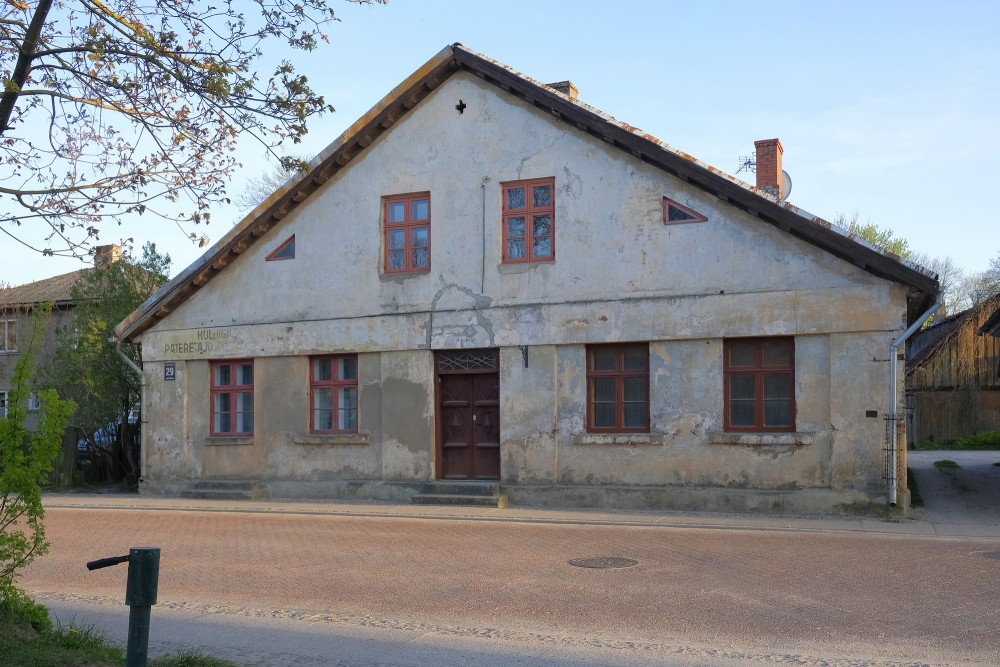
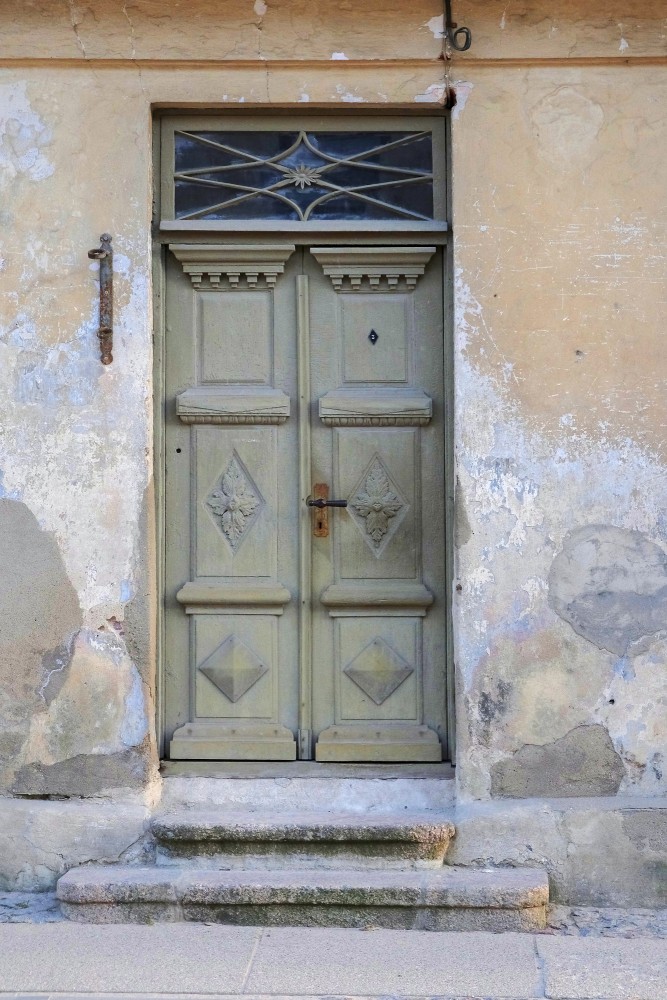
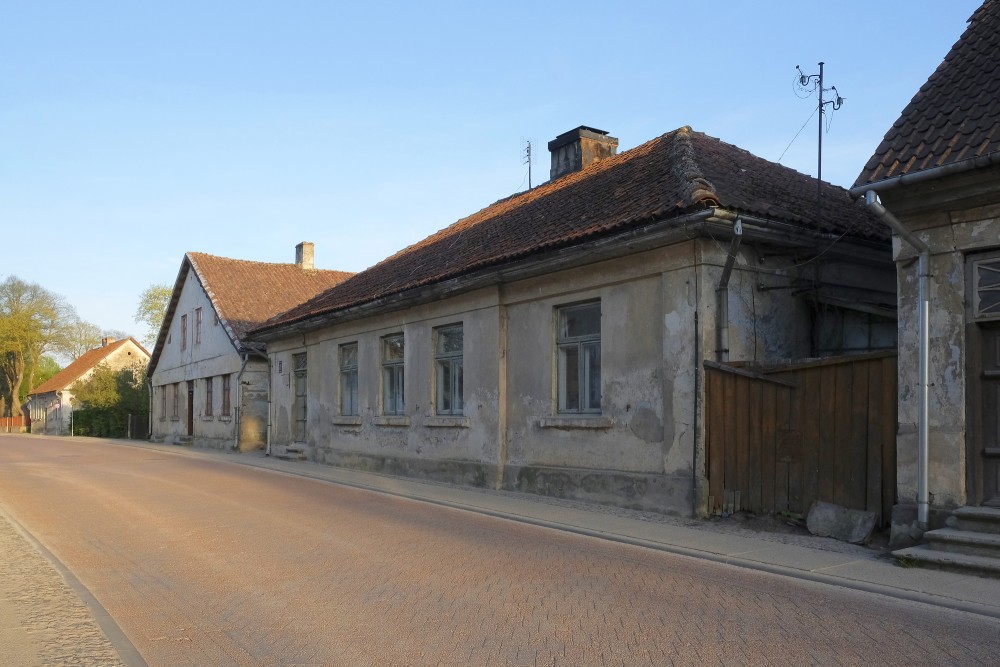
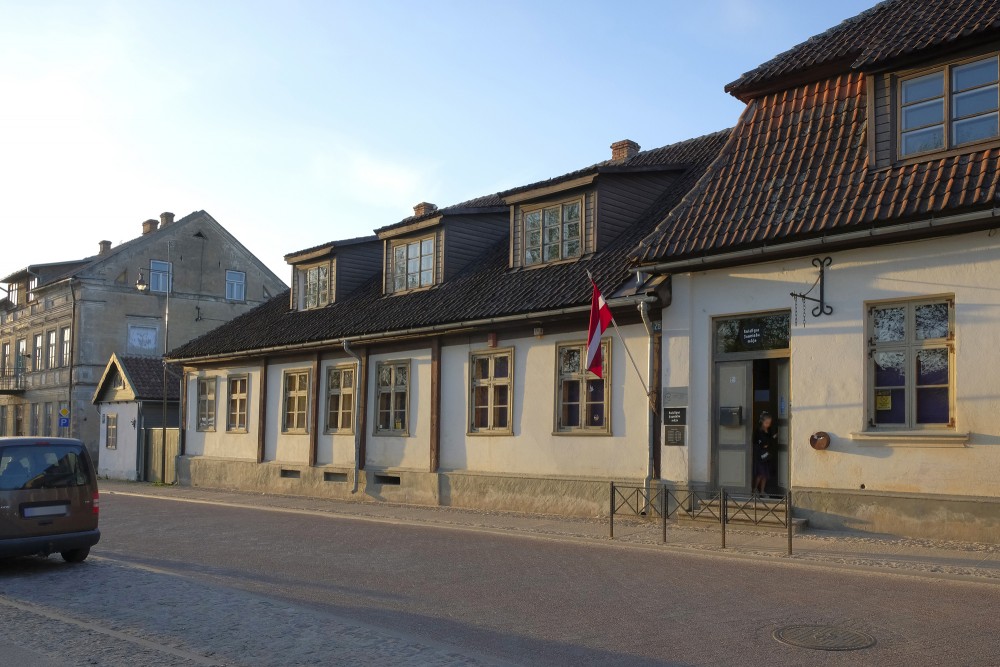
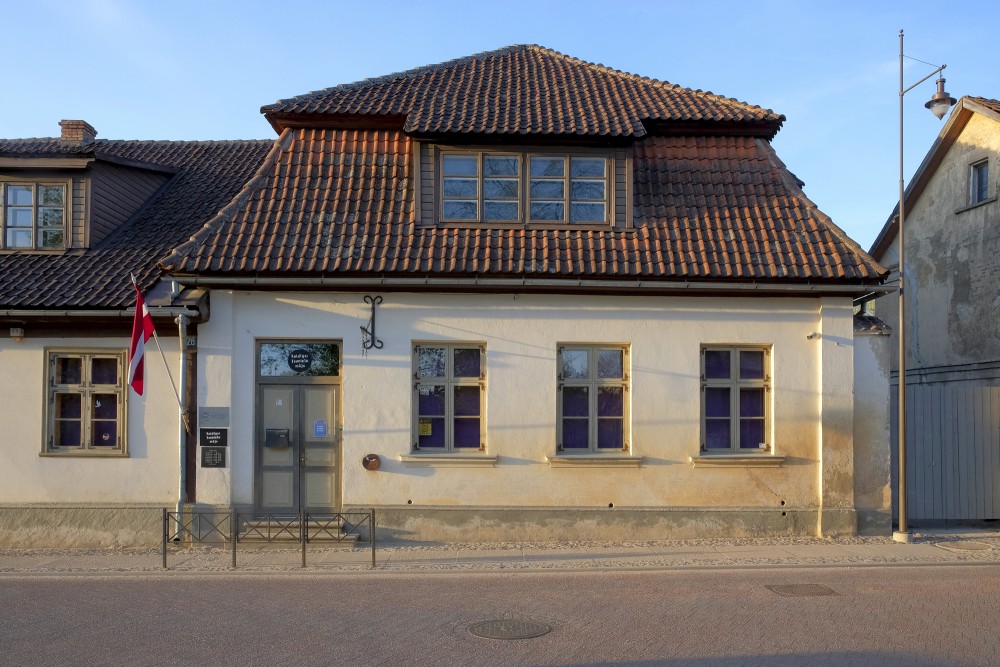
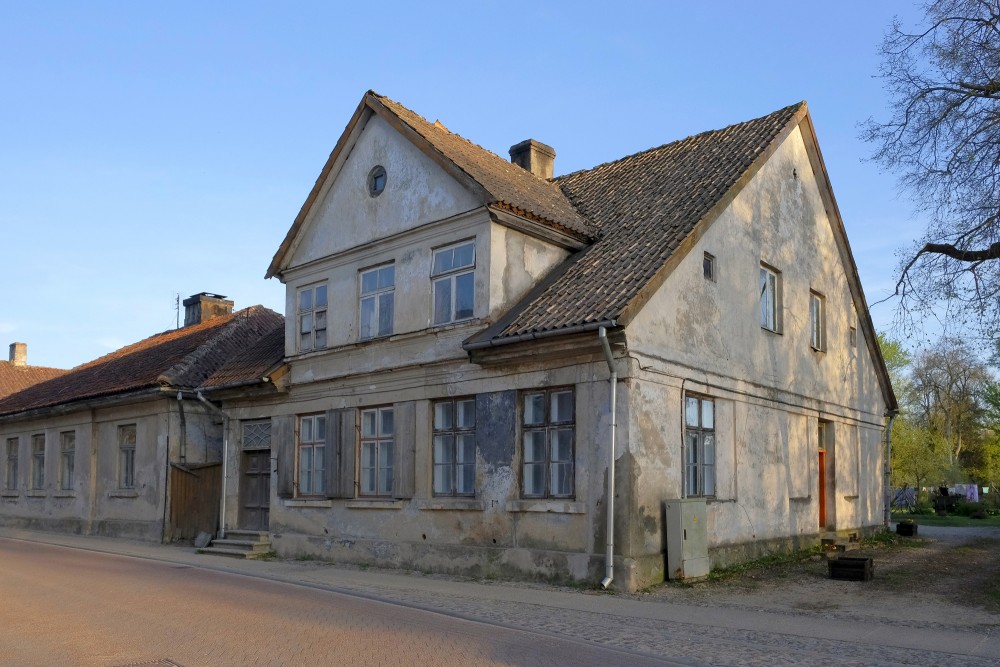
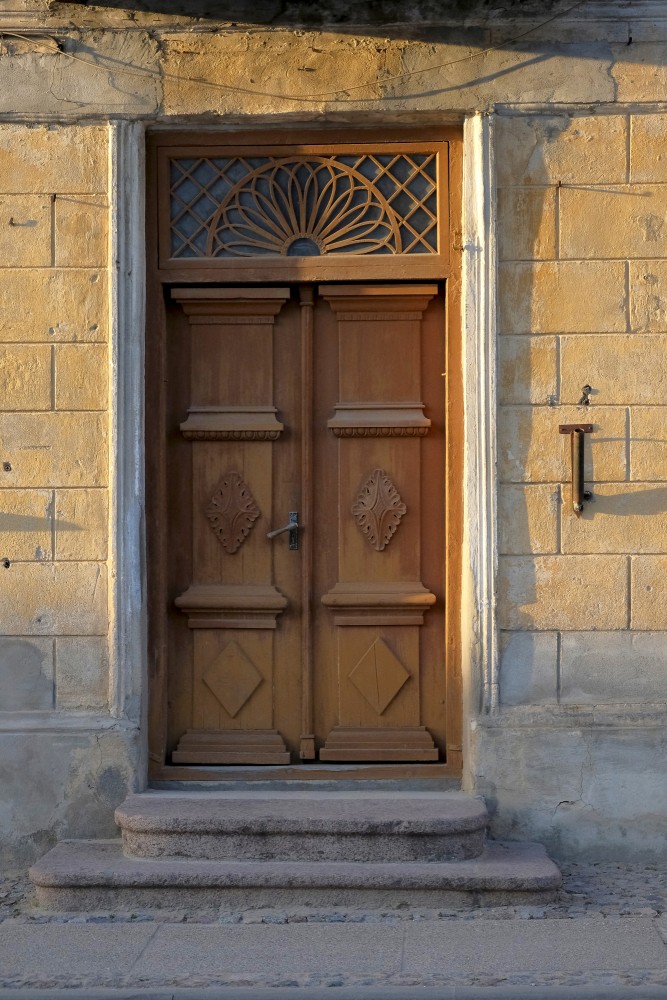
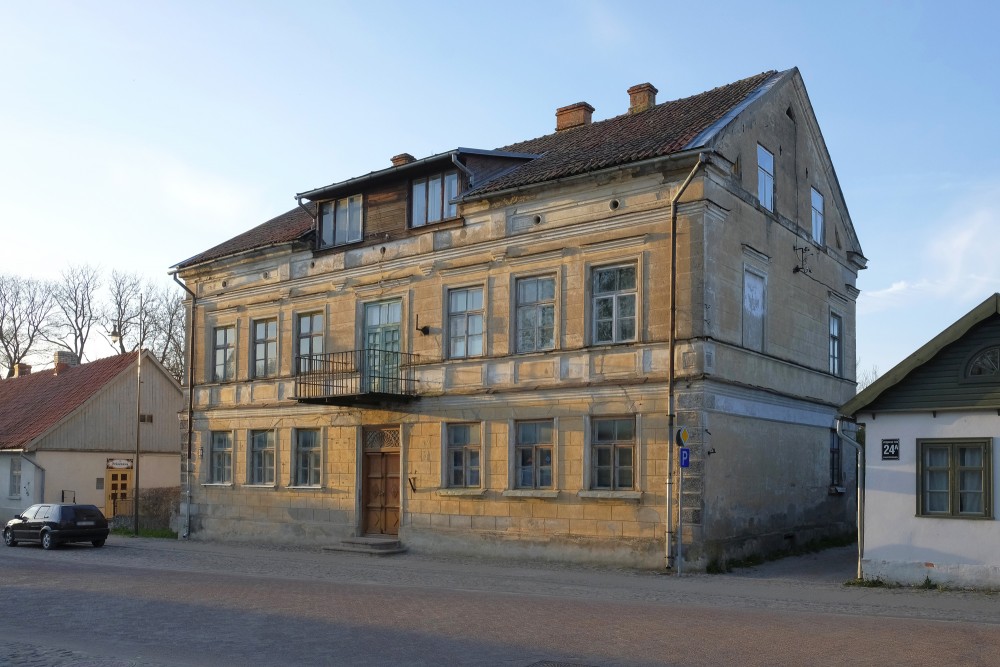
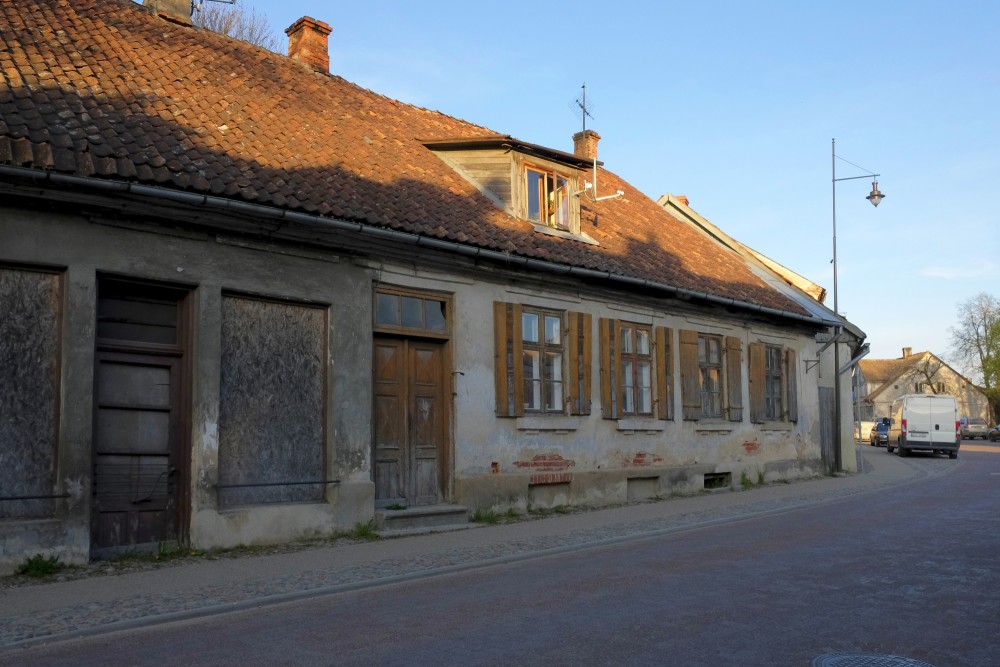
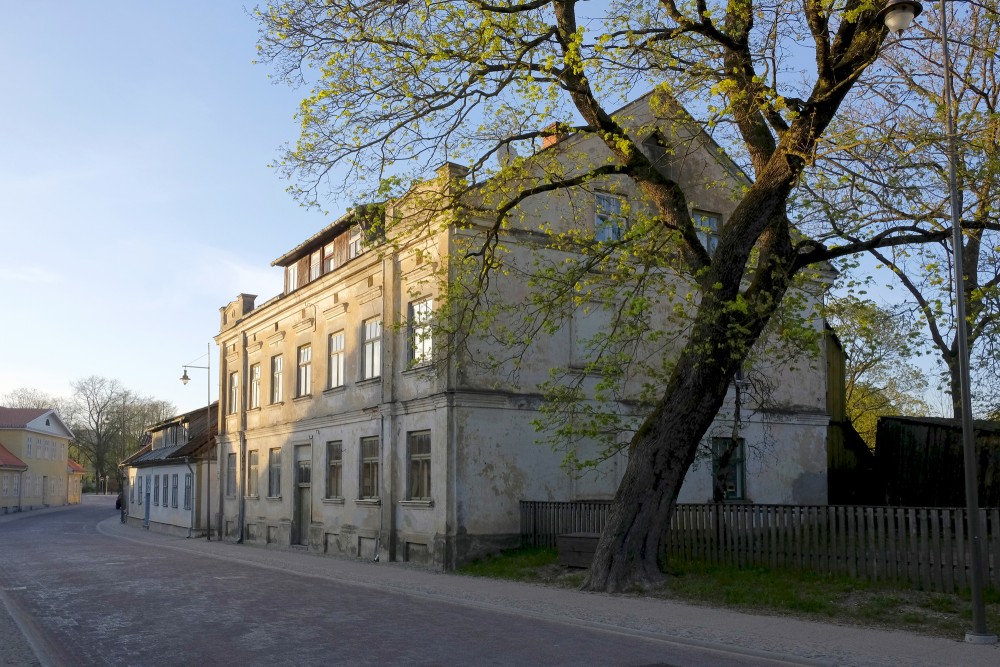
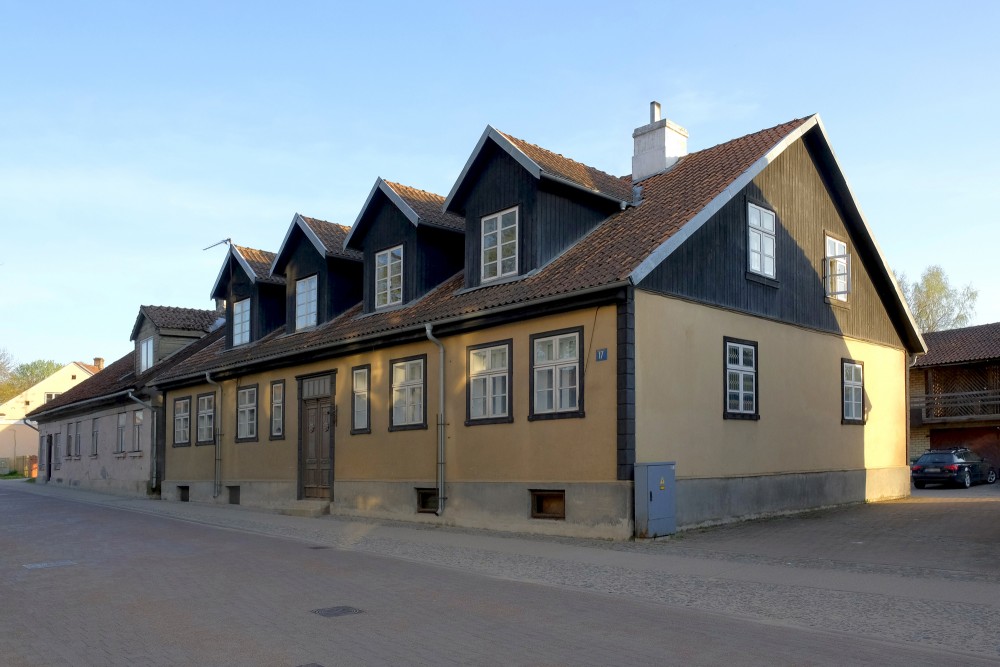
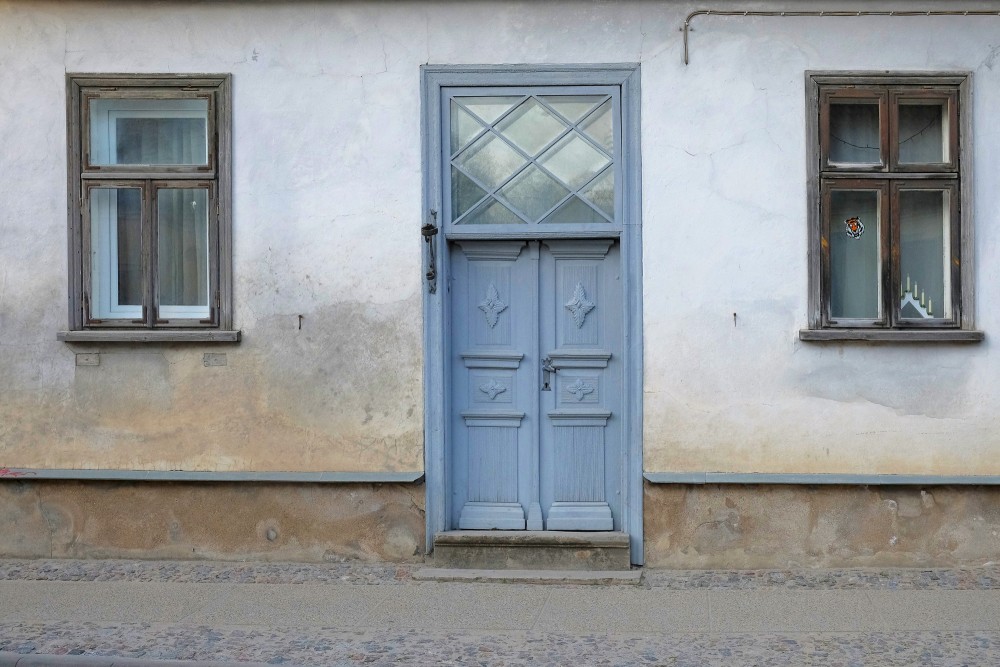
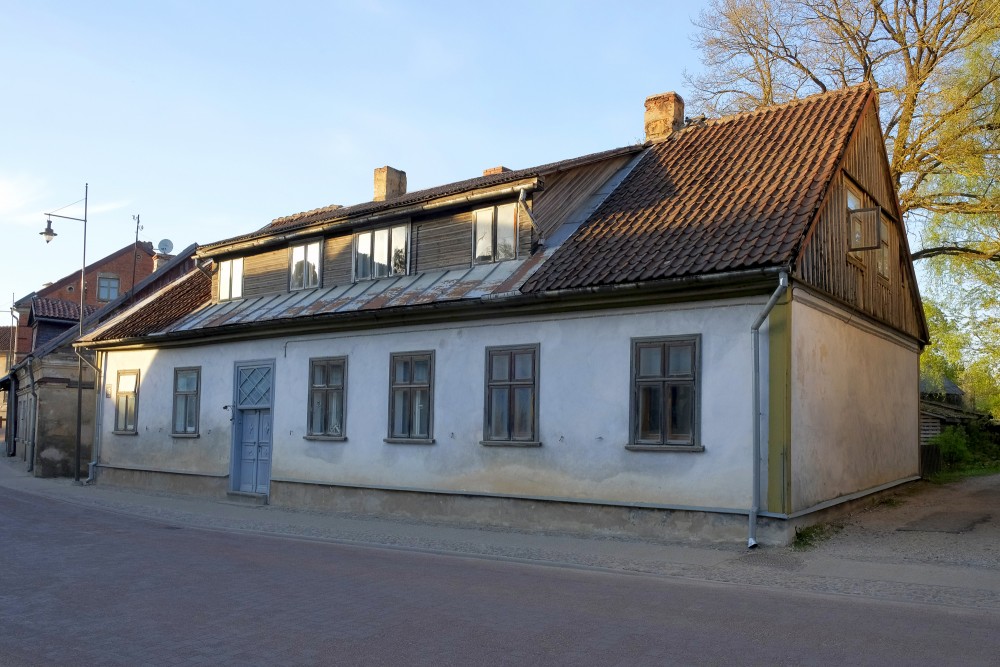
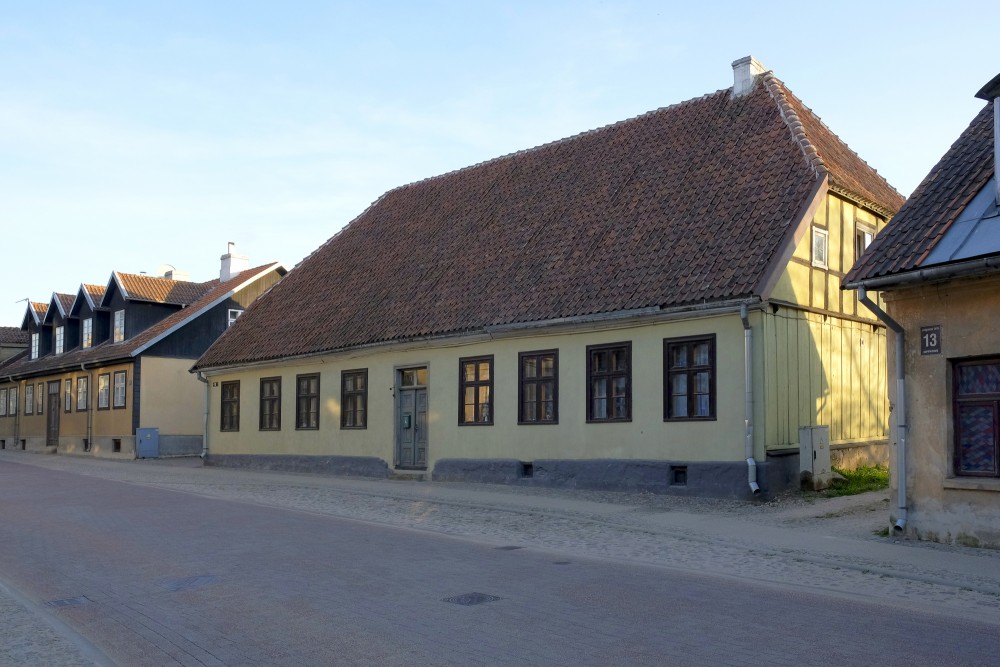
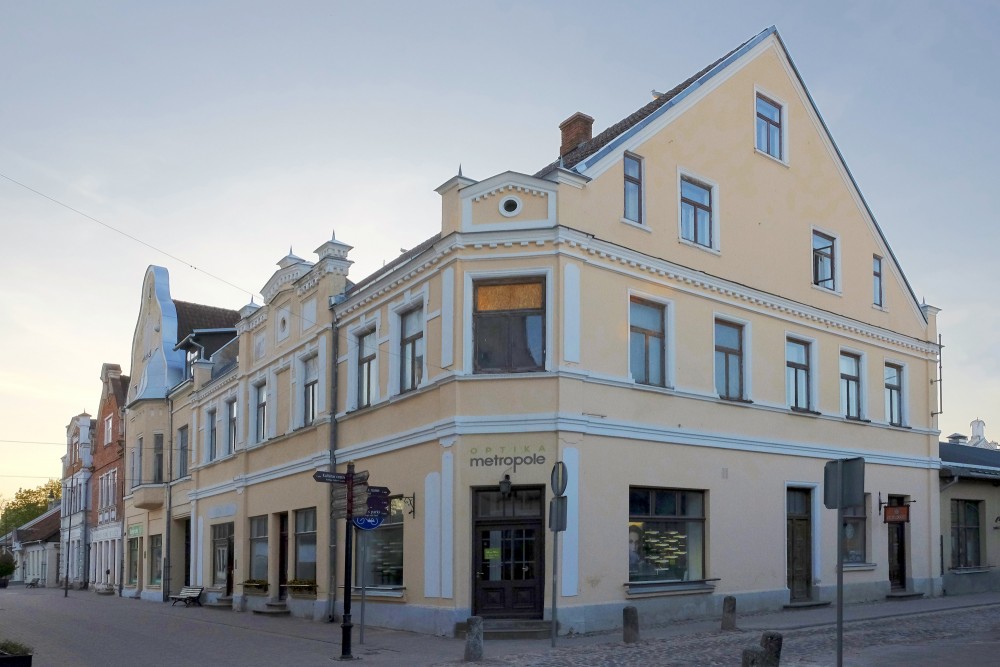
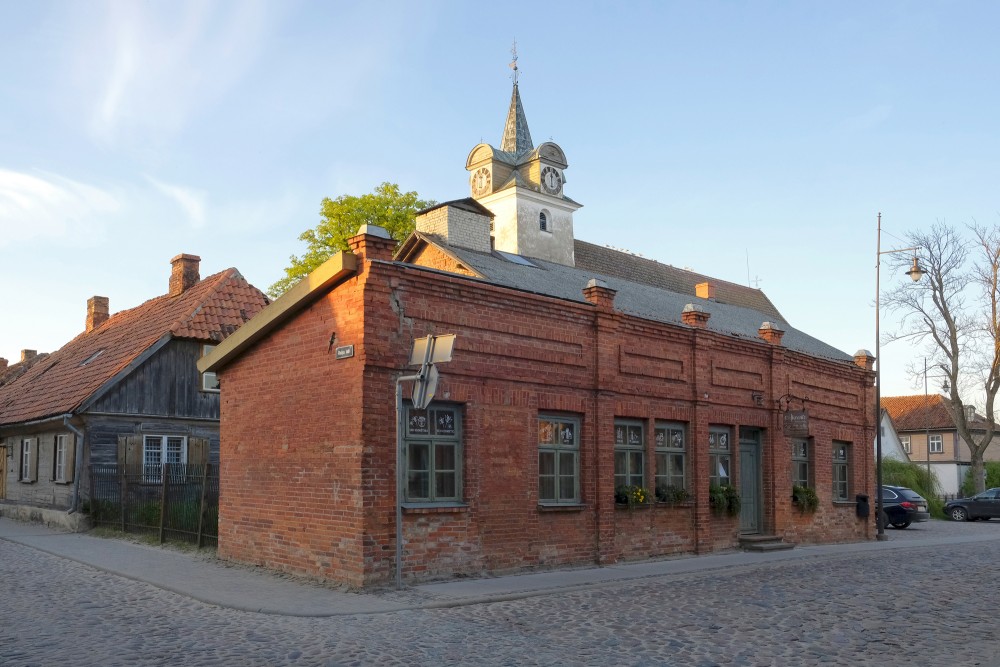
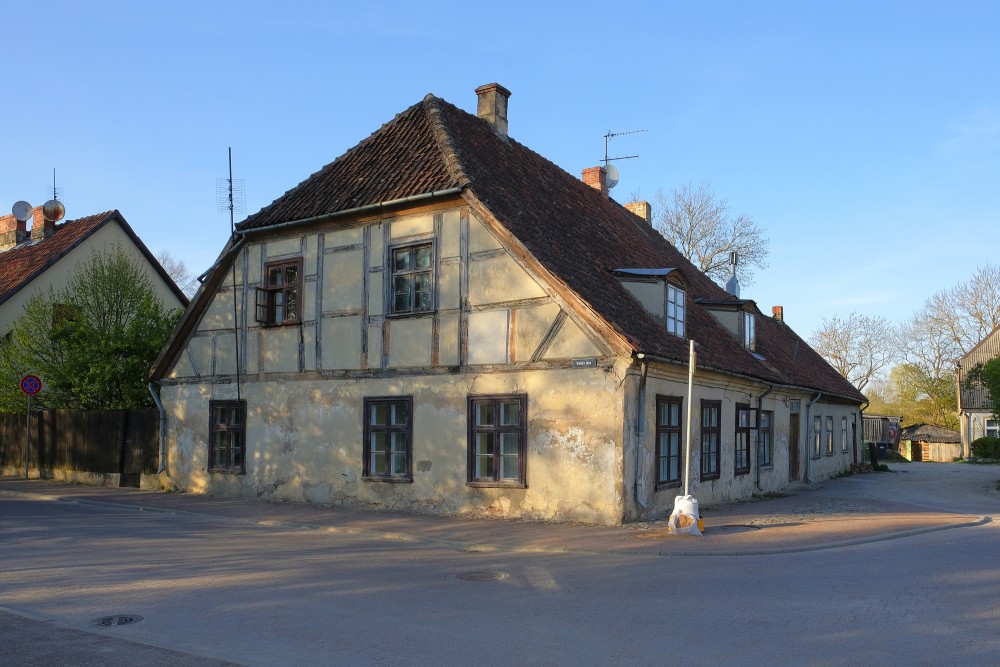
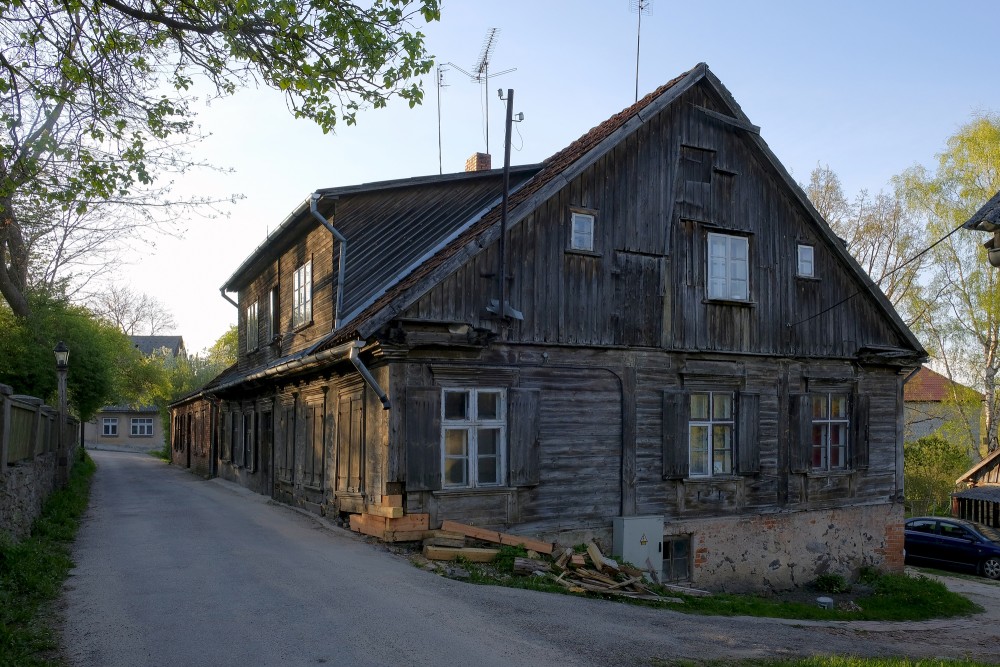
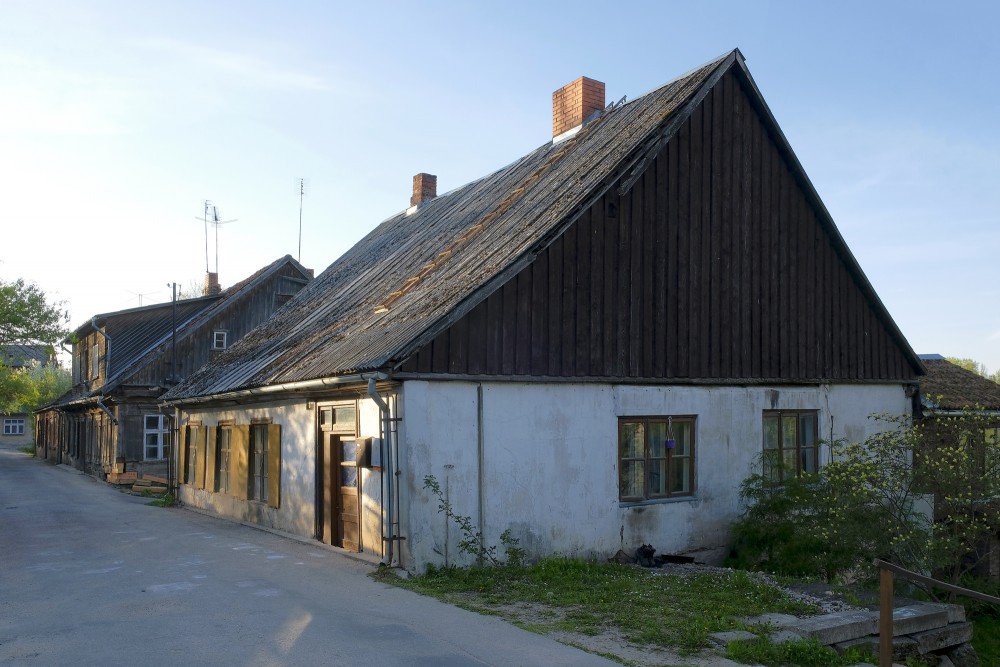
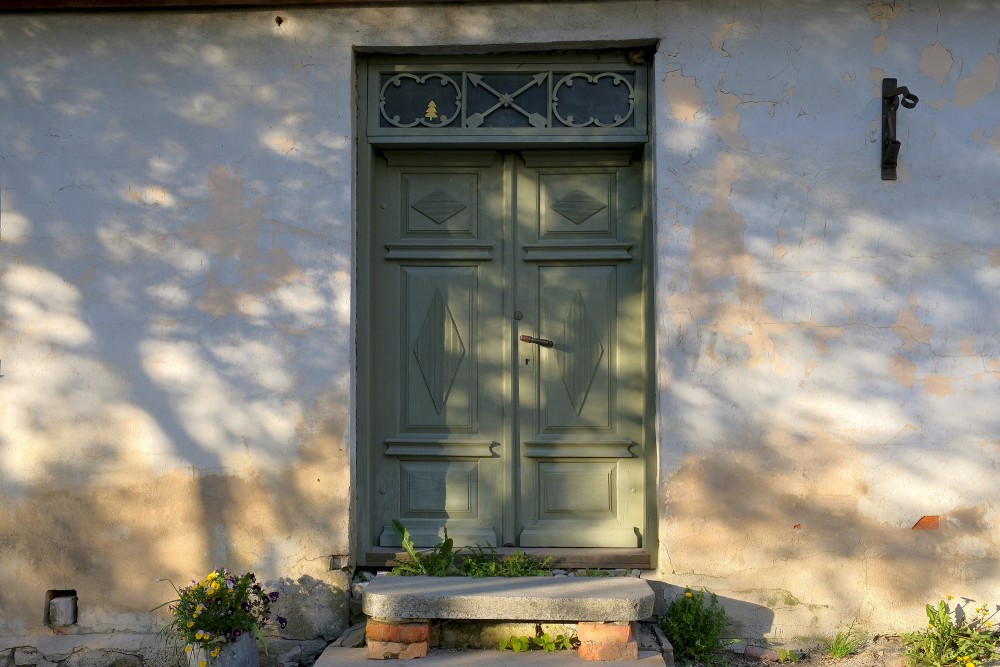
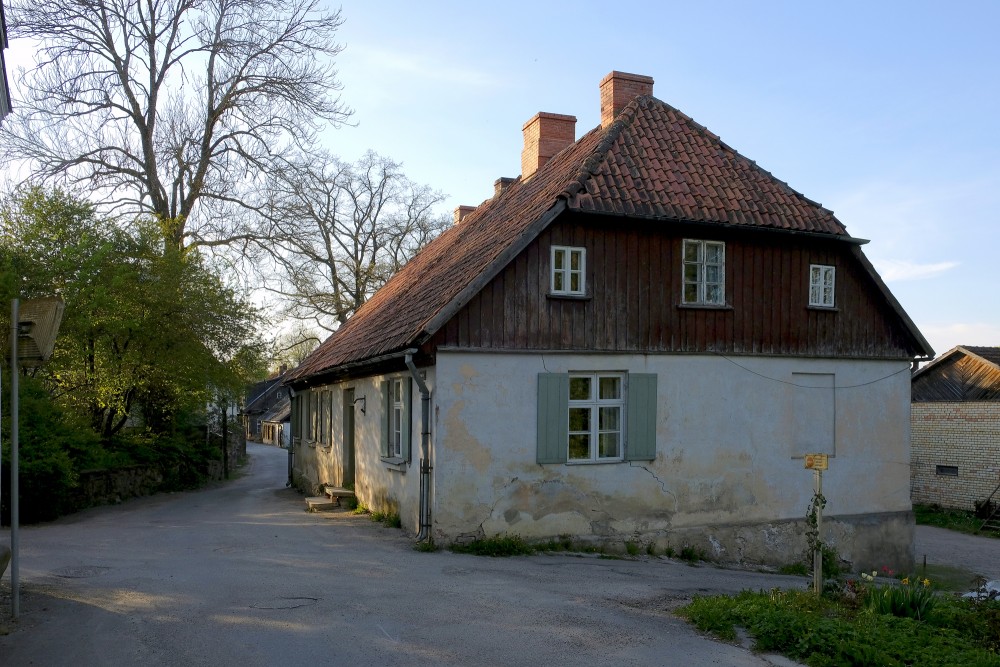
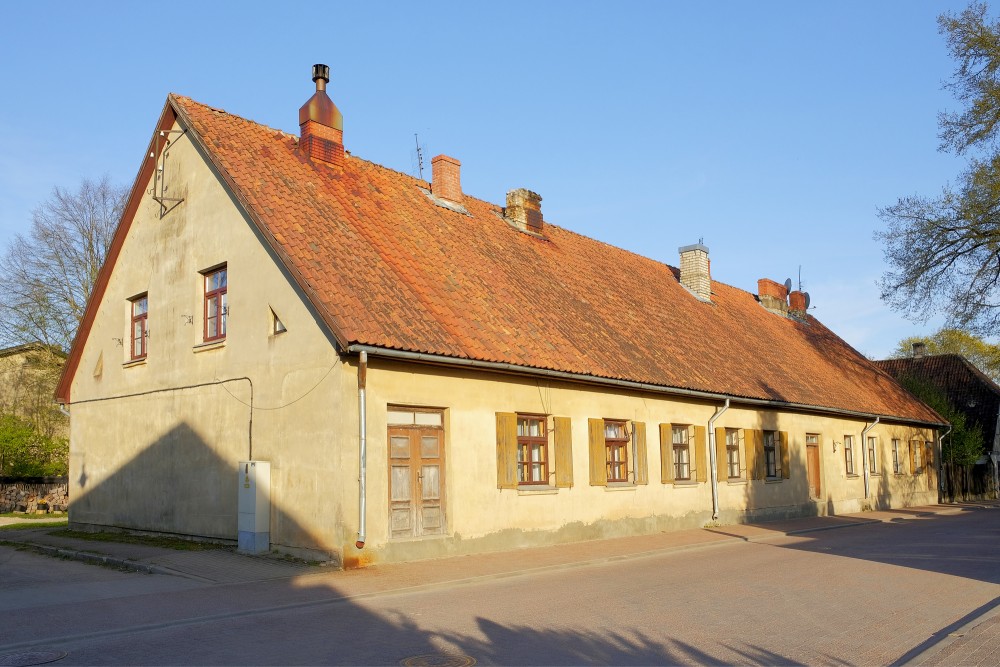
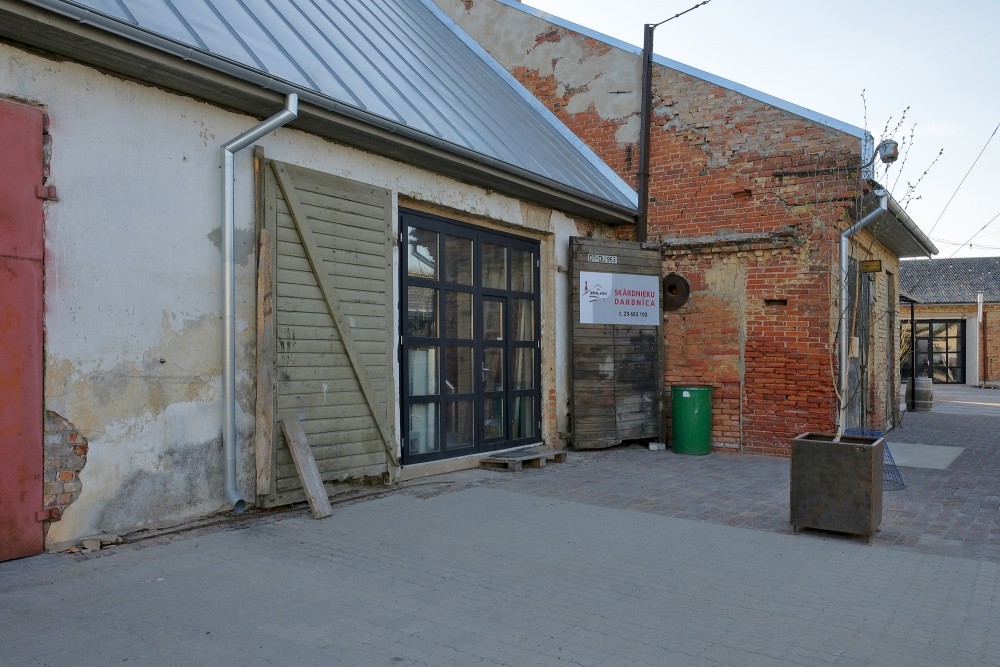
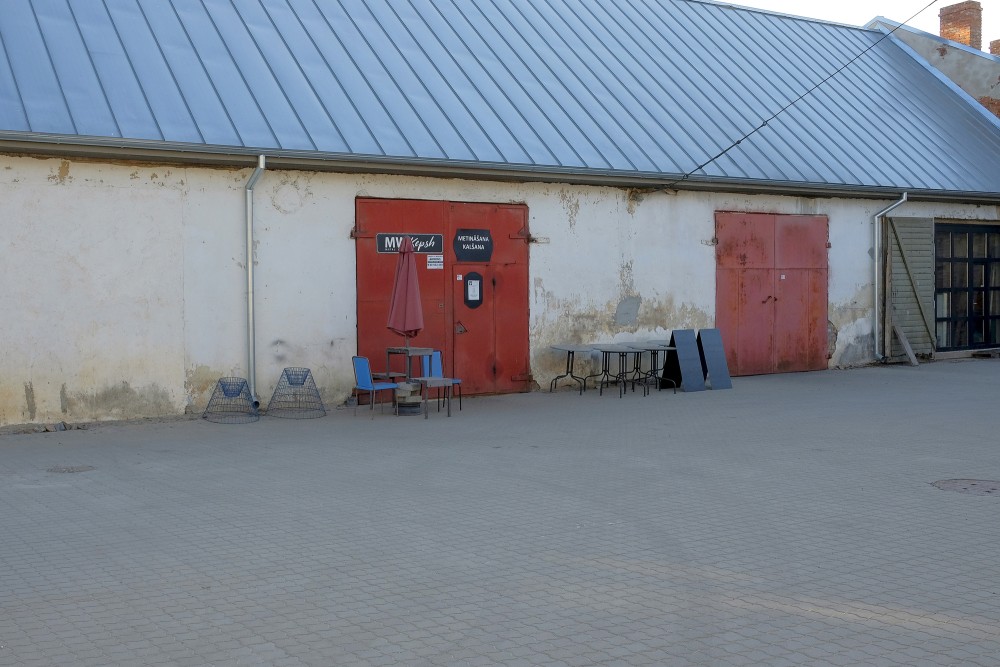
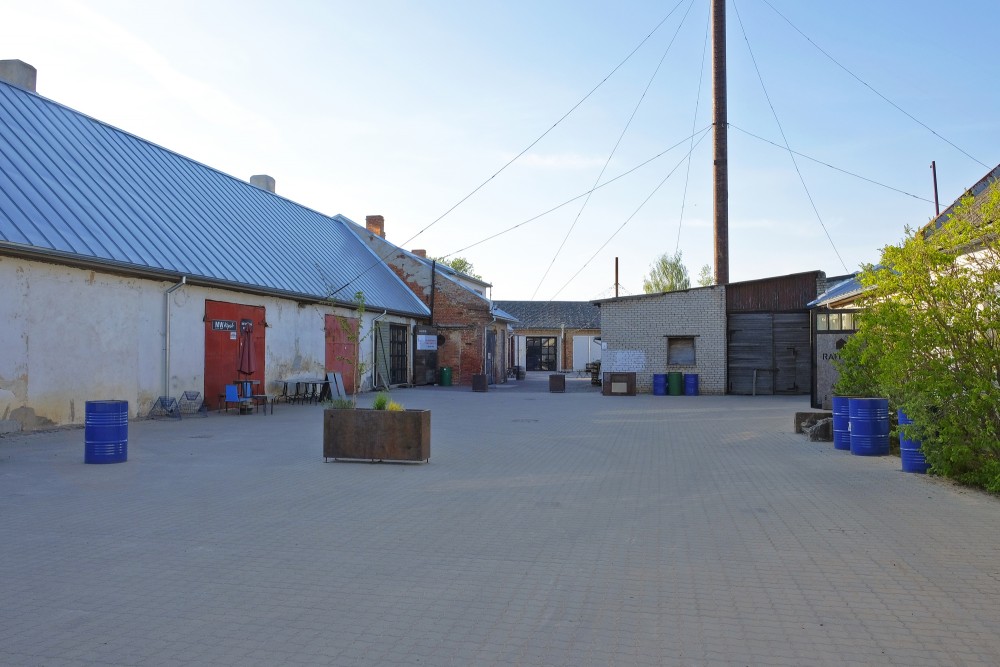
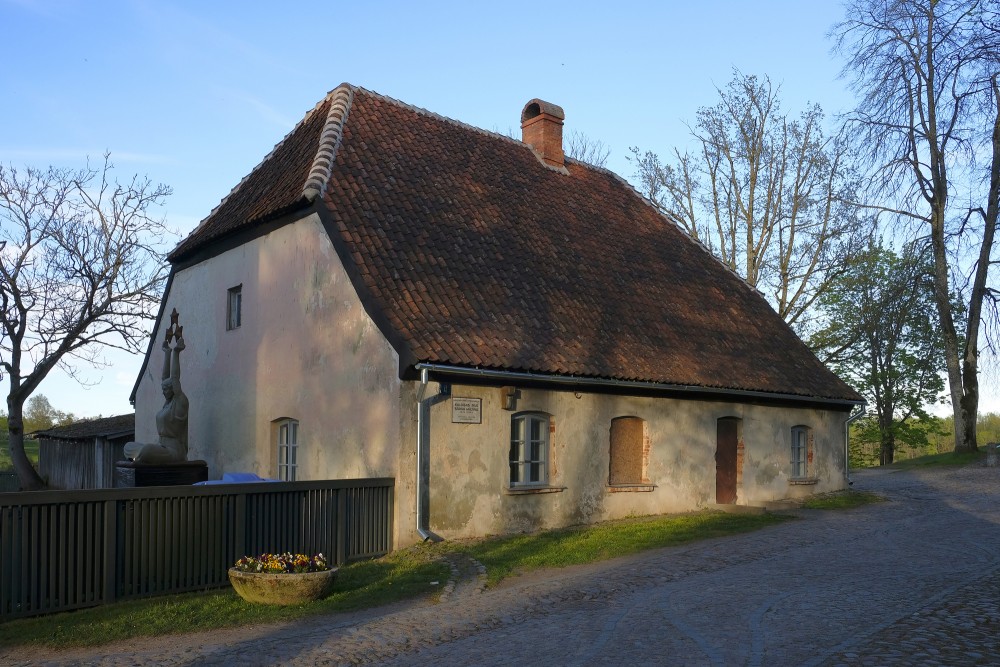
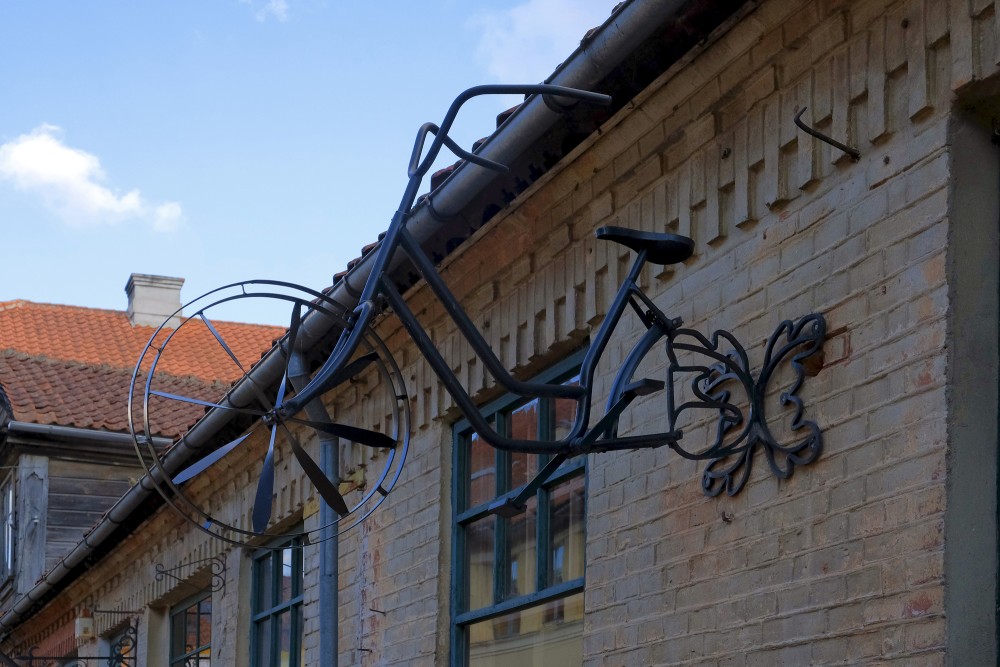
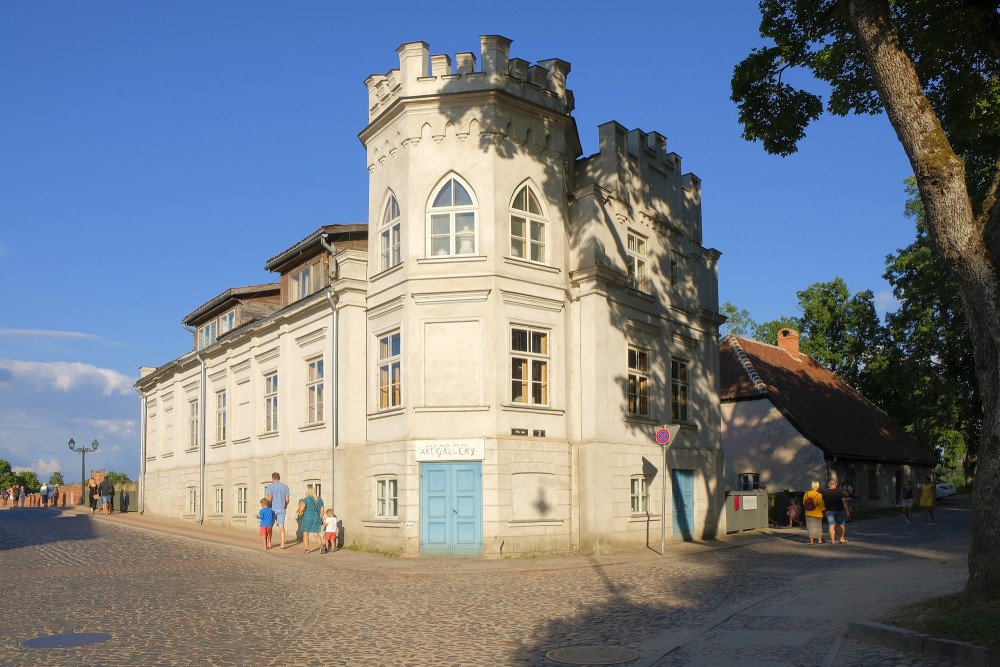
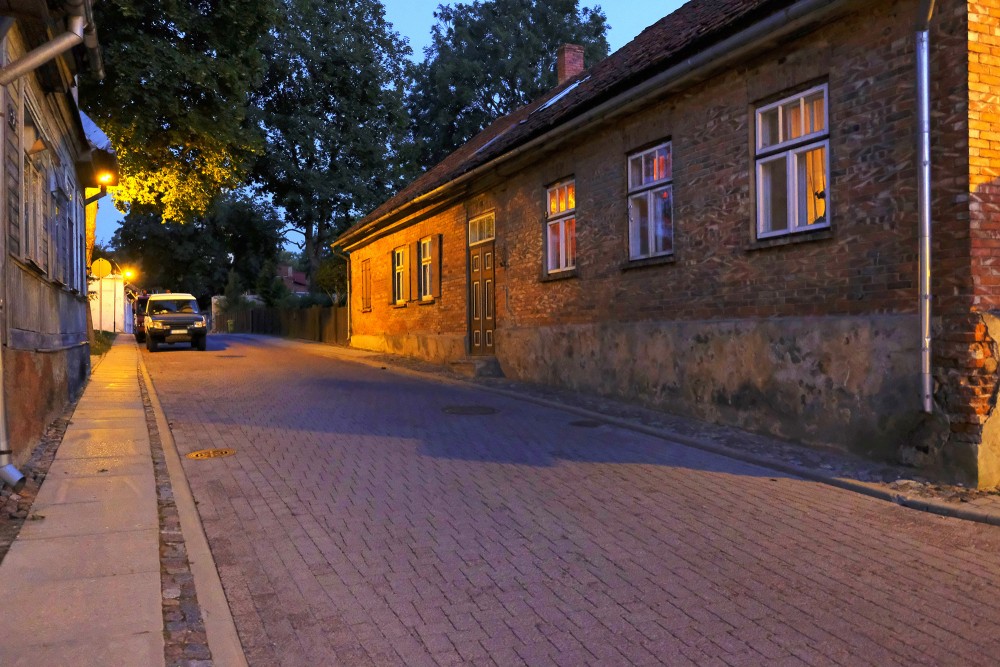
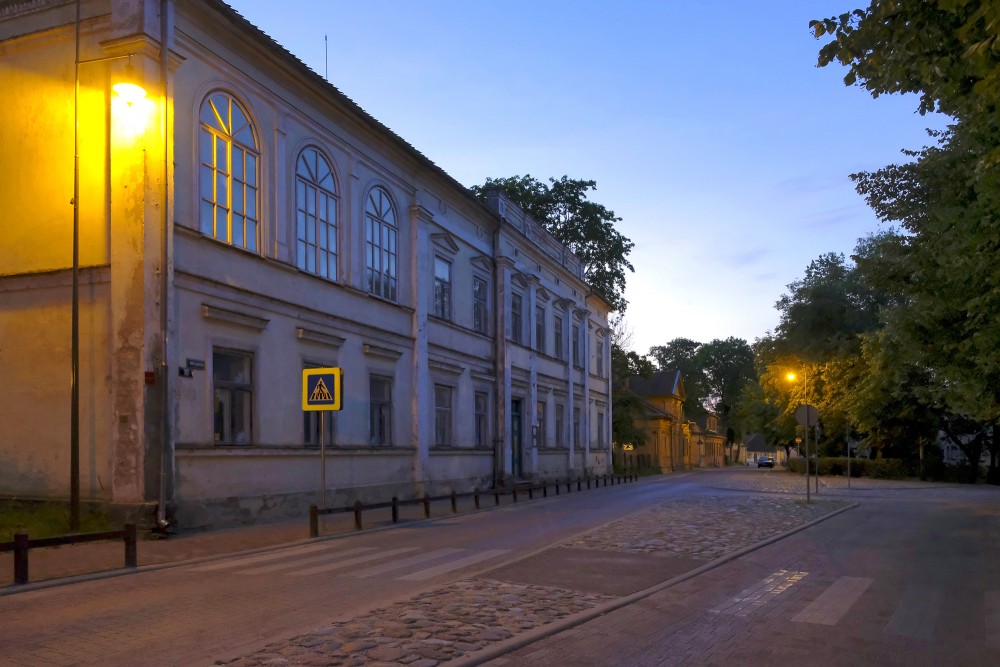
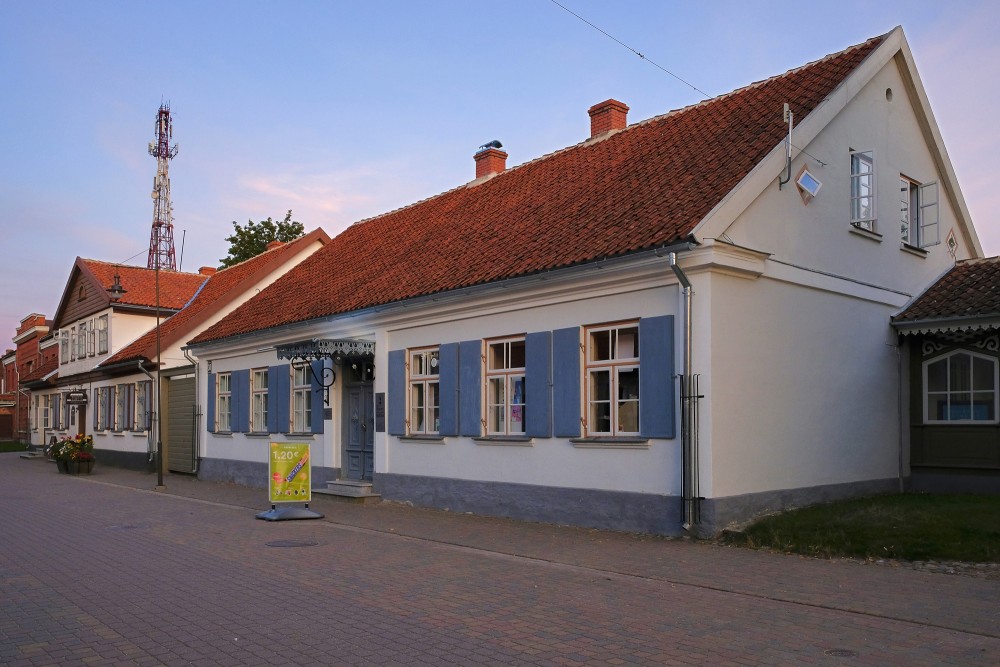
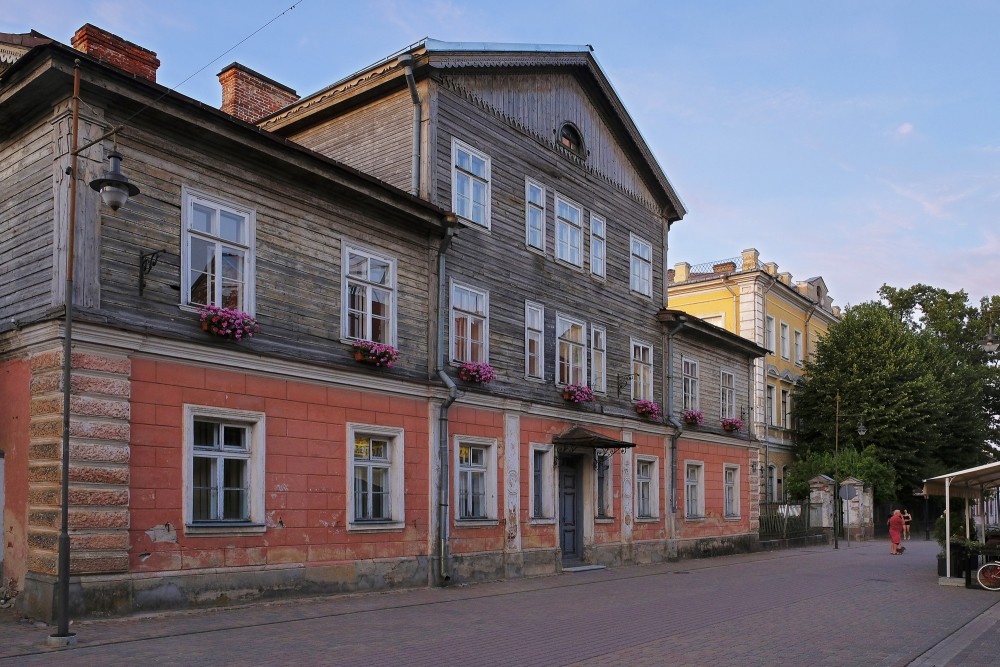
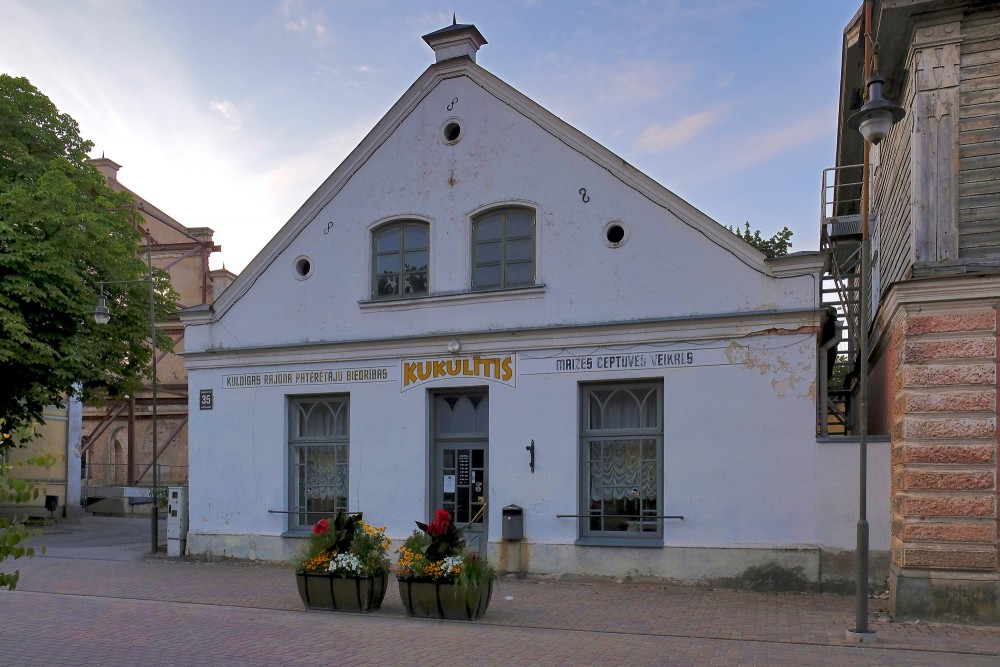
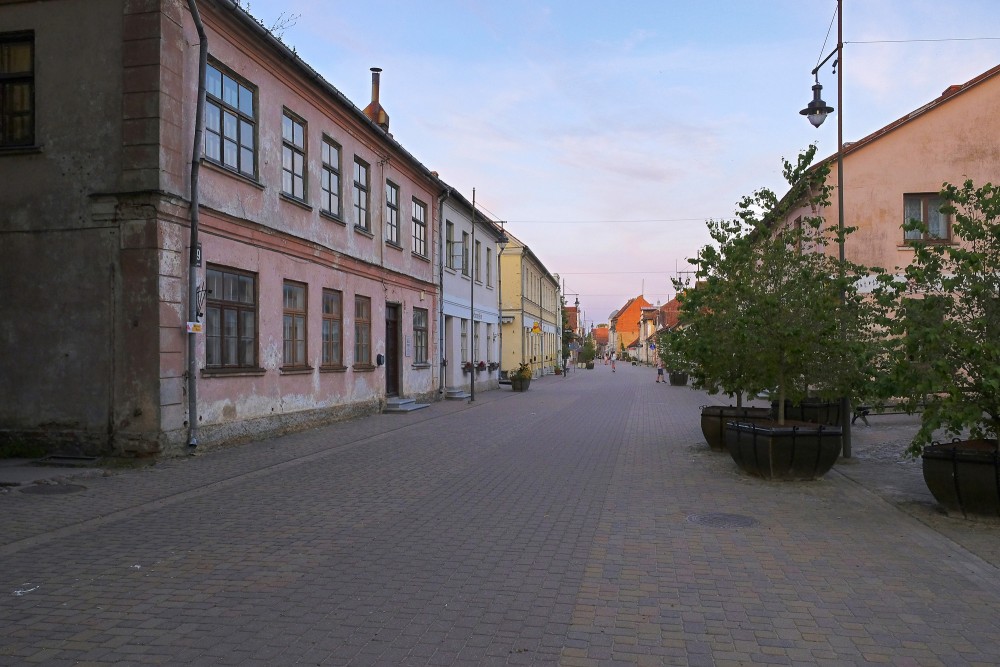
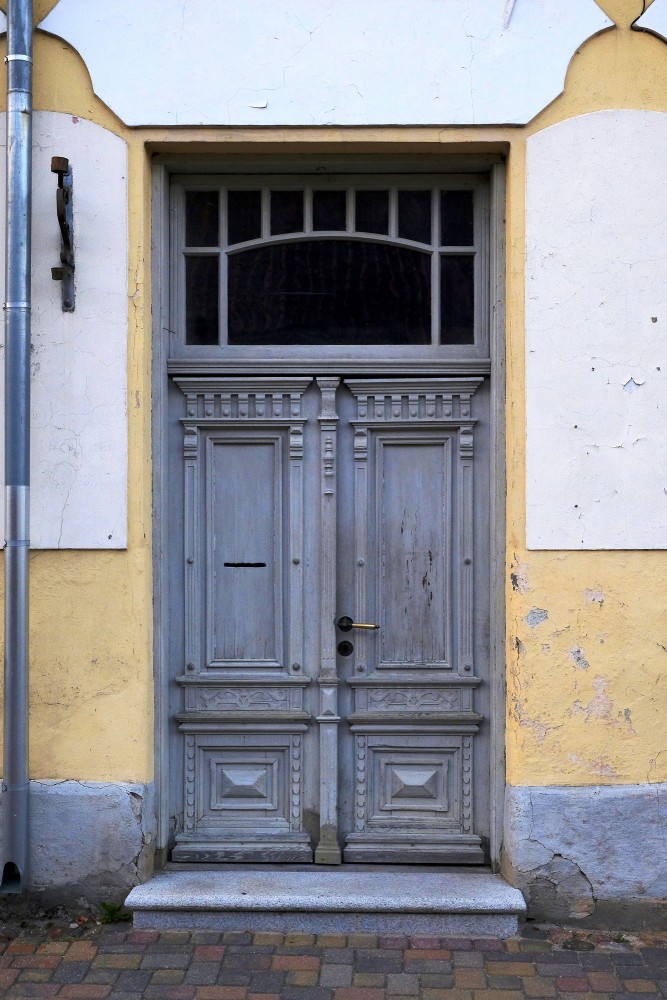
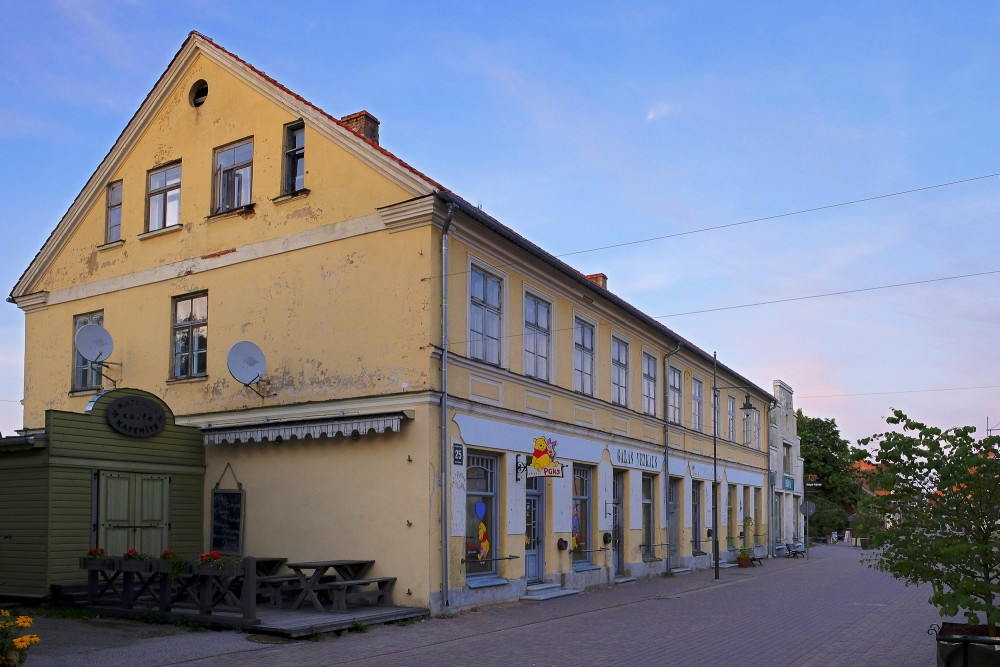
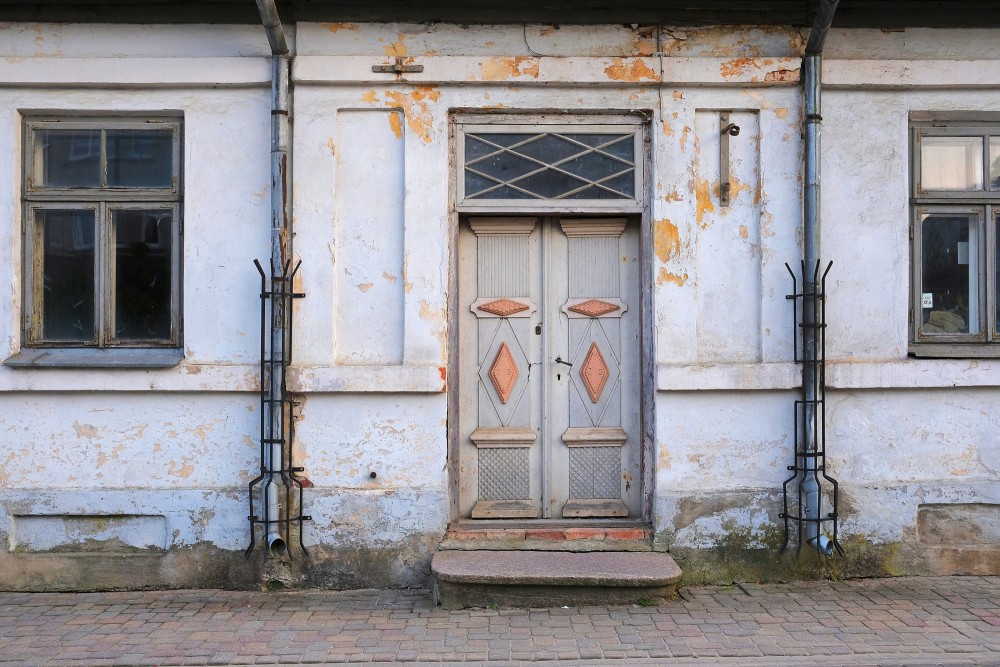
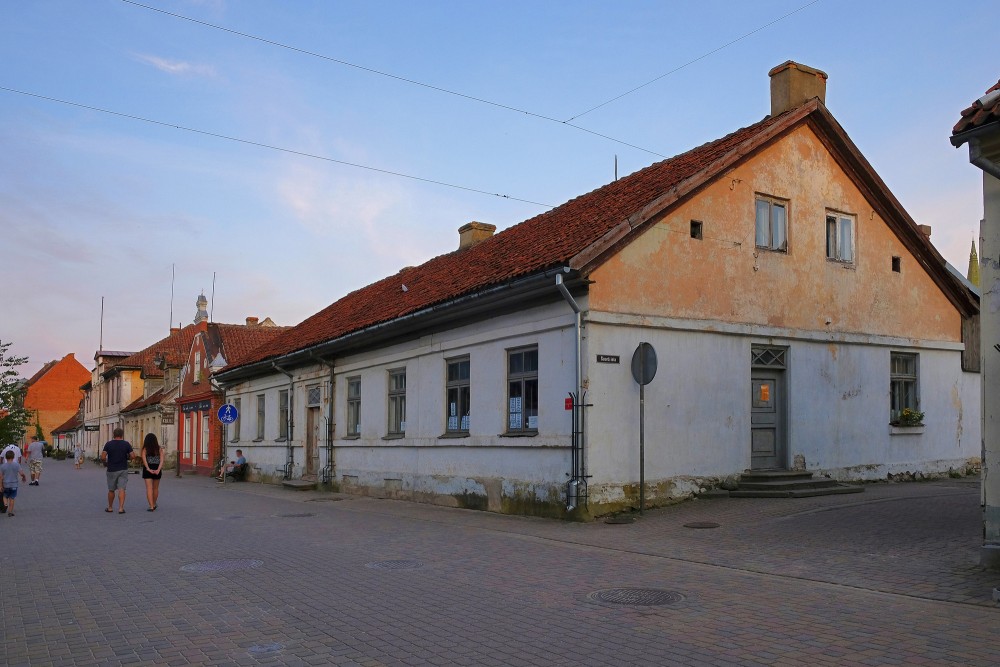
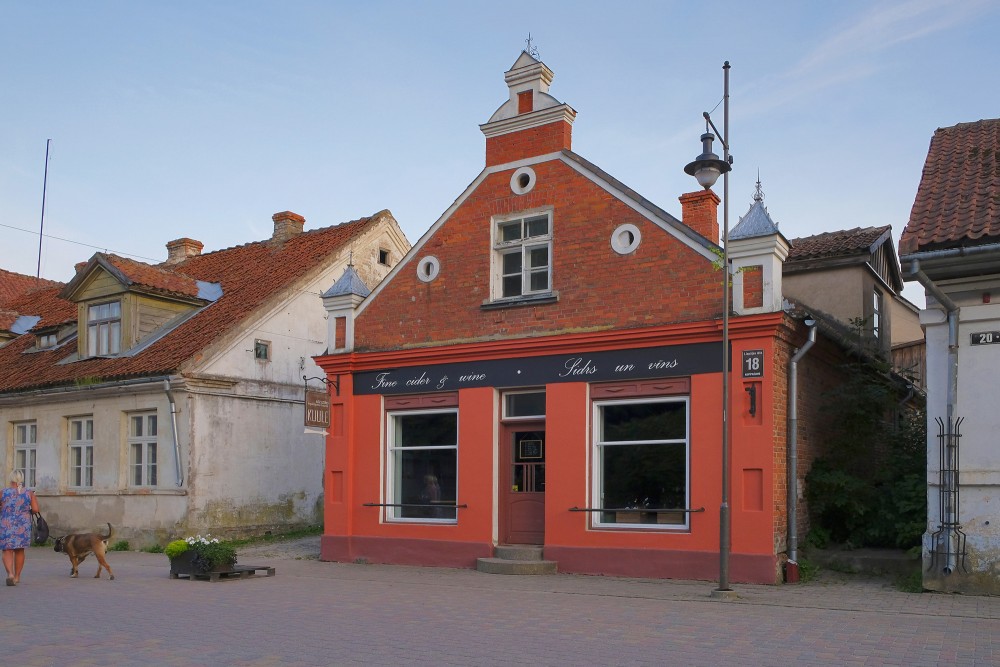
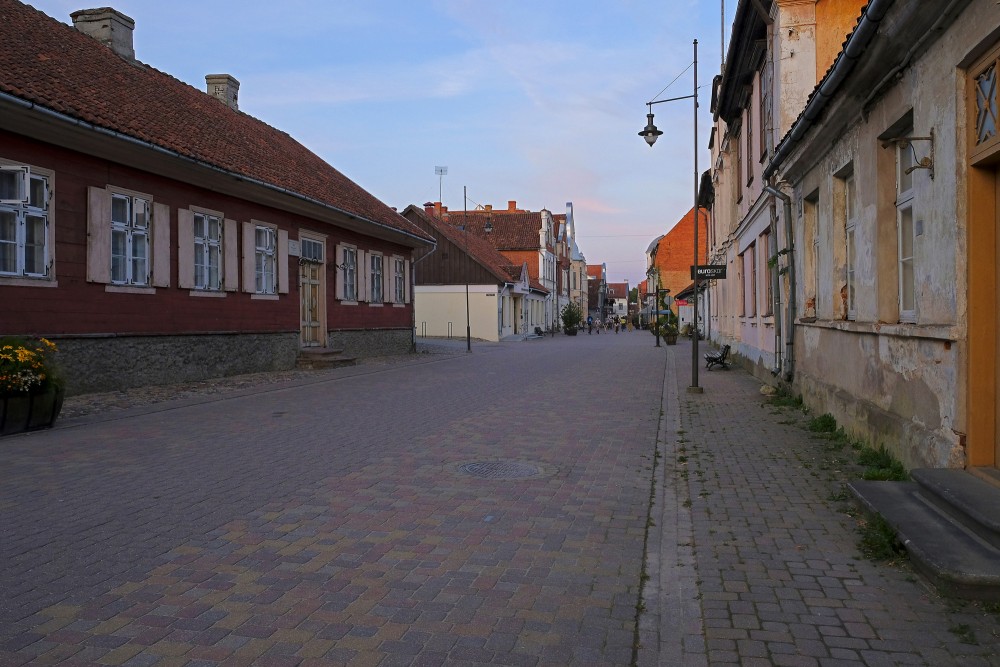
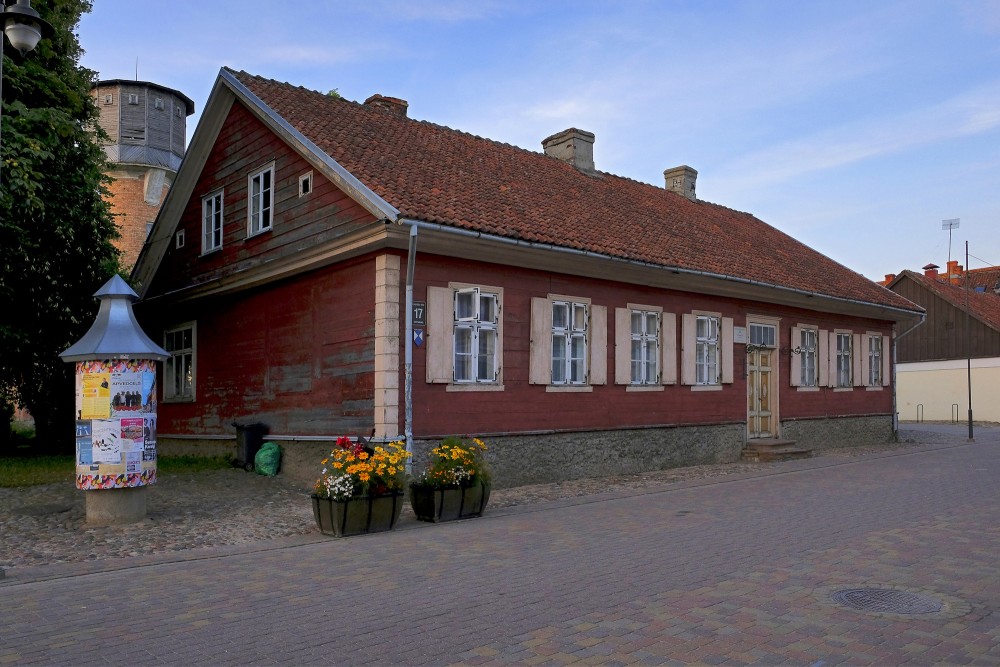
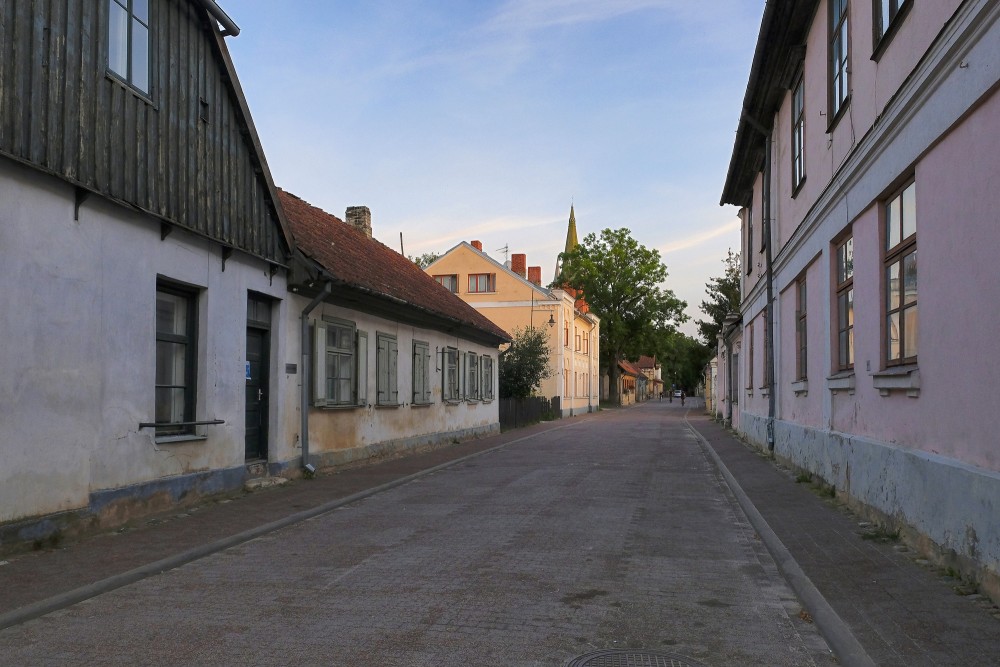
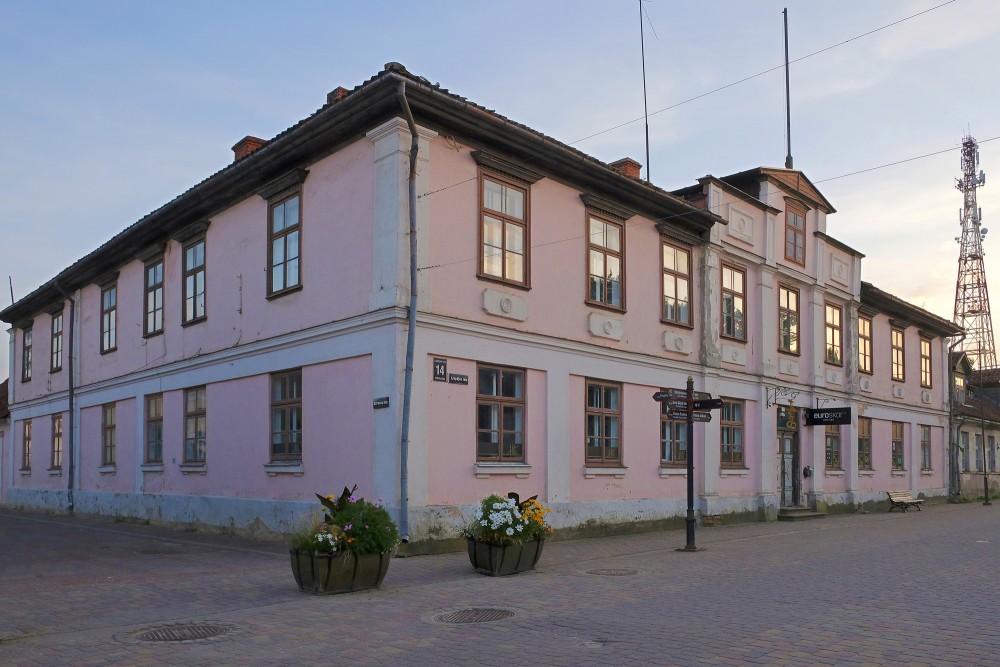
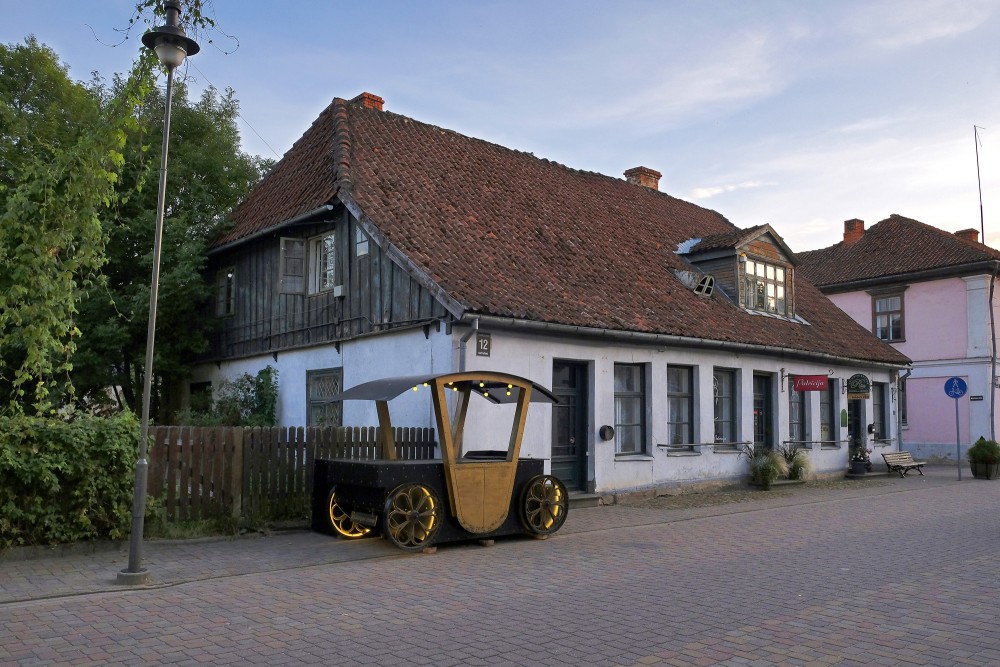
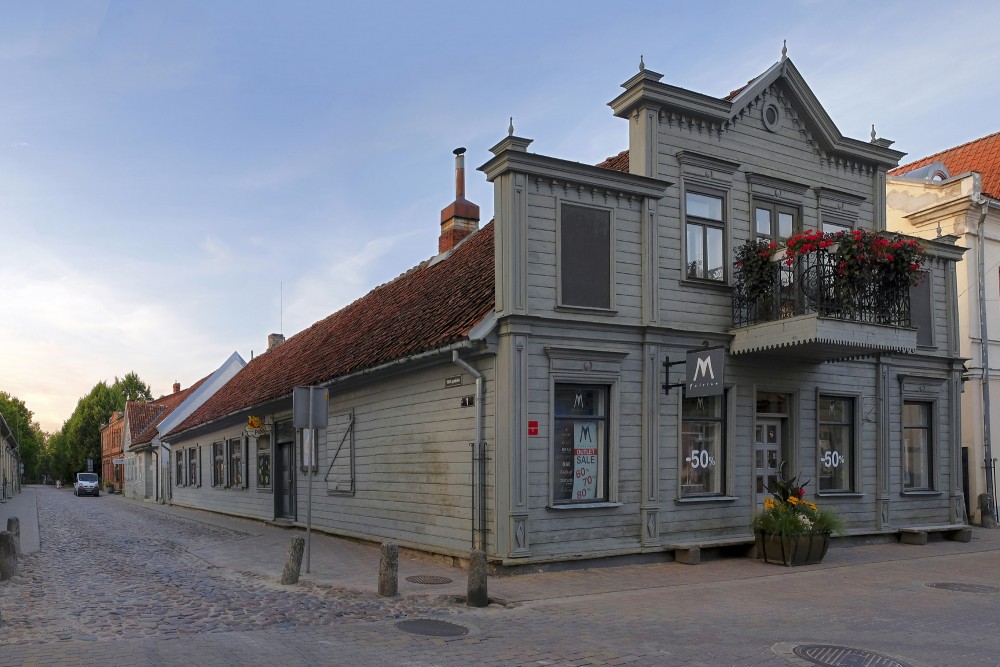
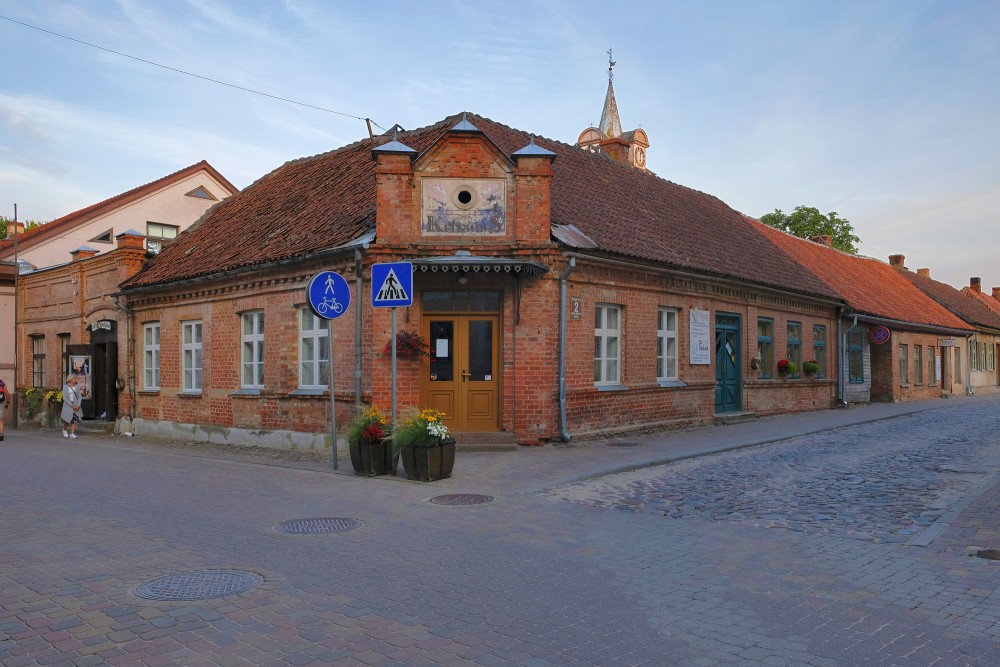
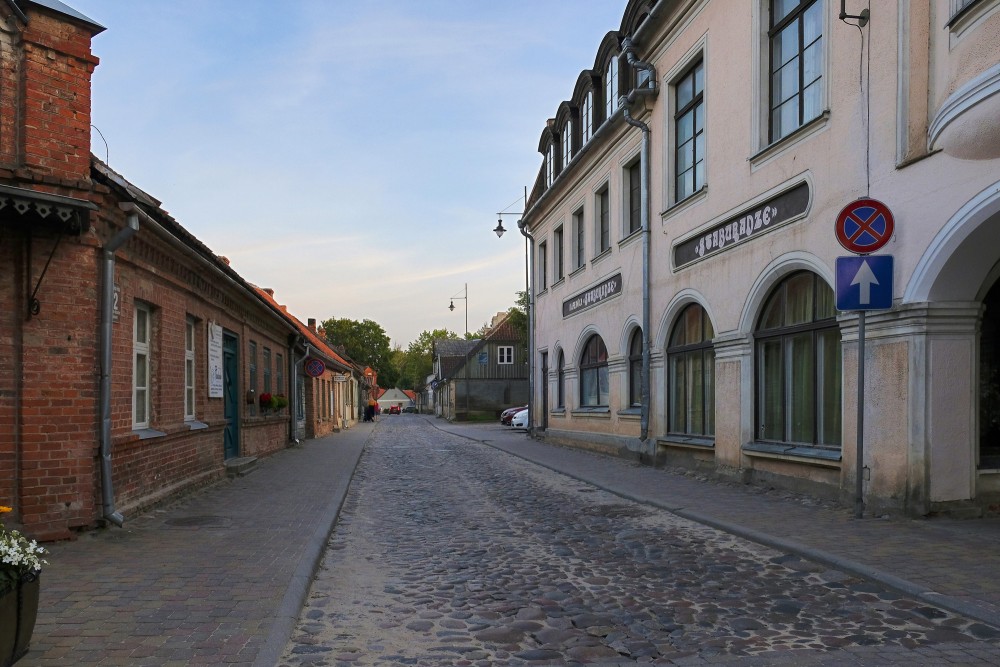
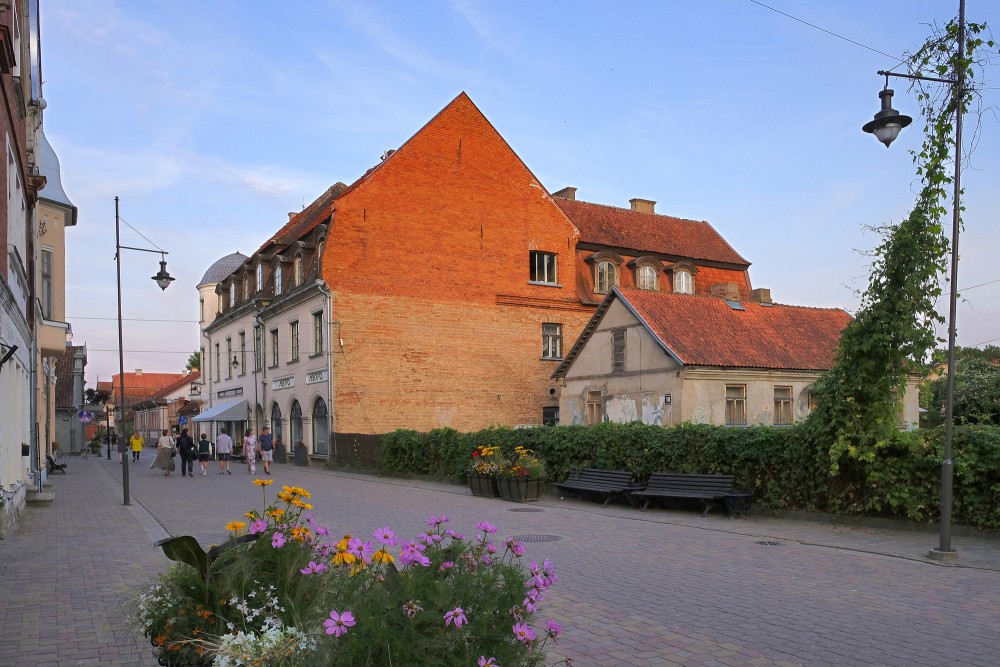
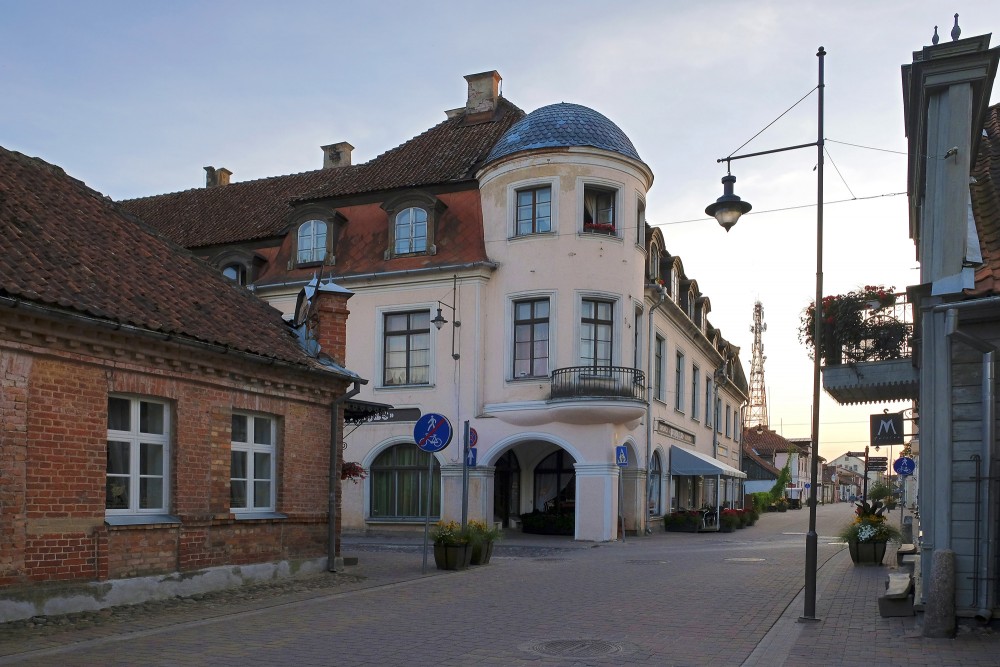
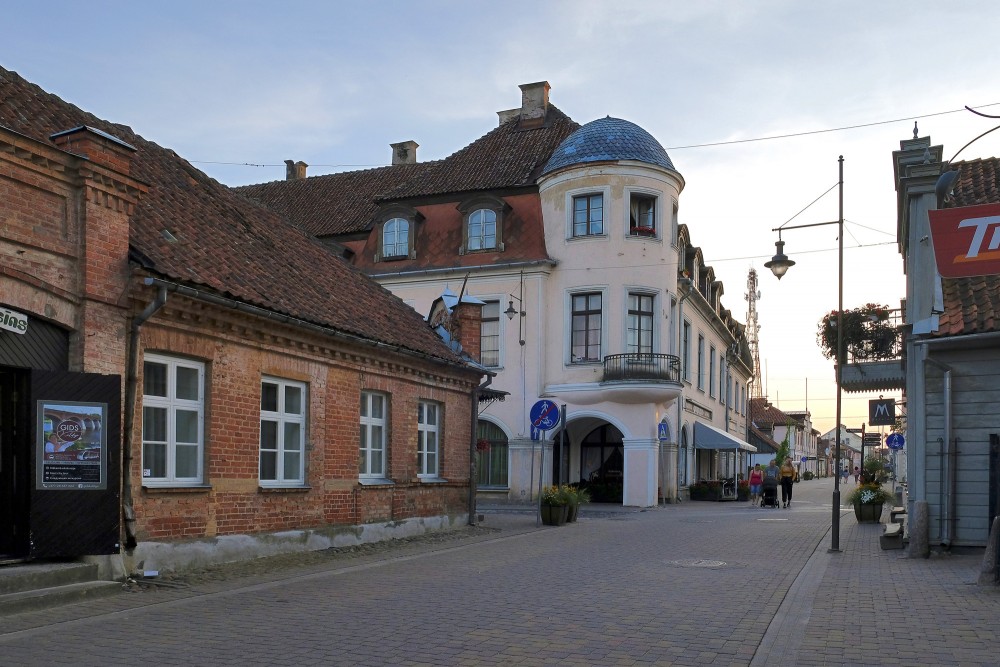
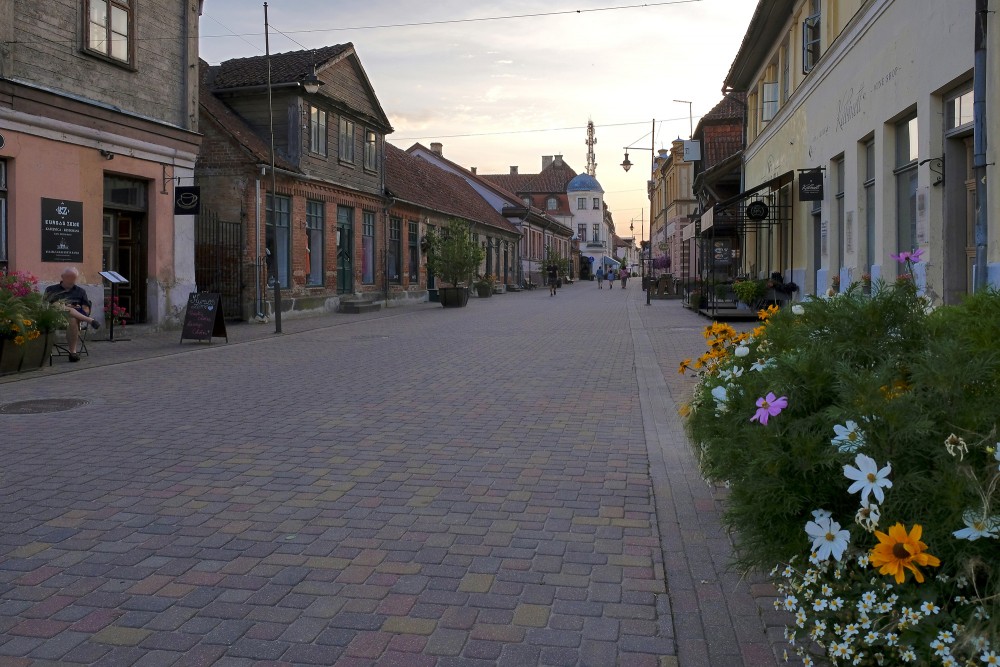
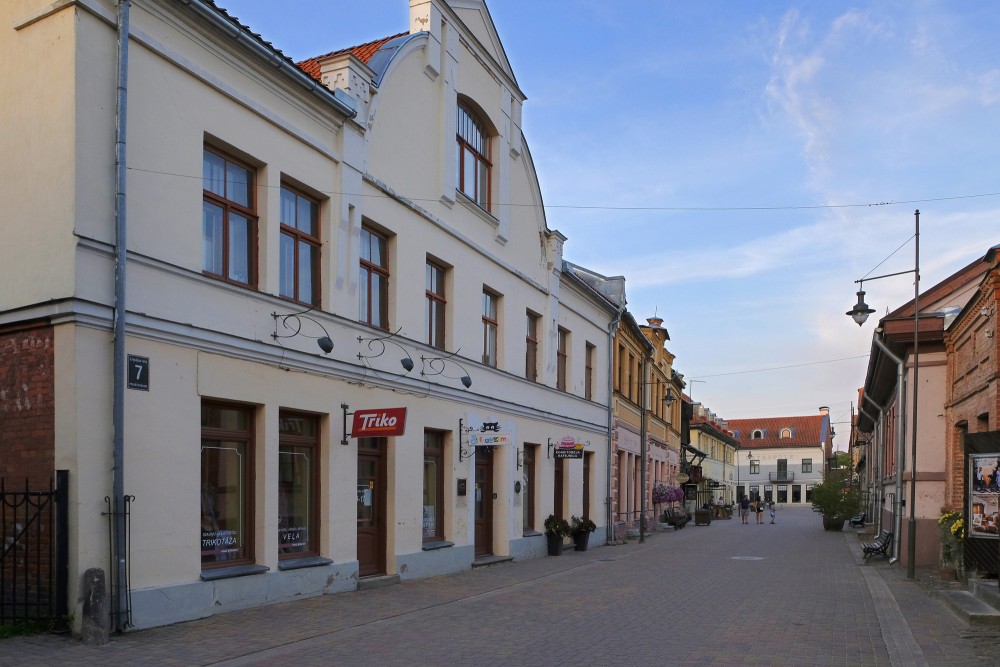
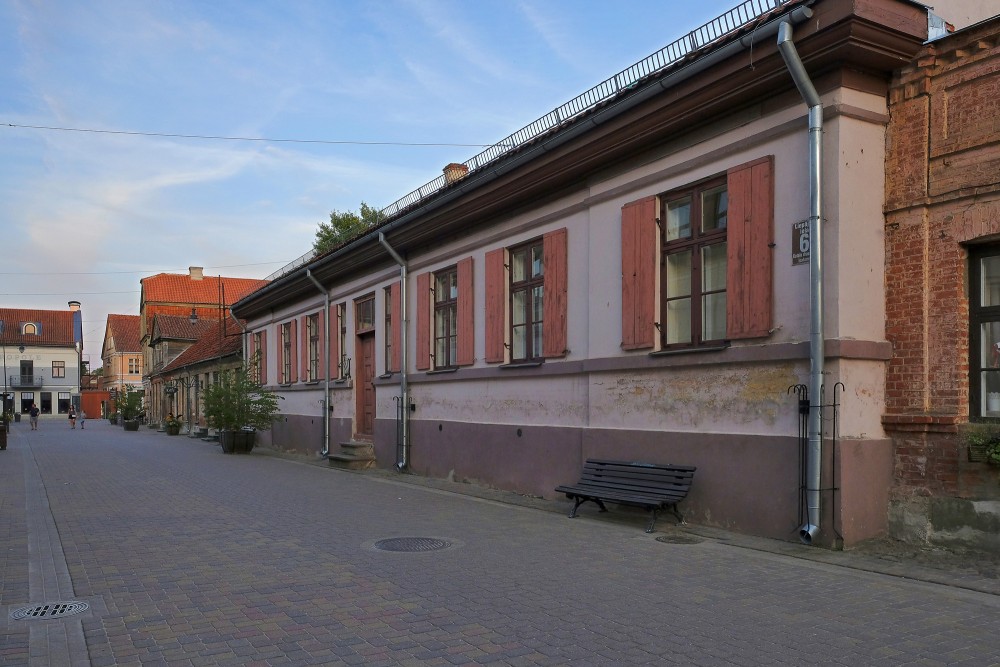
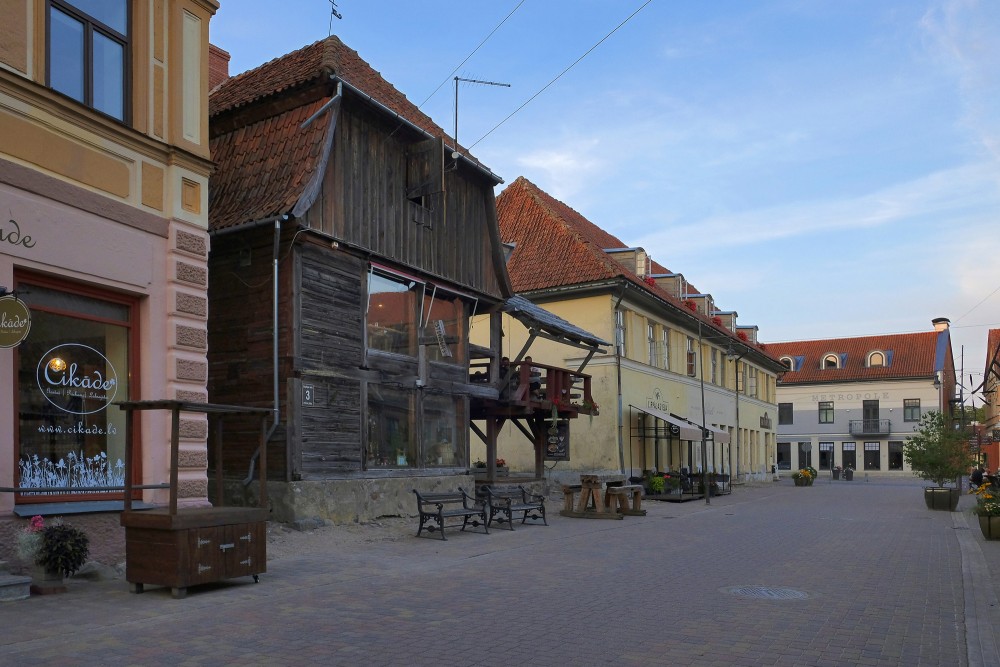
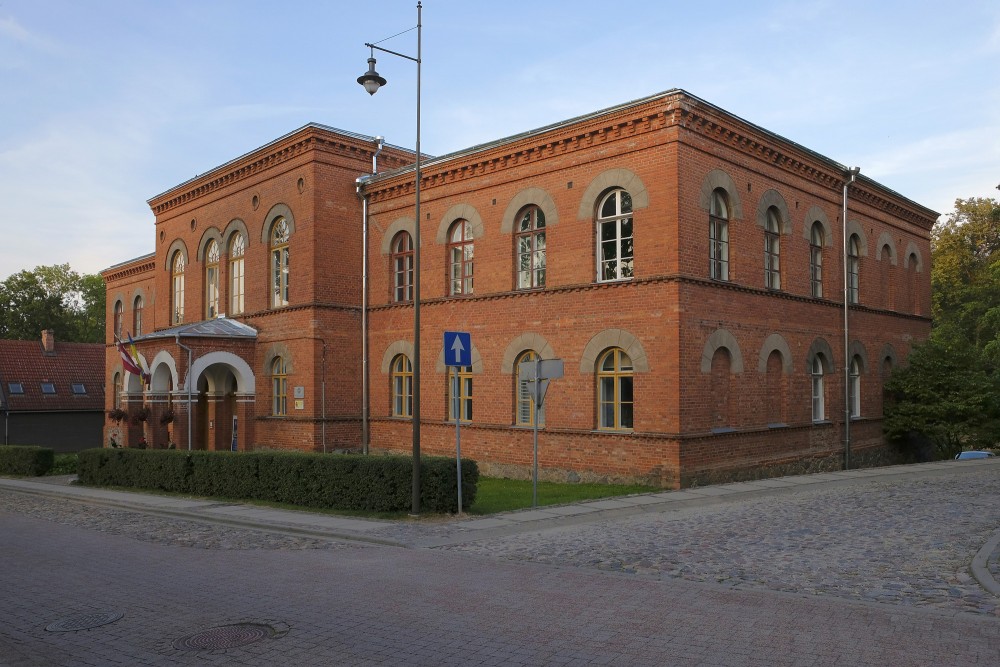
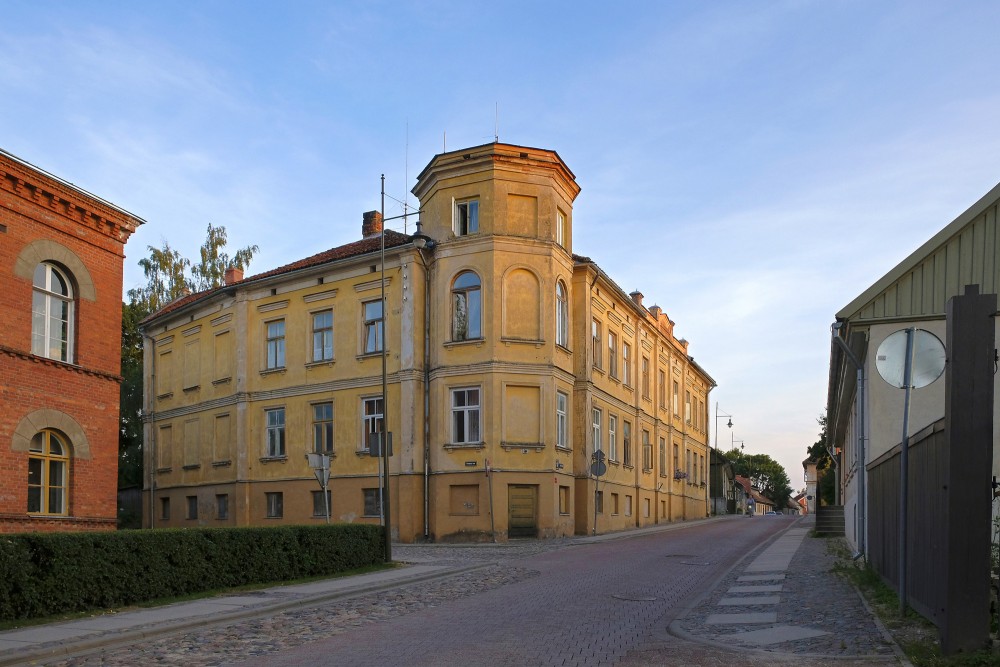
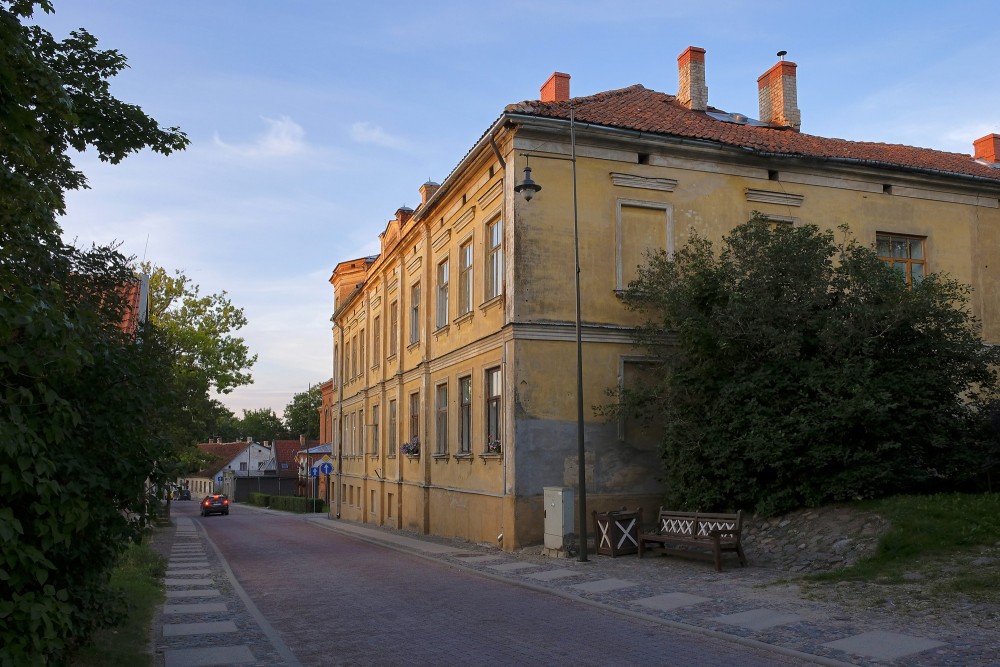
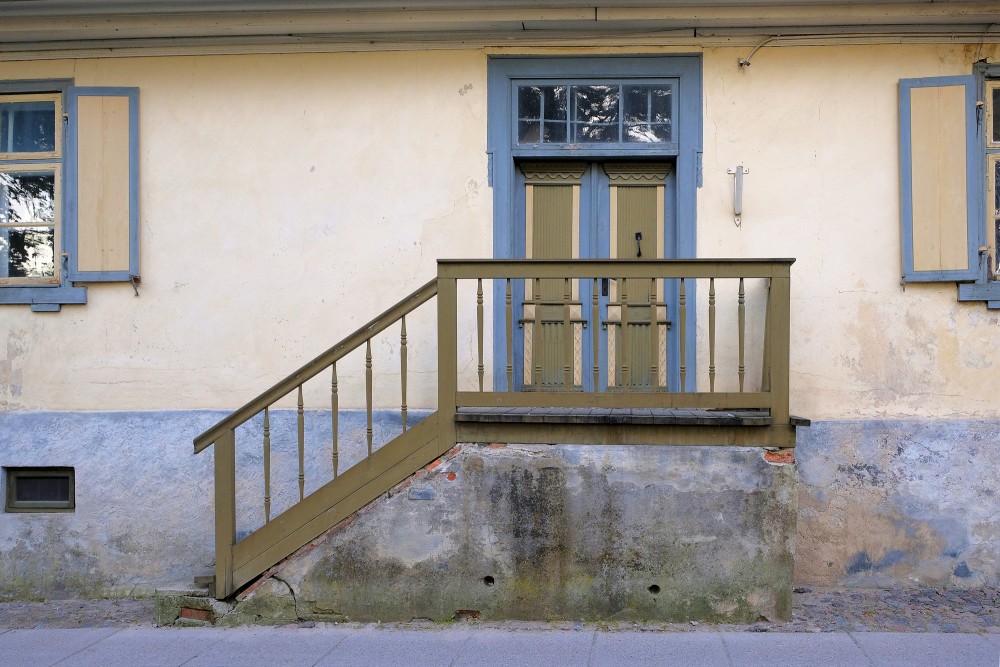
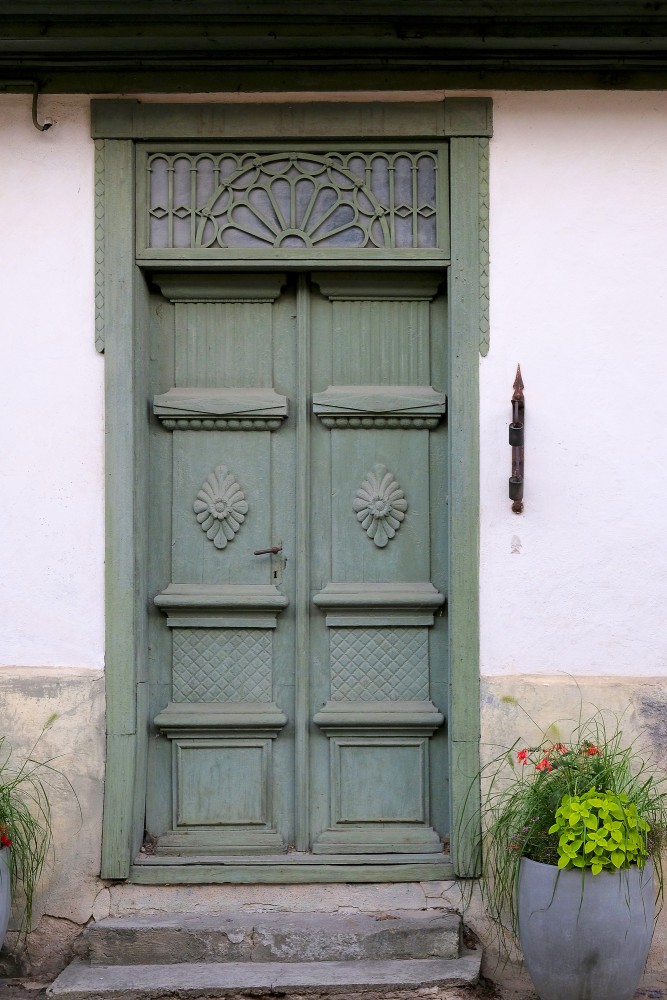
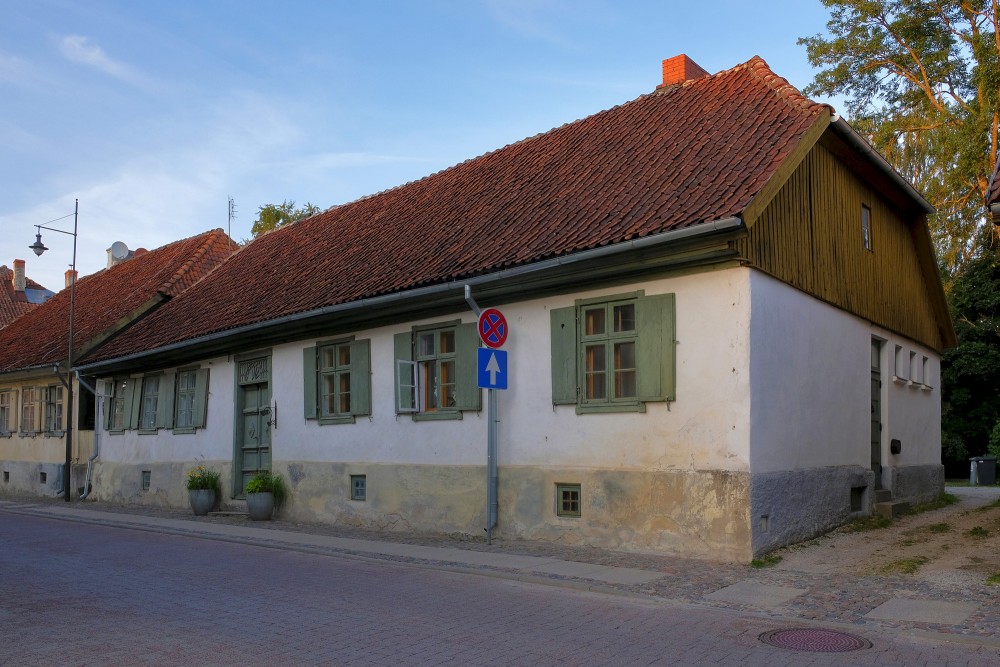
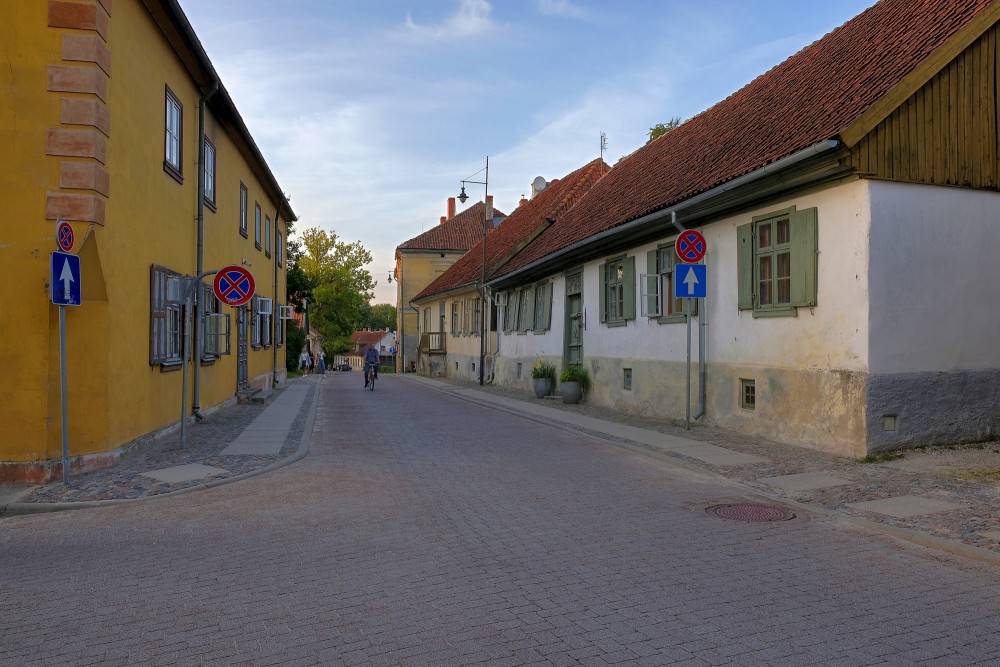
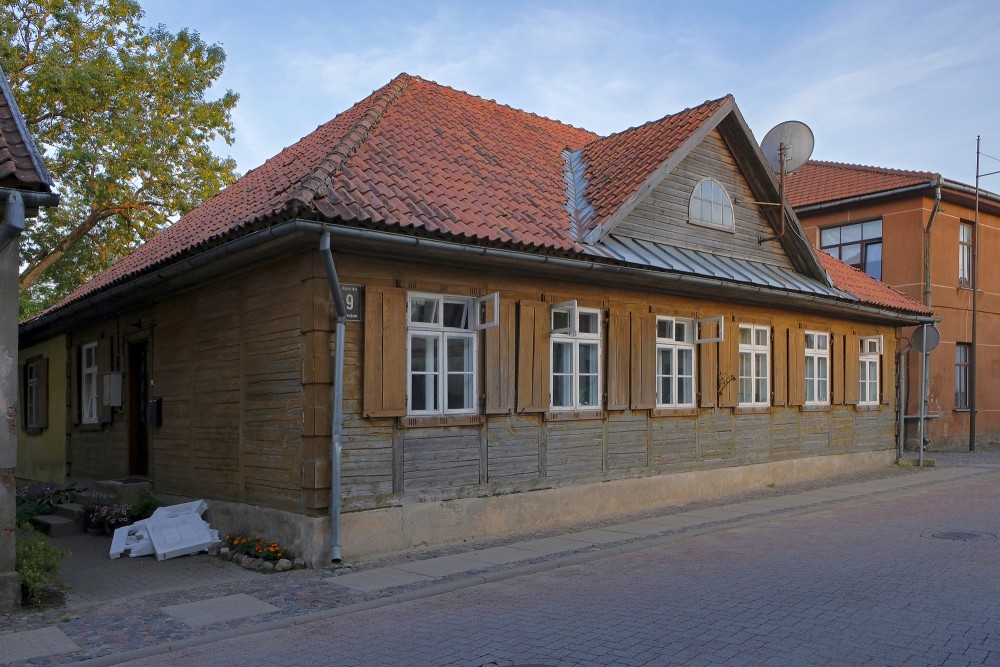
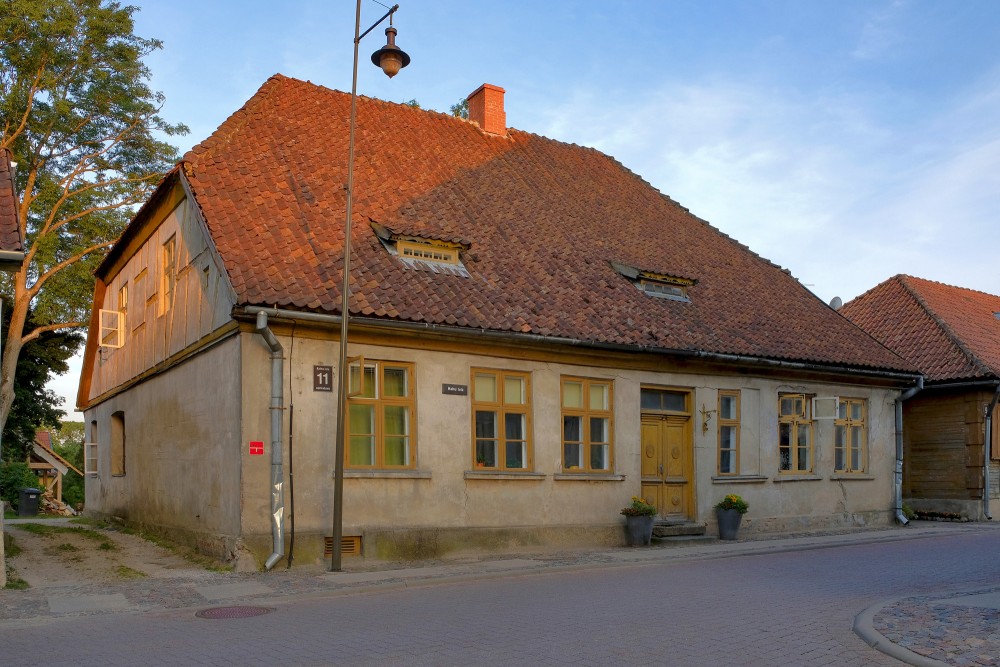
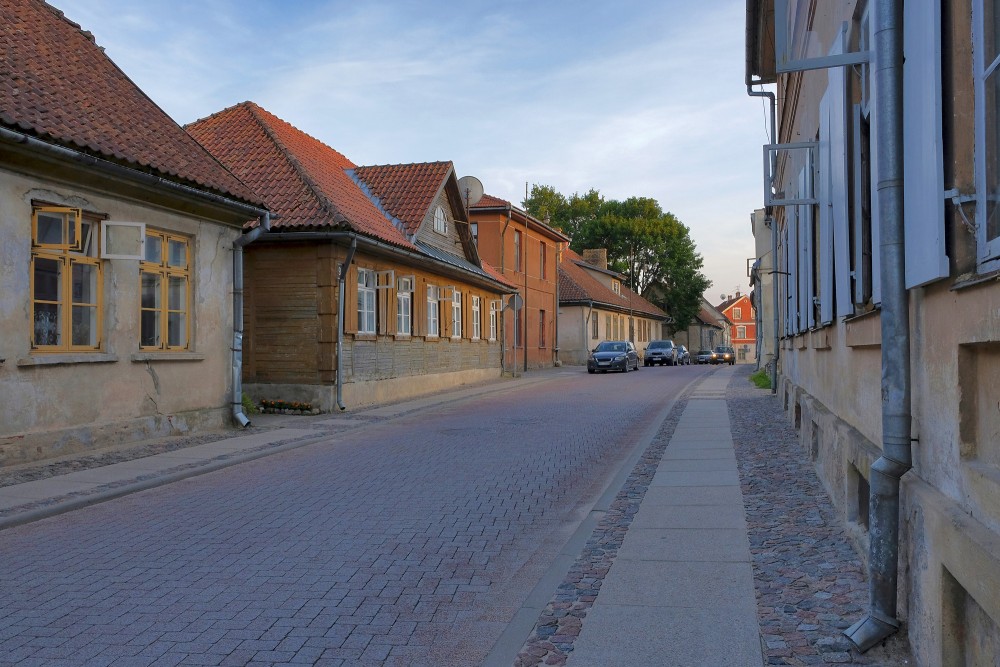
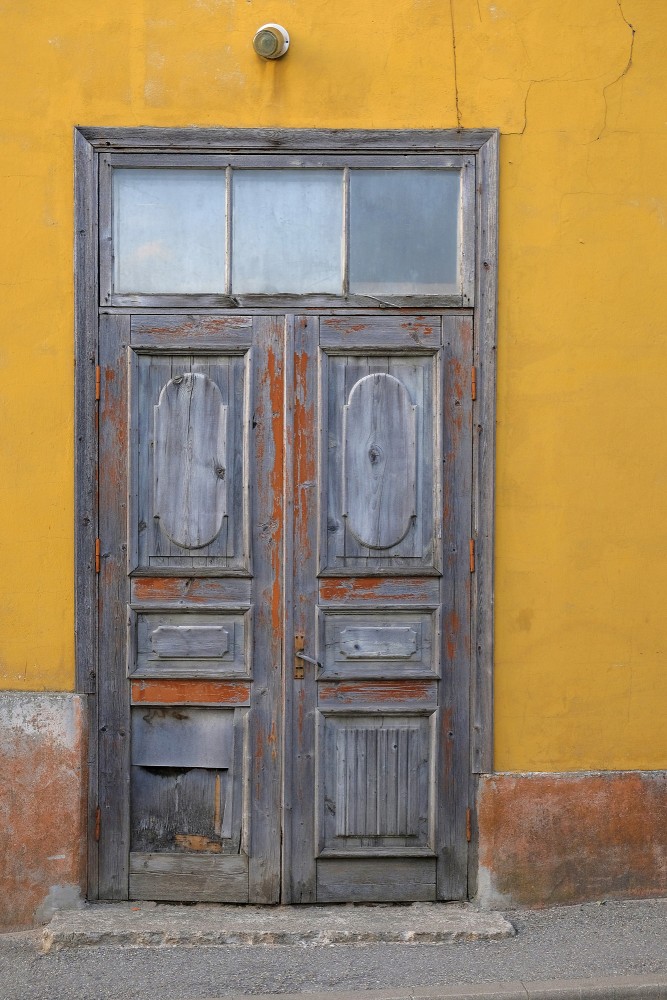
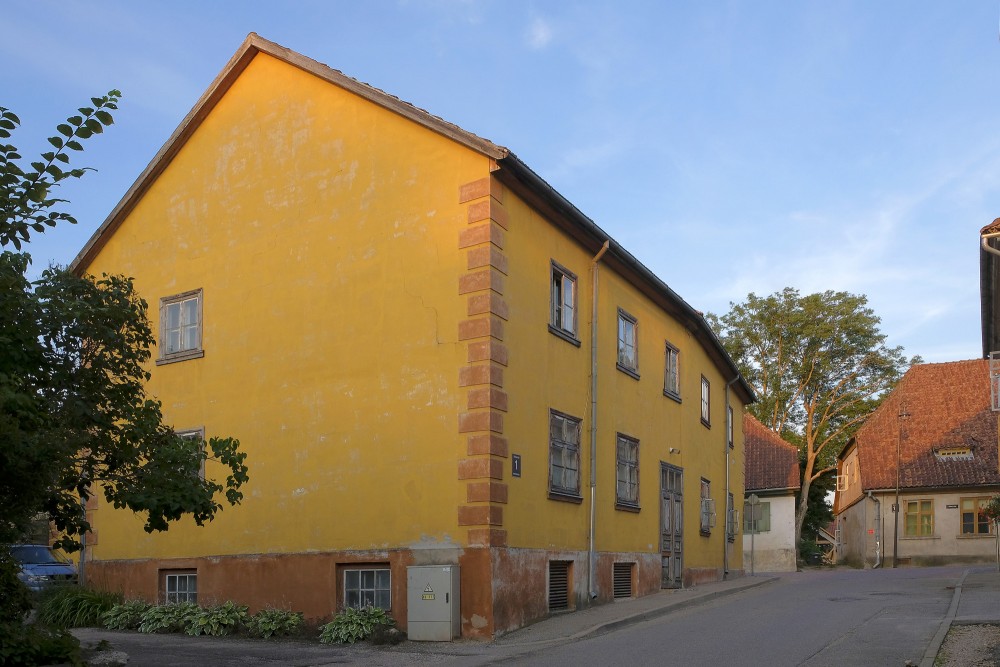
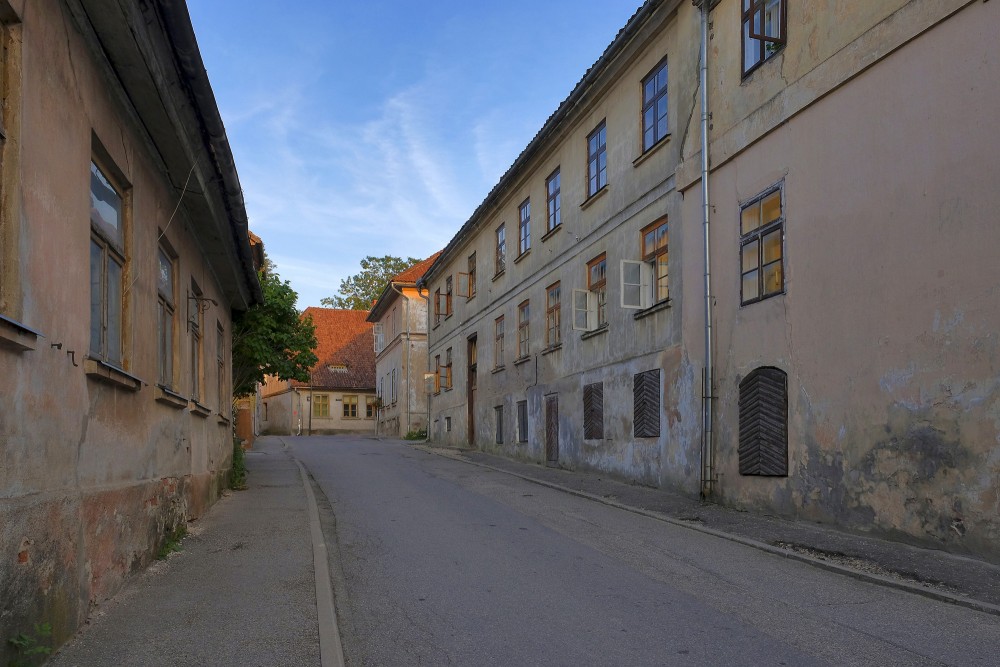
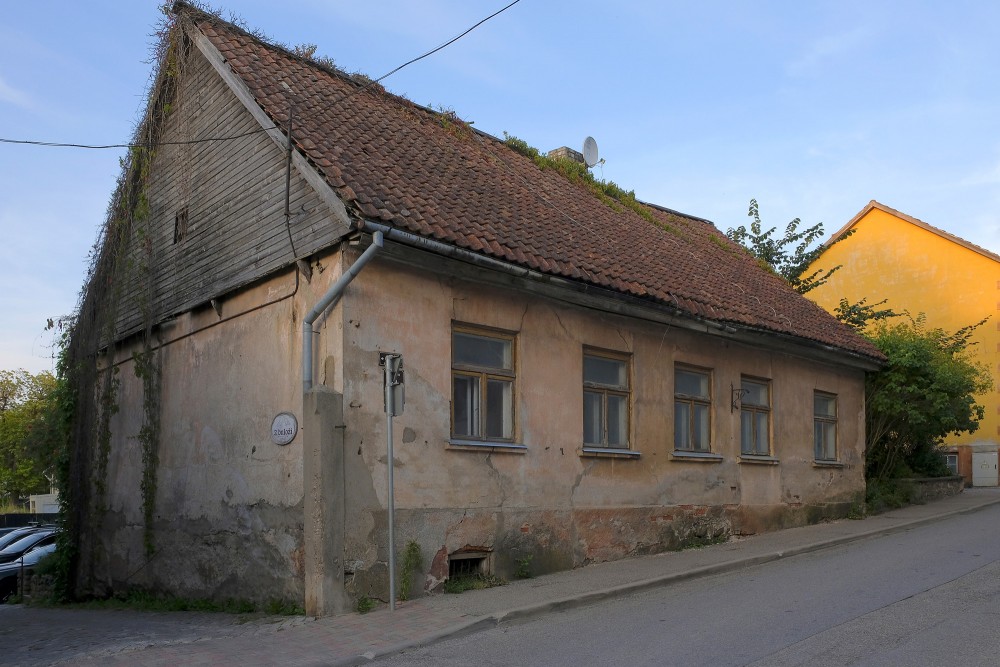
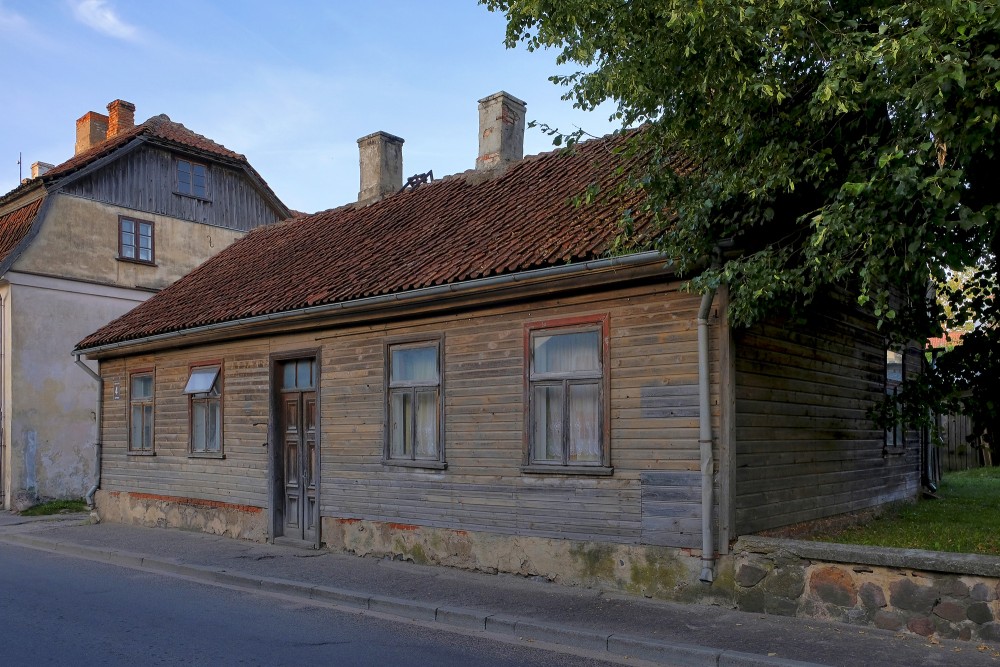
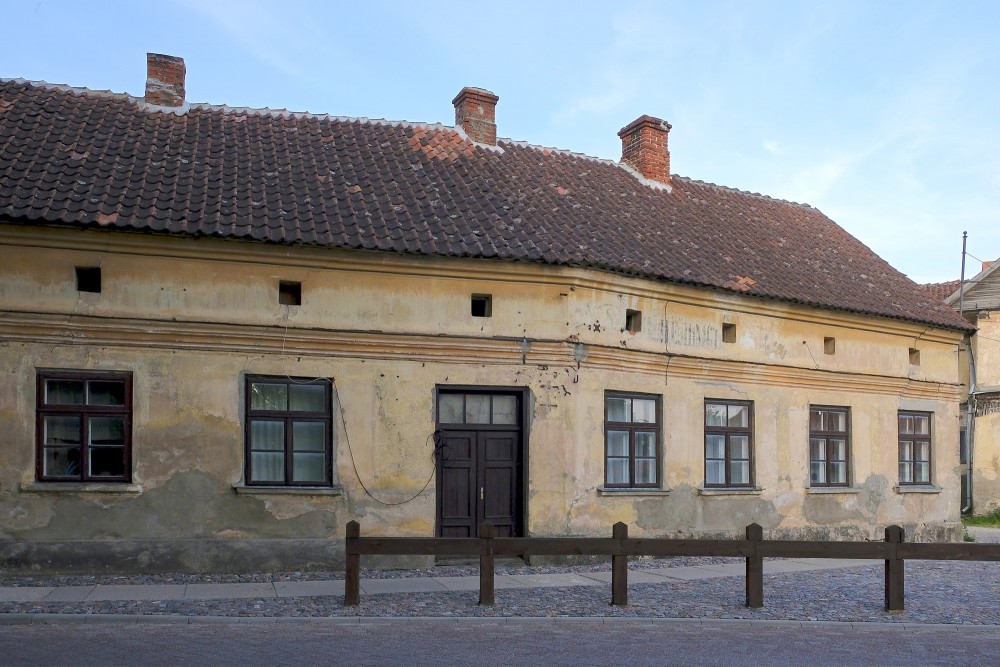
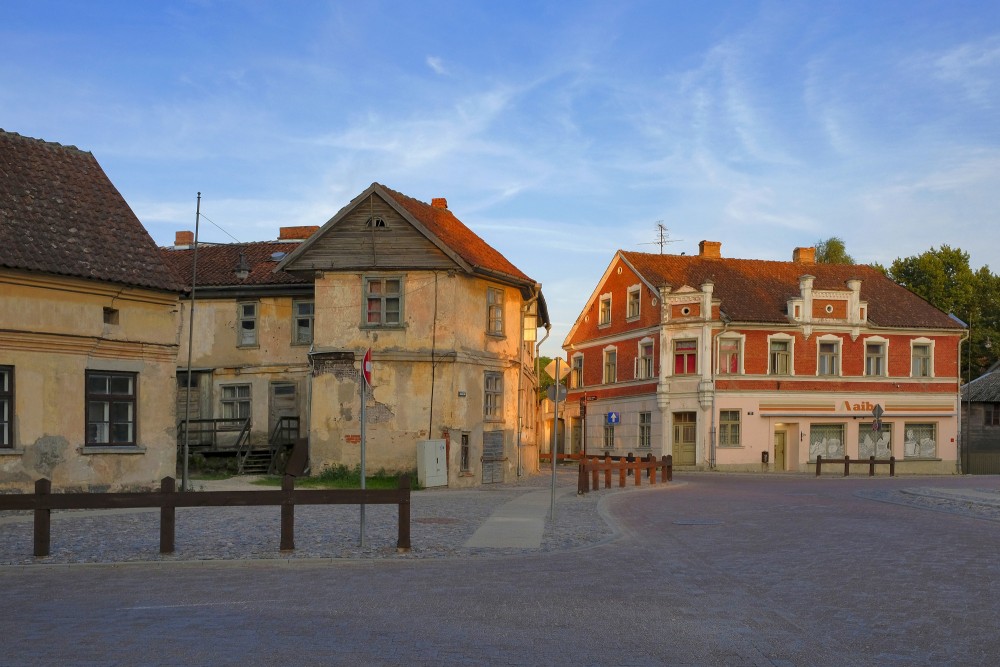
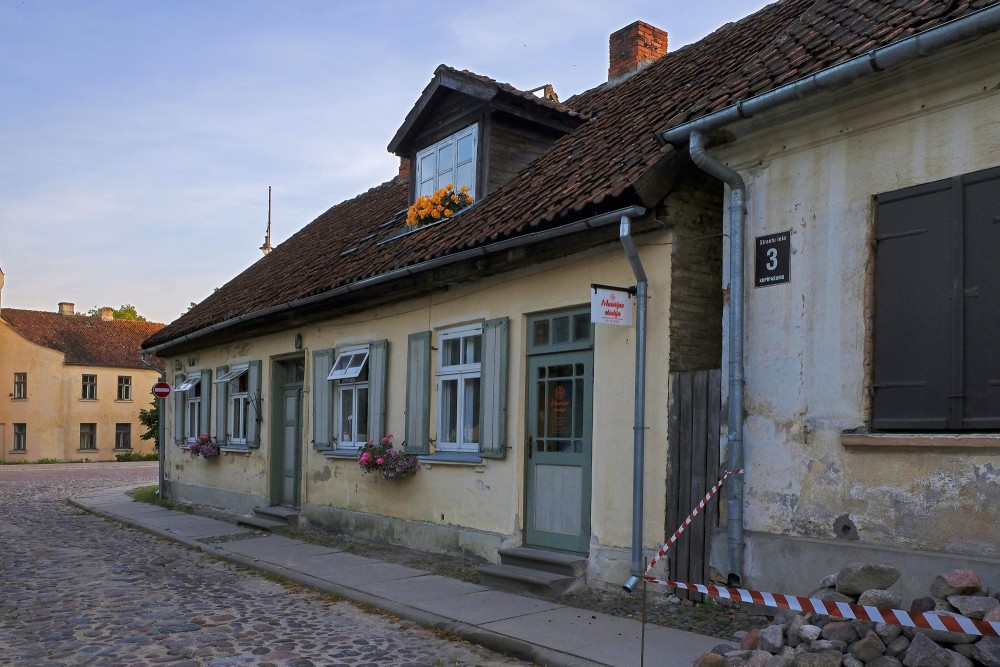
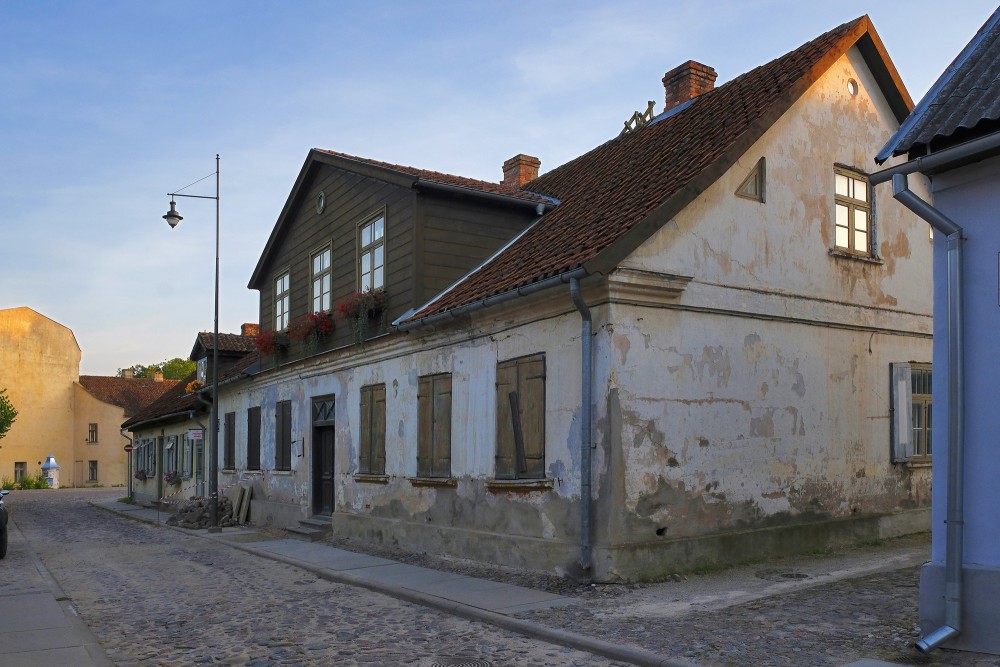
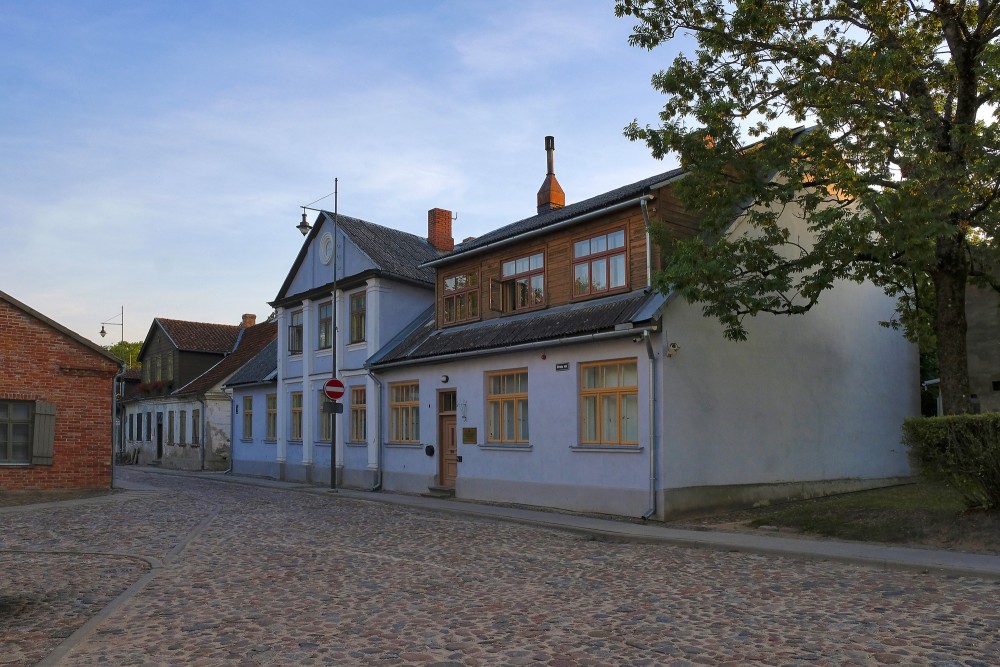
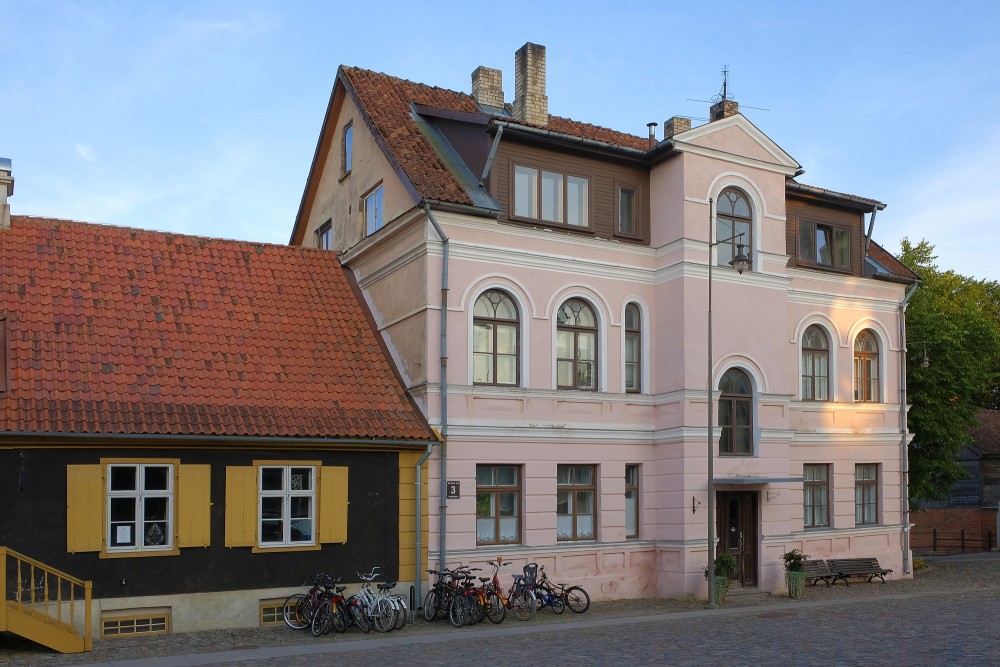
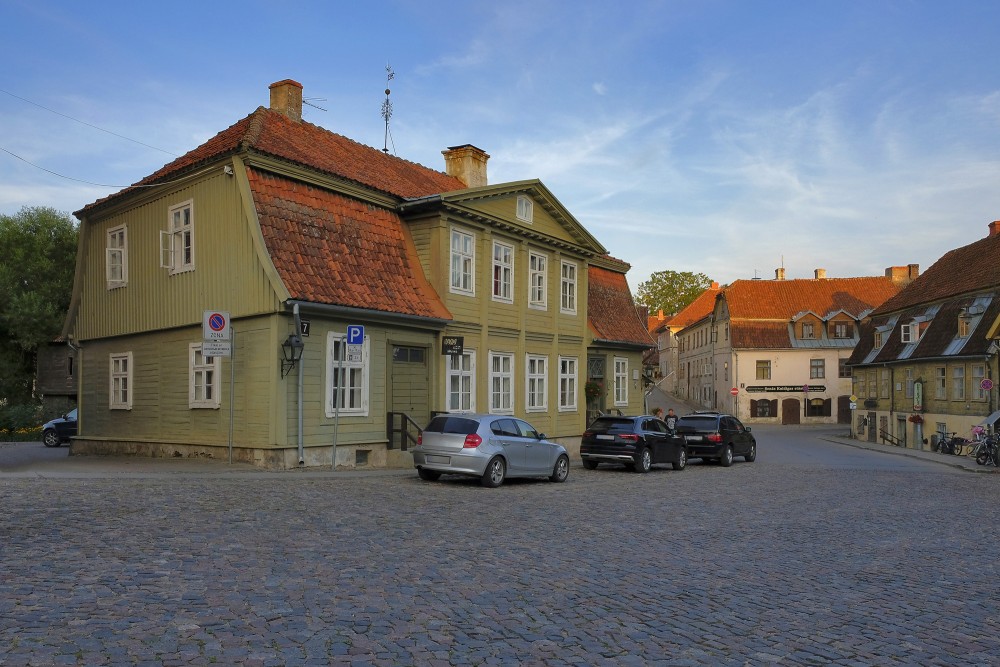
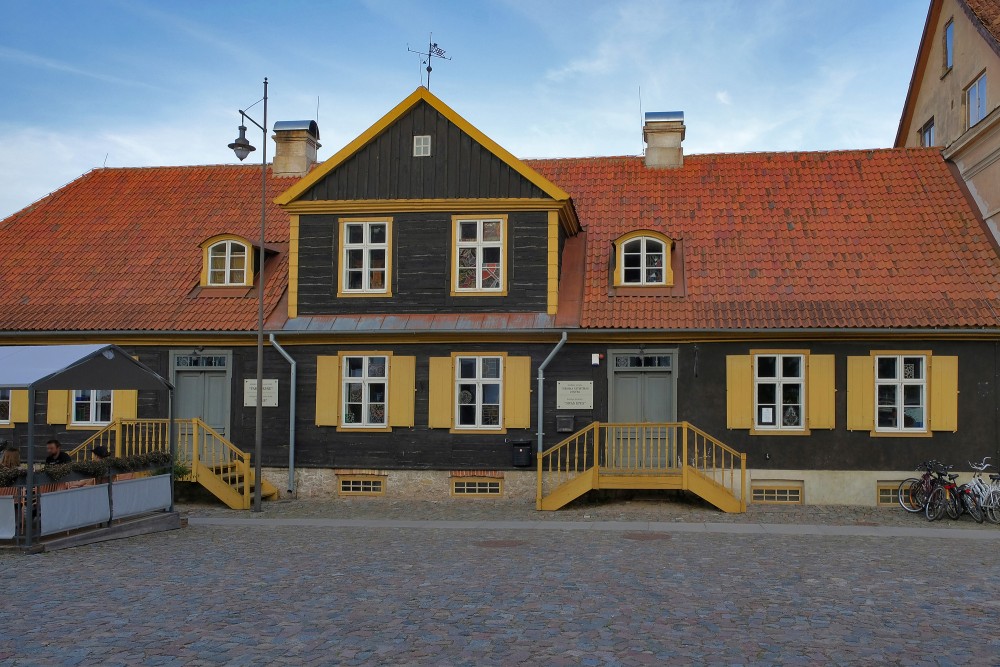
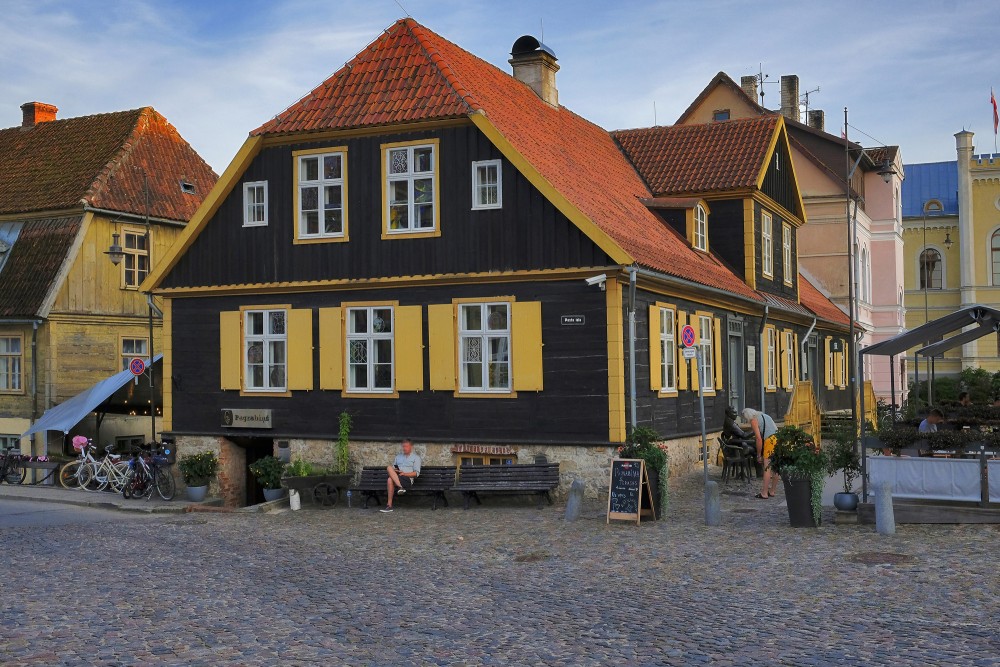
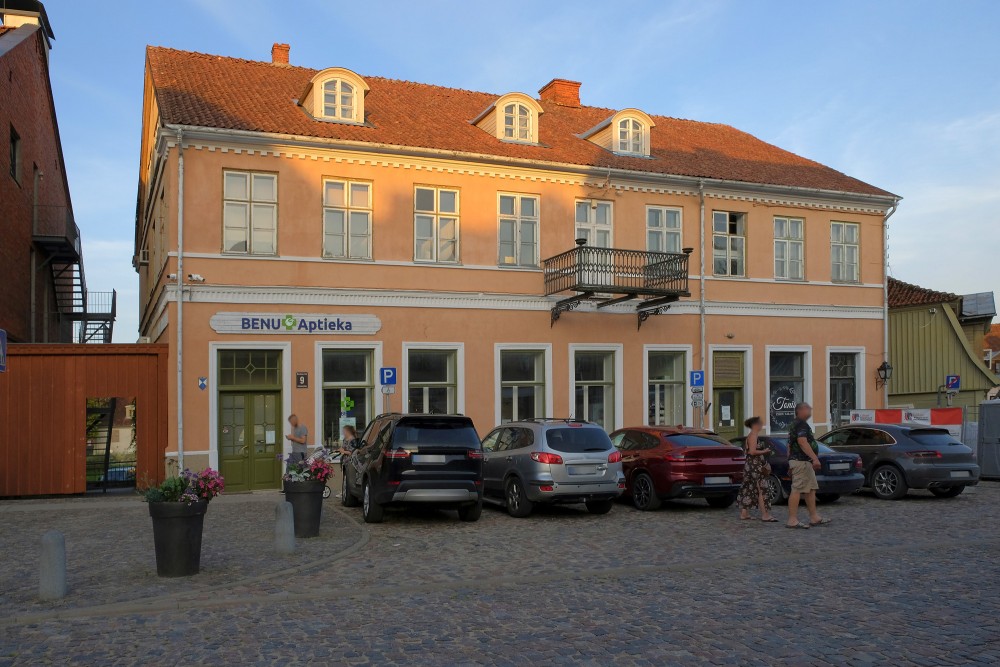
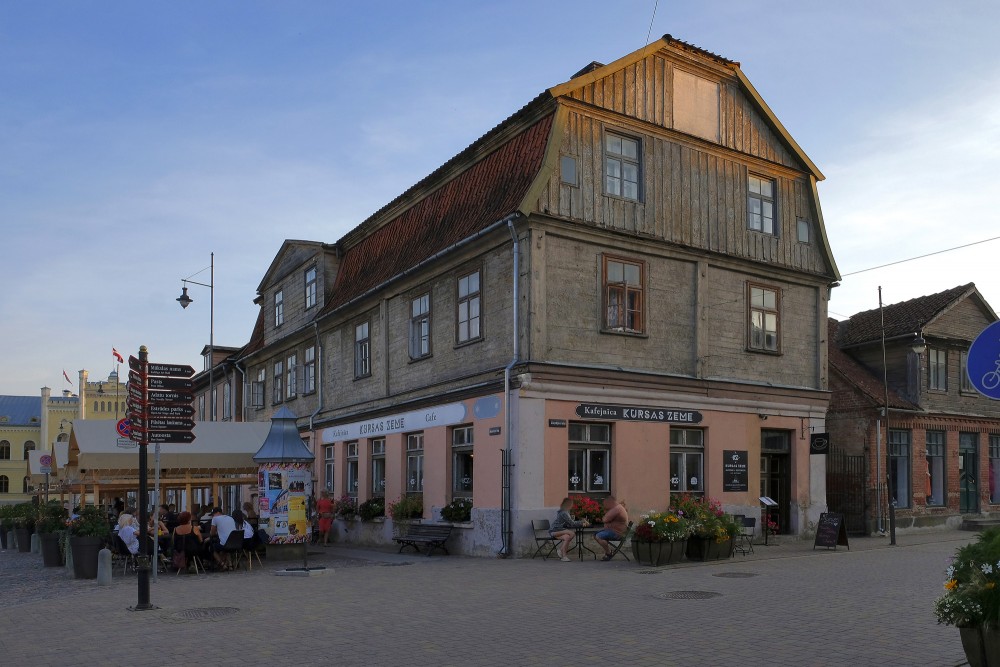
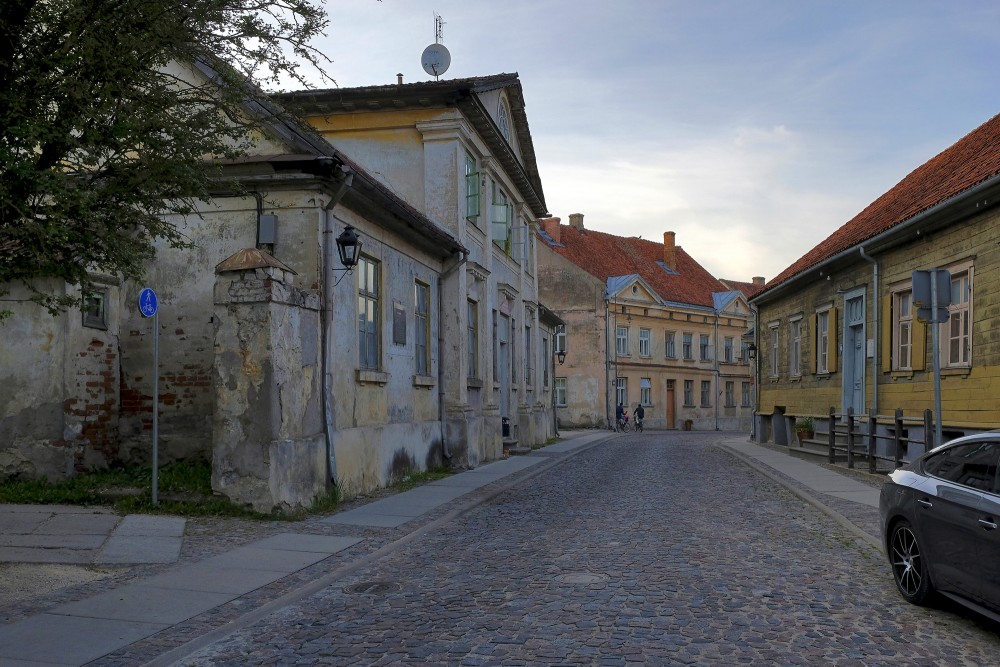
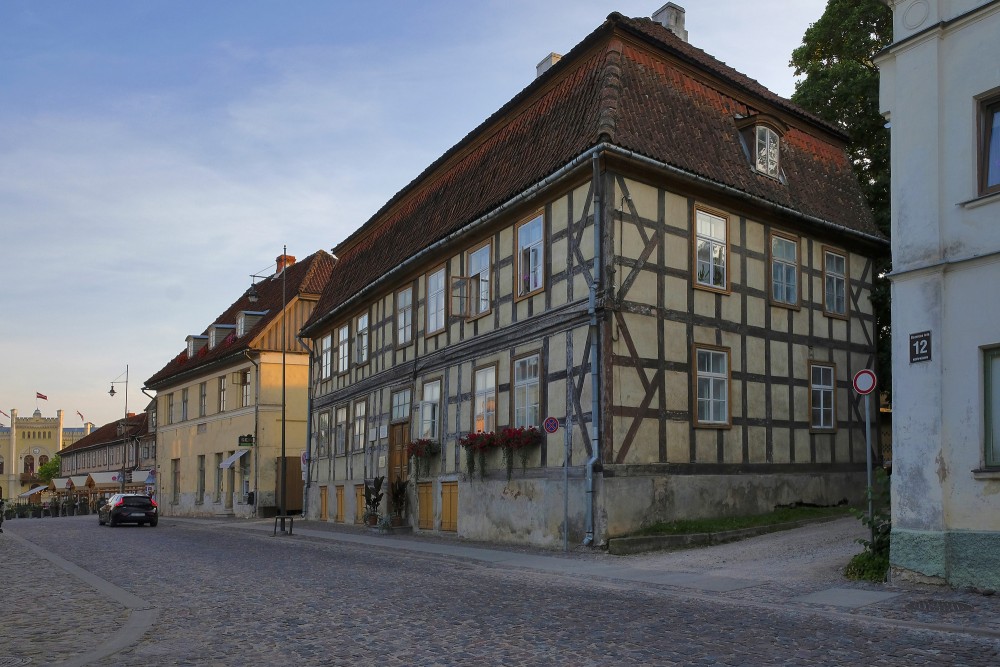
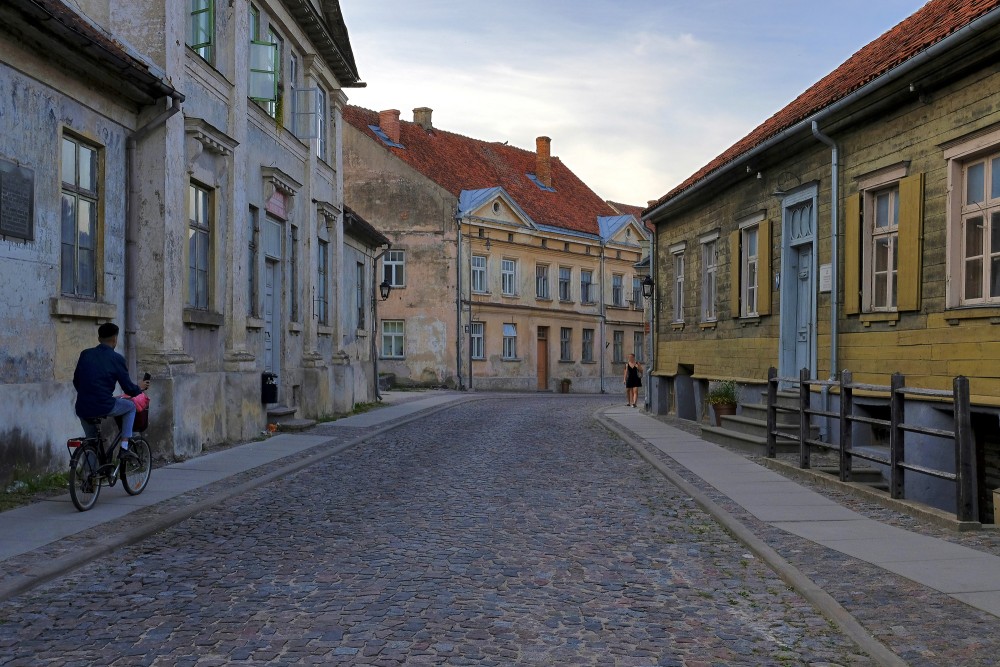
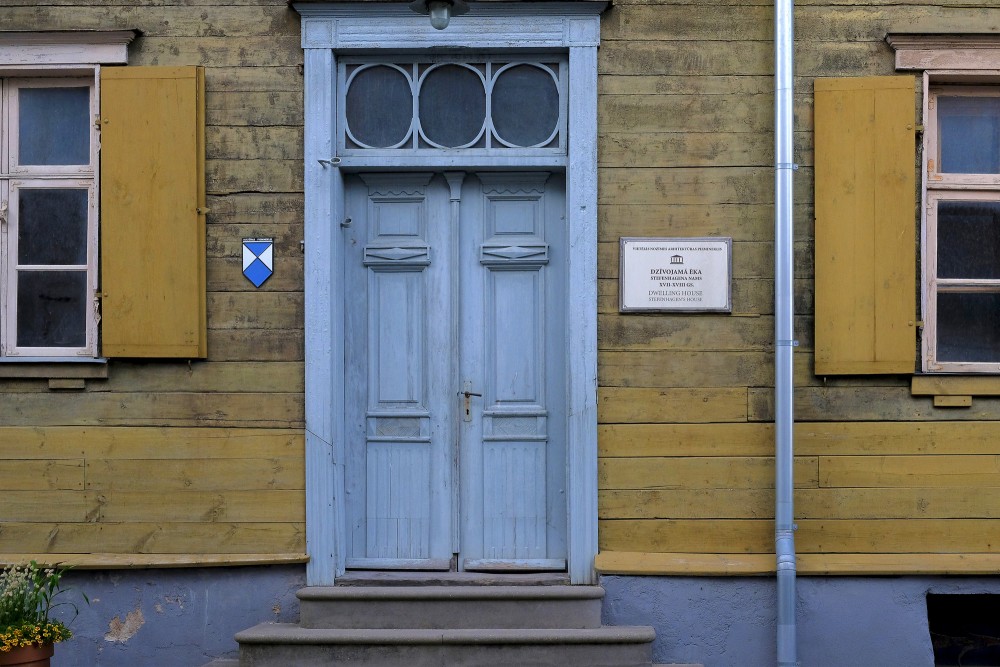
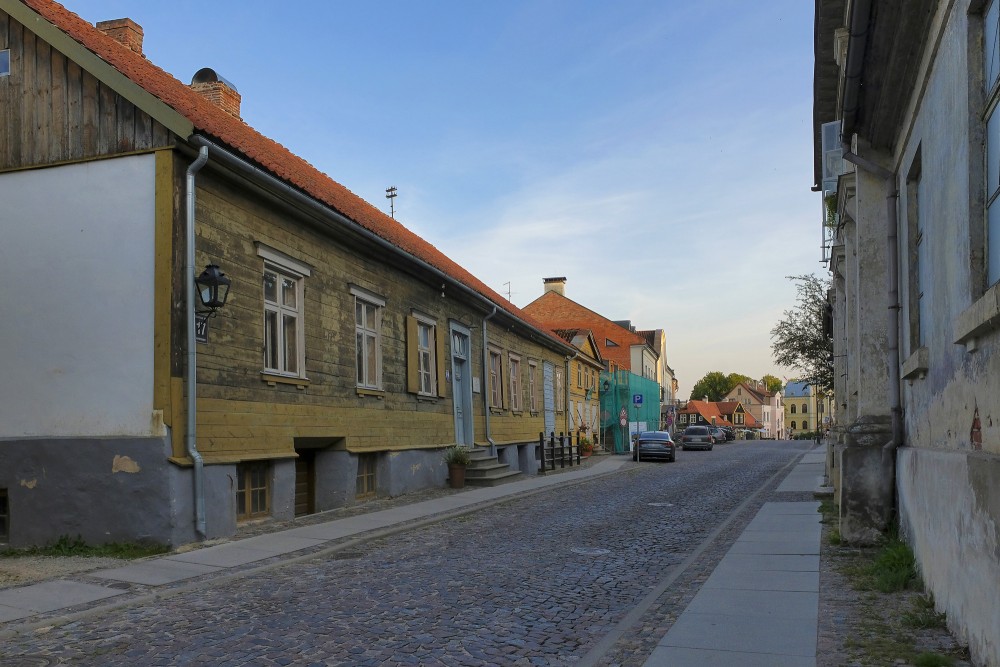
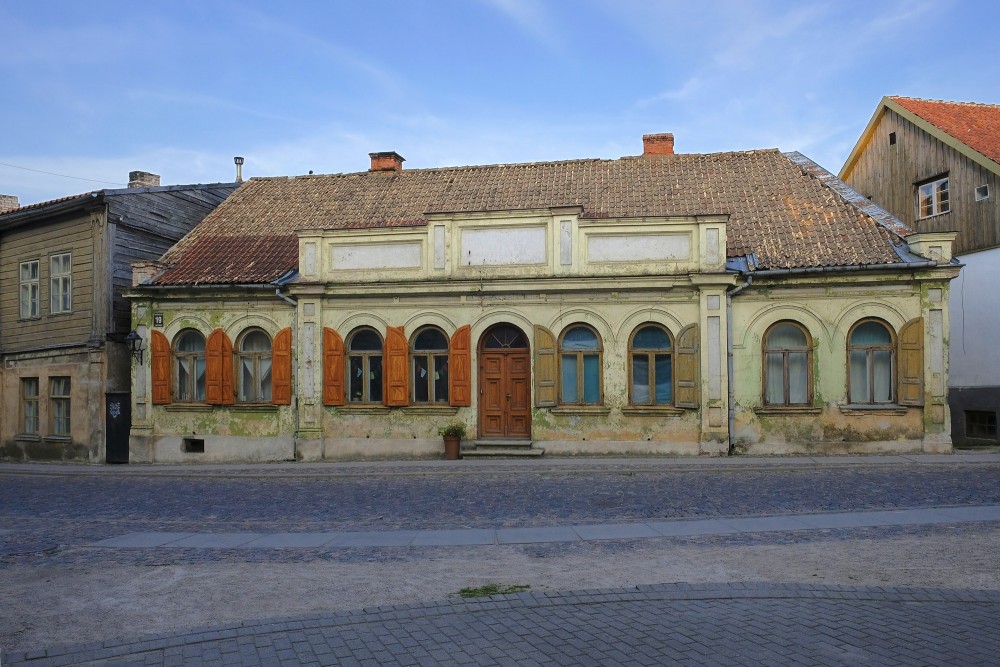
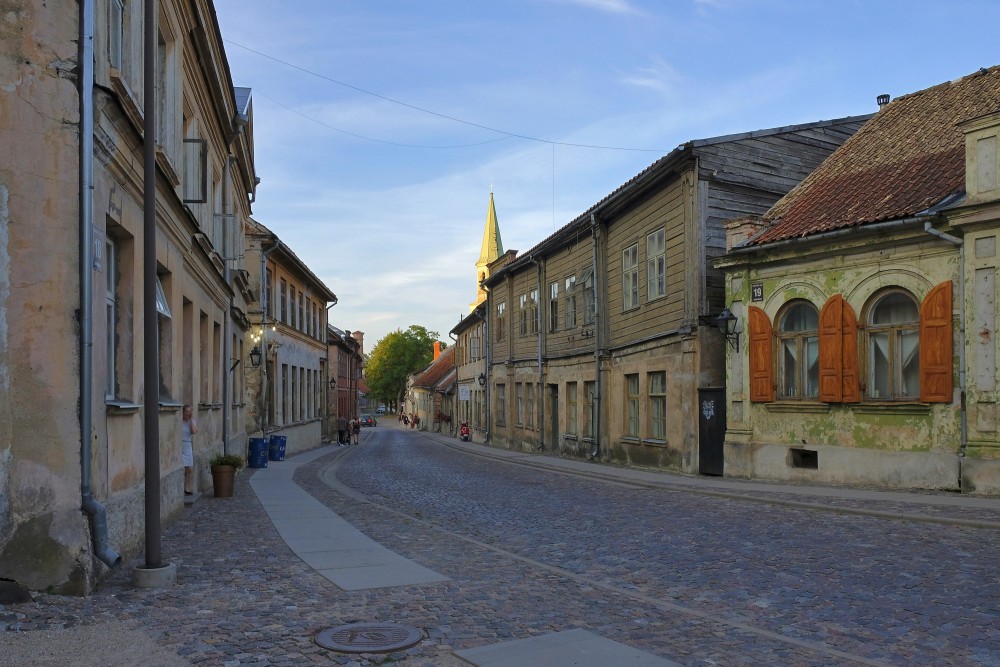
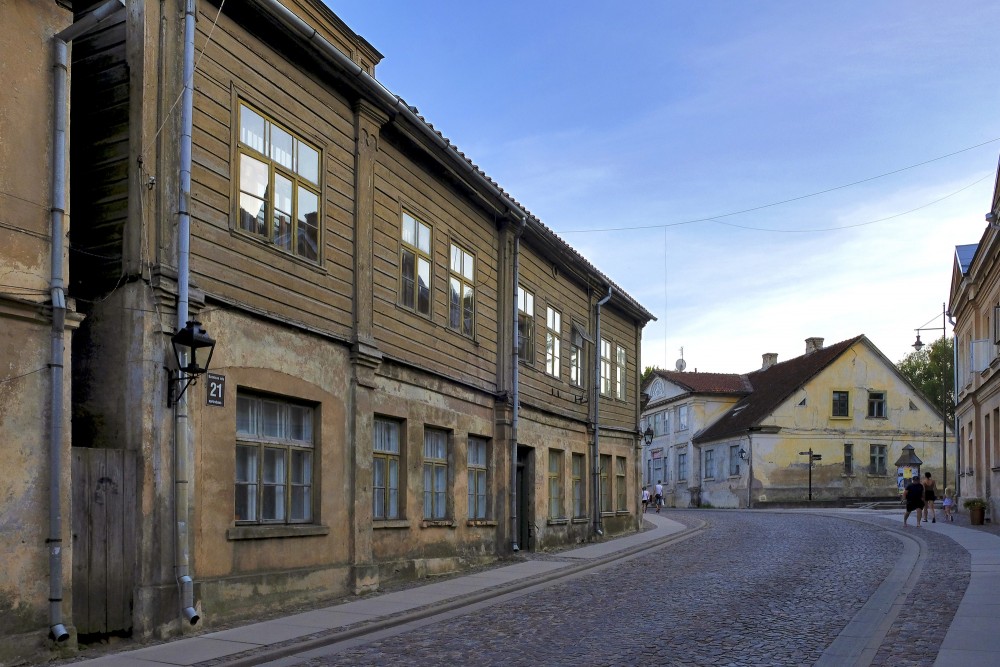
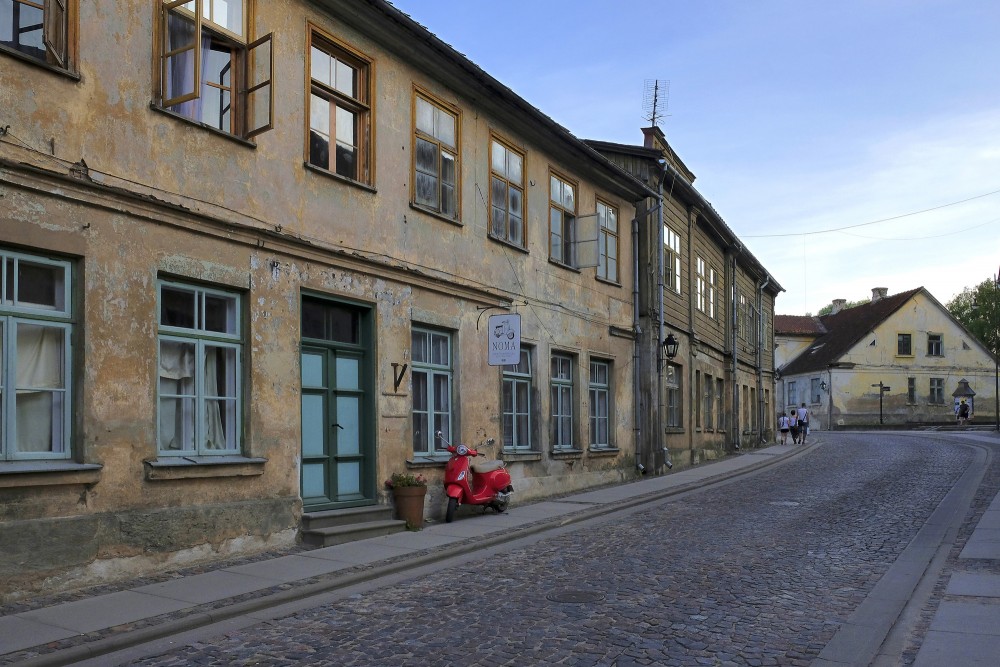
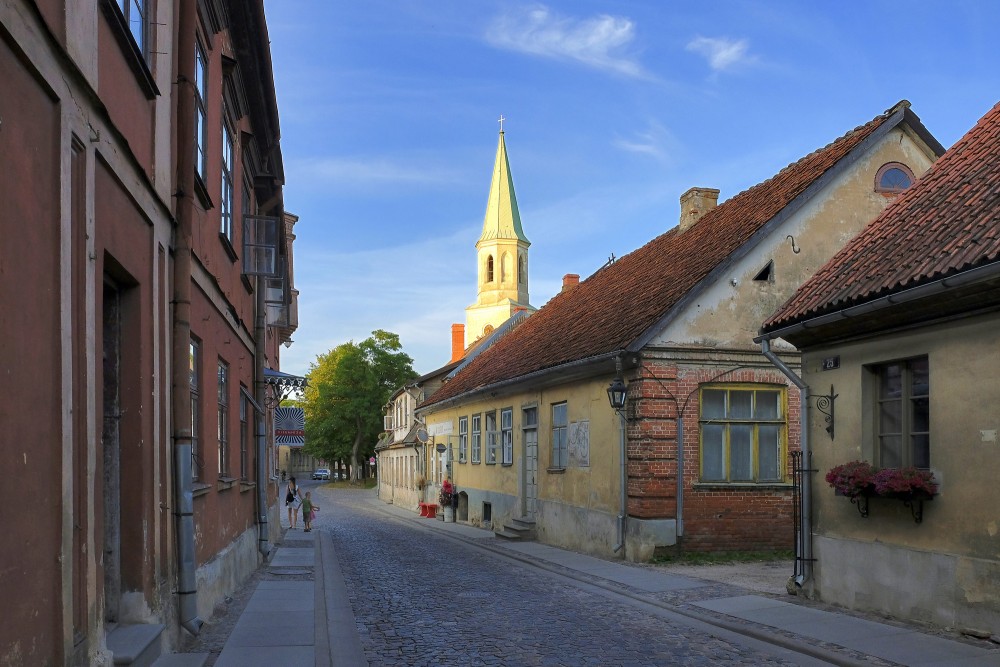
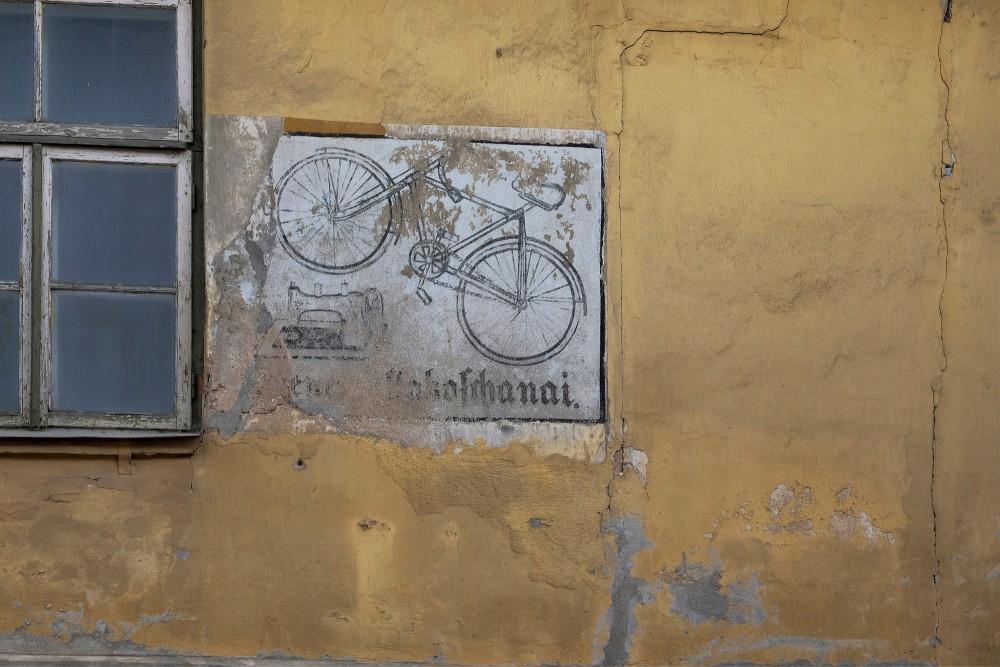
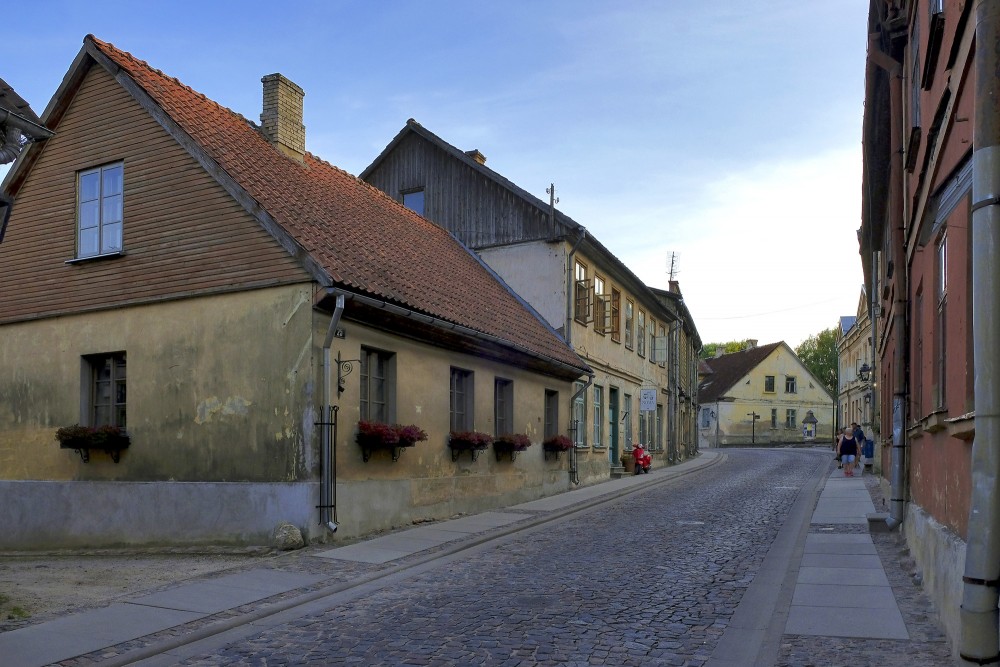
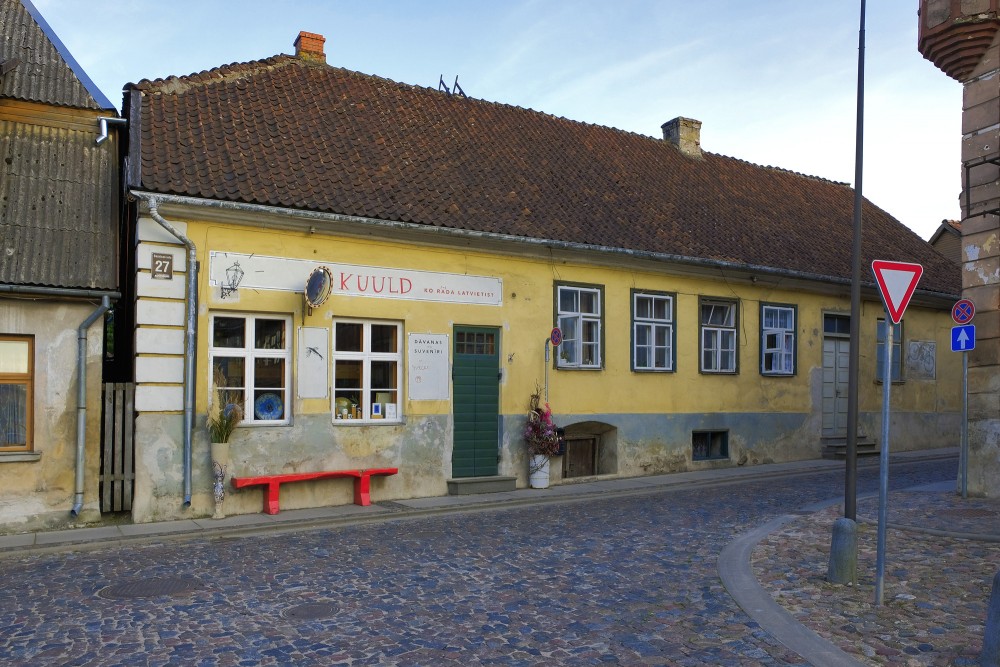
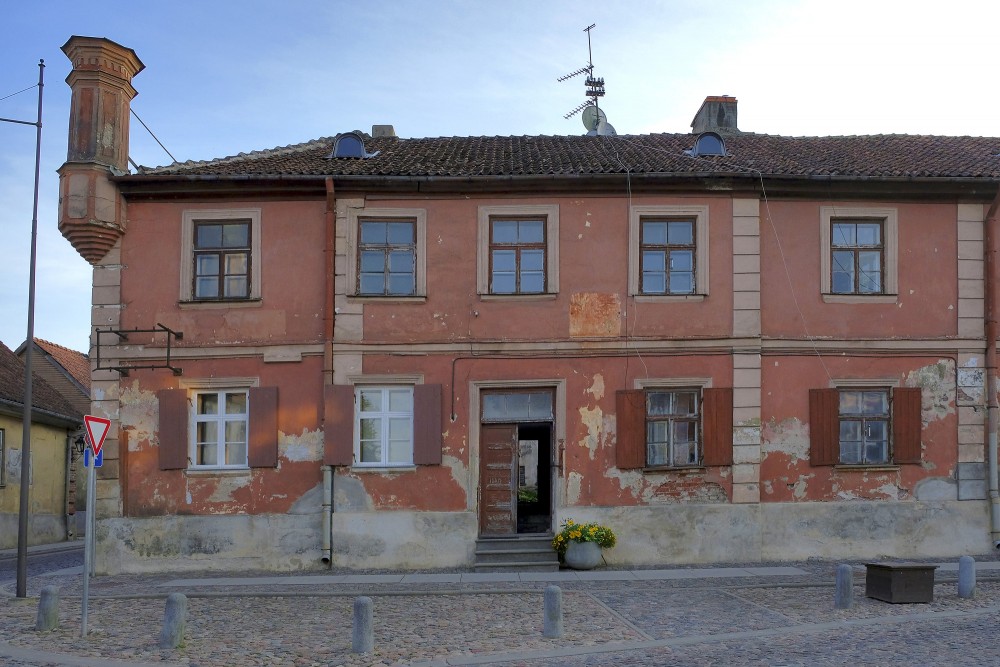
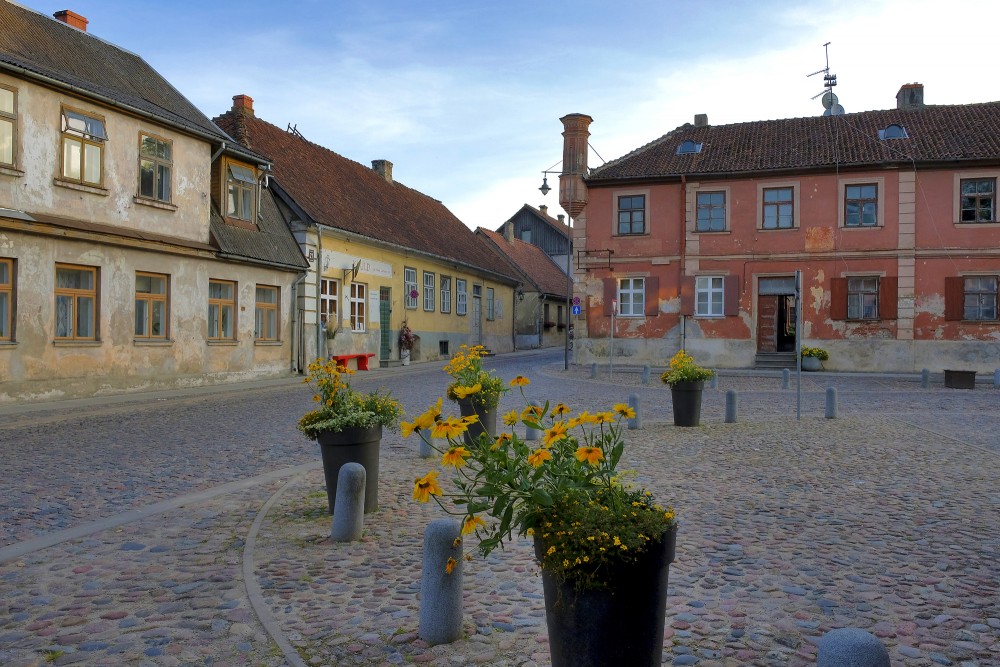
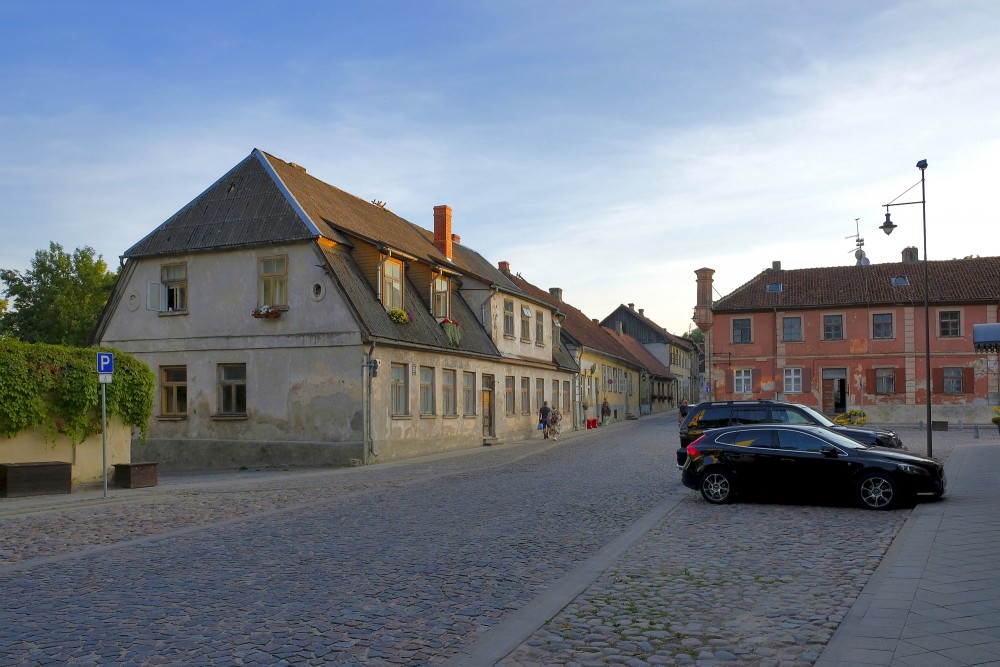
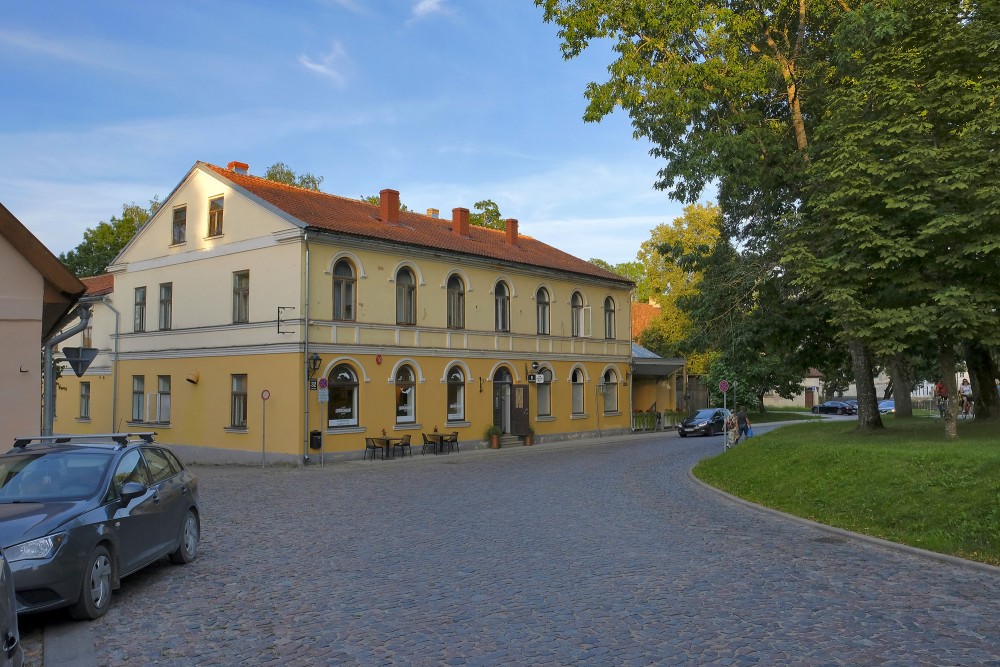
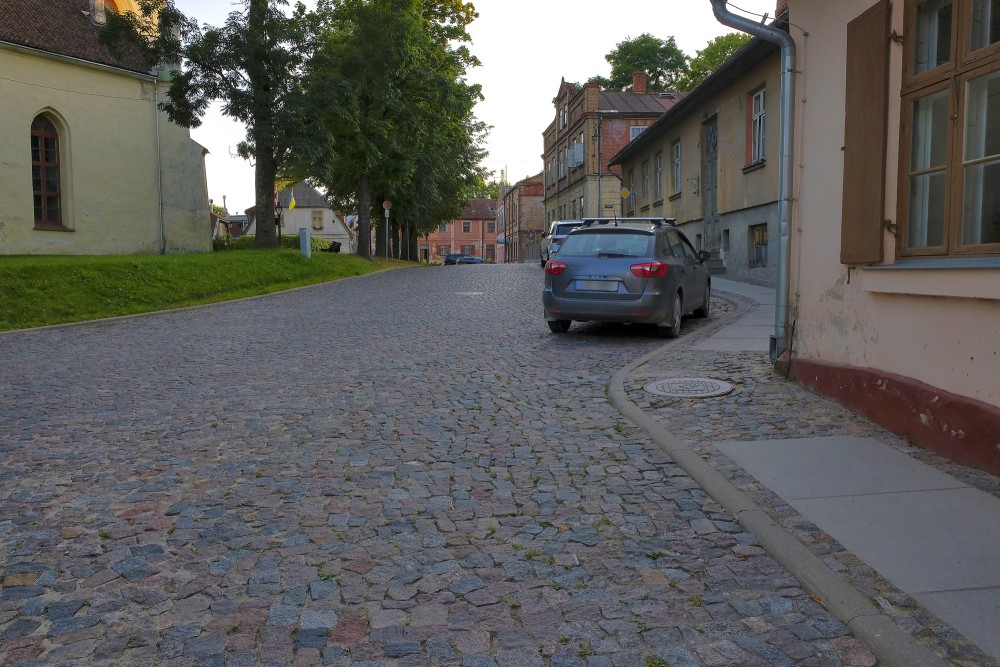
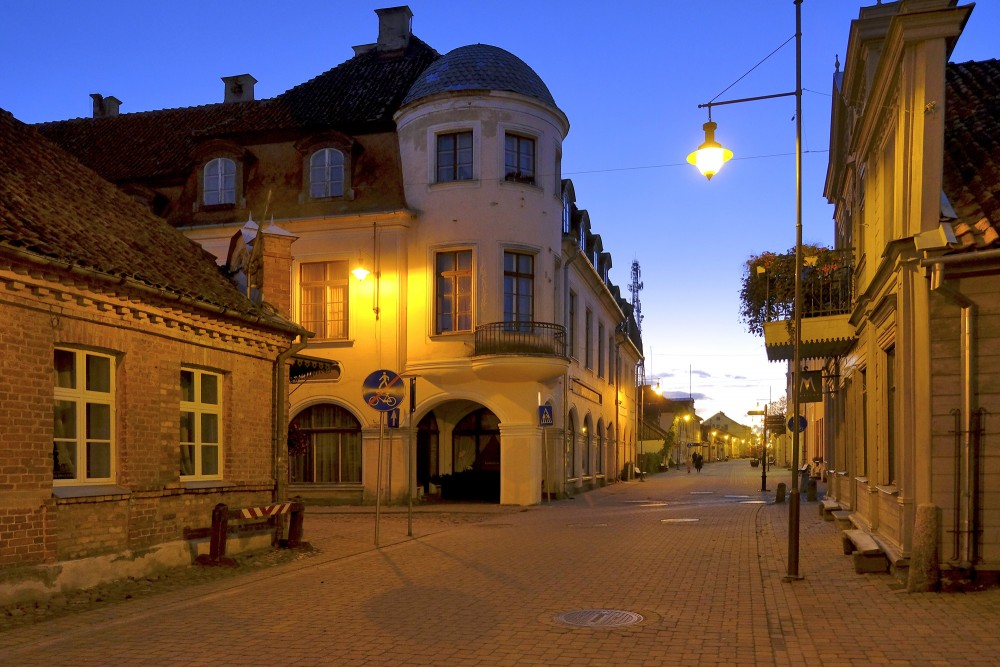
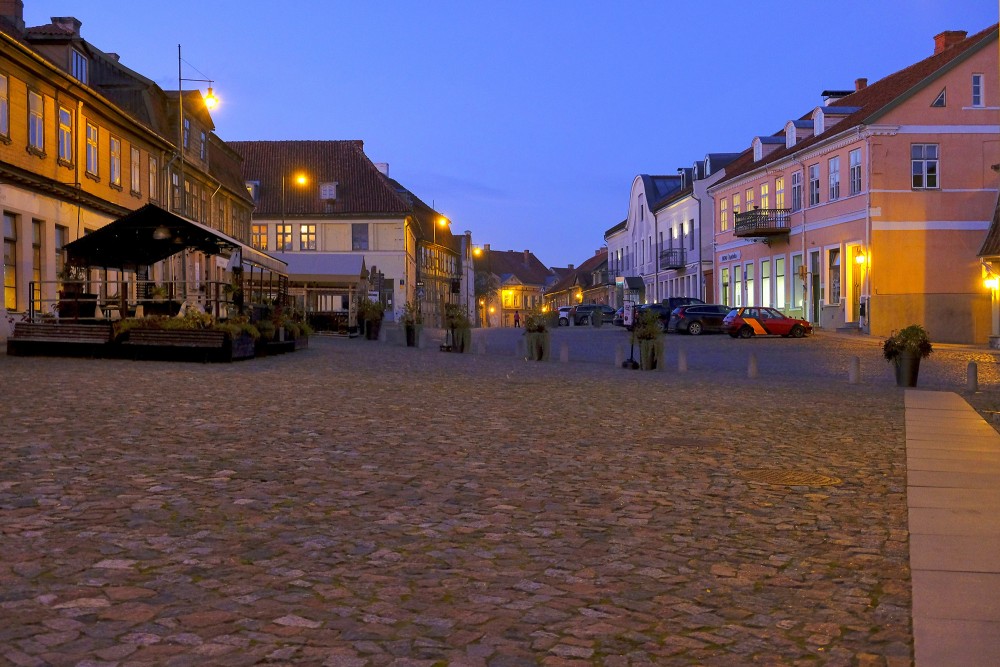
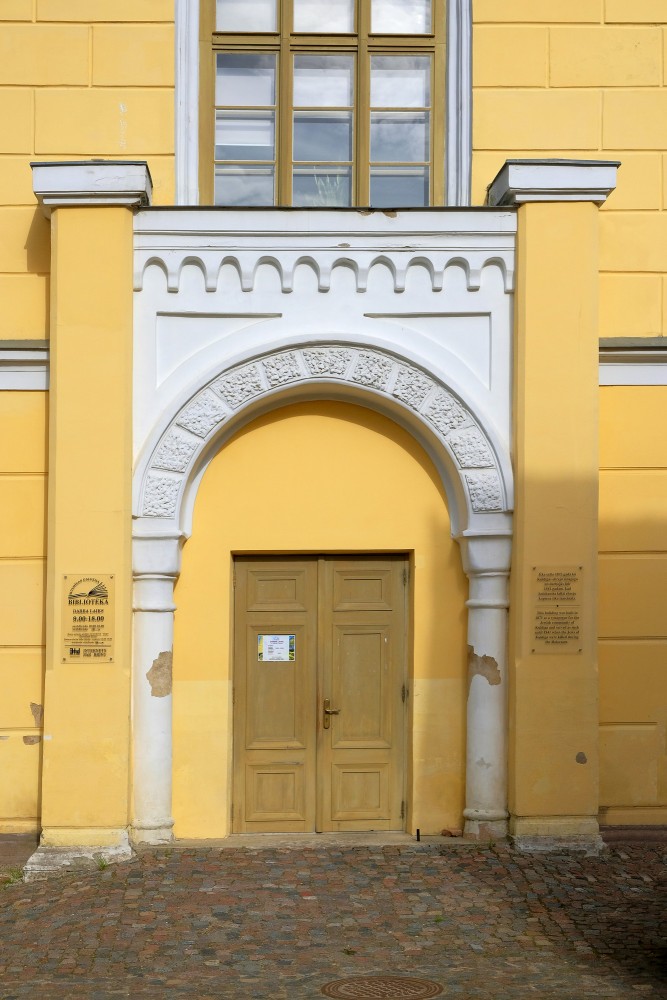
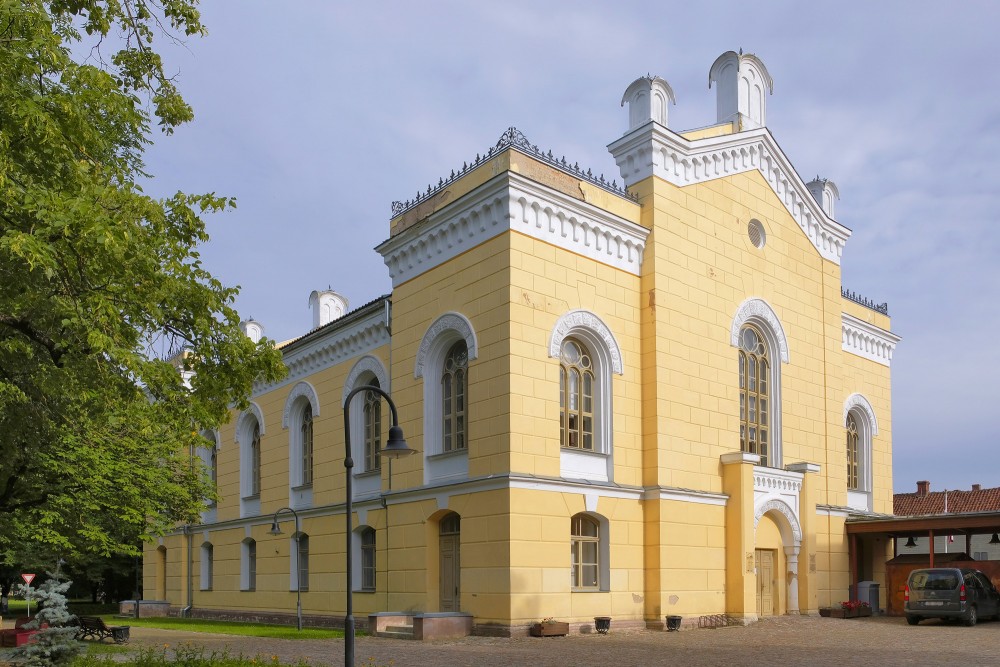
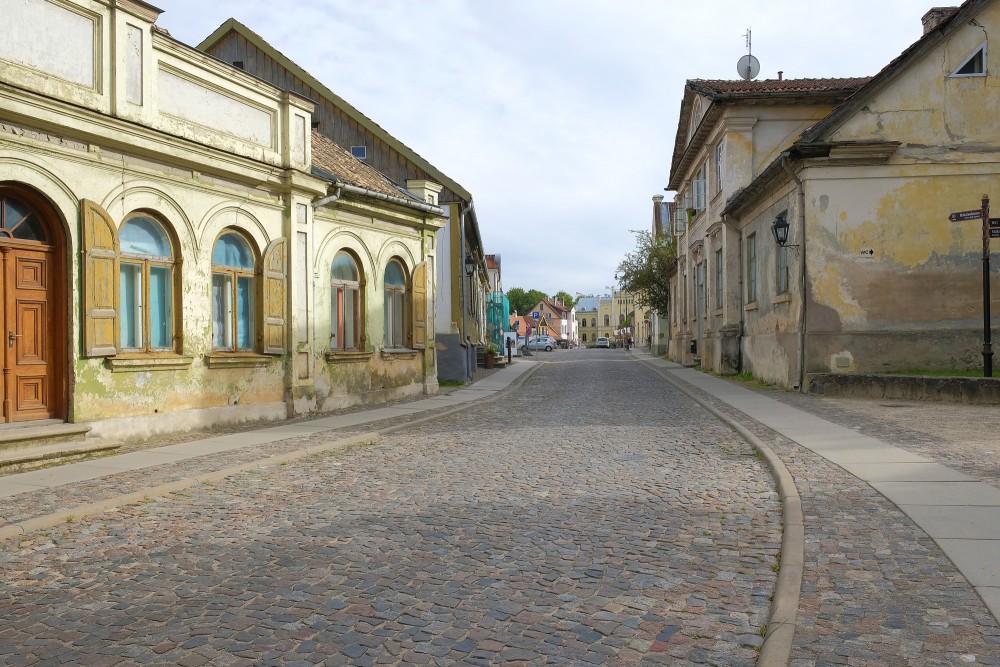
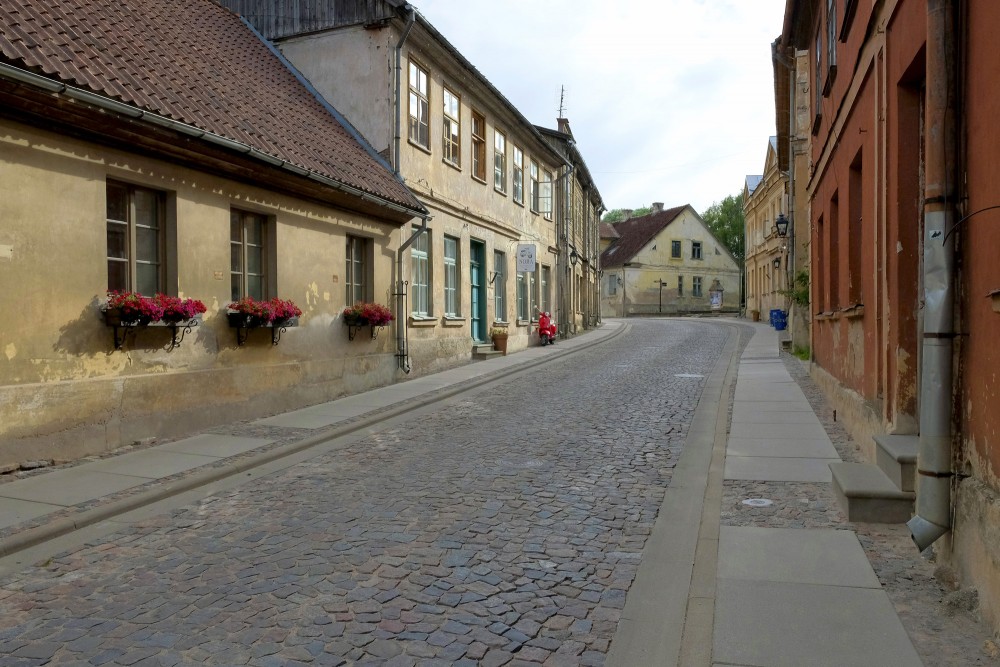
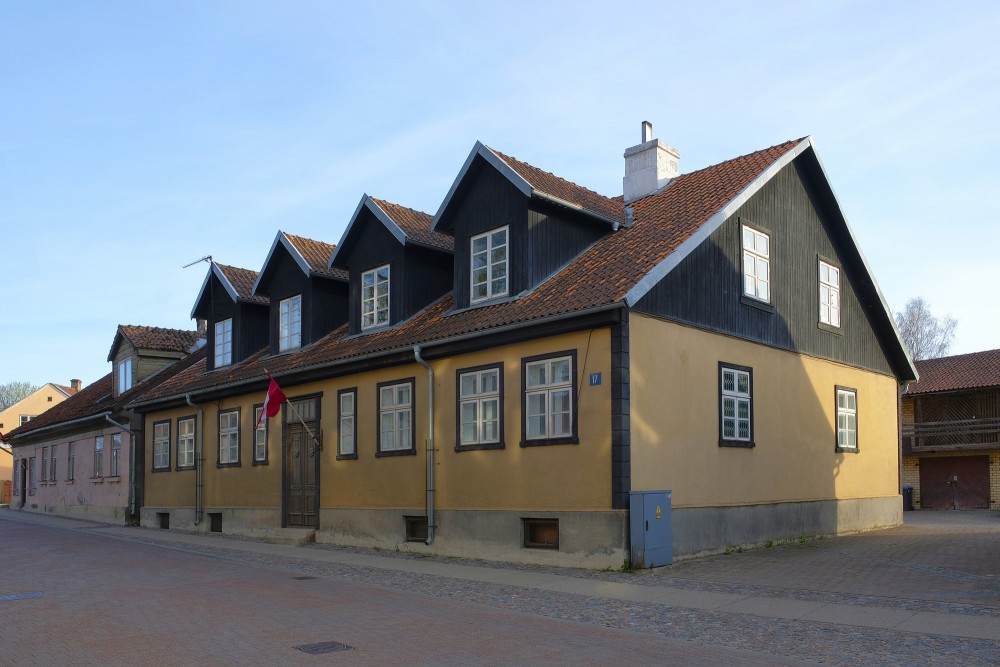
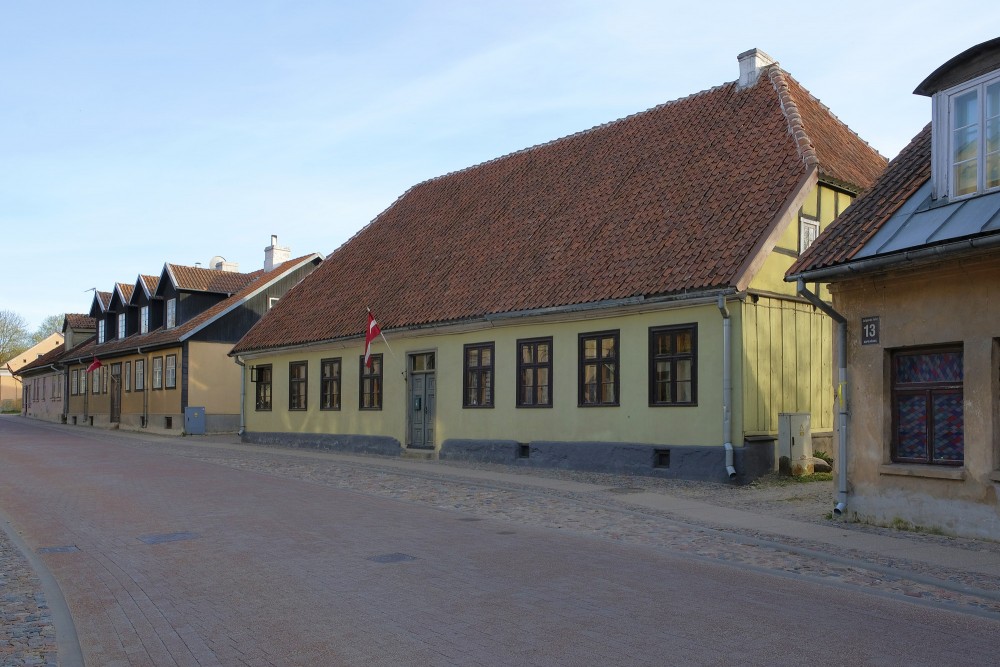
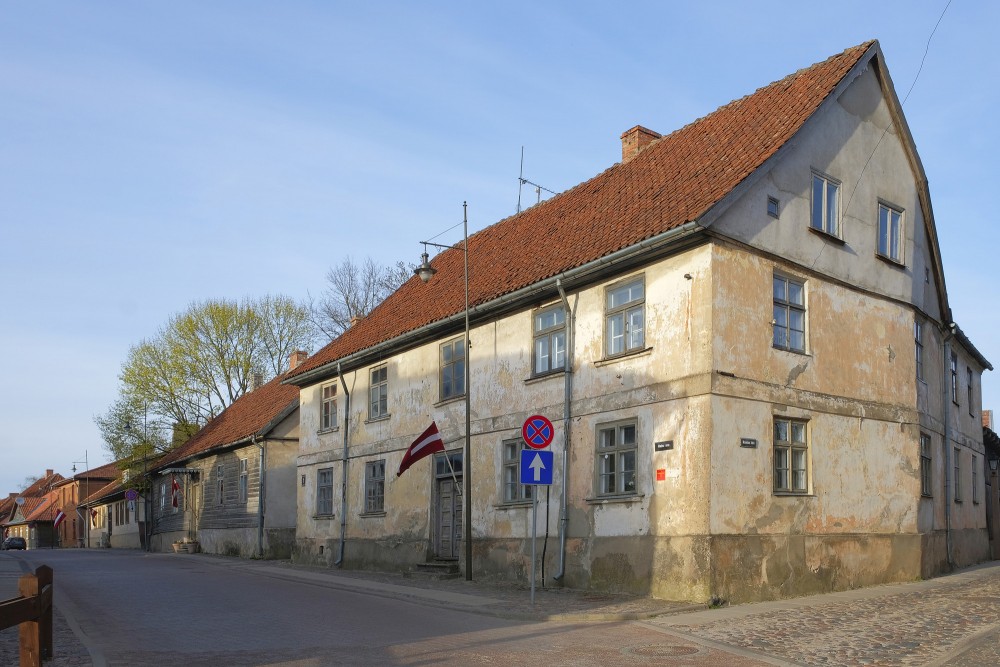
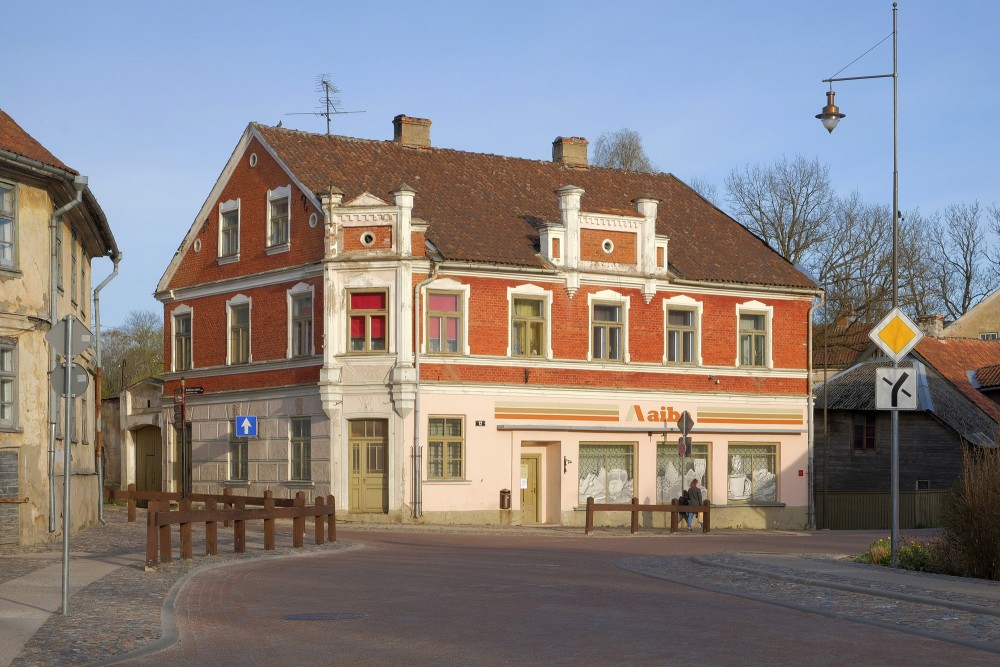
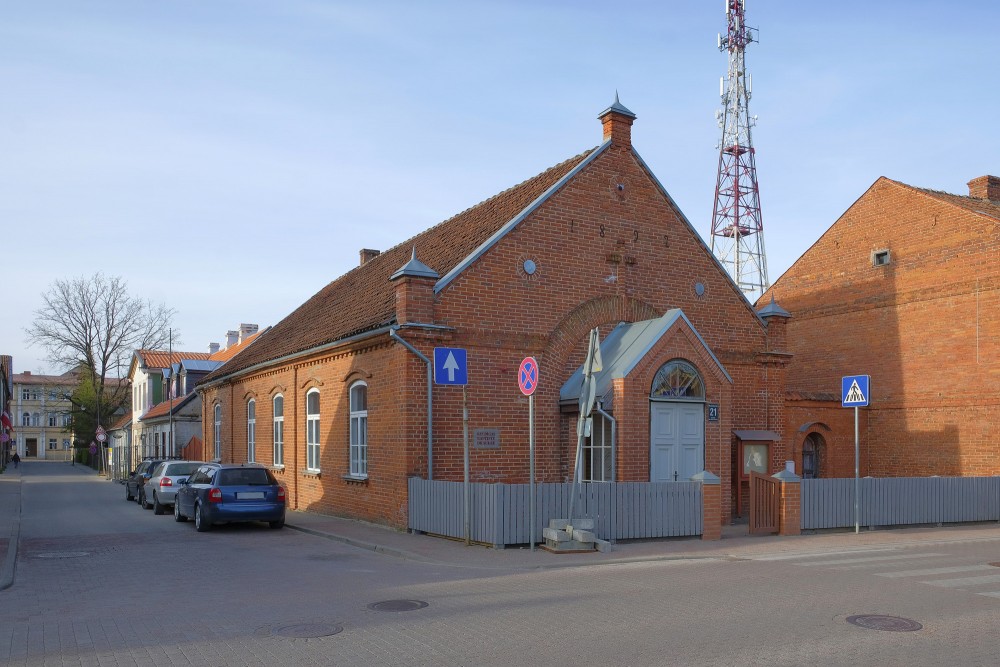
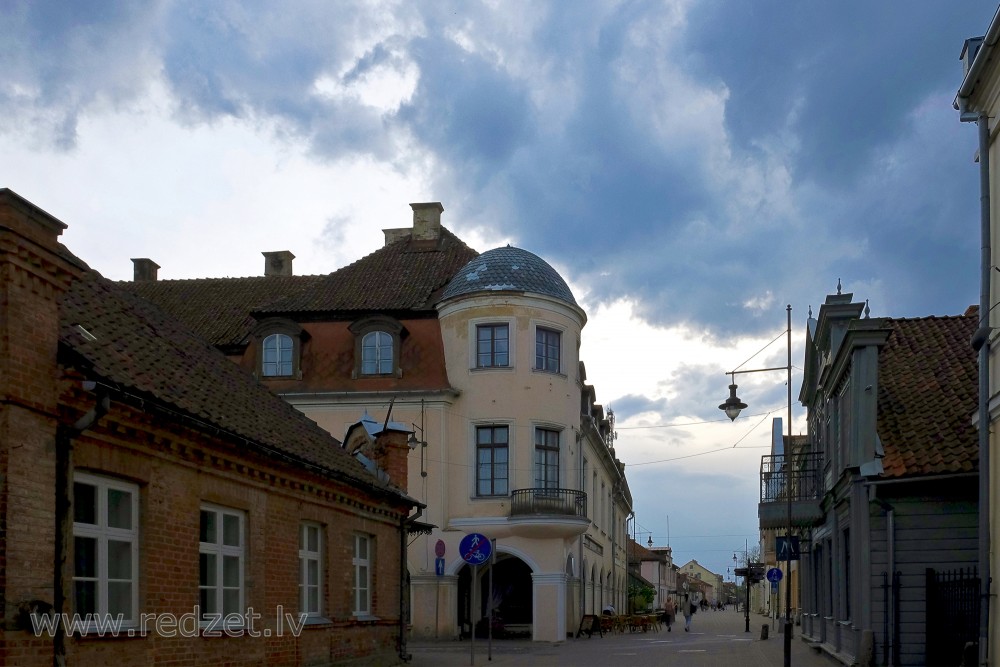
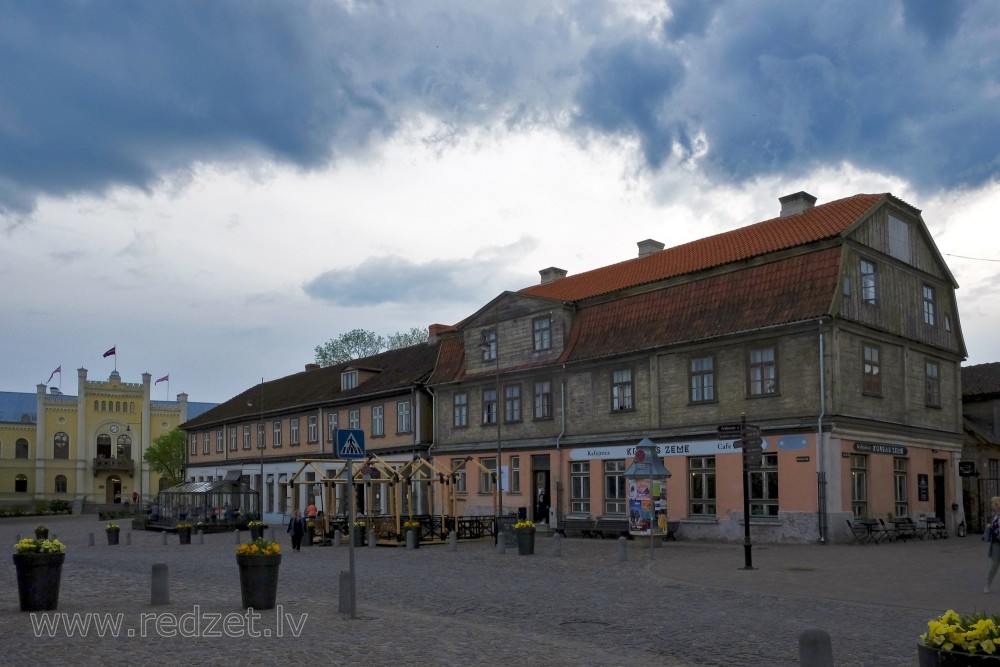
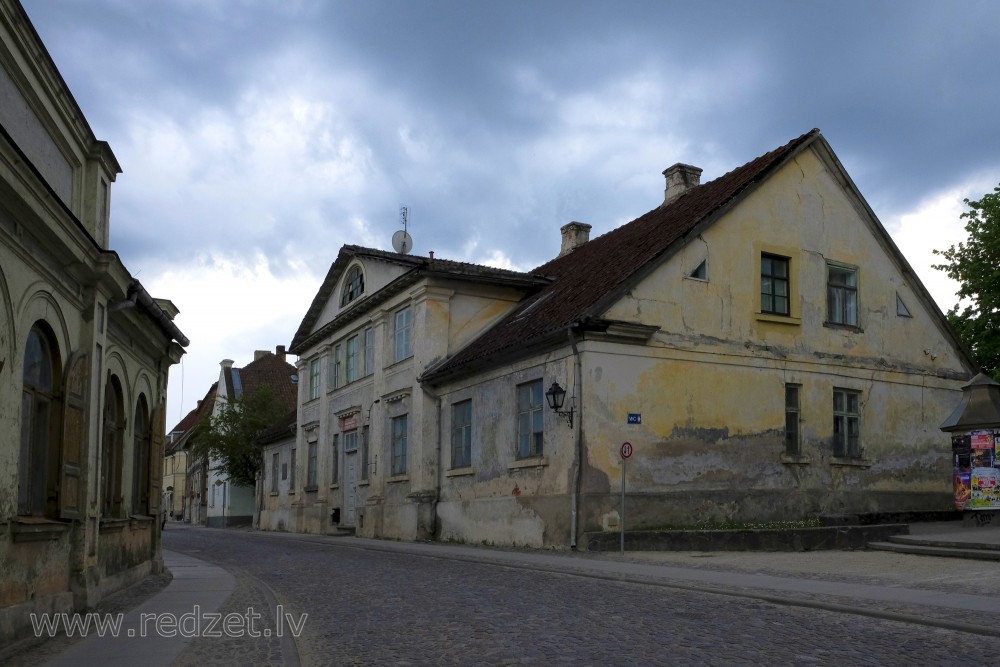
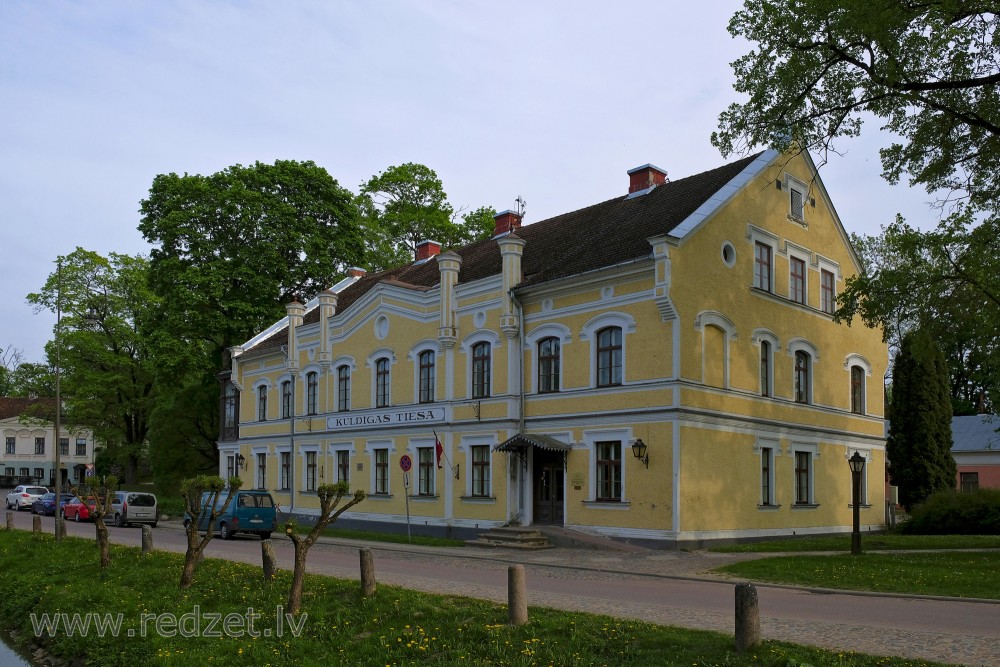
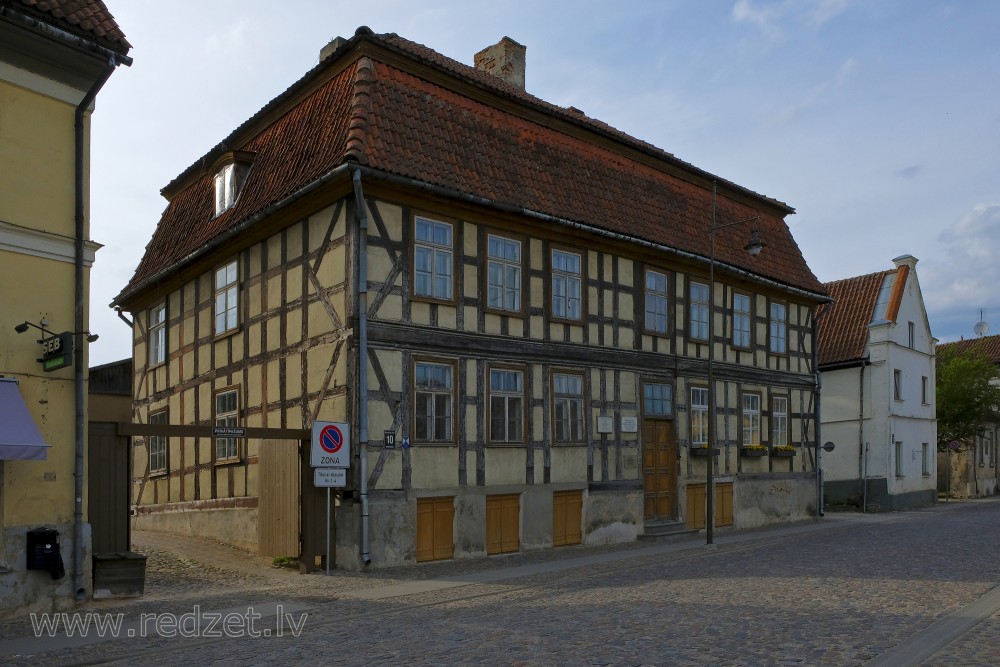
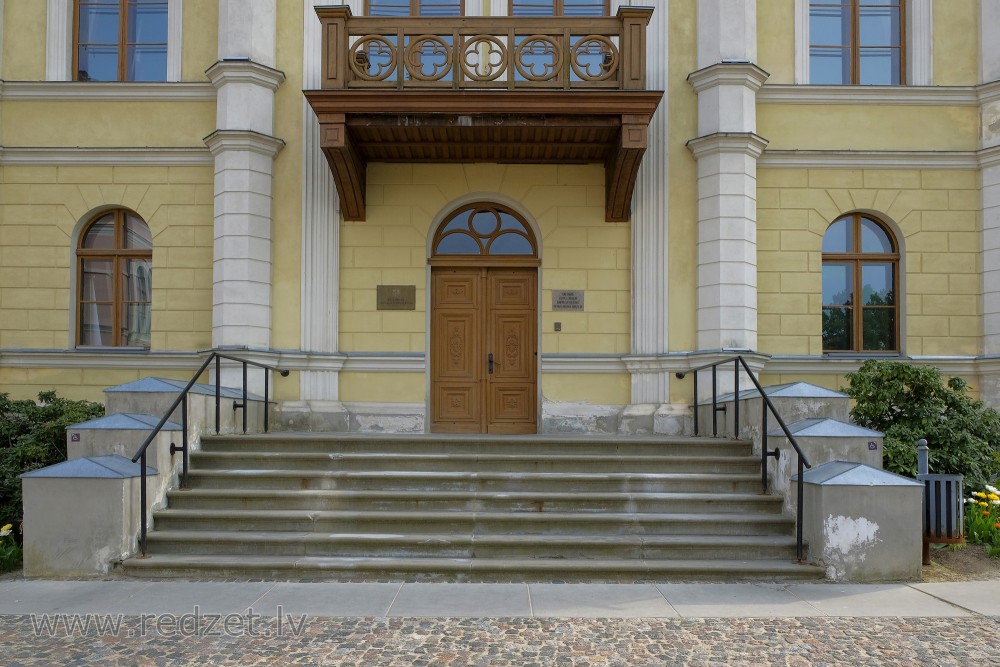
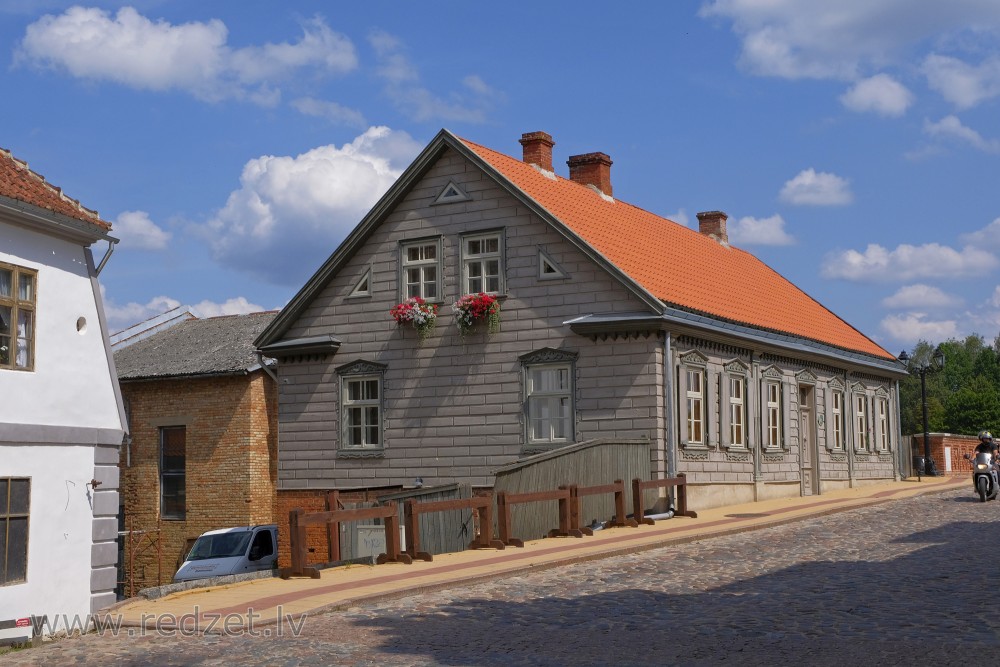
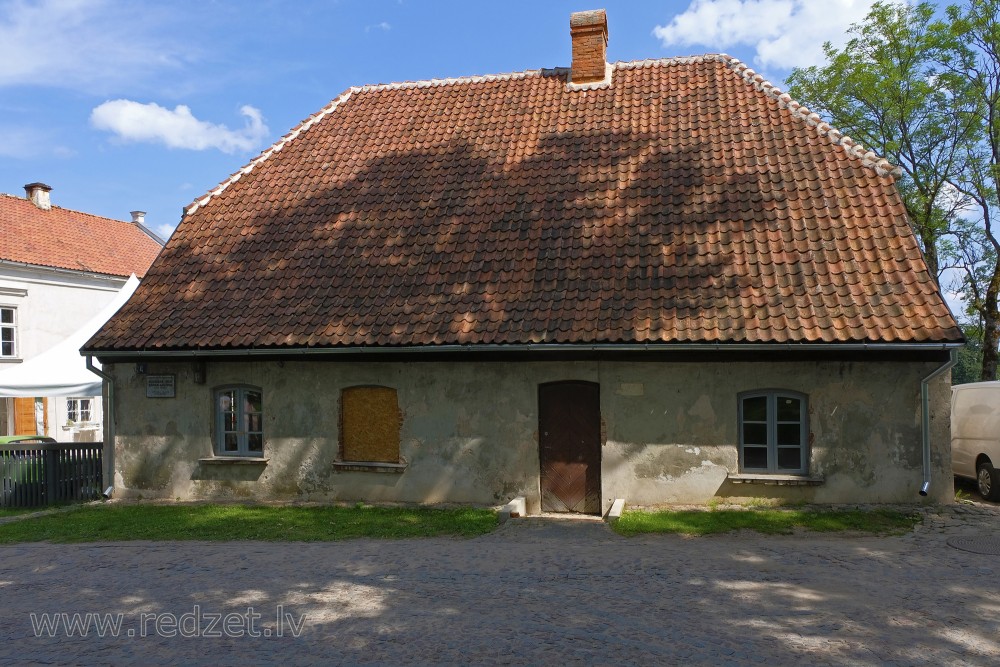
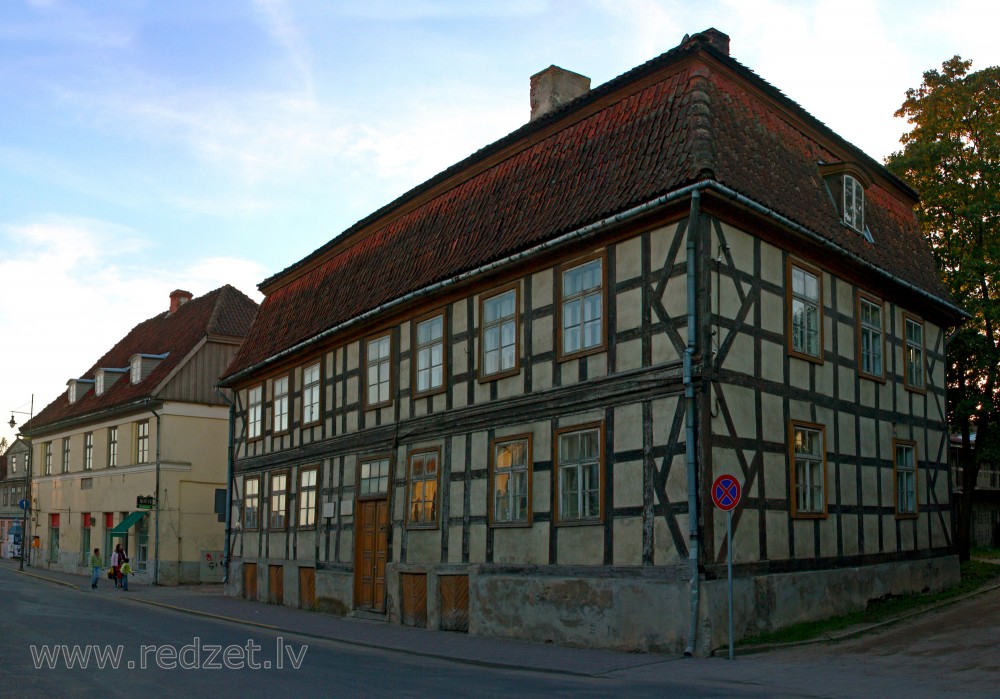
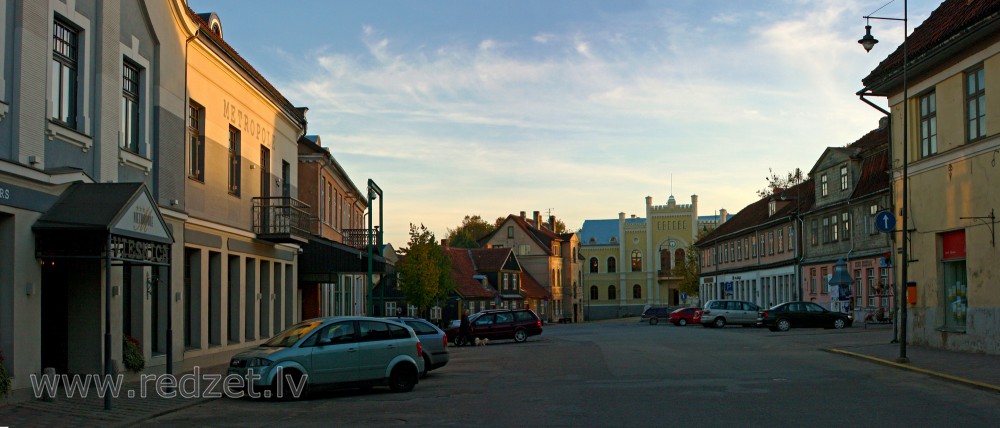
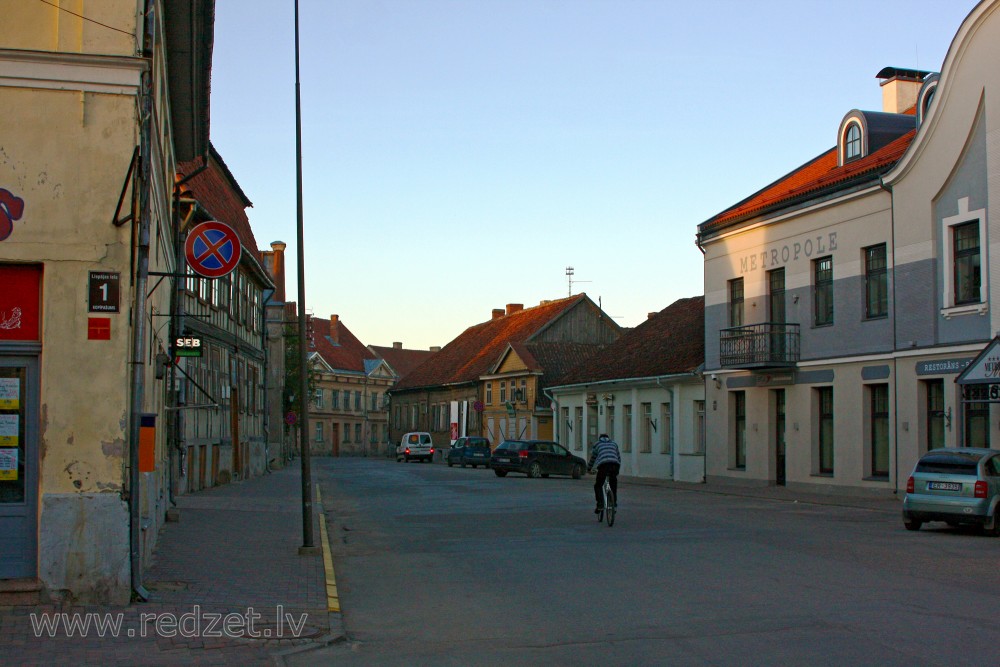
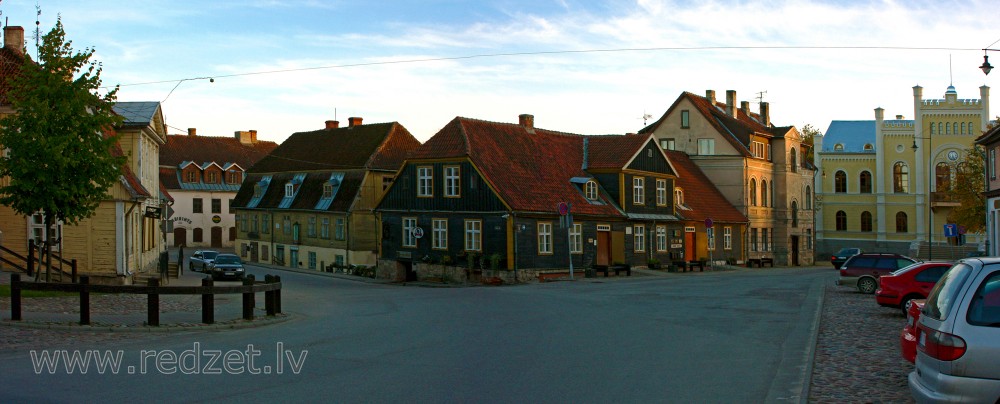
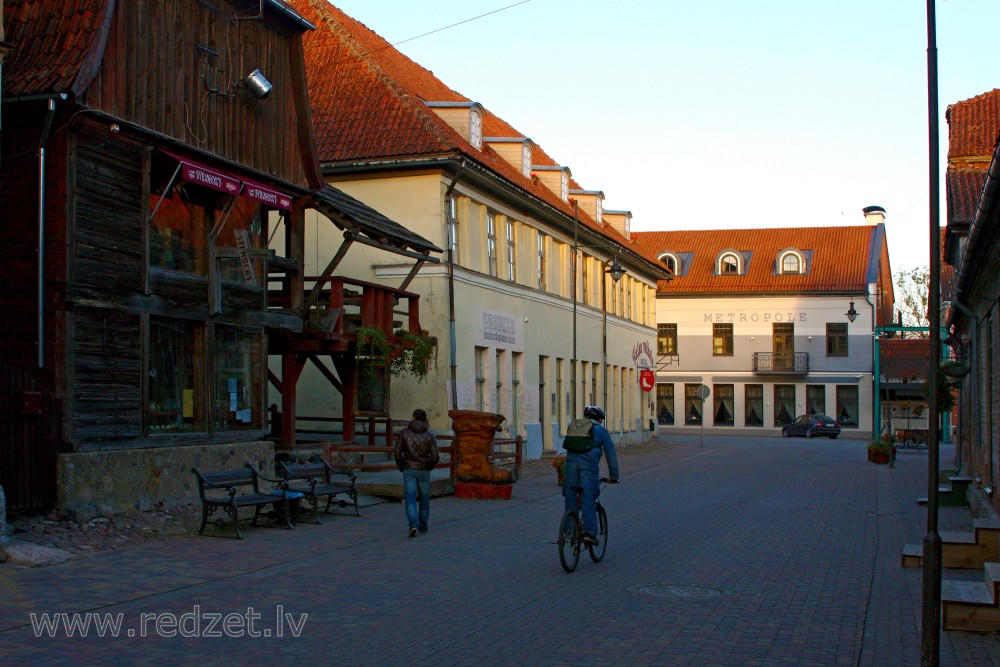
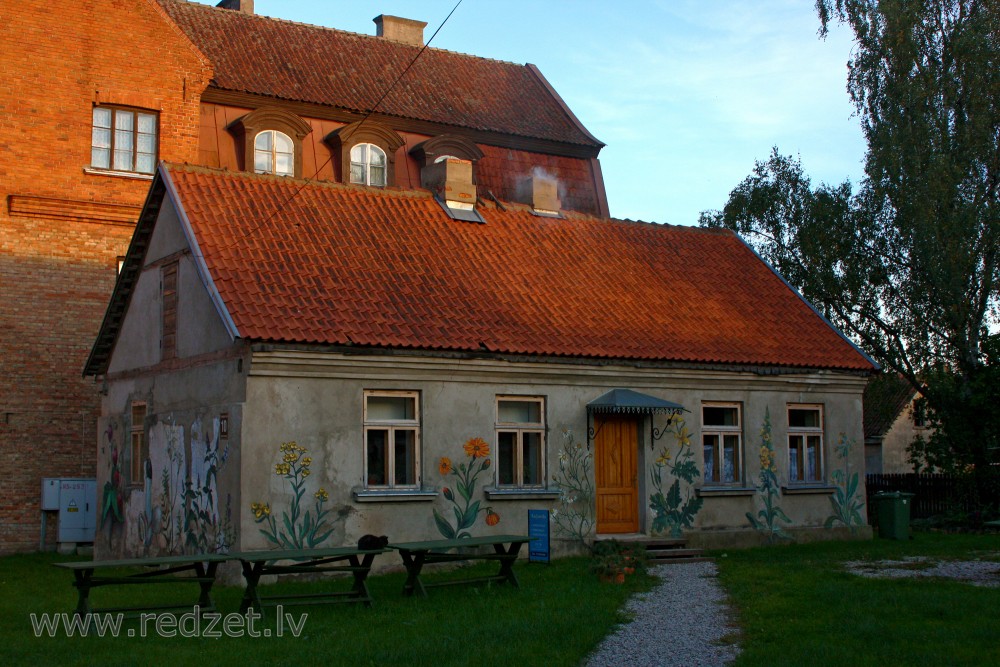
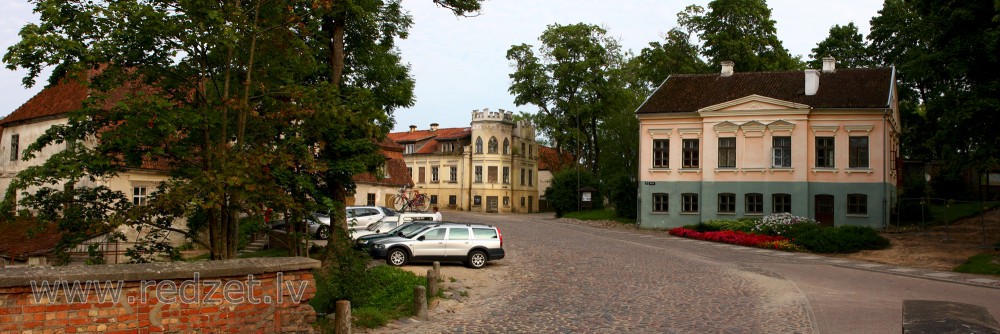
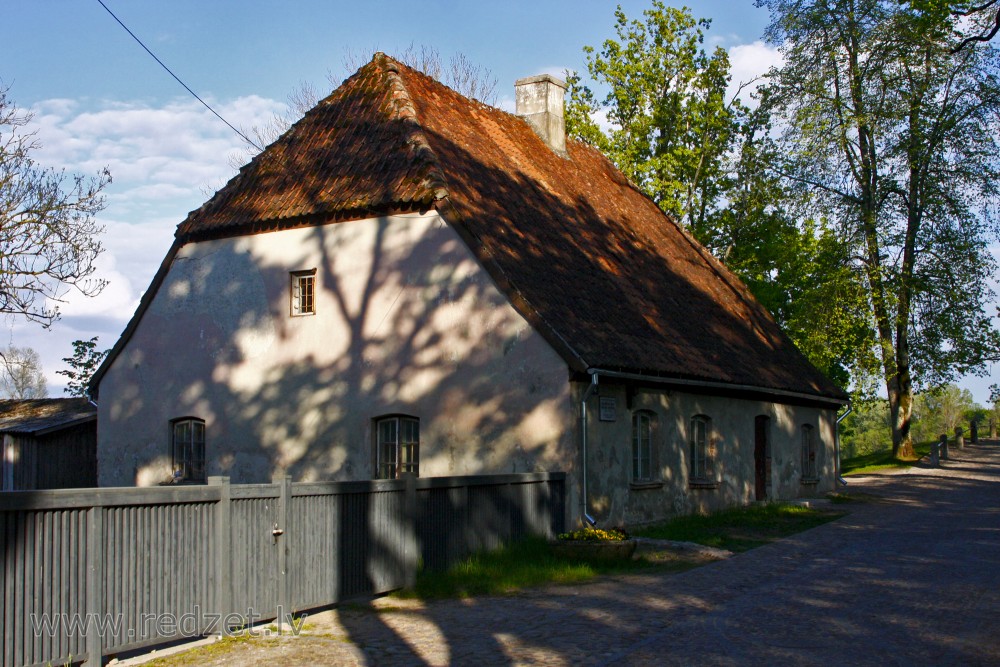
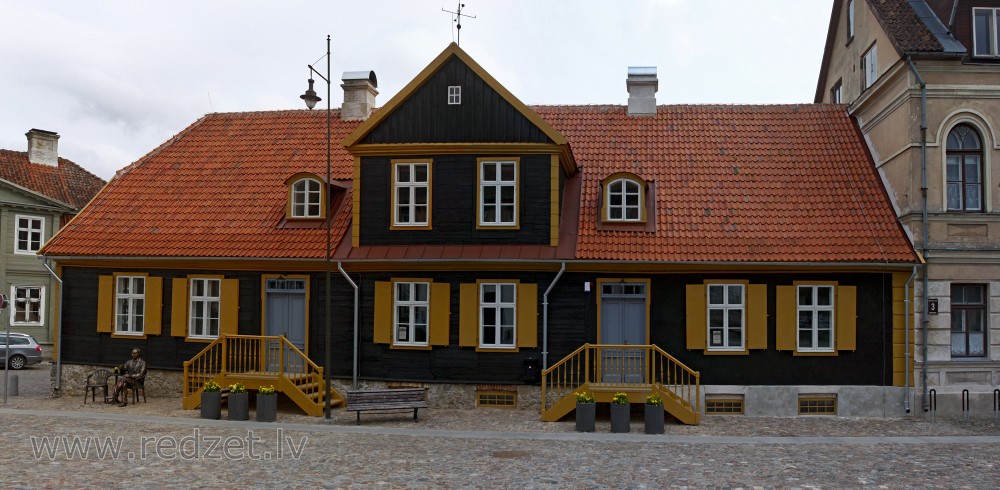
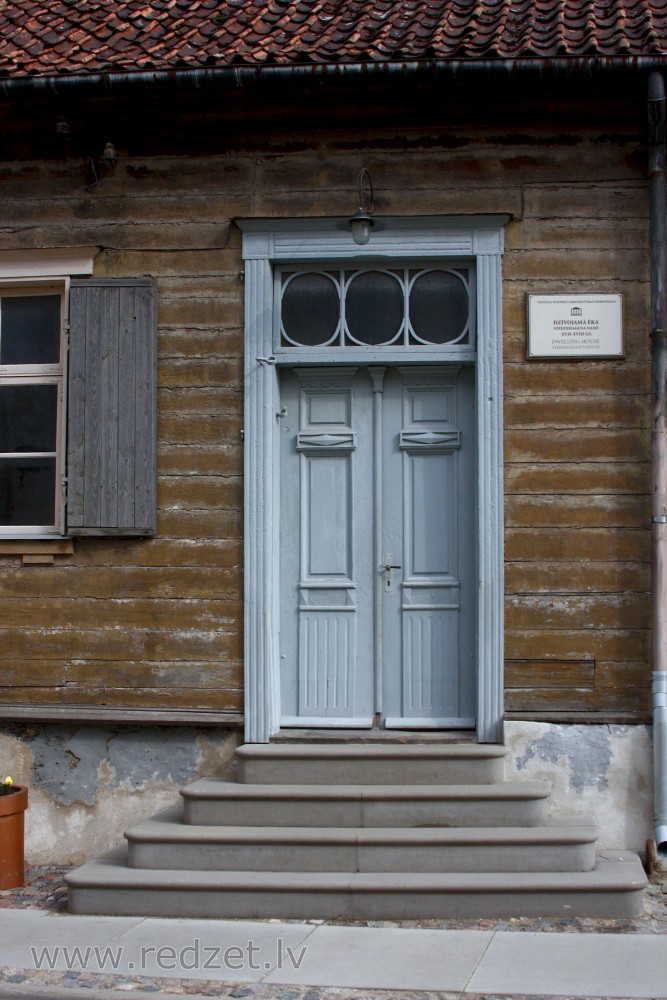
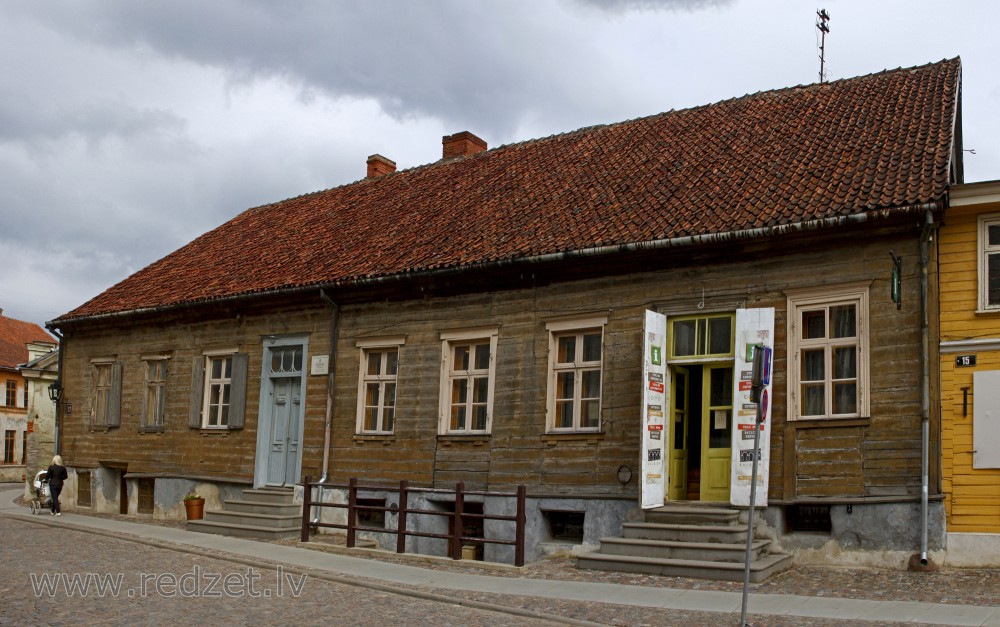
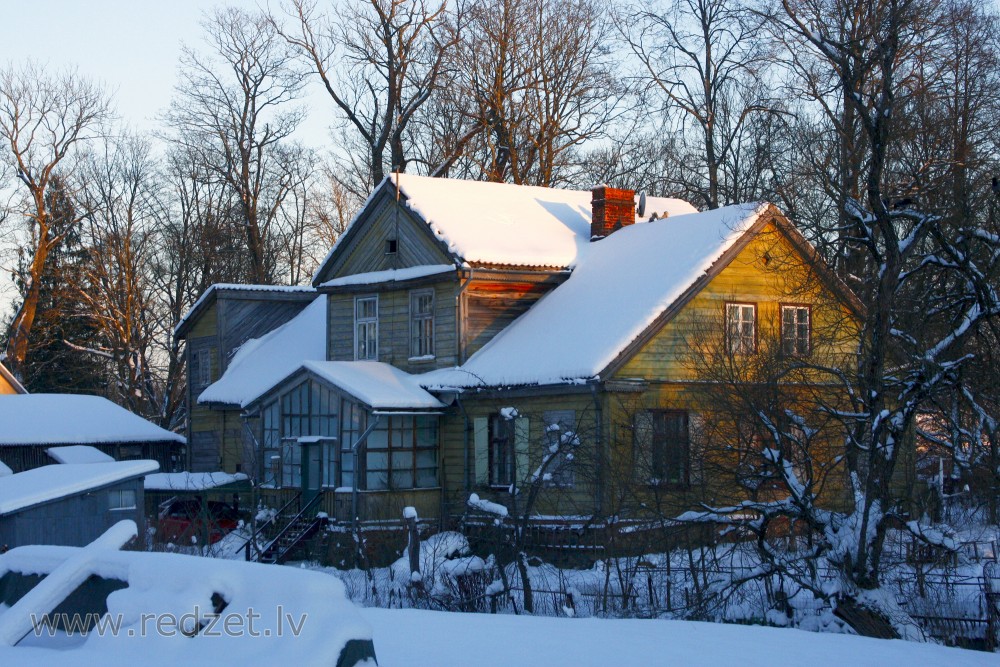
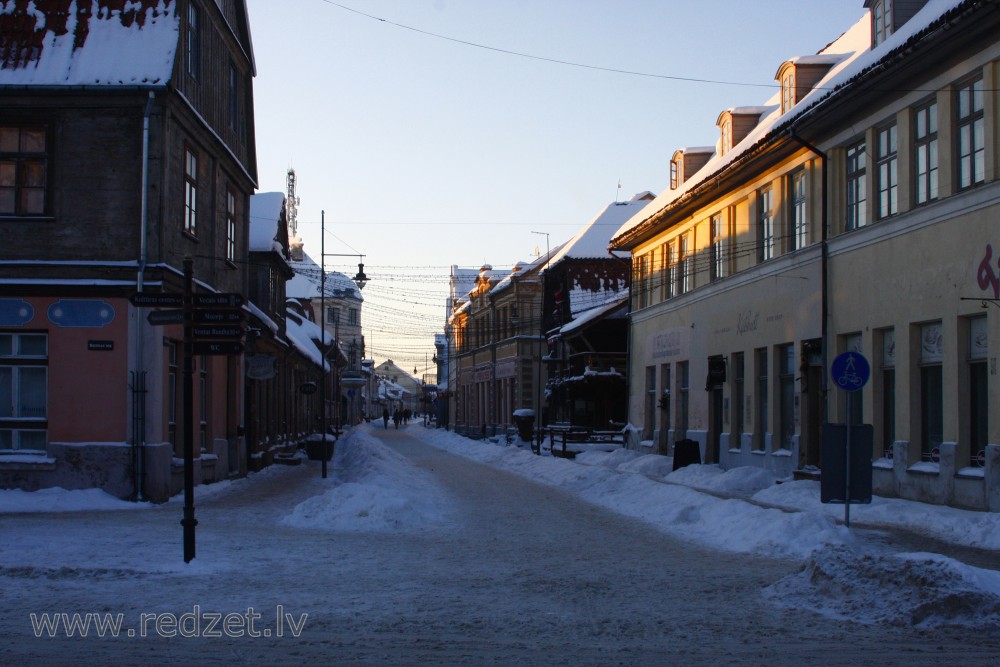
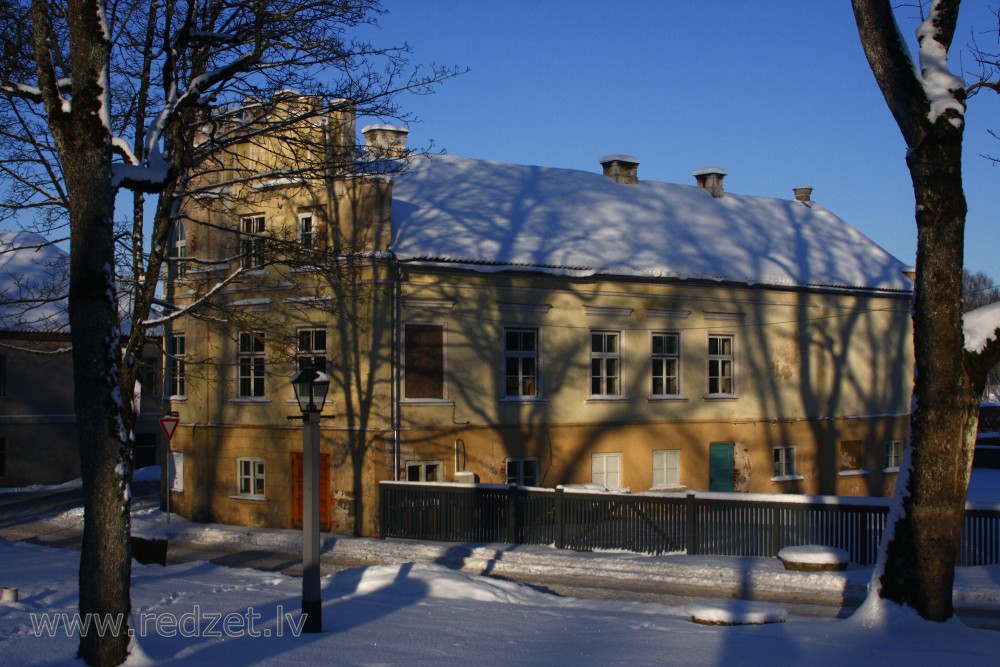
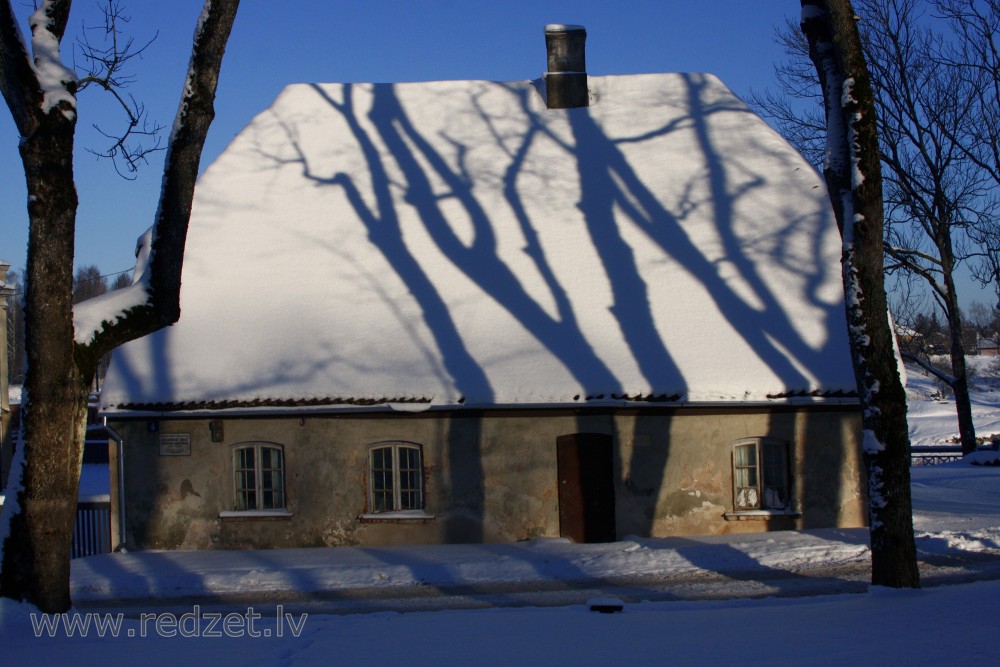
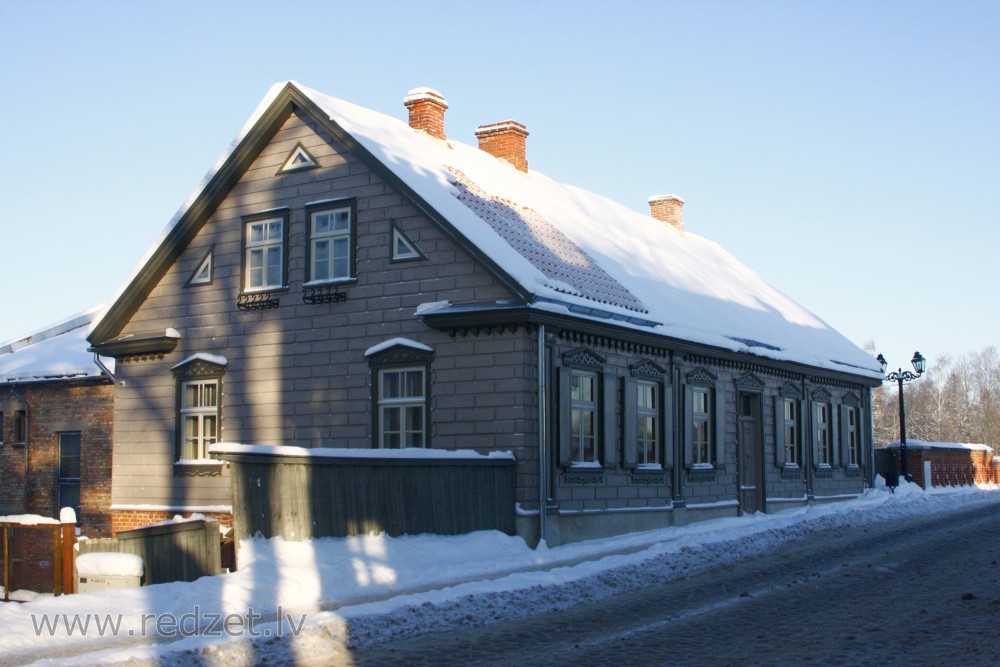
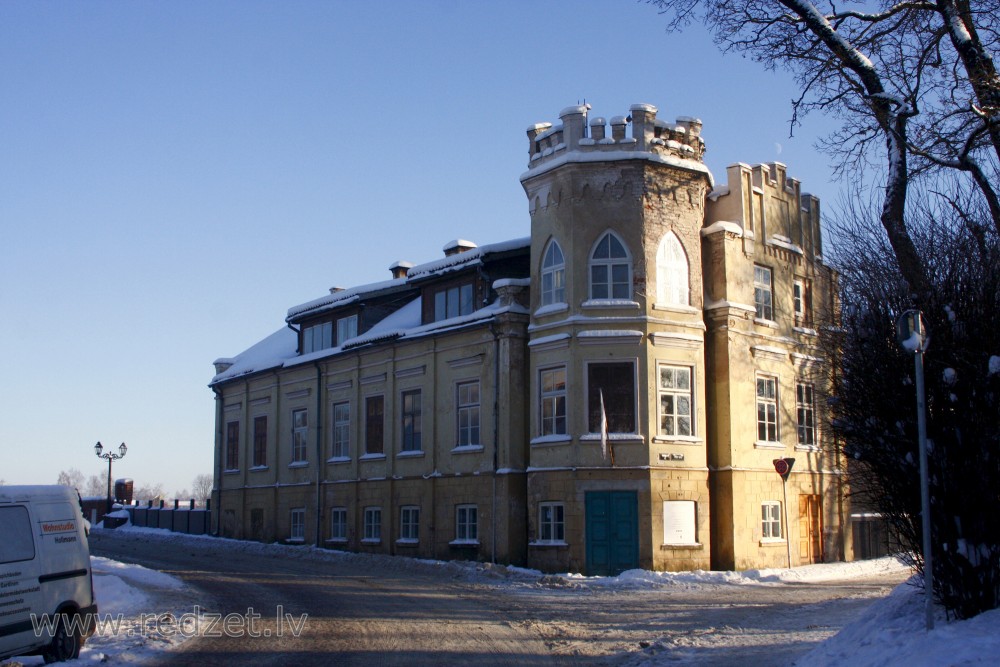
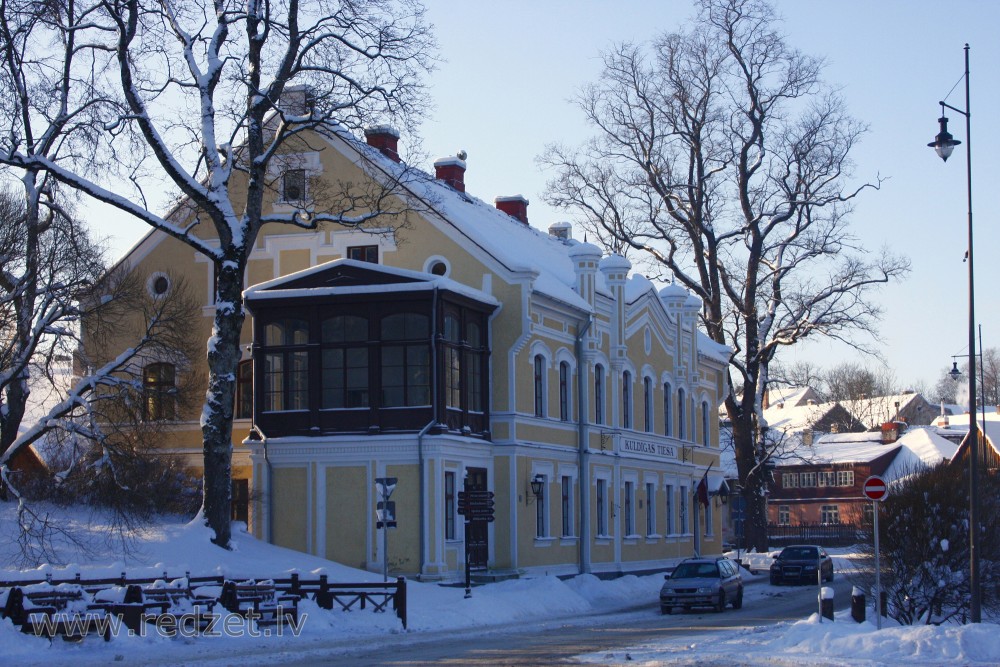
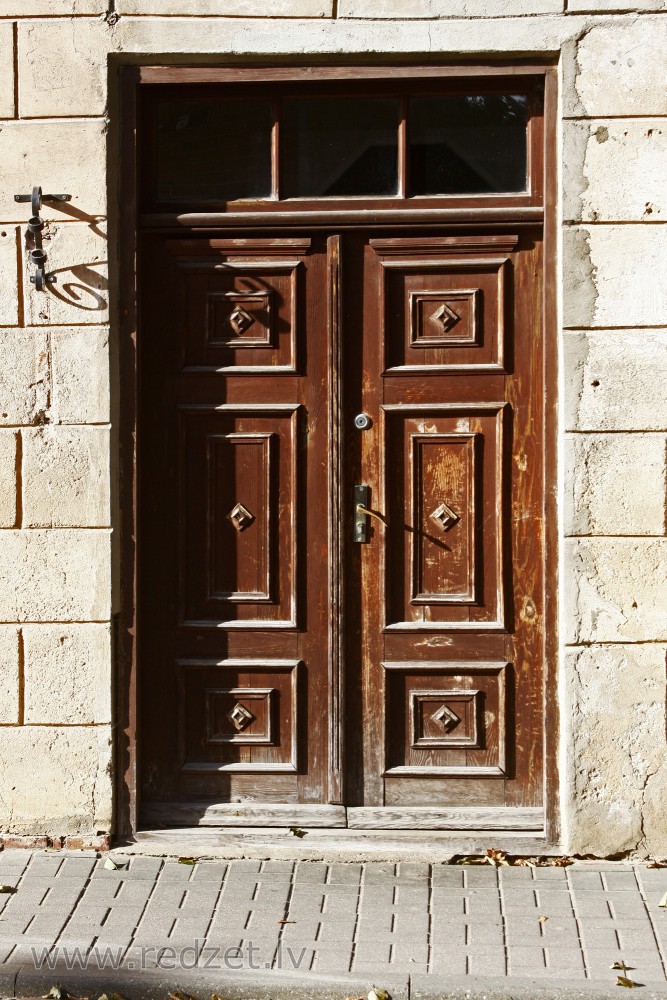
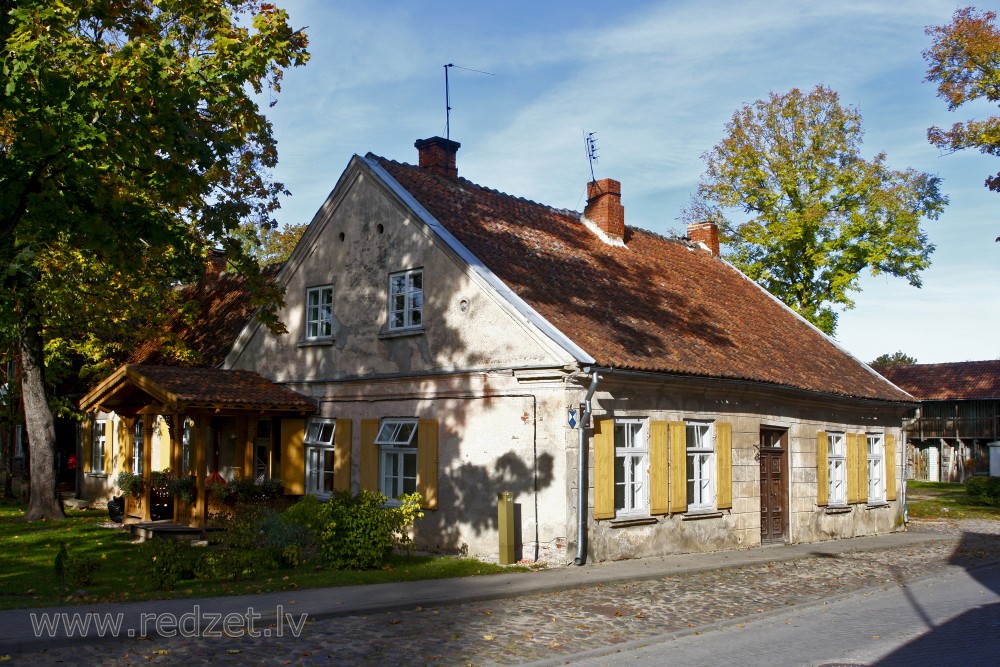
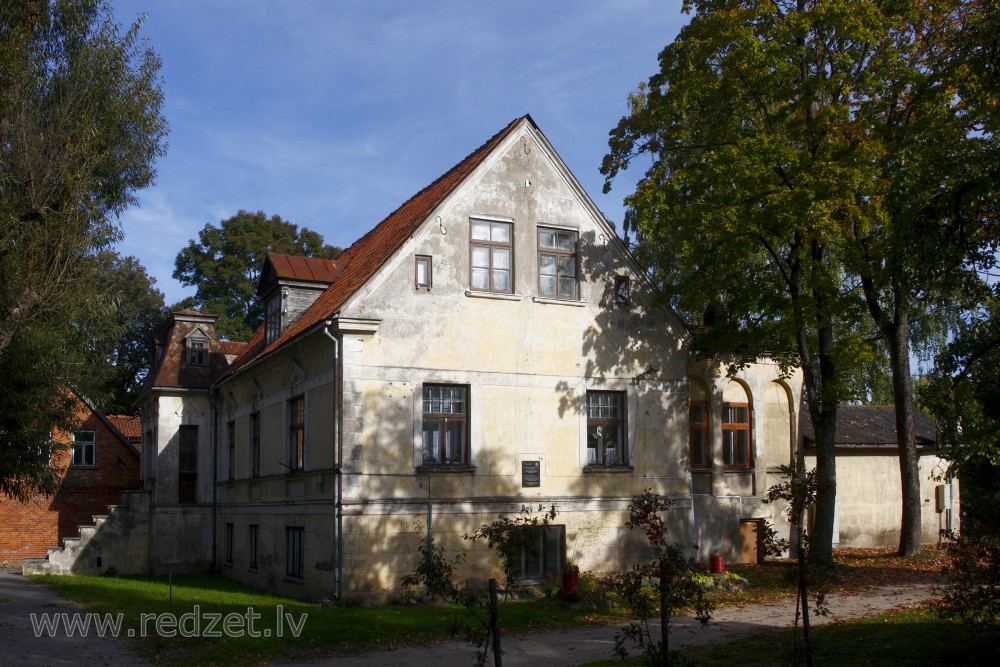
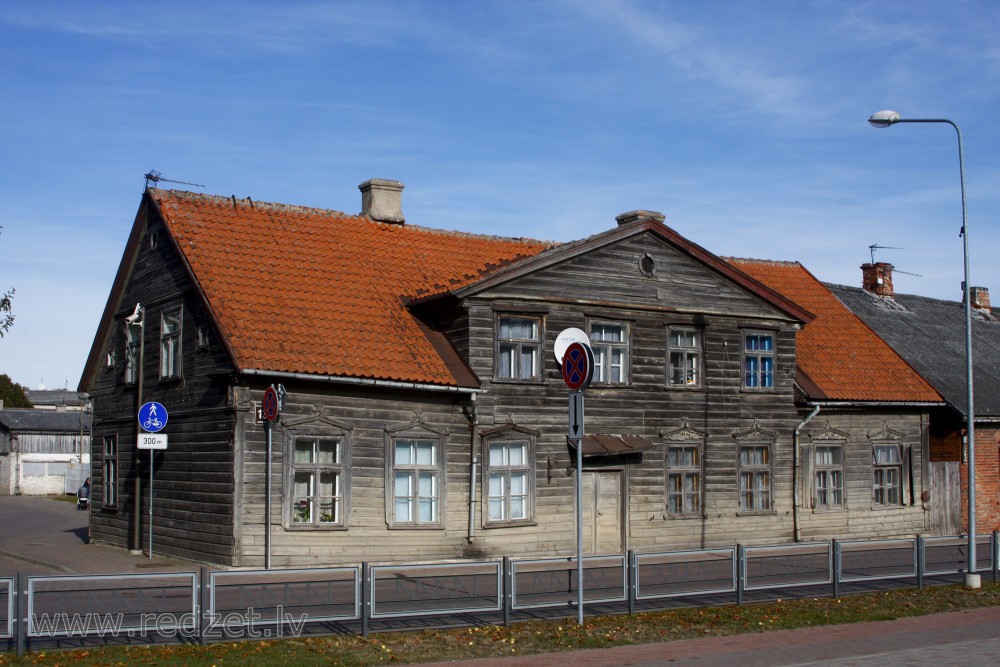
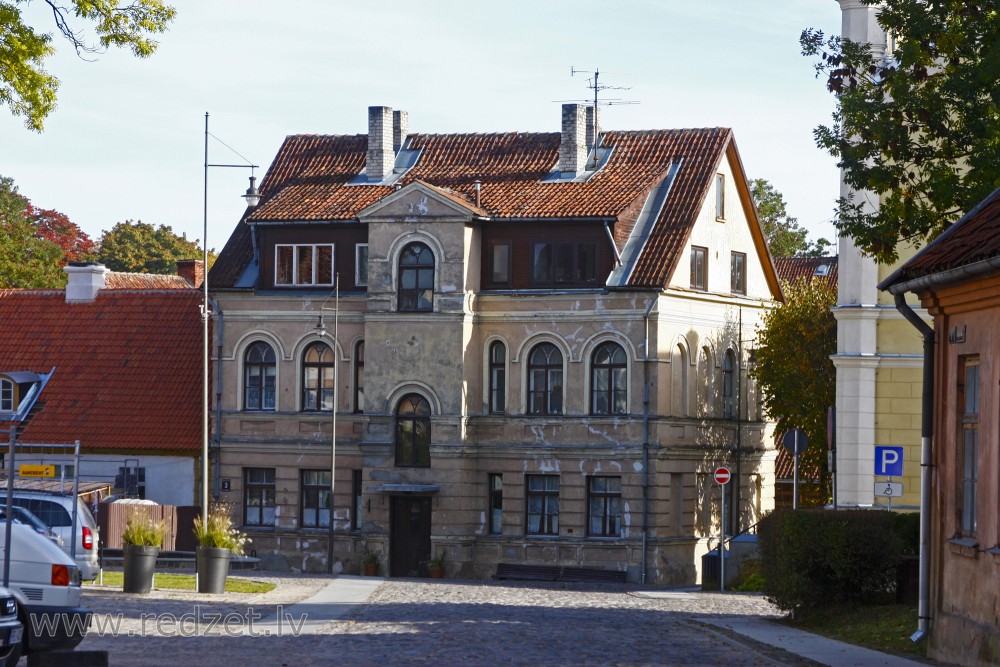
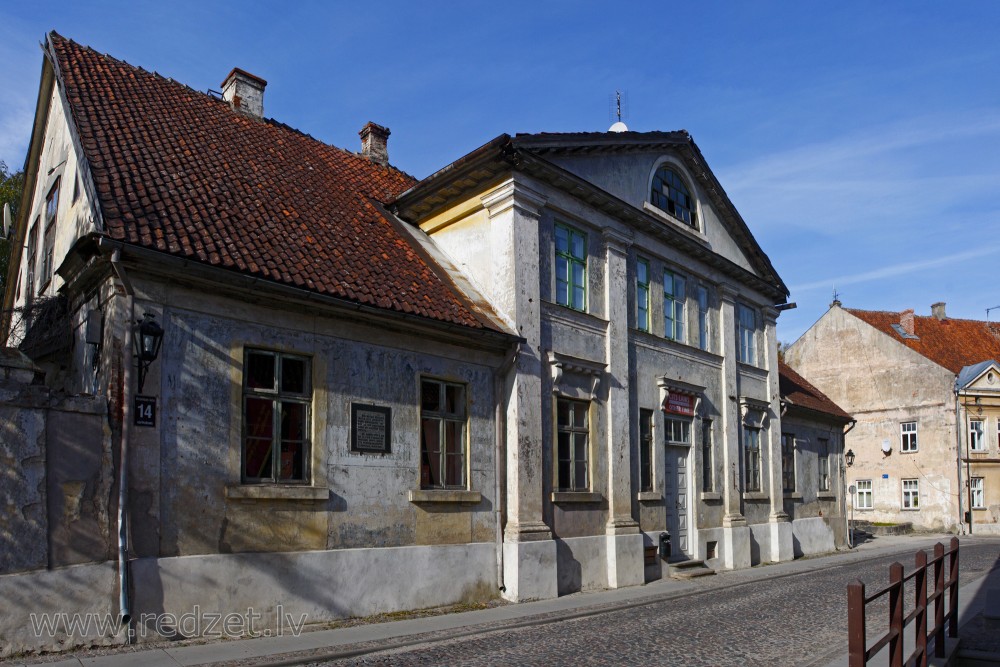
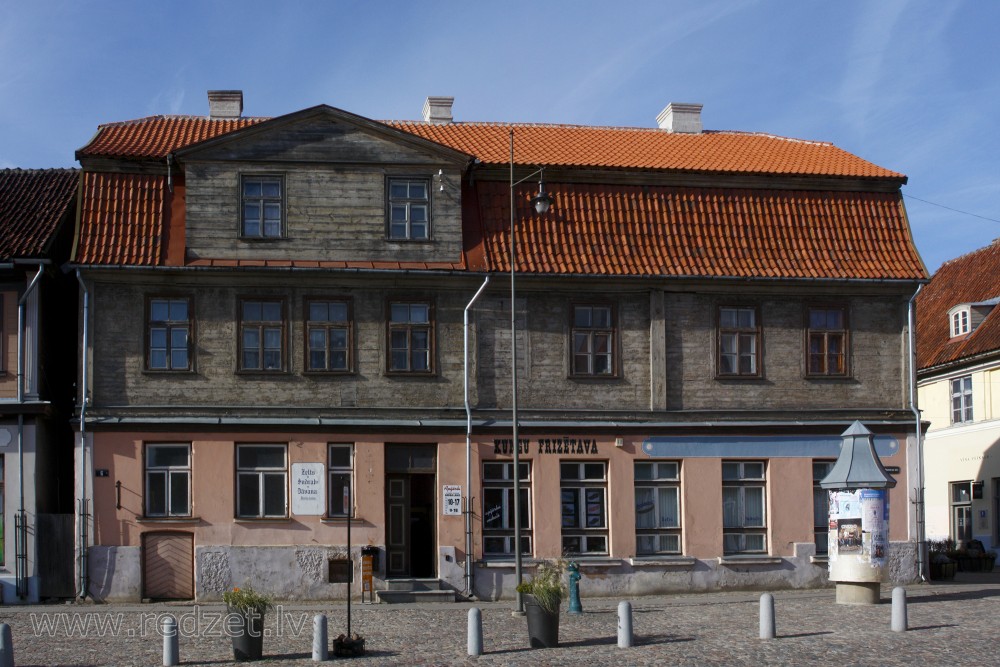
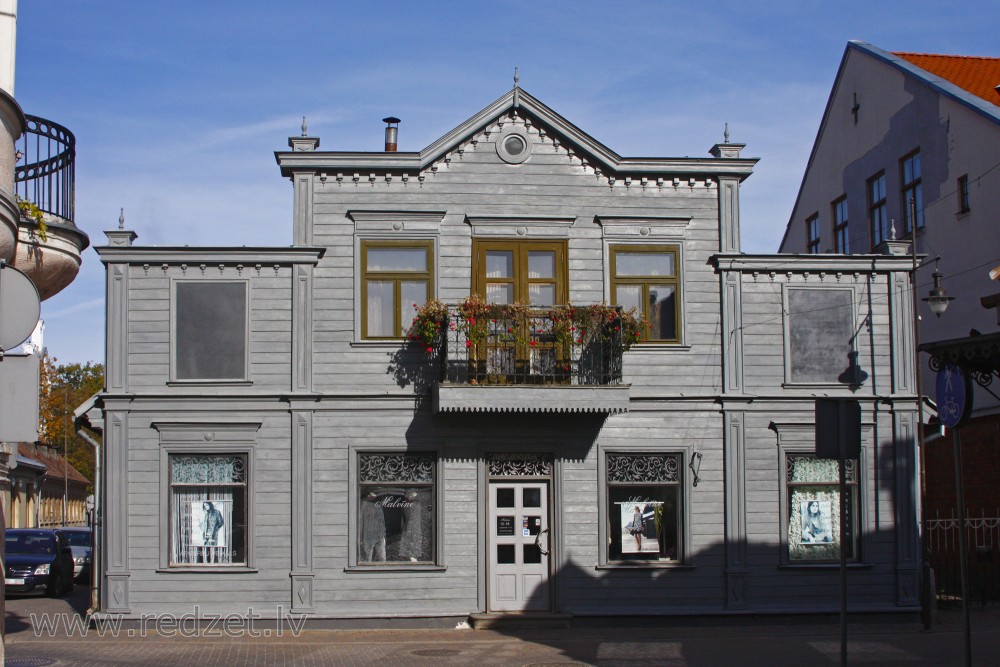
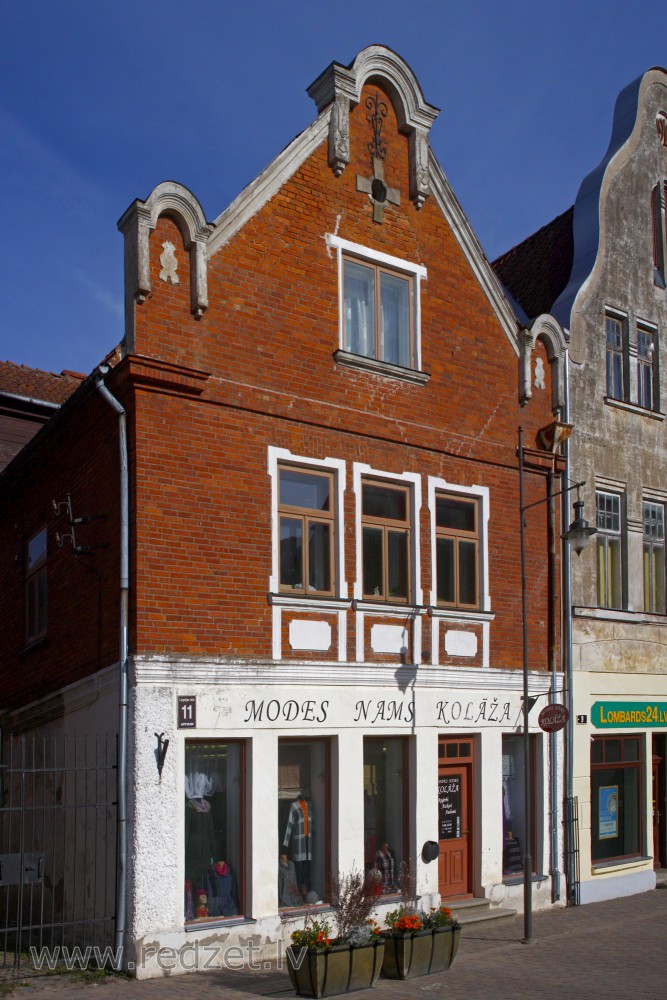
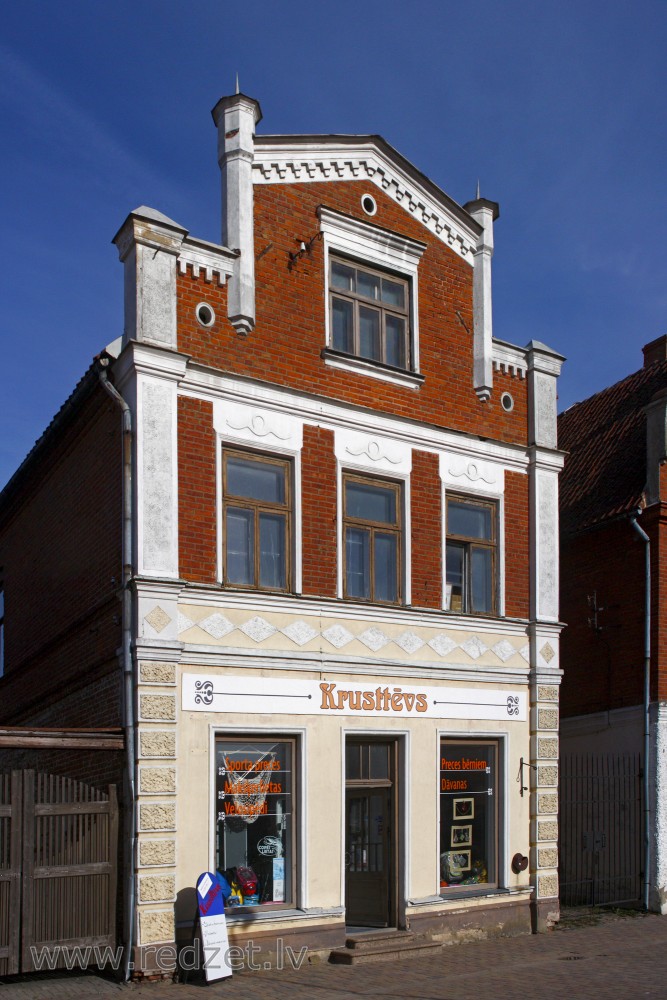
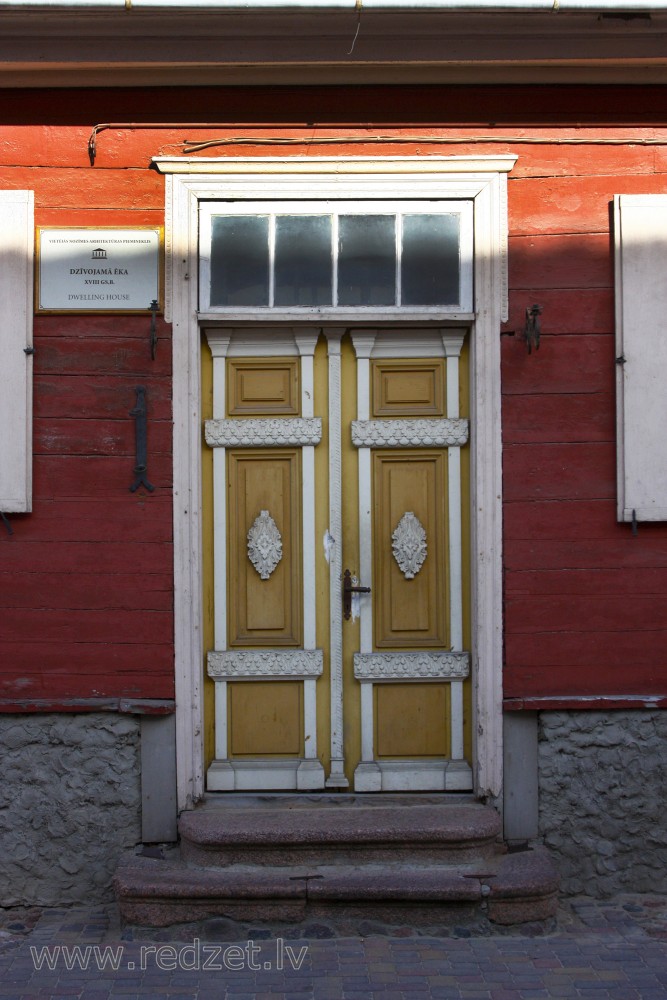
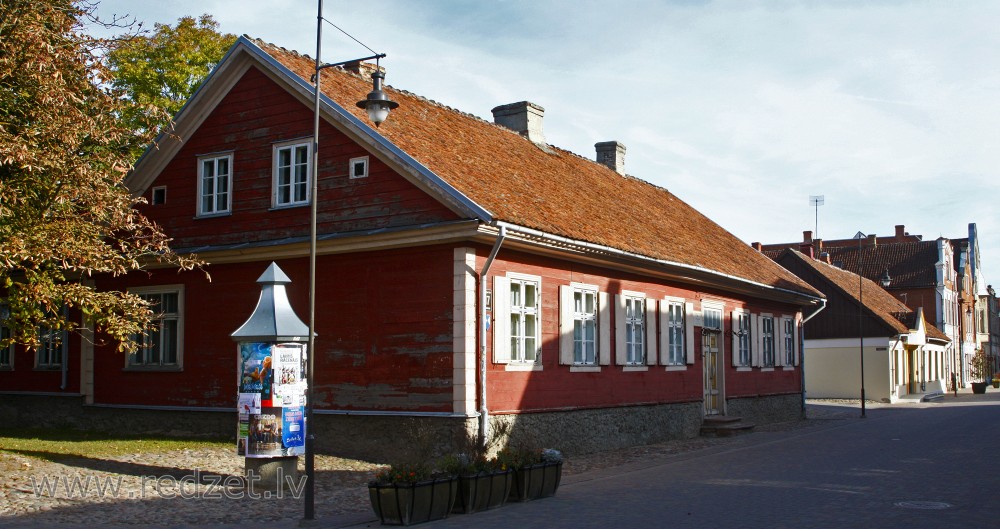
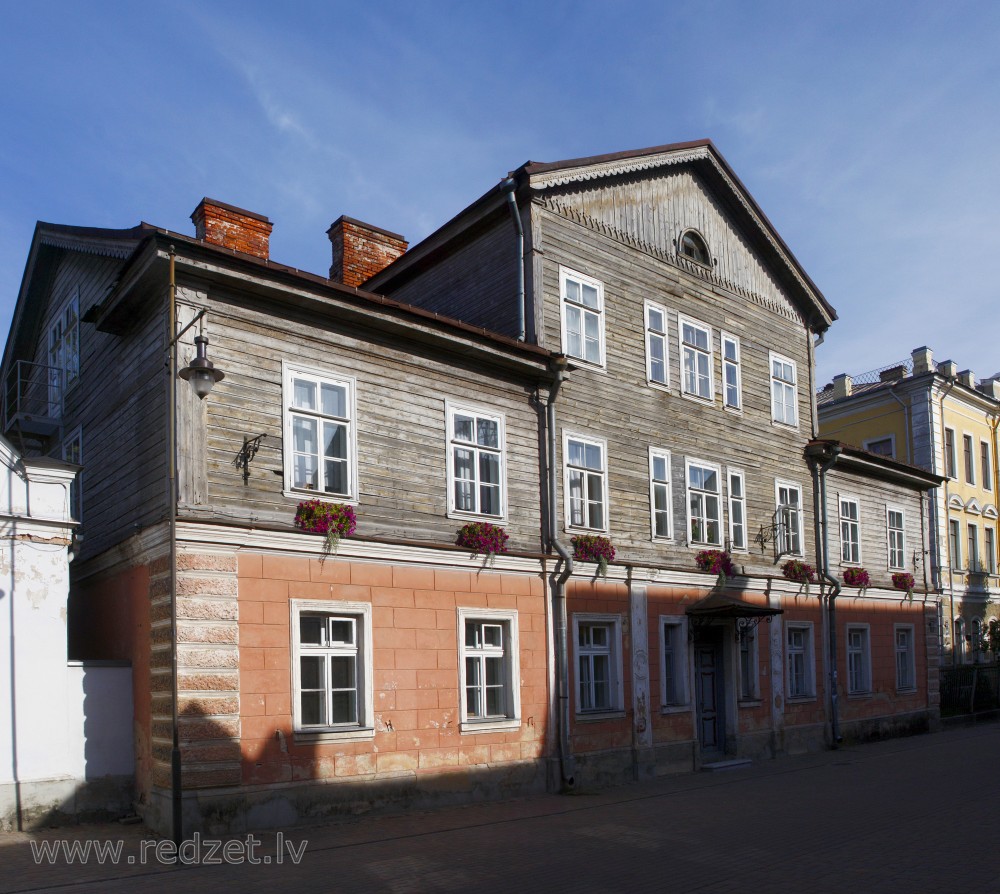
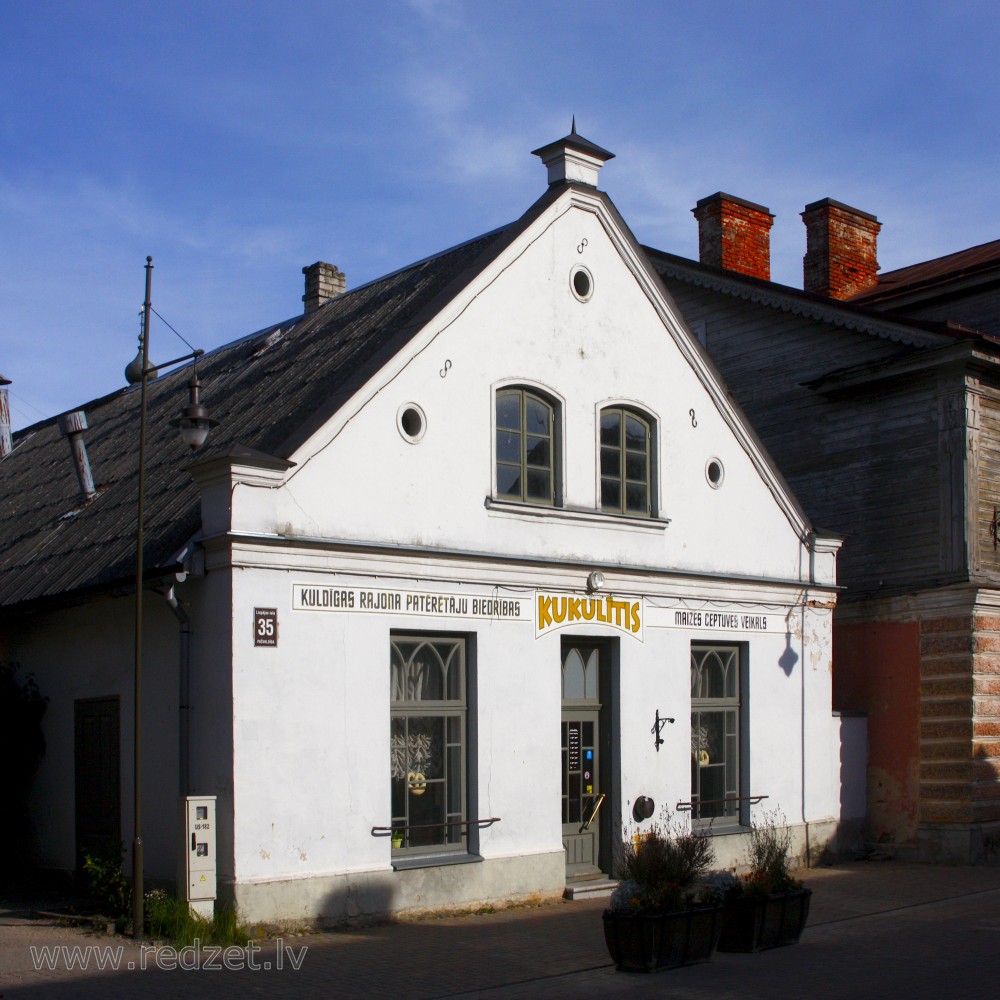
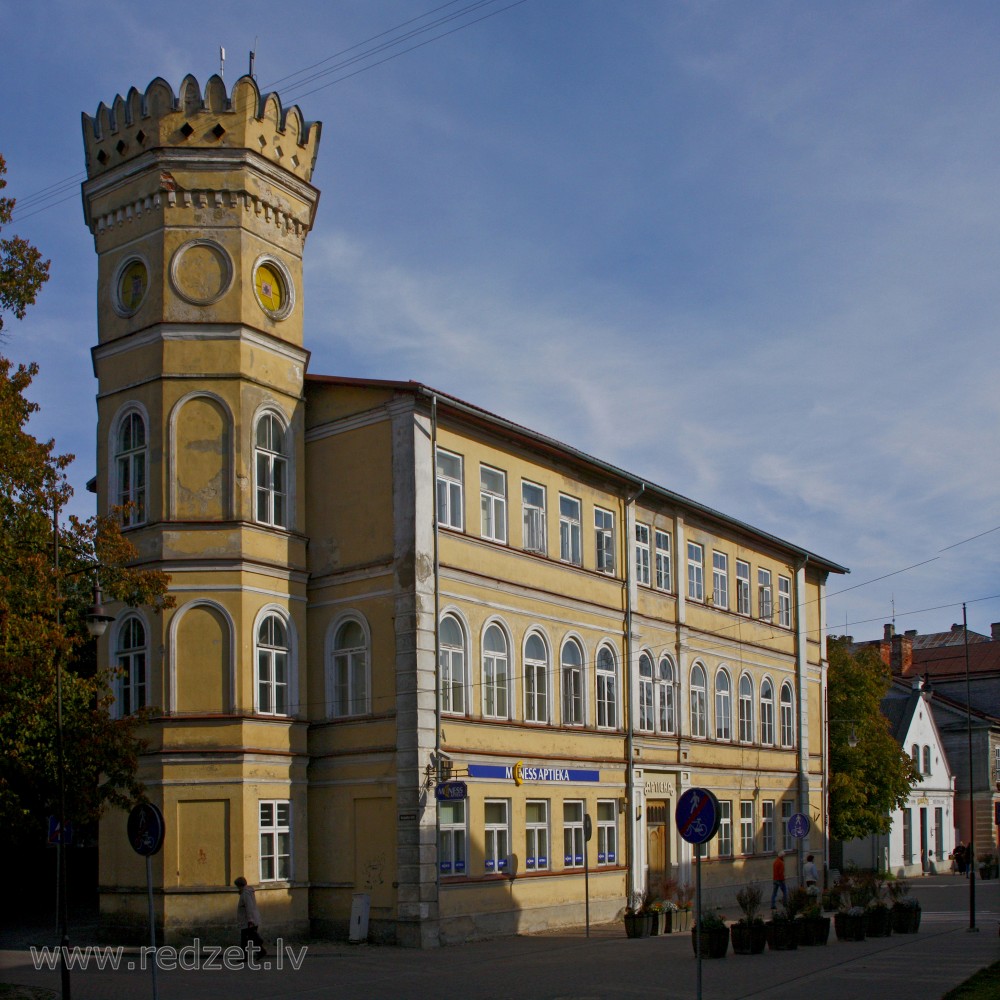
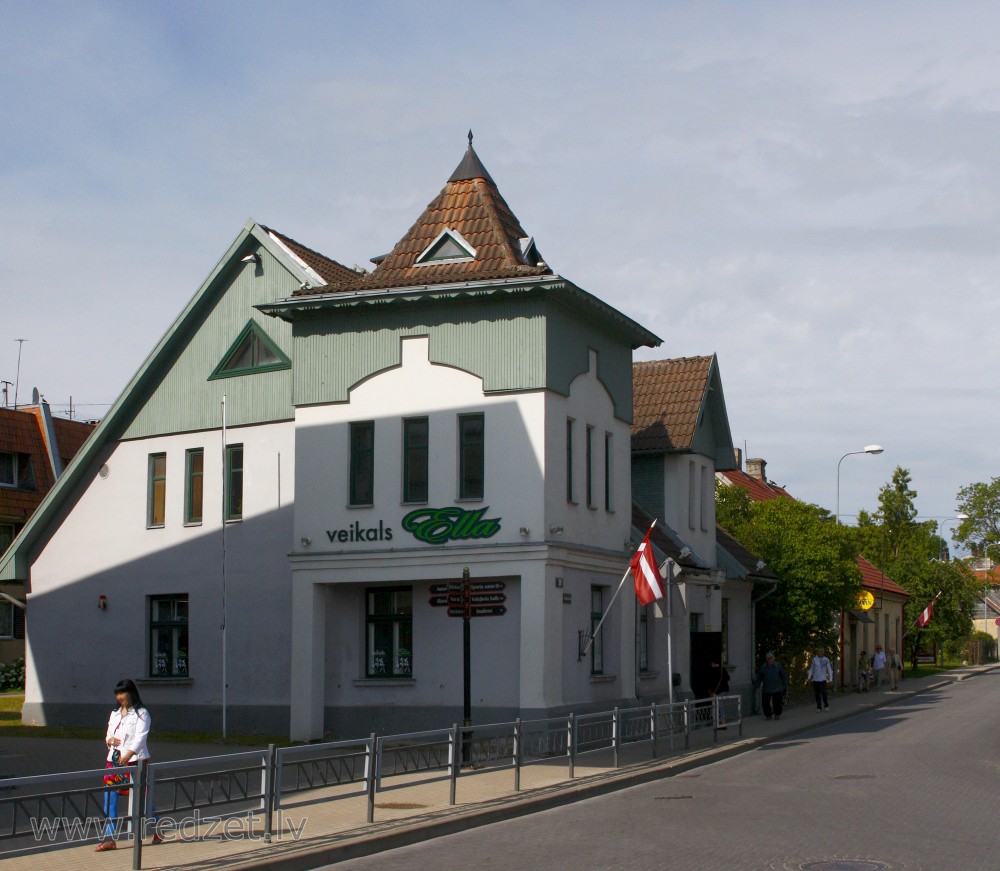
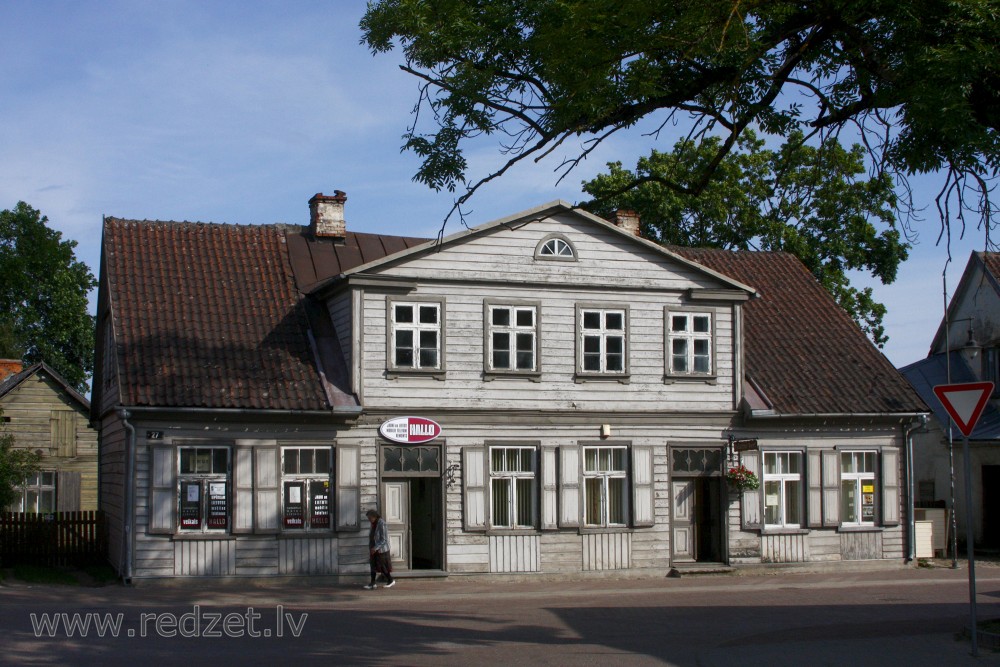
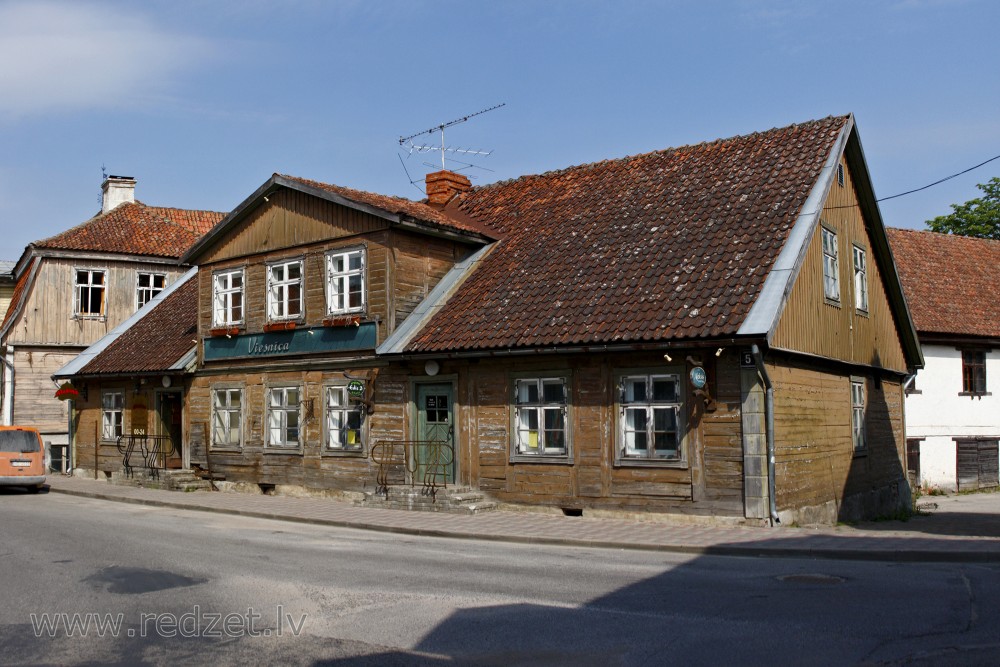
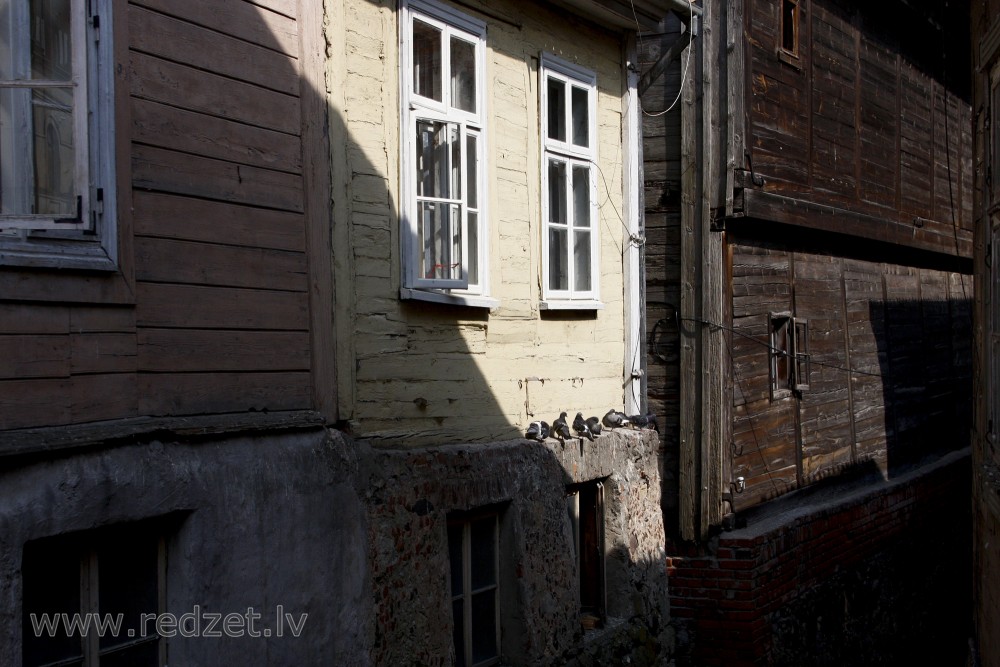
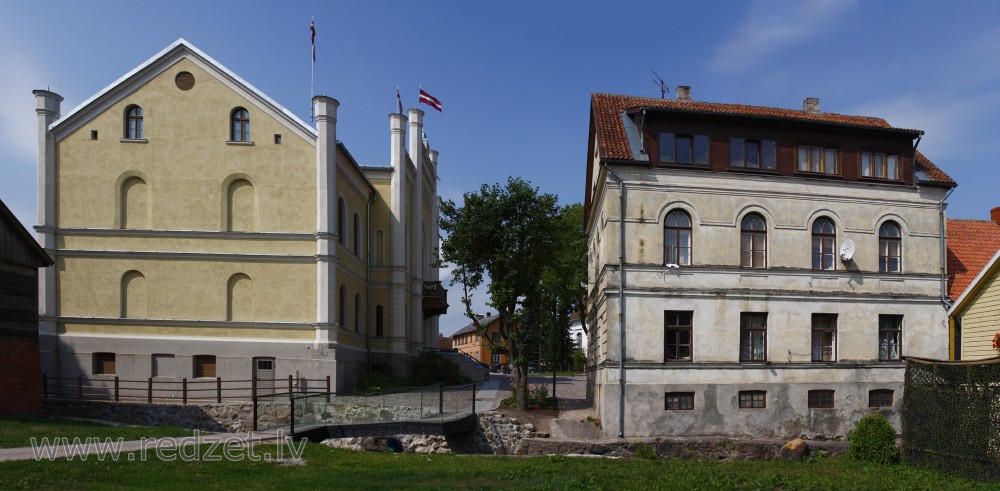
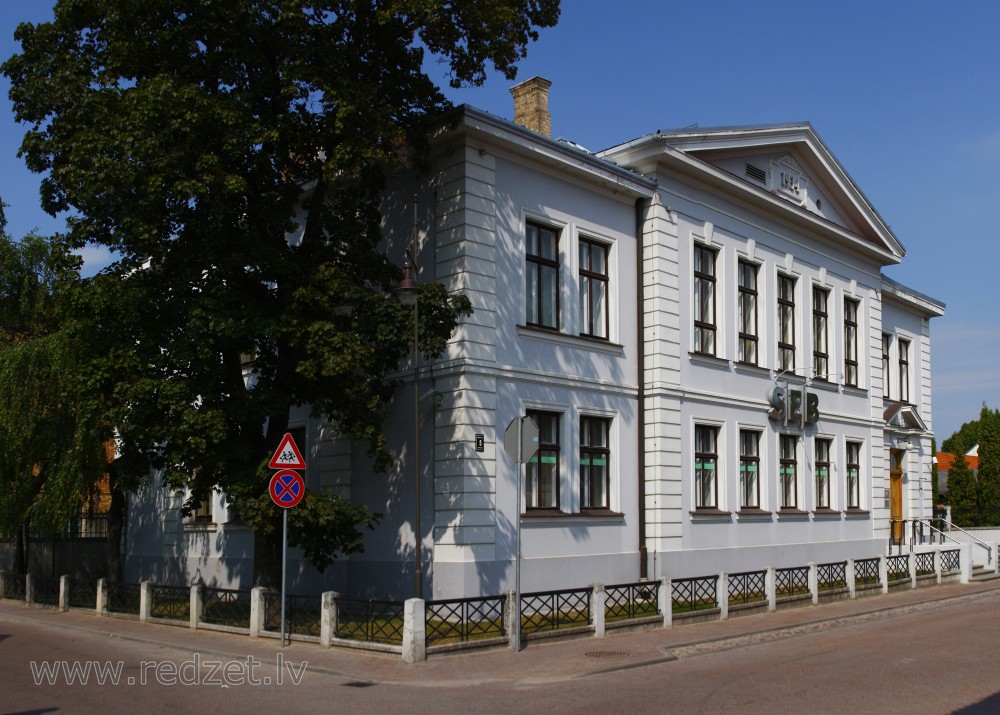
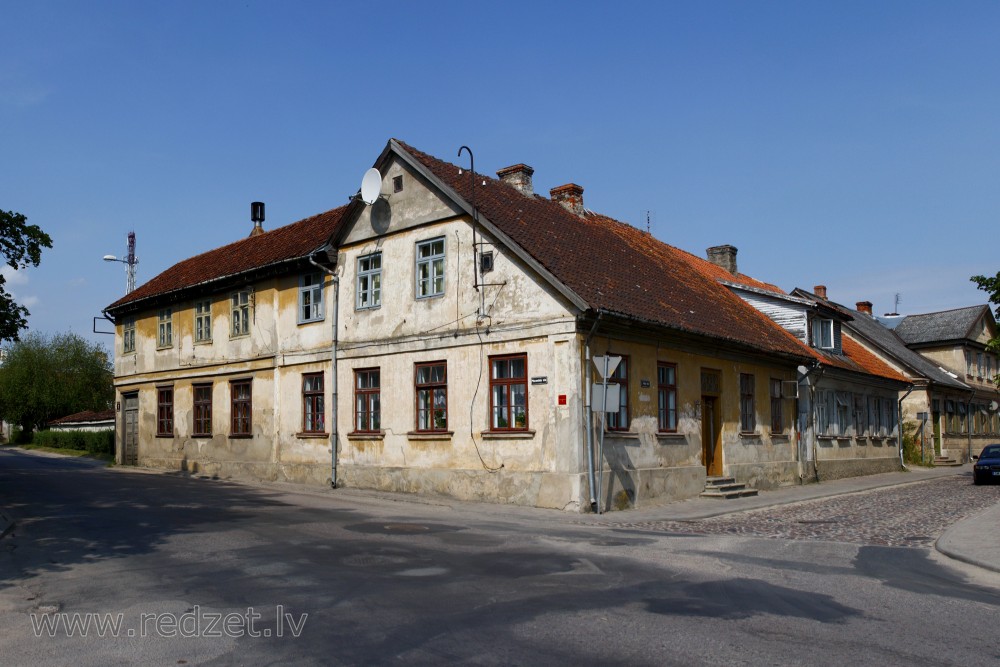
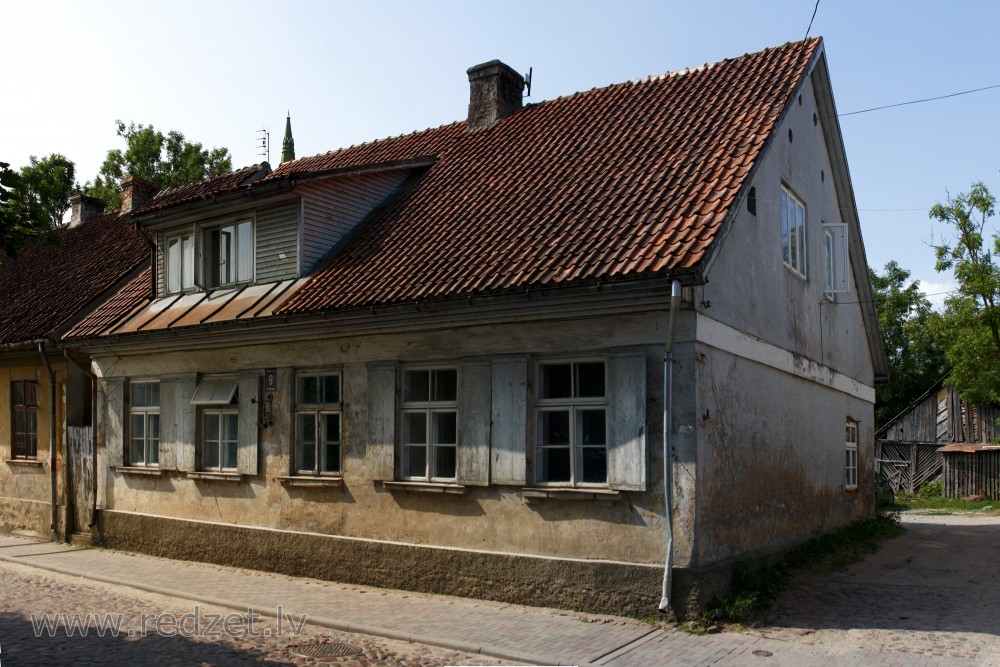
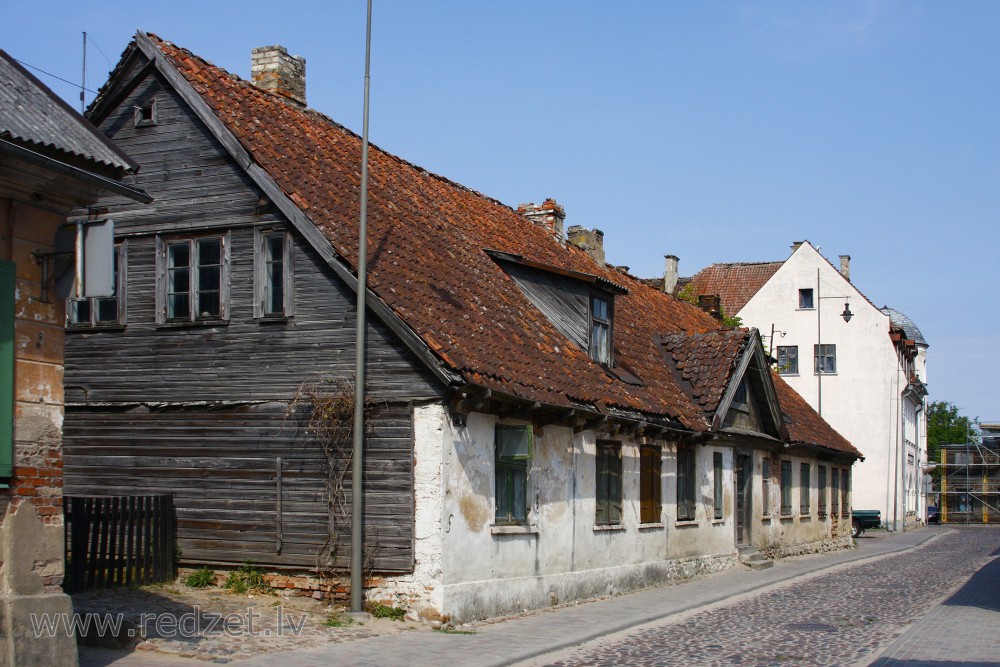
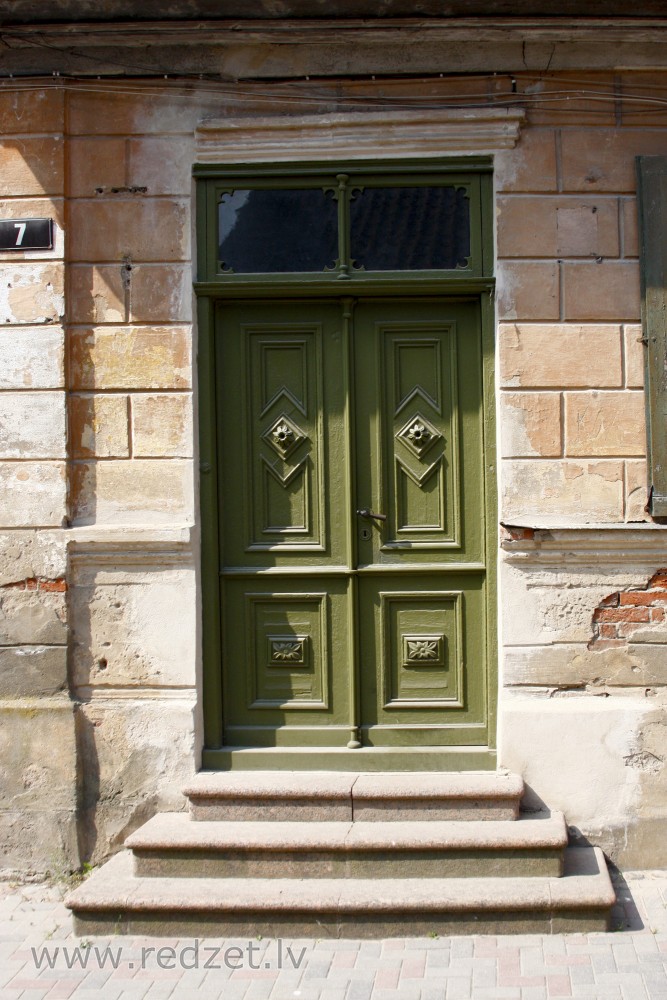
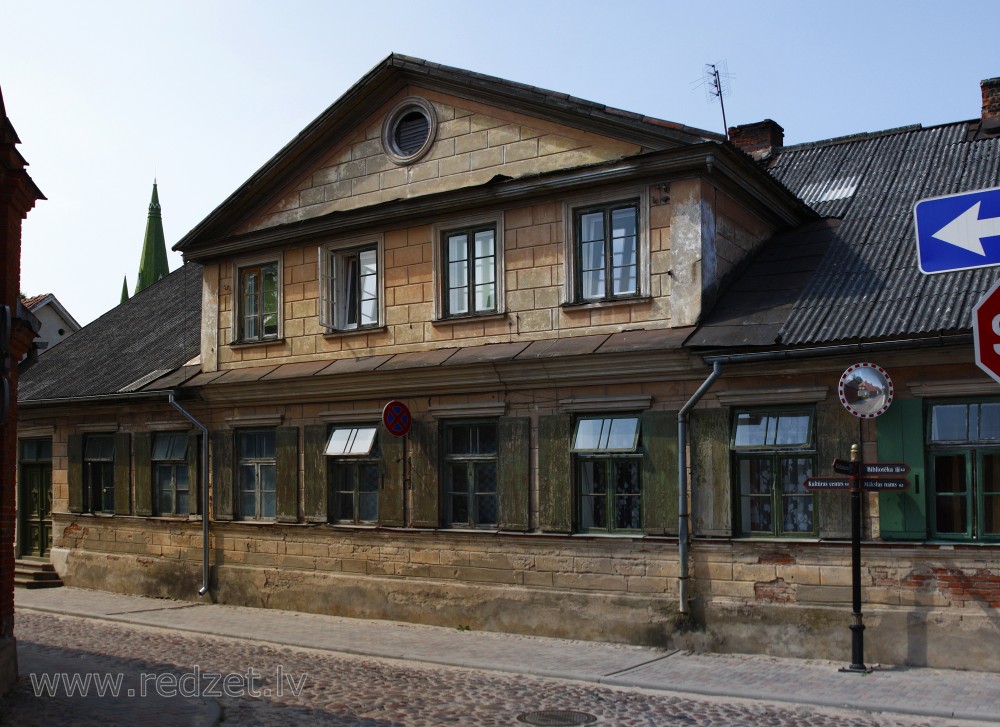
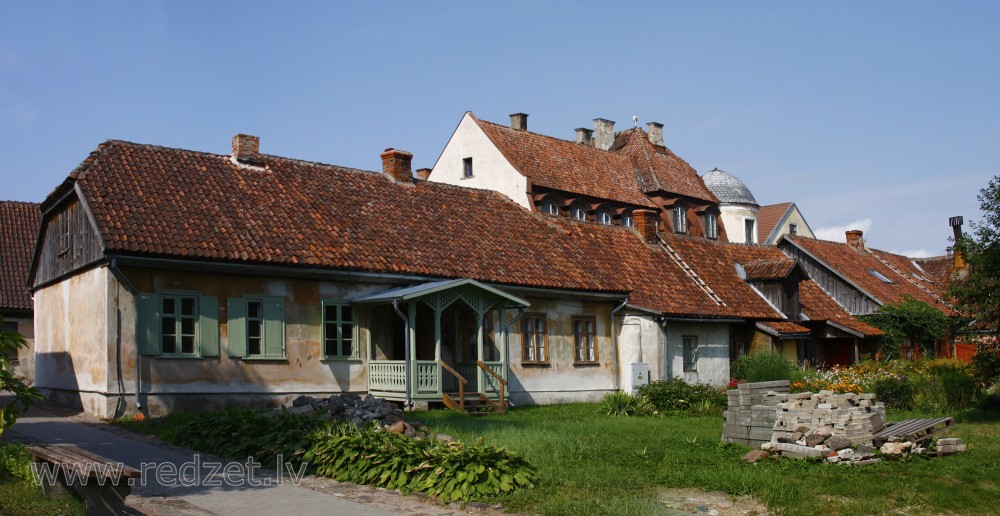
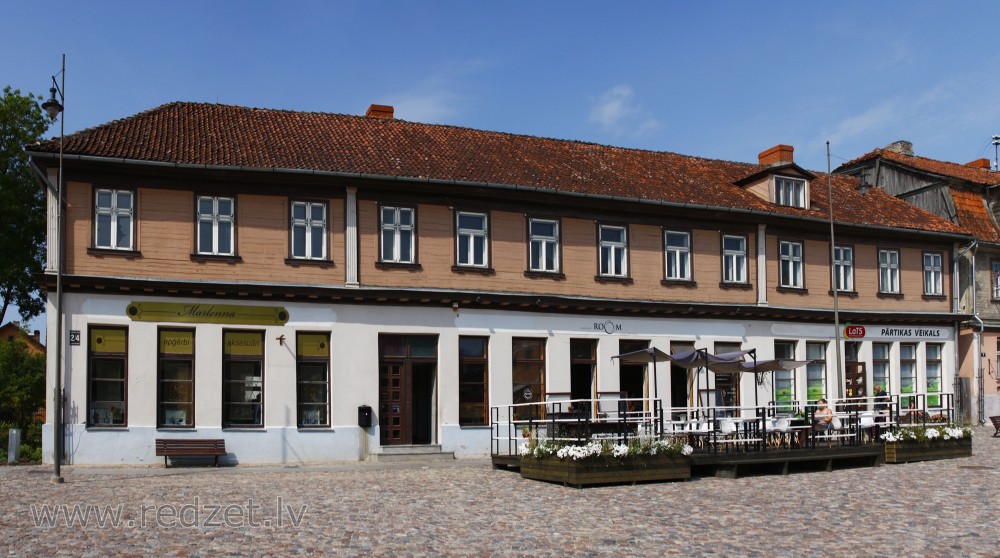
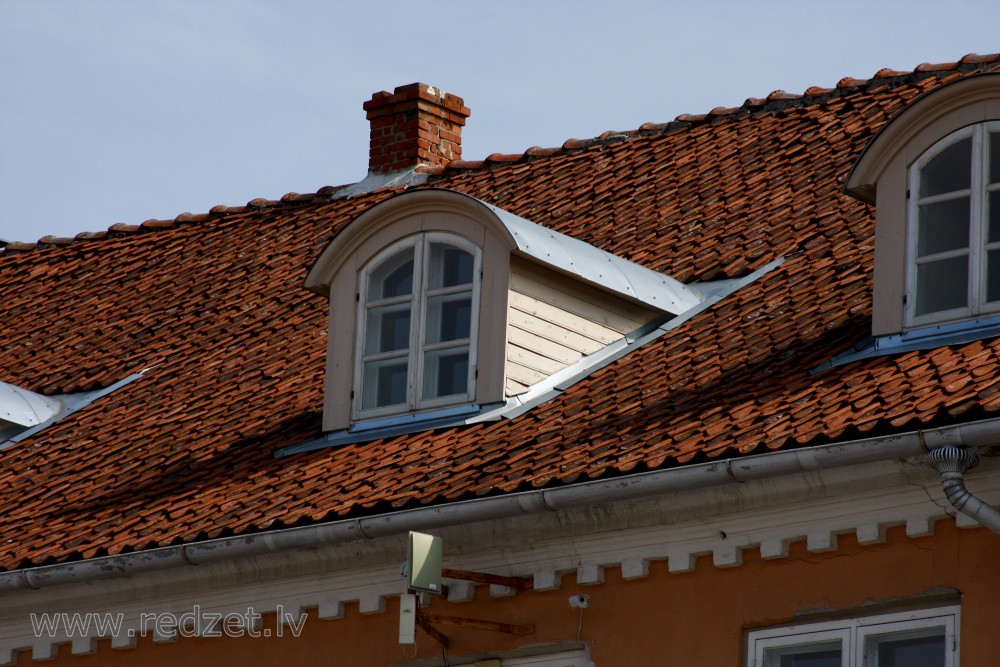
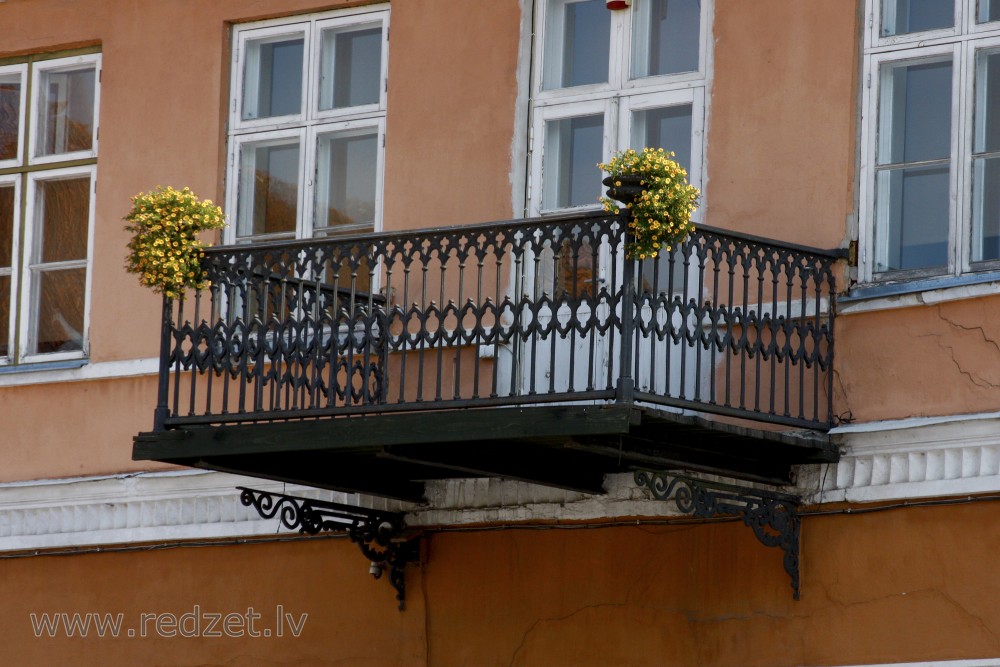
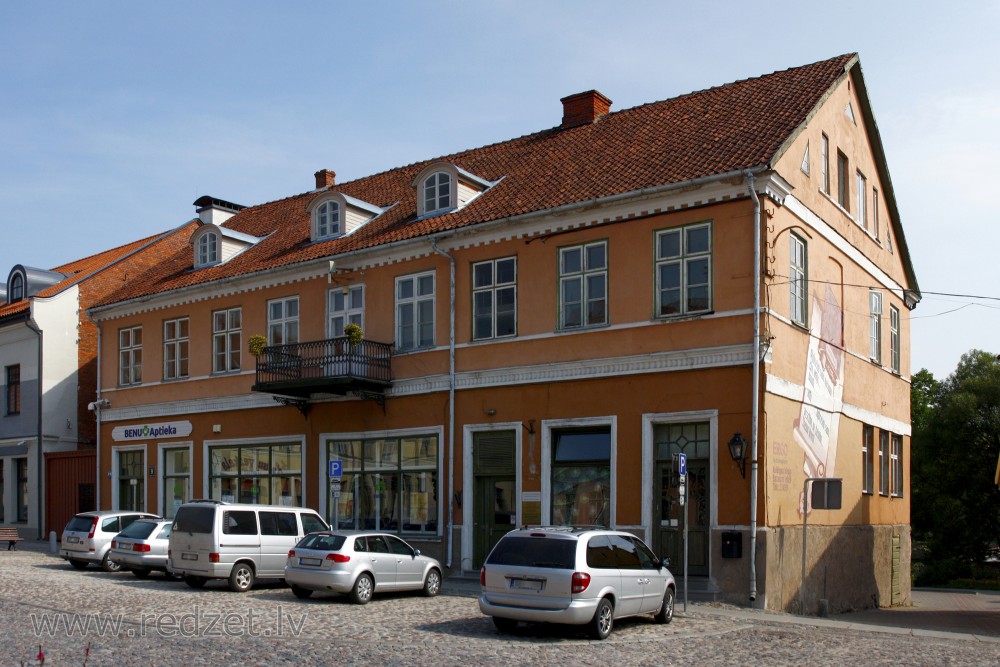
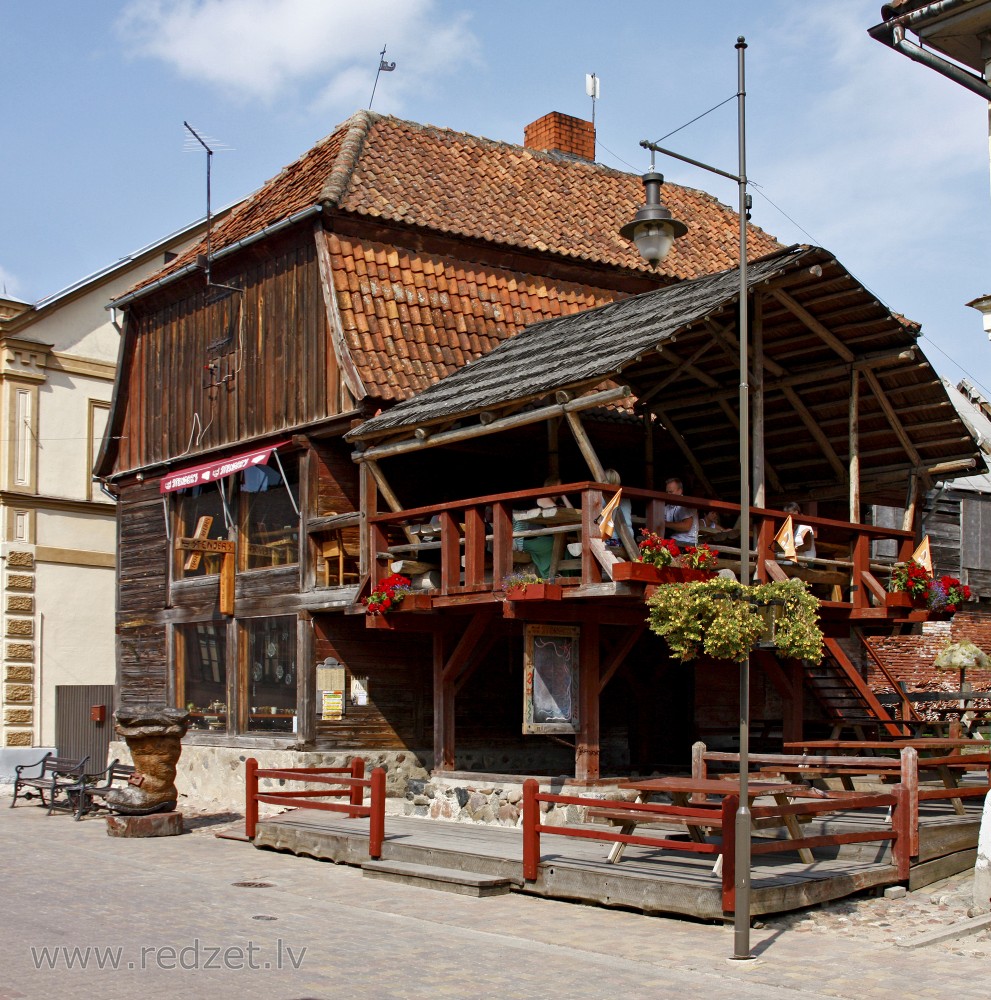
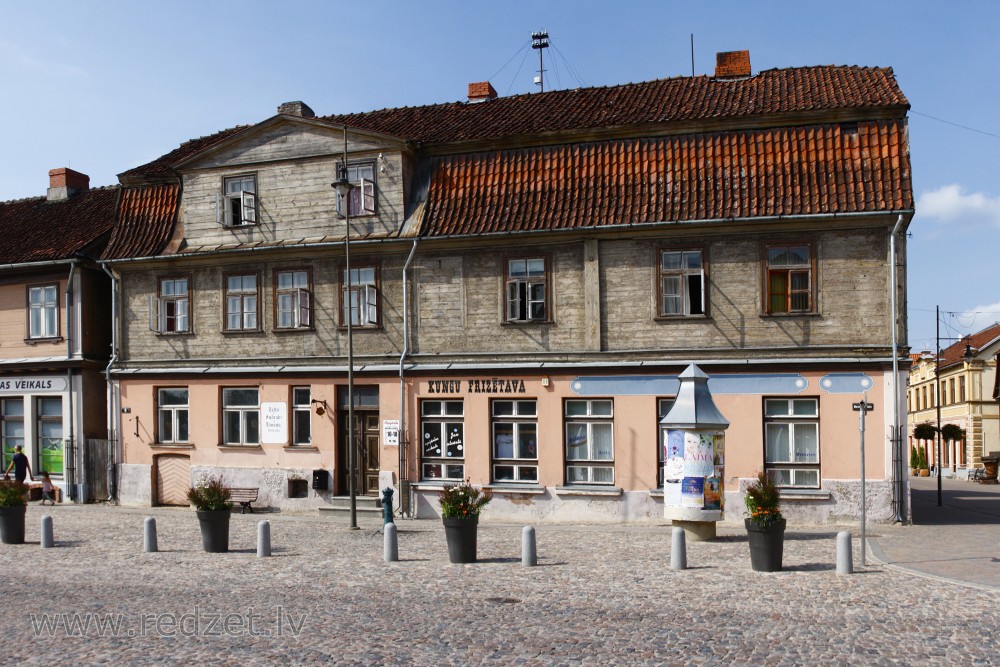
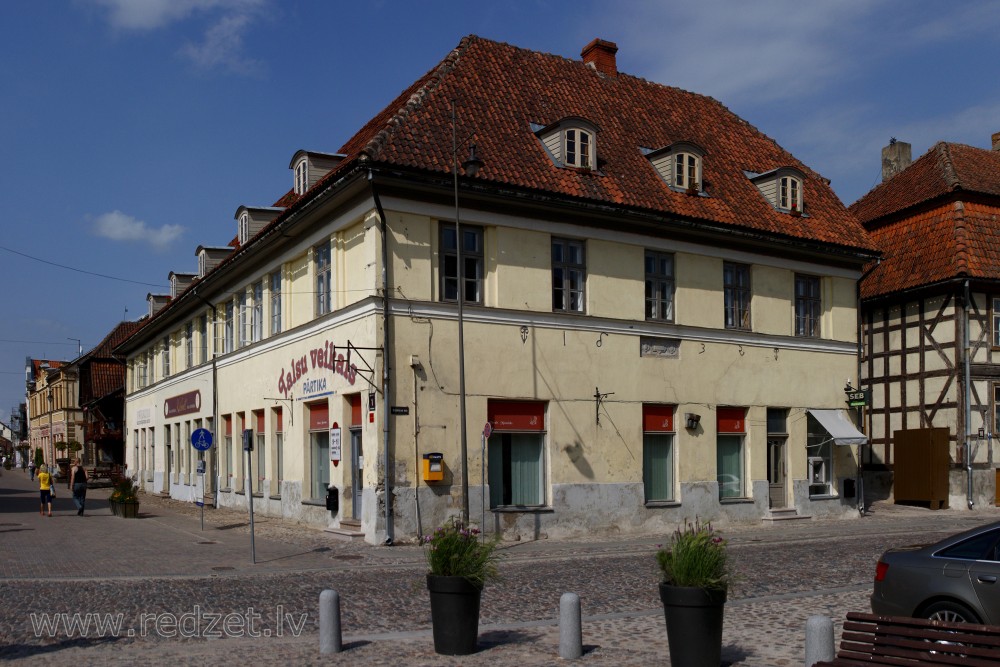
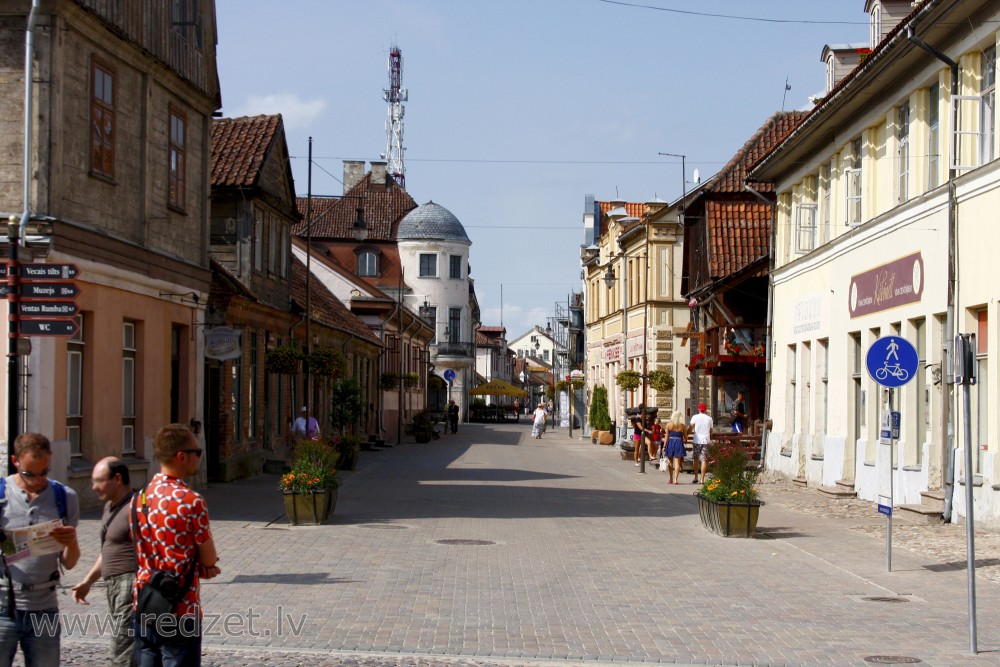
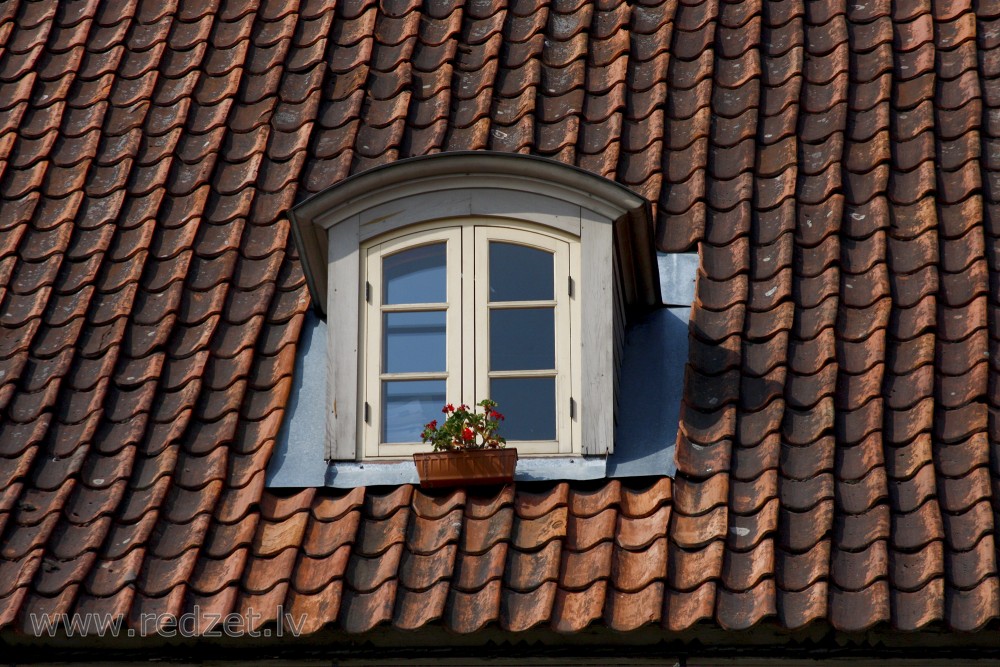
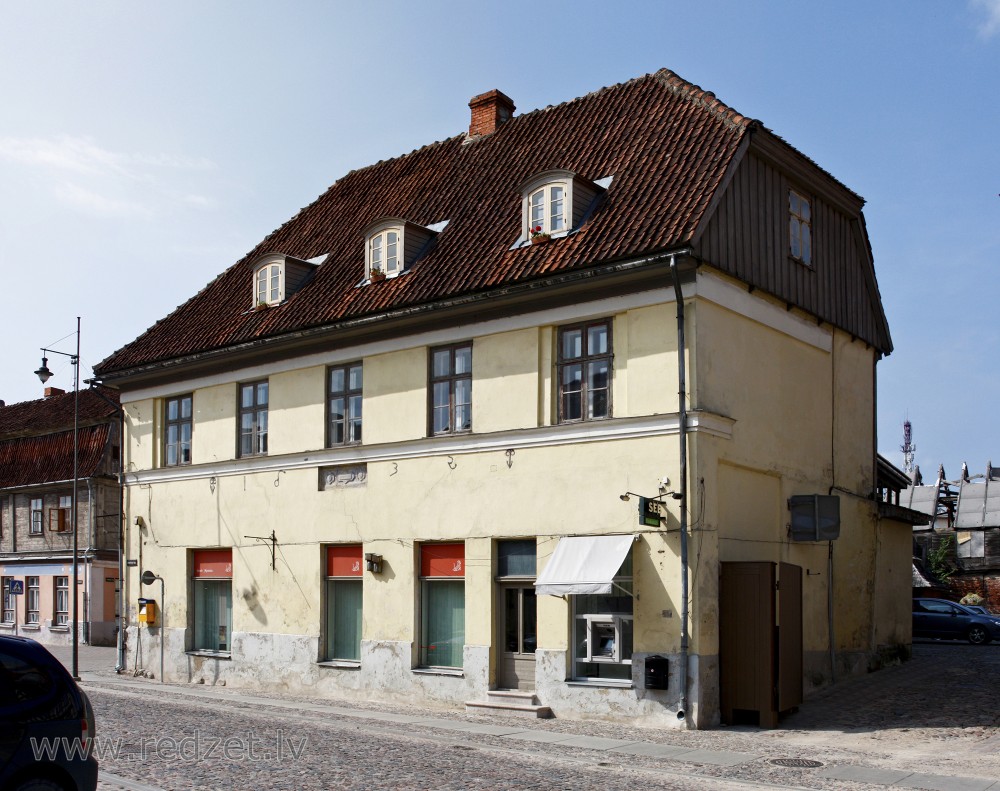
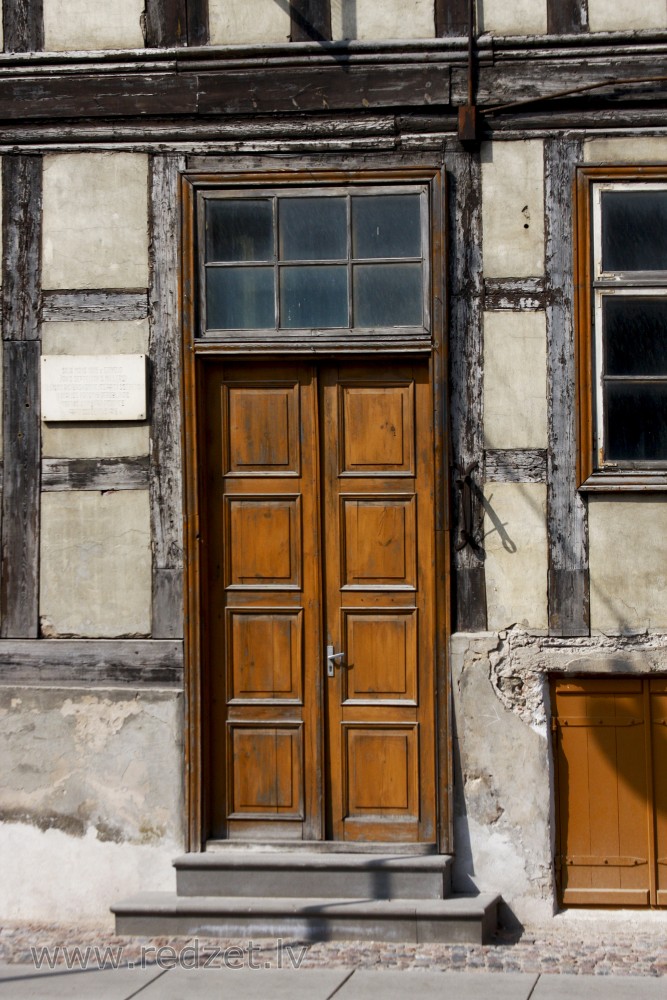
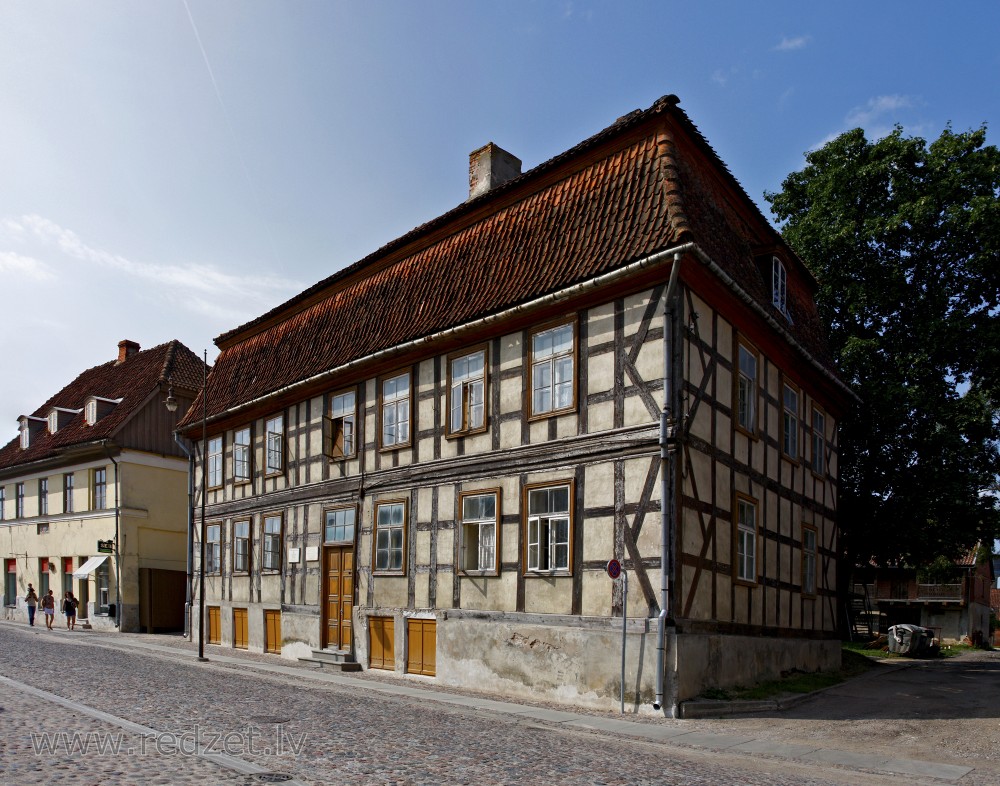
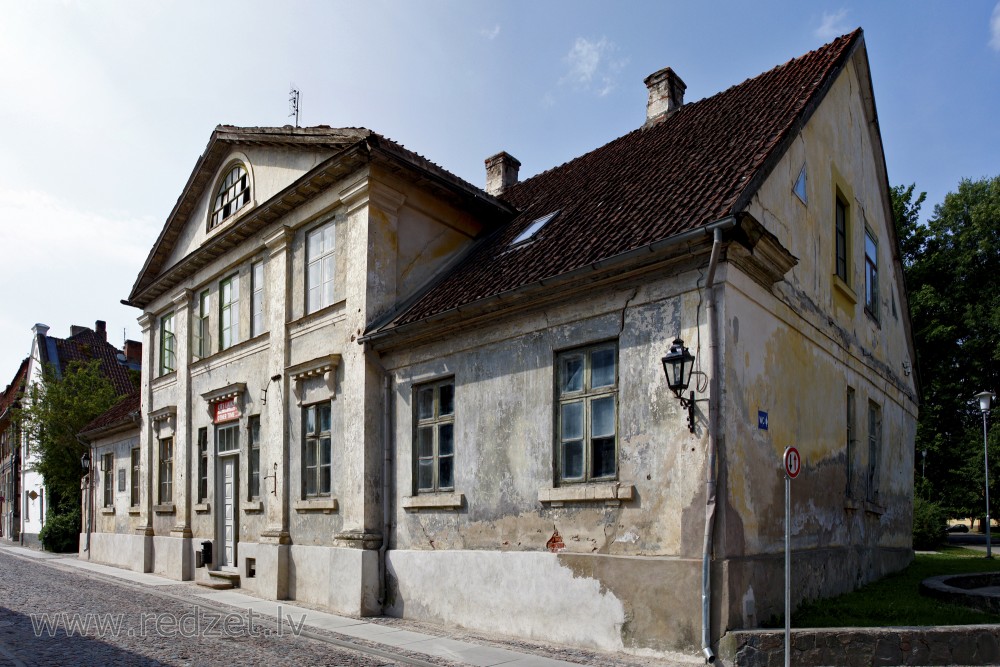
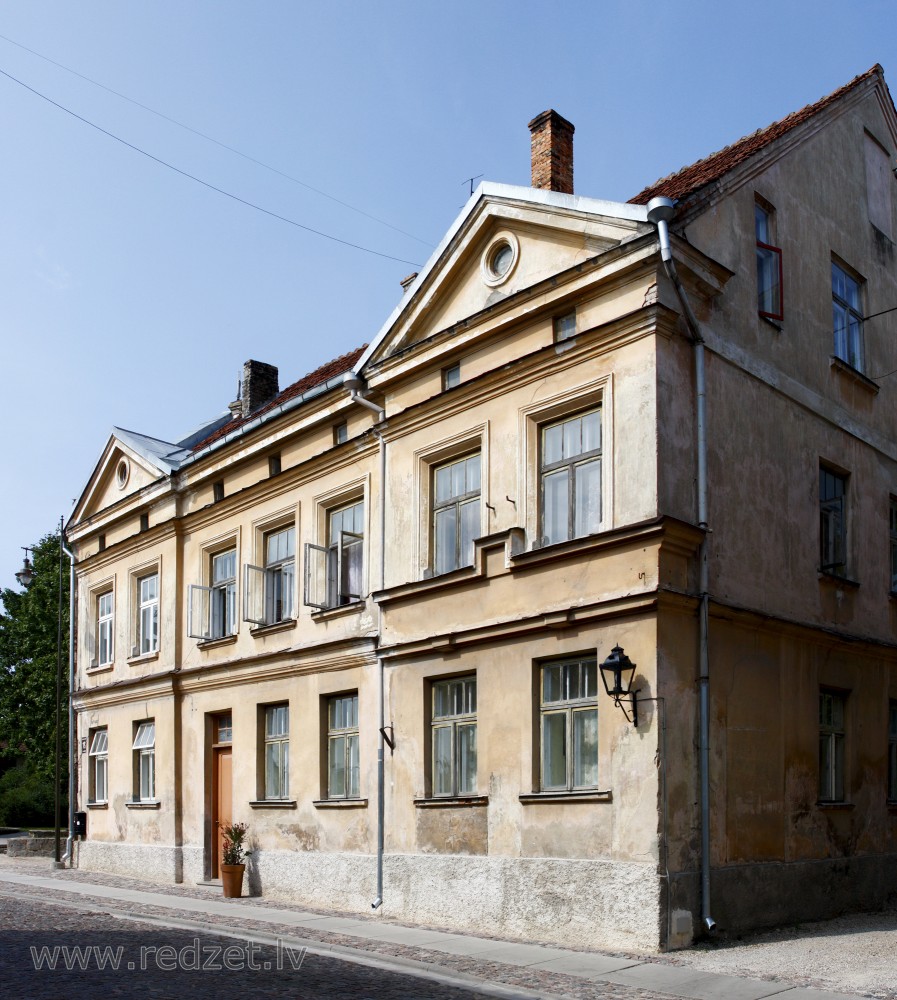
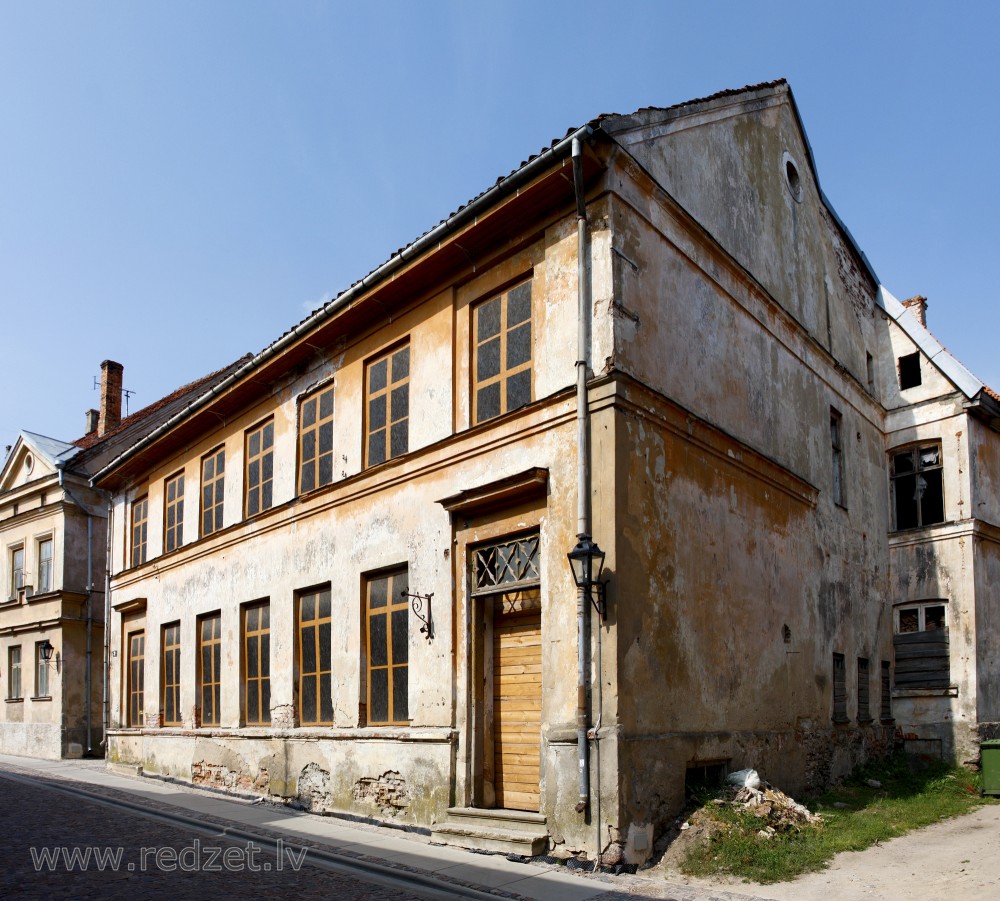
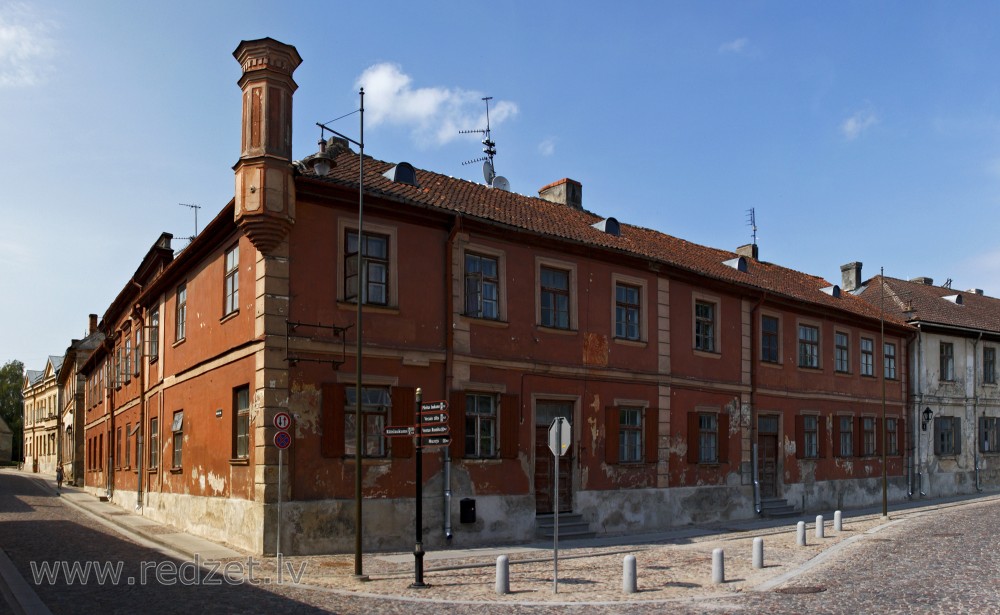
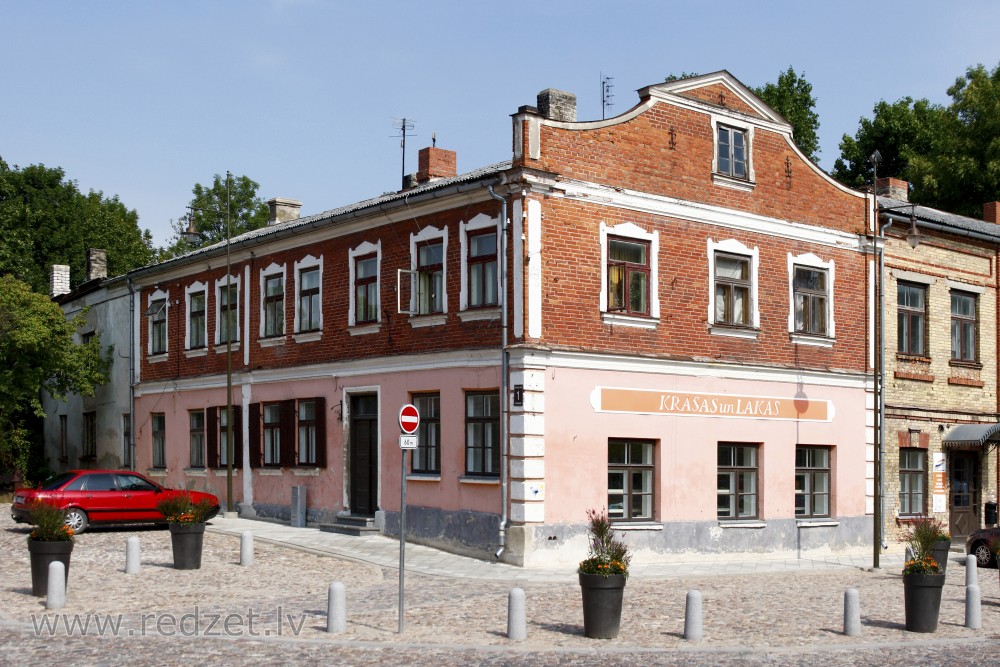
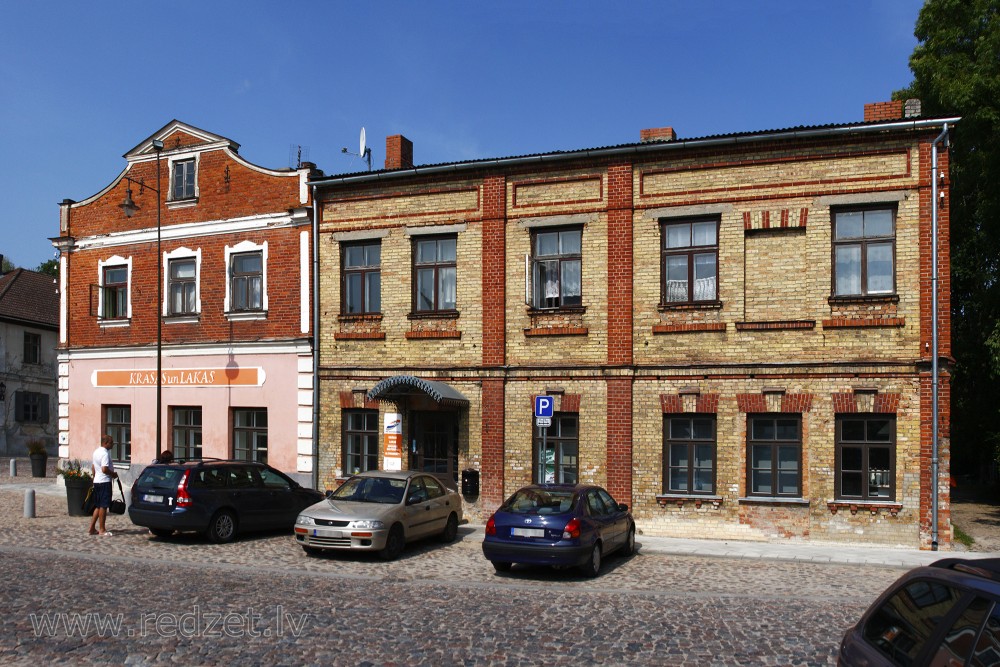
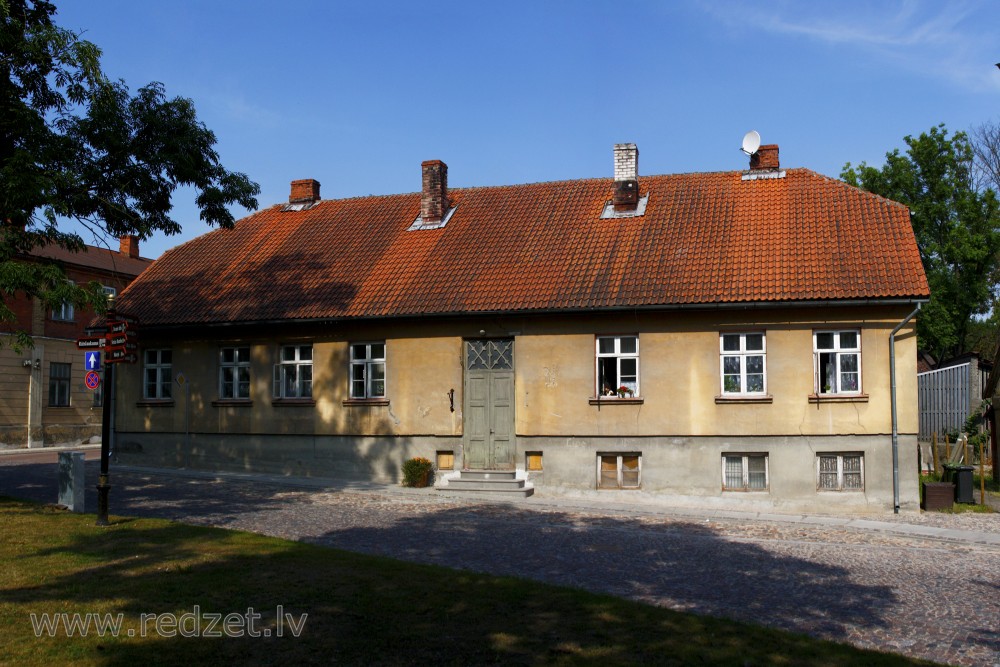
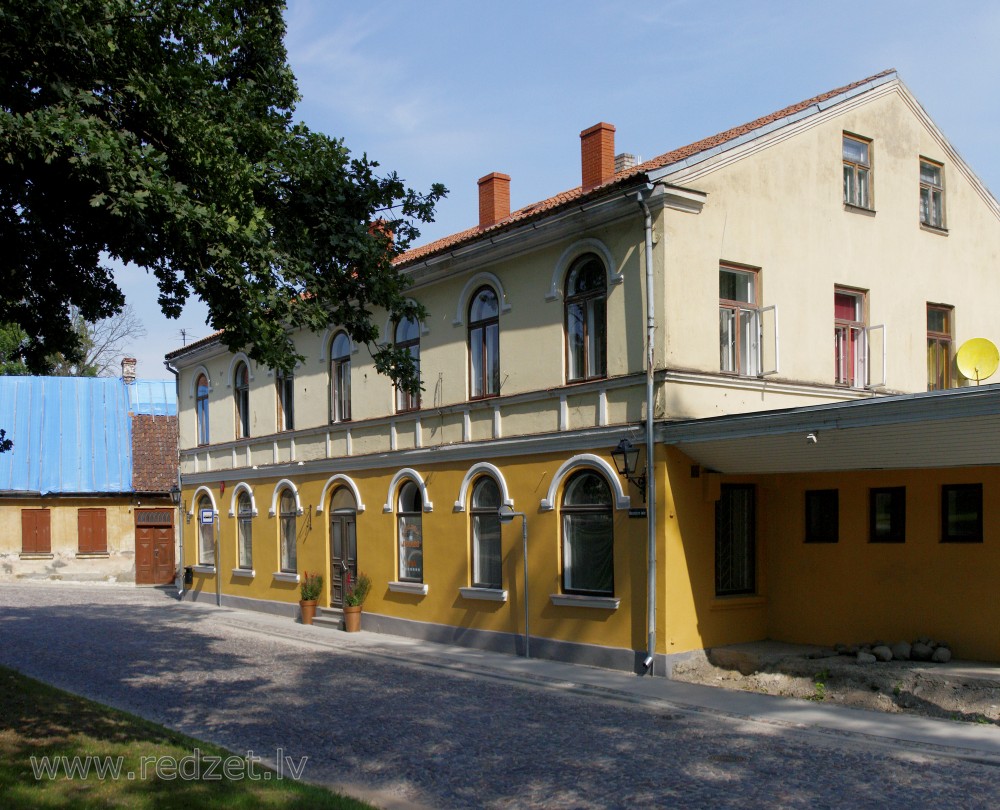
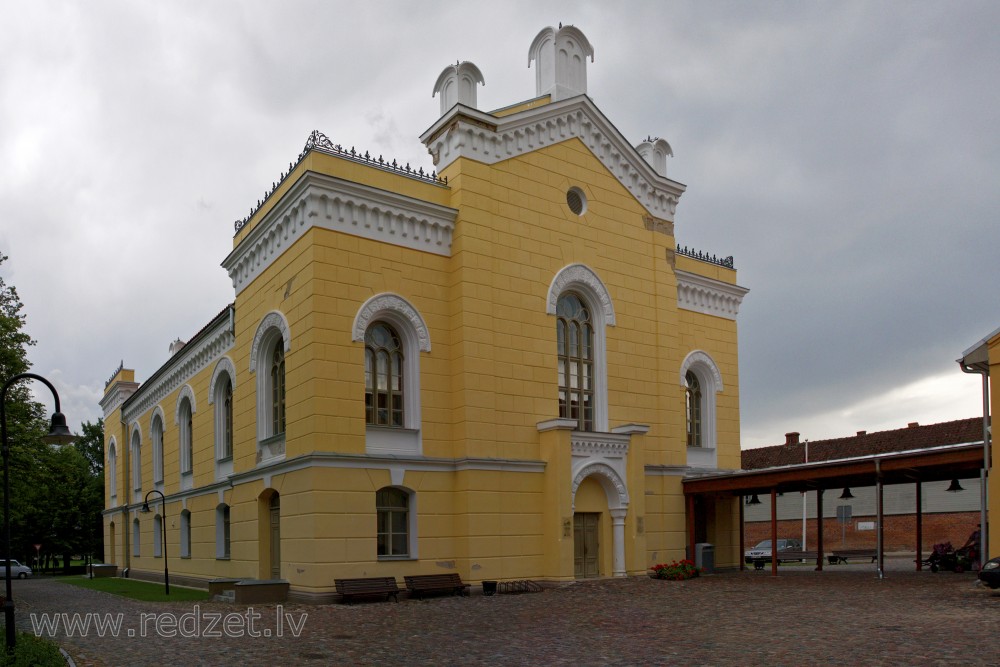
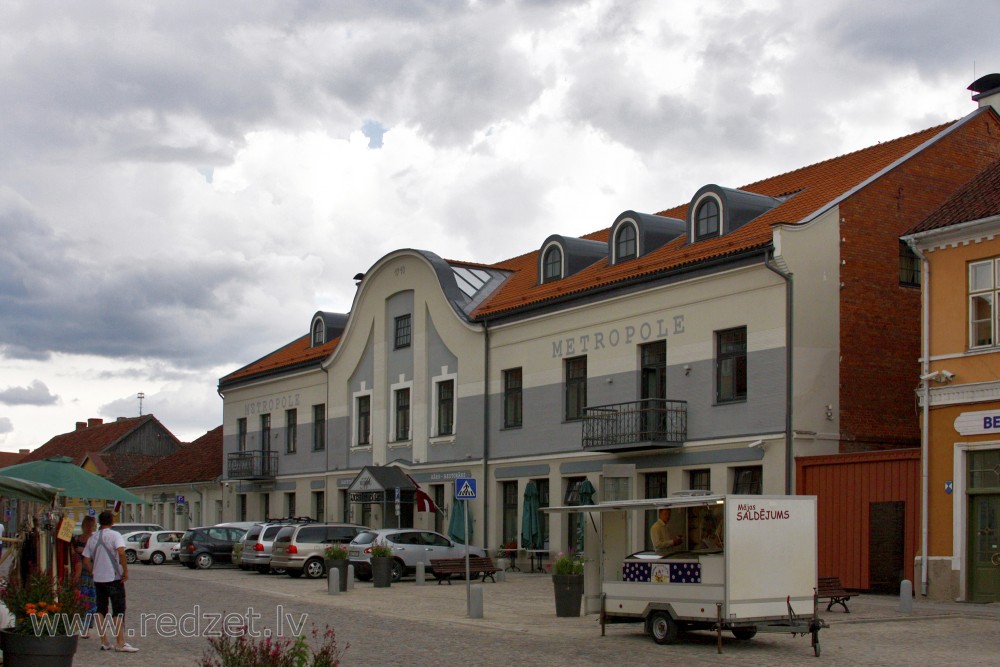
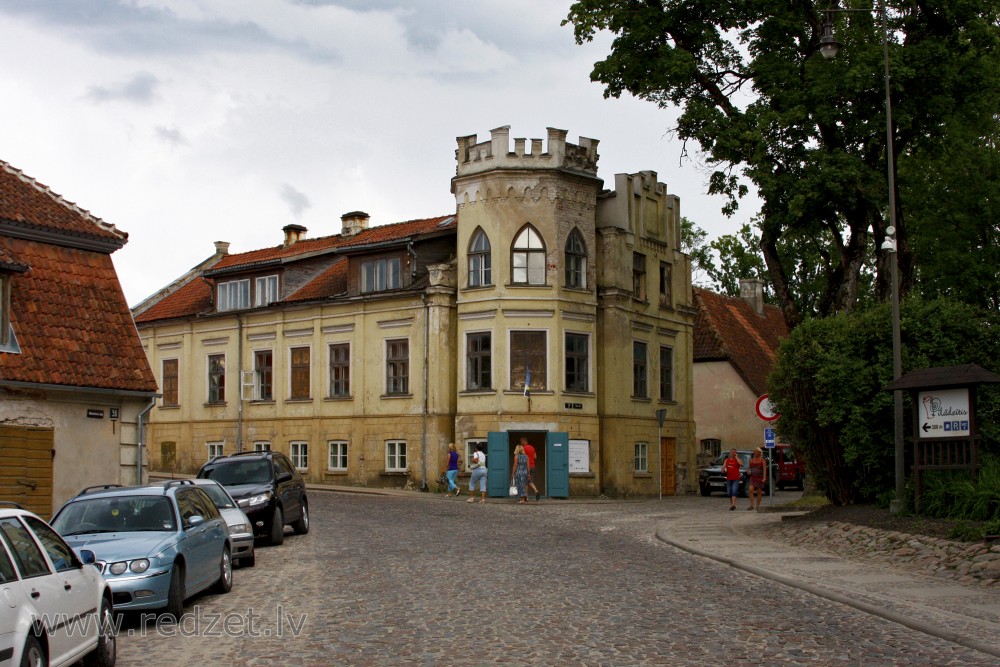
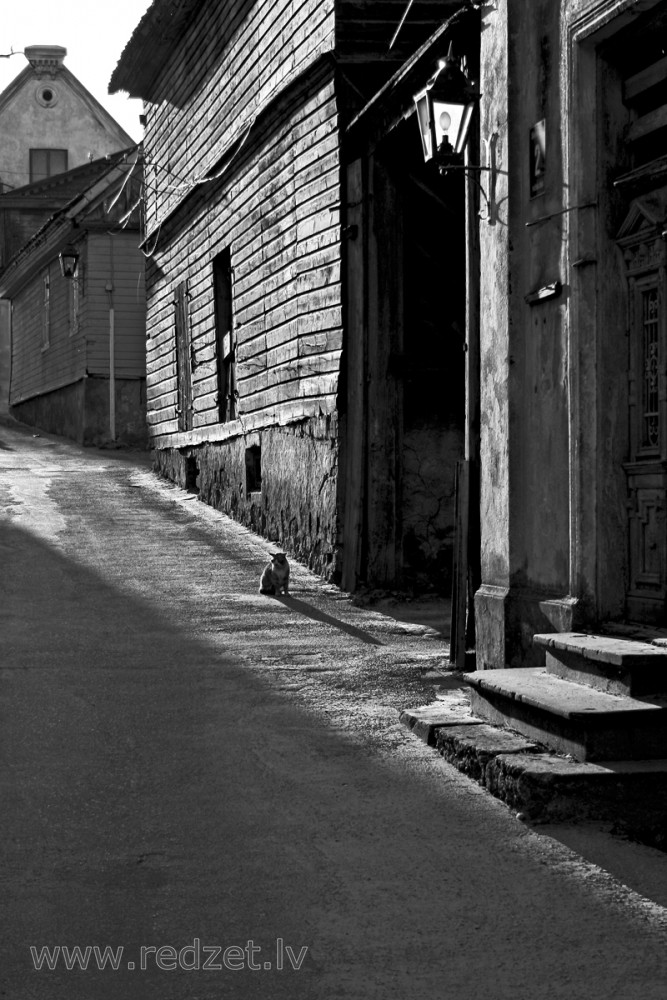
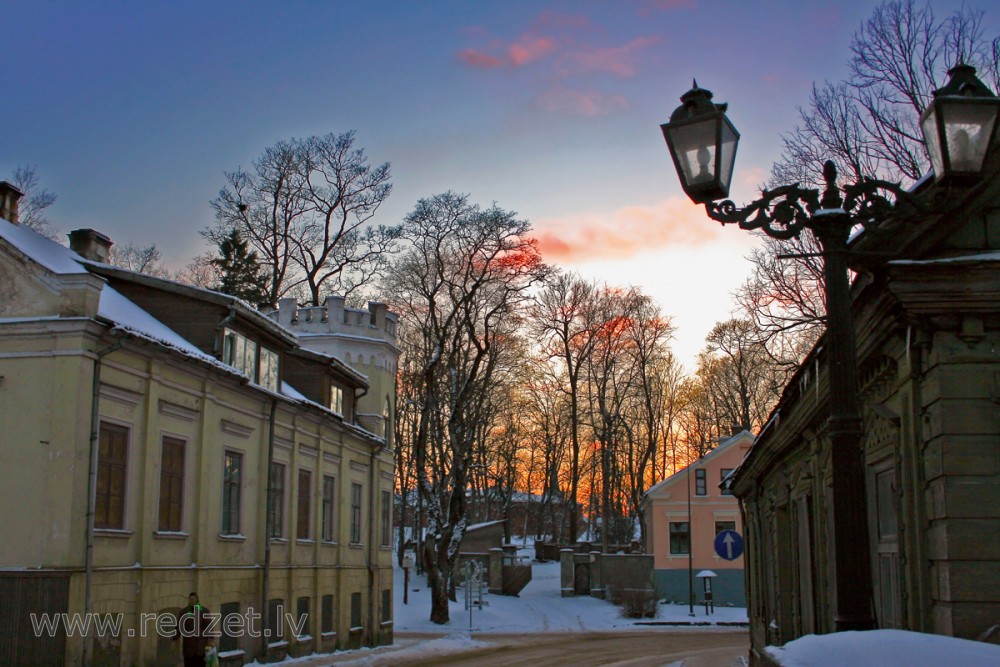
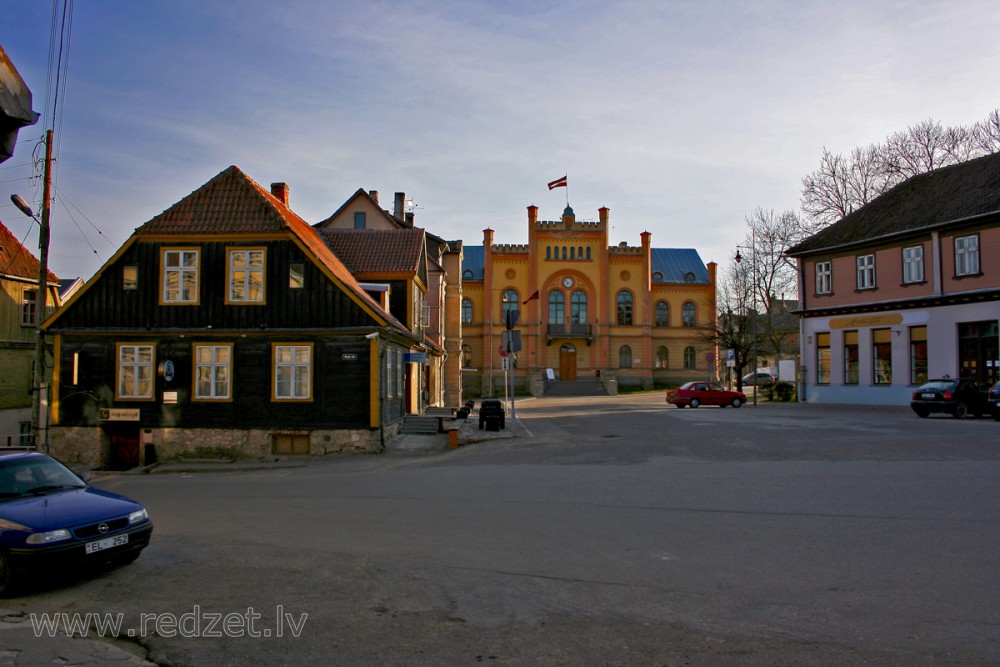
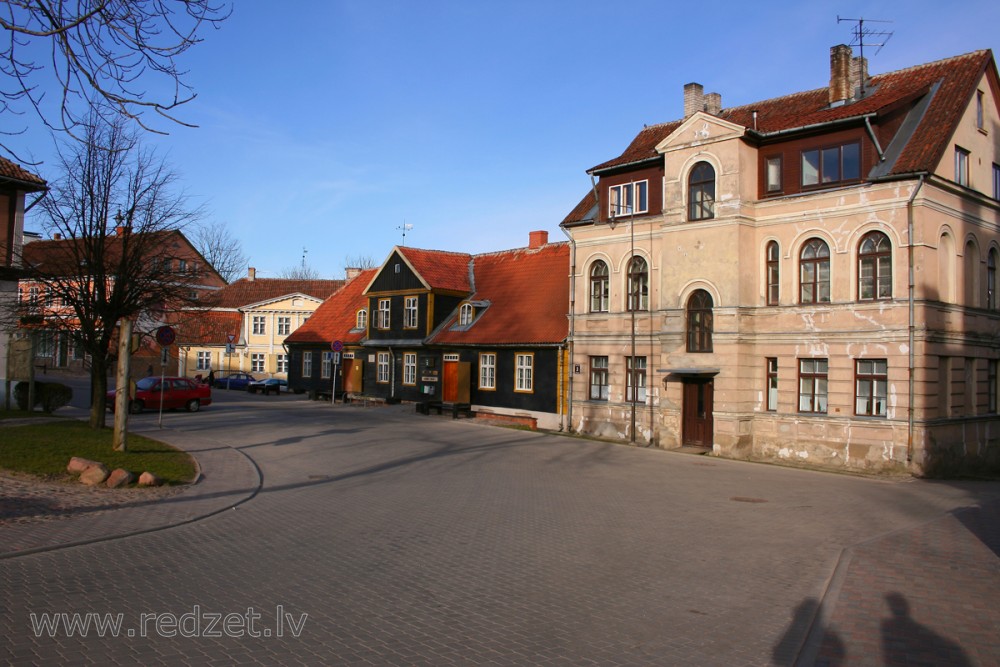
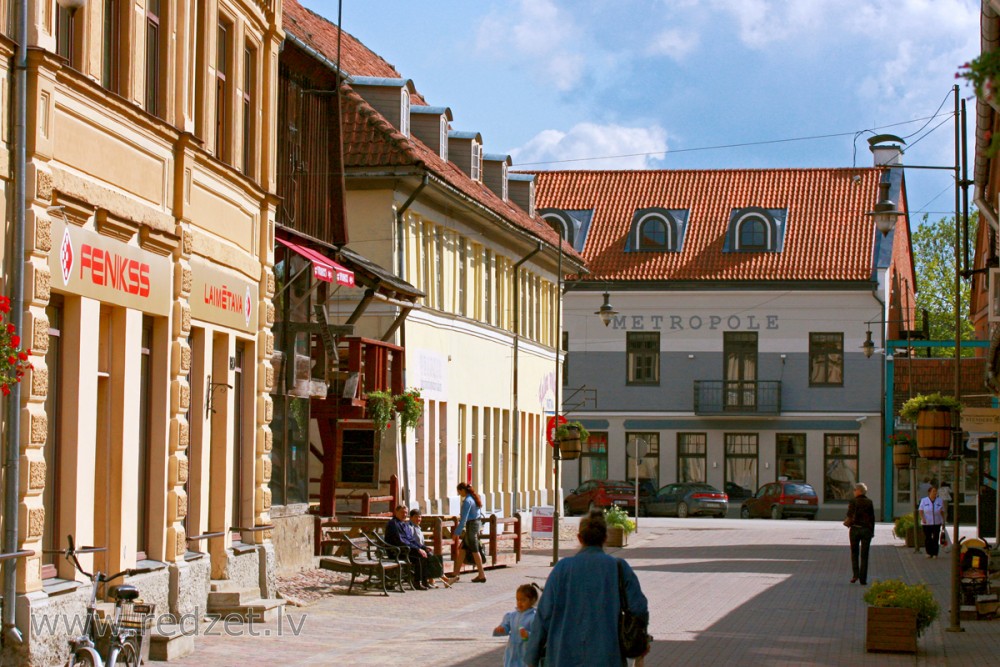
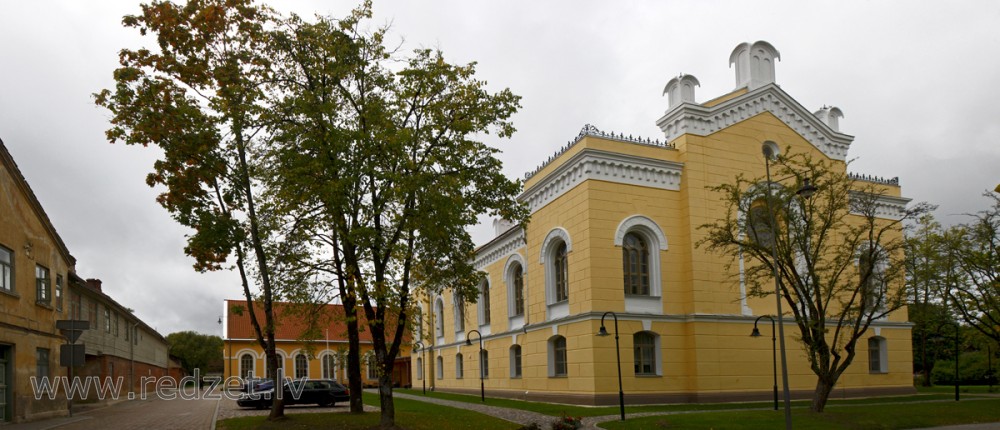
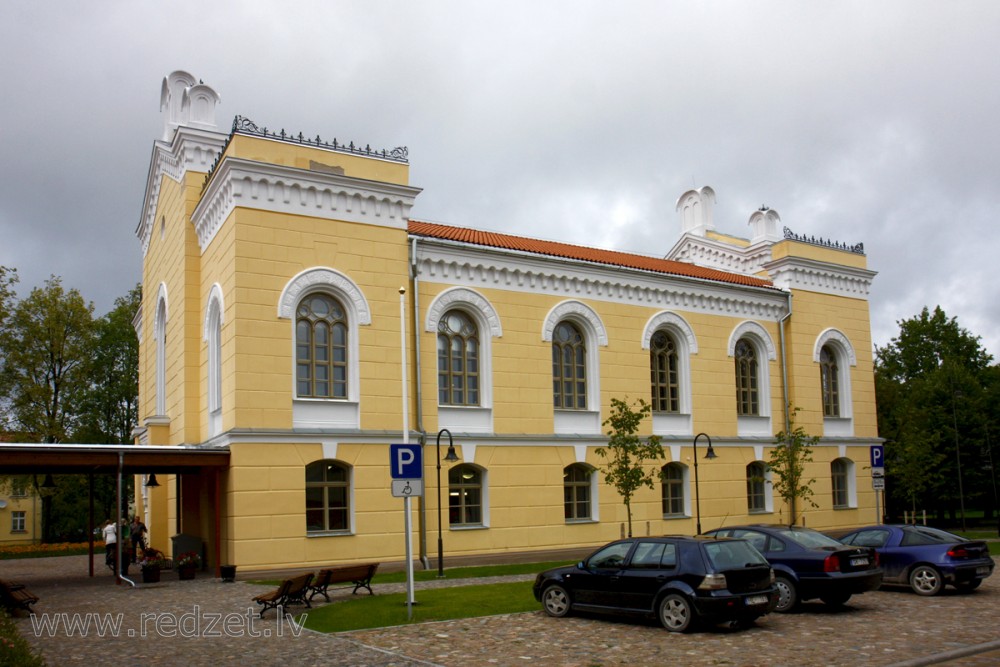
The historic centre is Kuldīga’s greatest attraction. Its historic street layout, wooden and masonry buildings, courtyards, tiled roofs, doors and decorative details have survived remarkably well. The architecture reflects both local traditions and influences brought by craftsmen from other parts of the Baltic region.
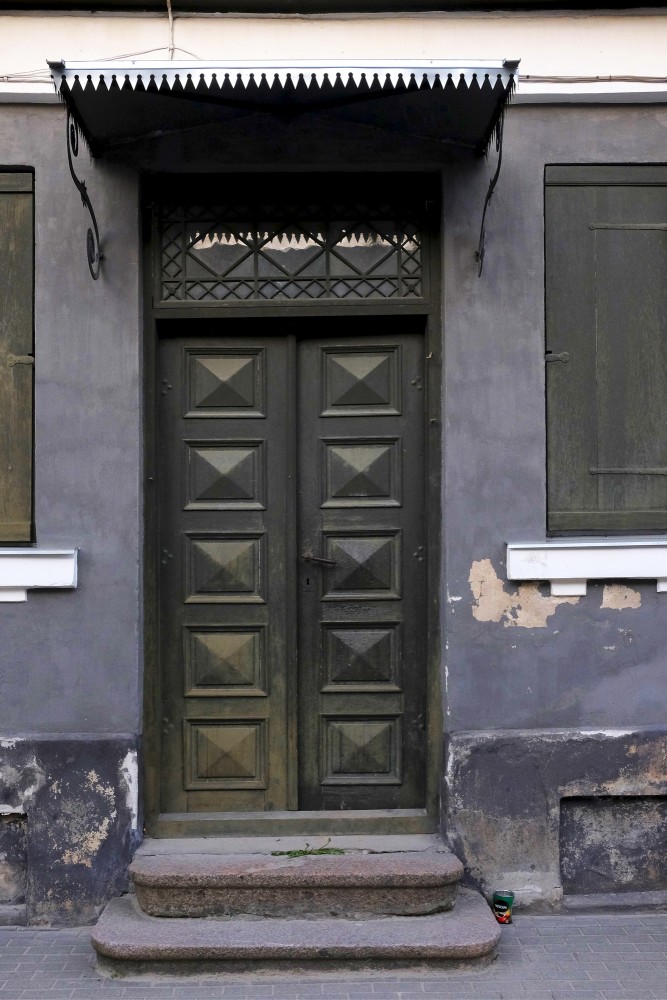
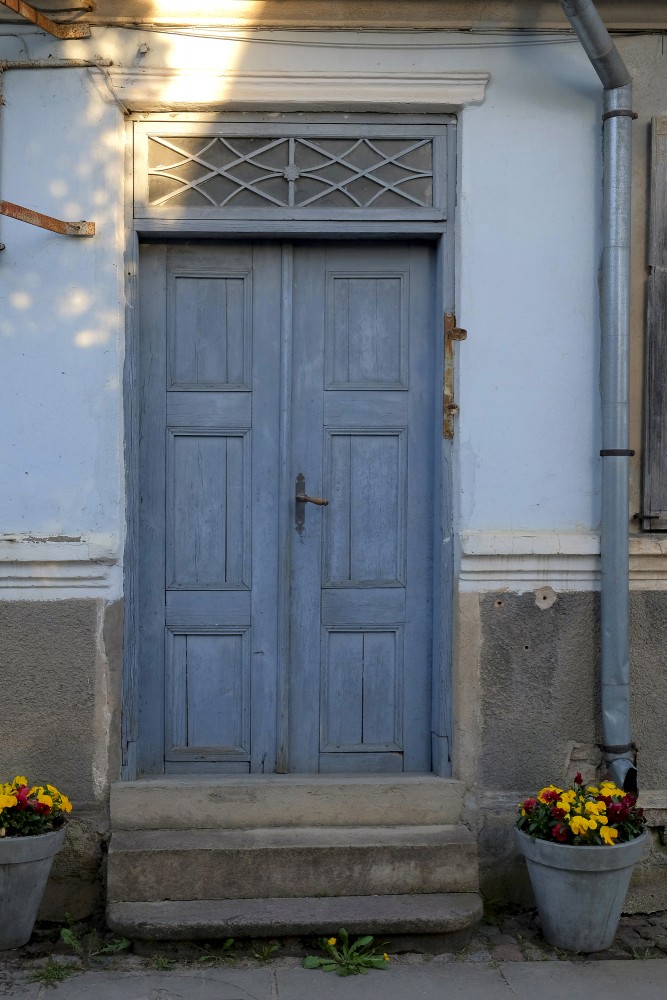
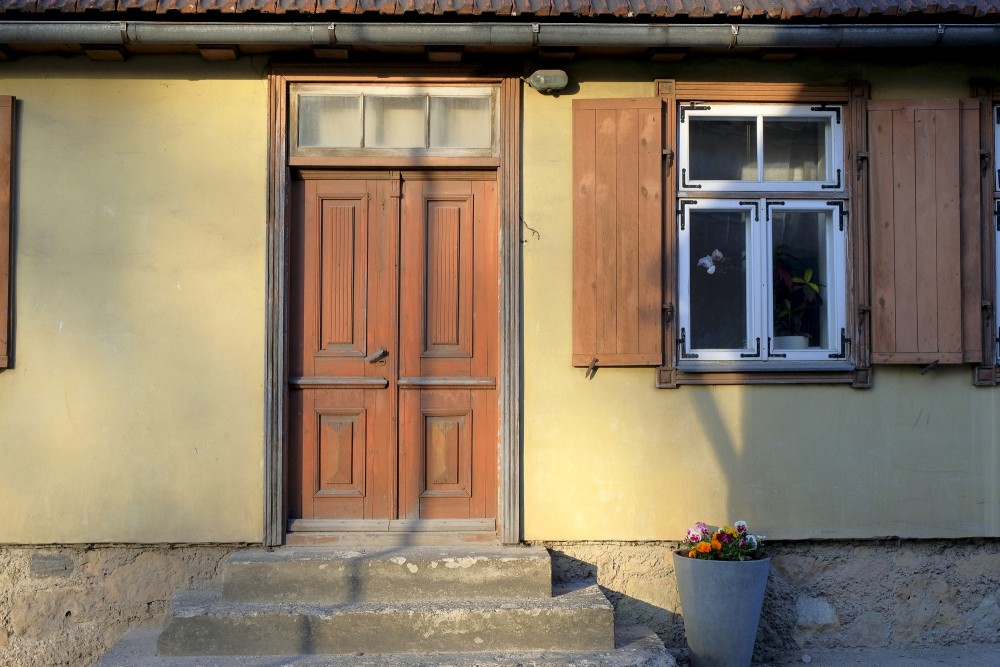
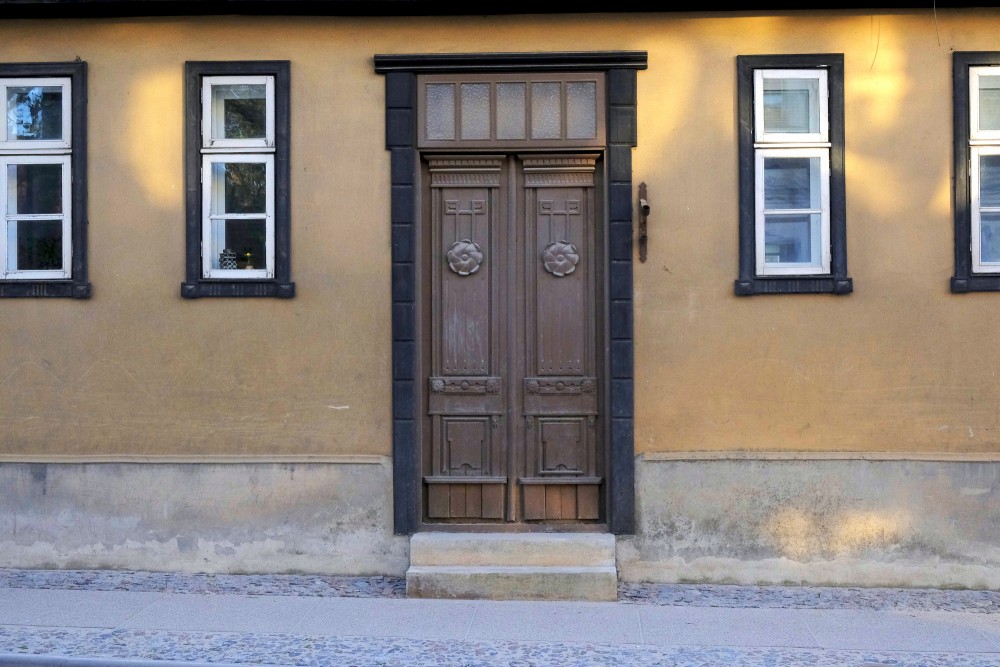
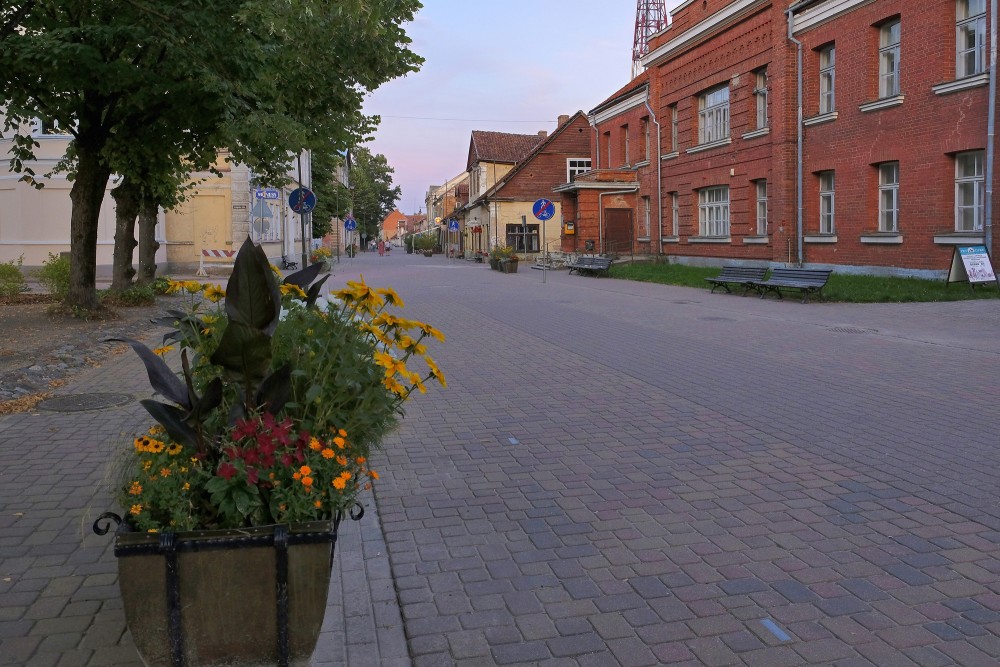
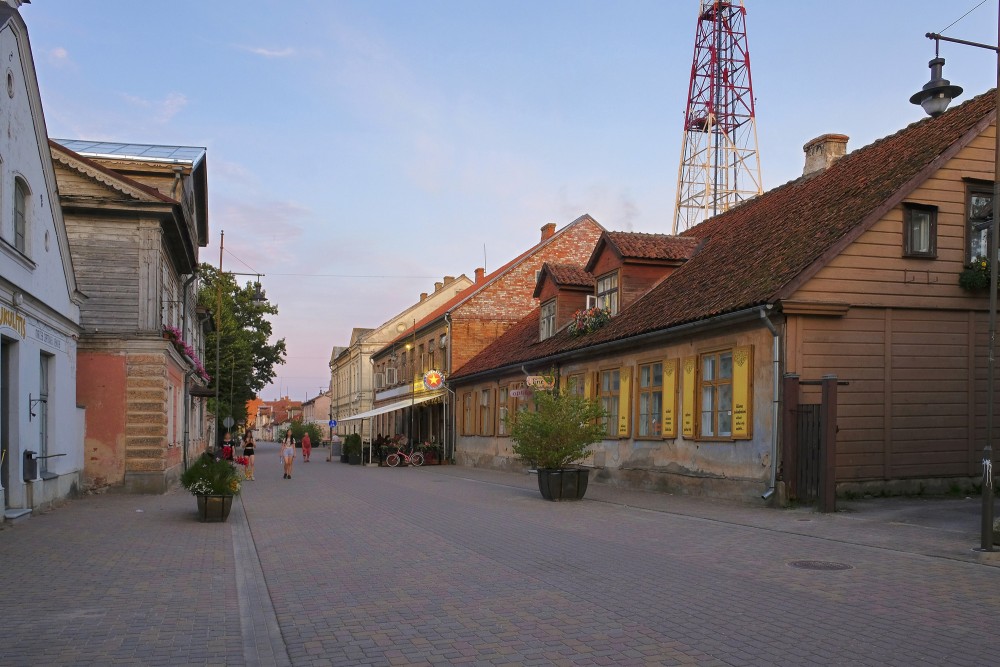
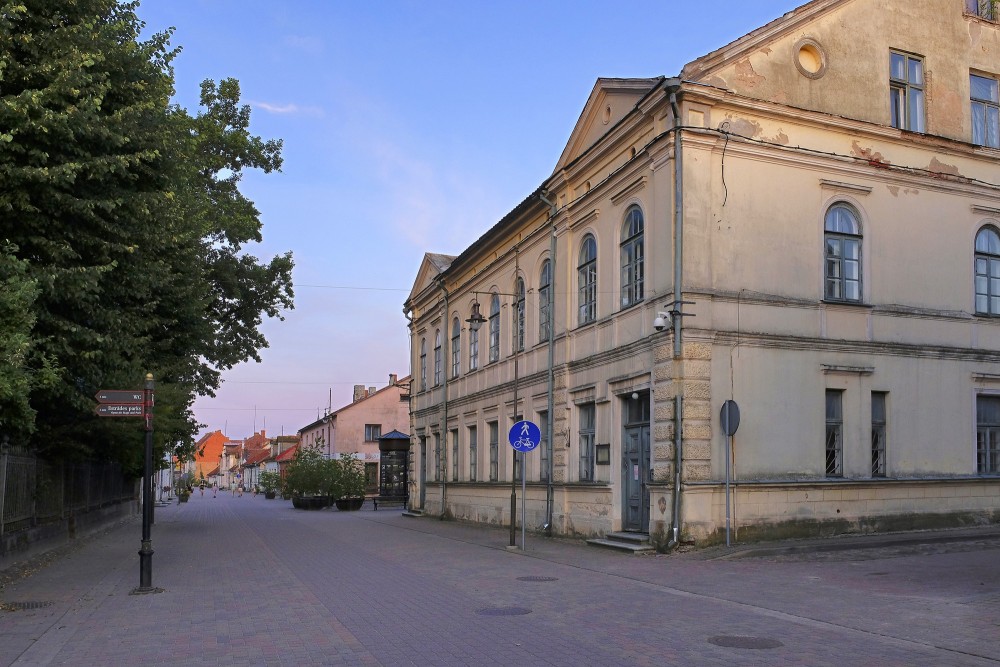
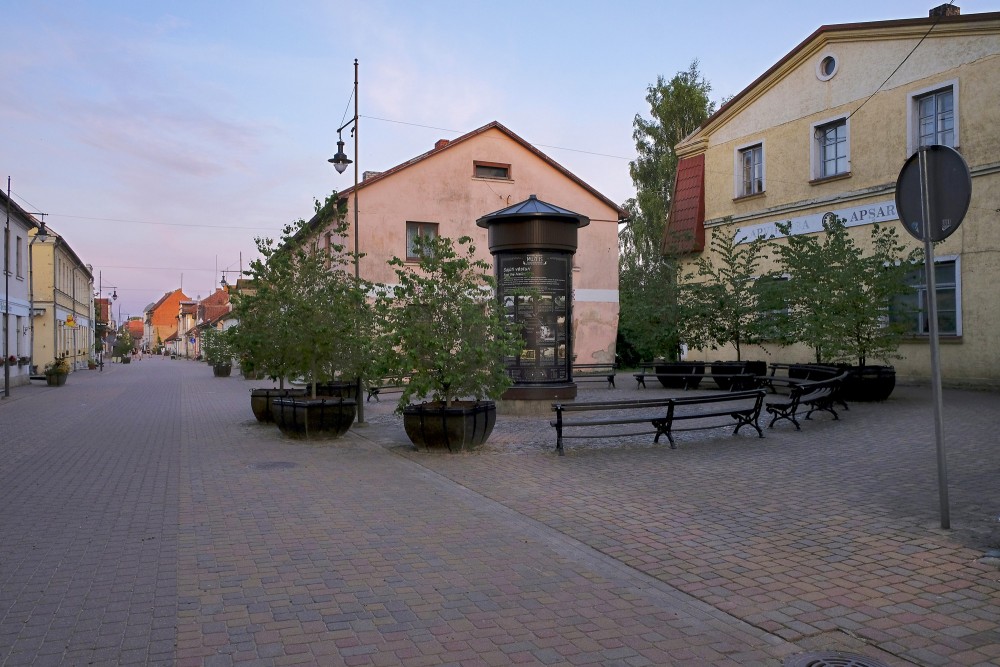
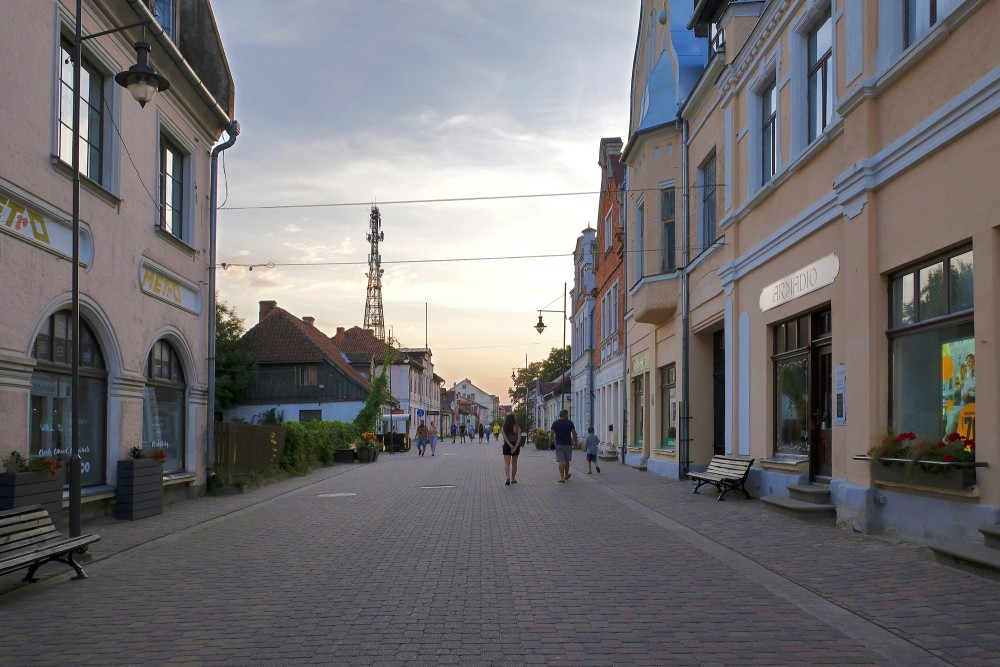
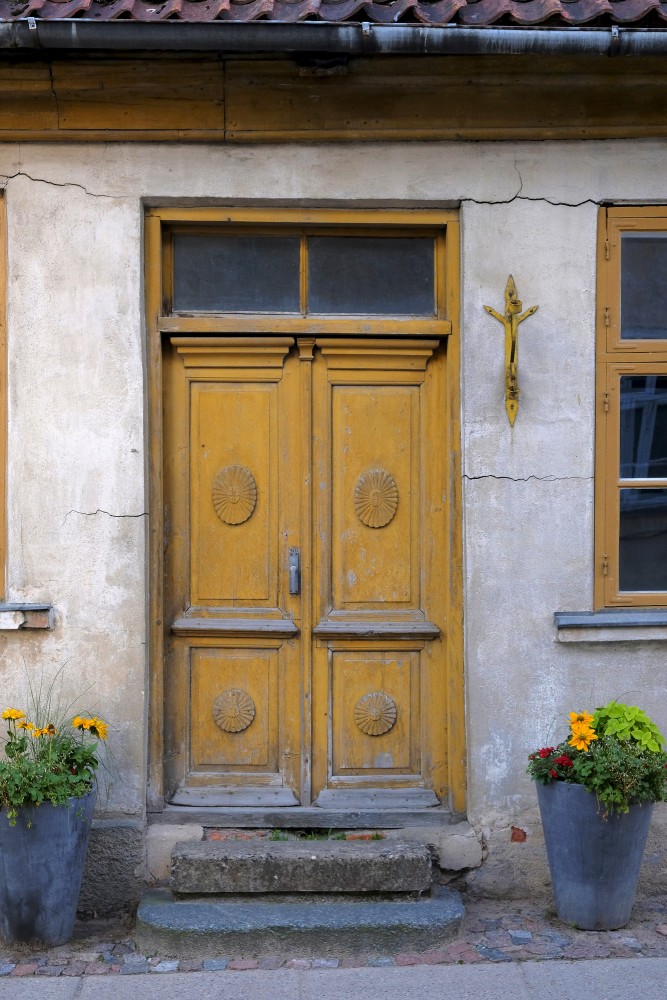
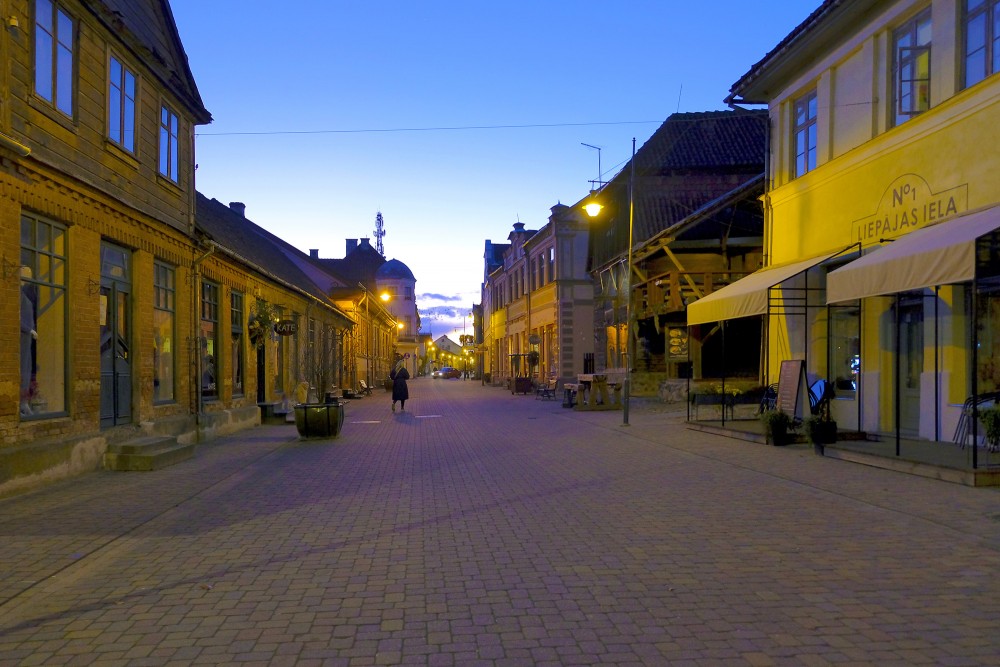
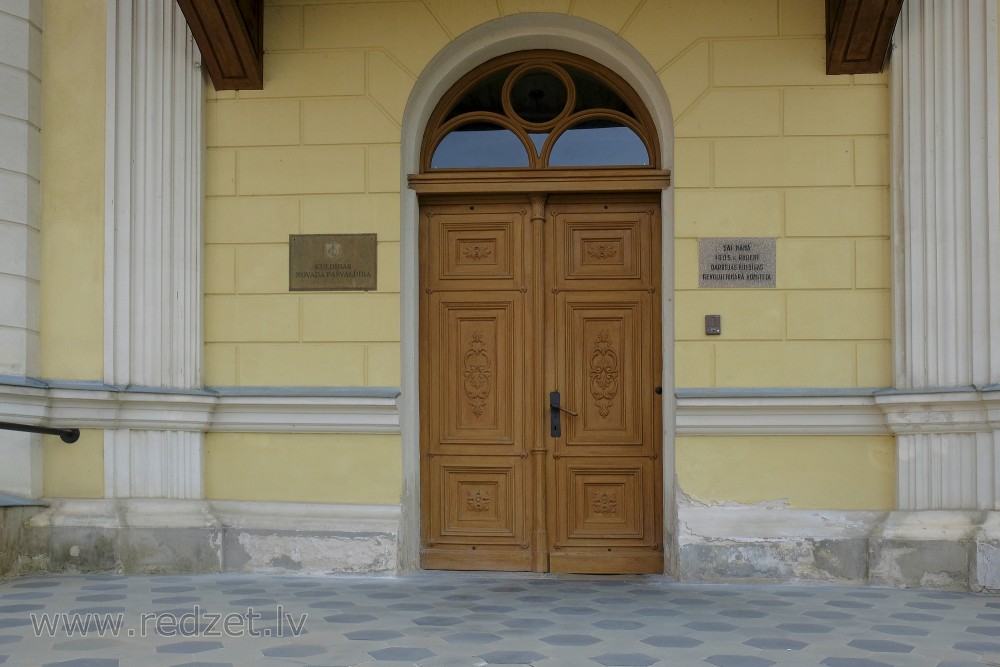
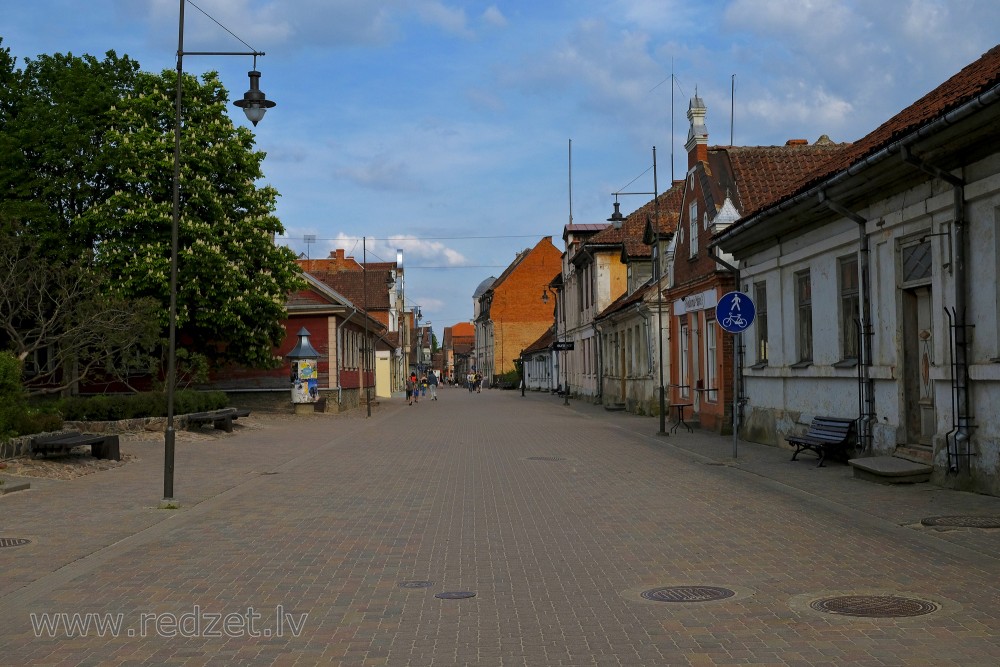
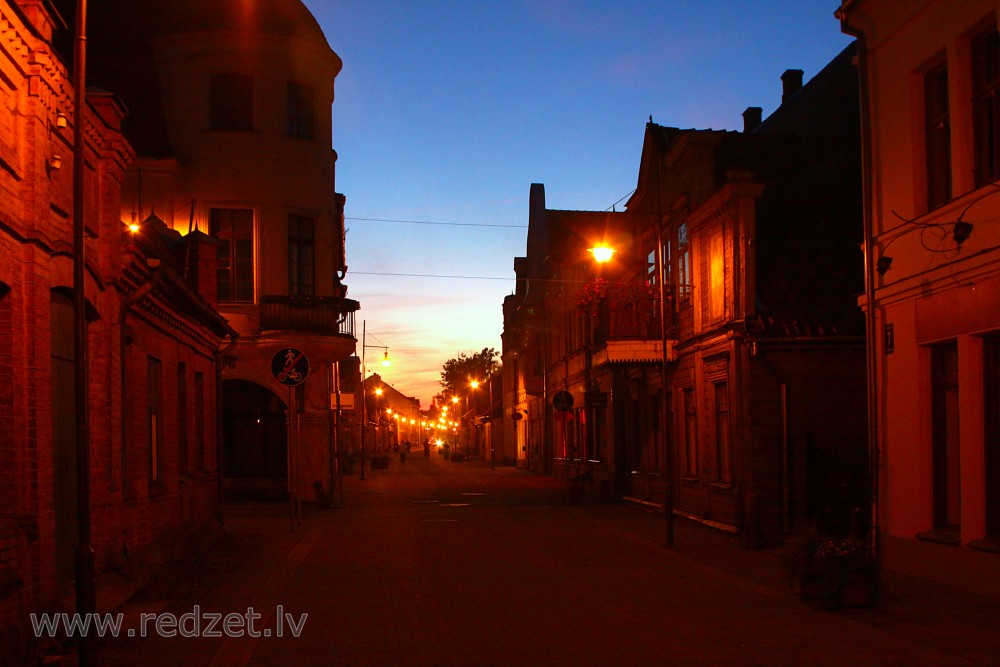
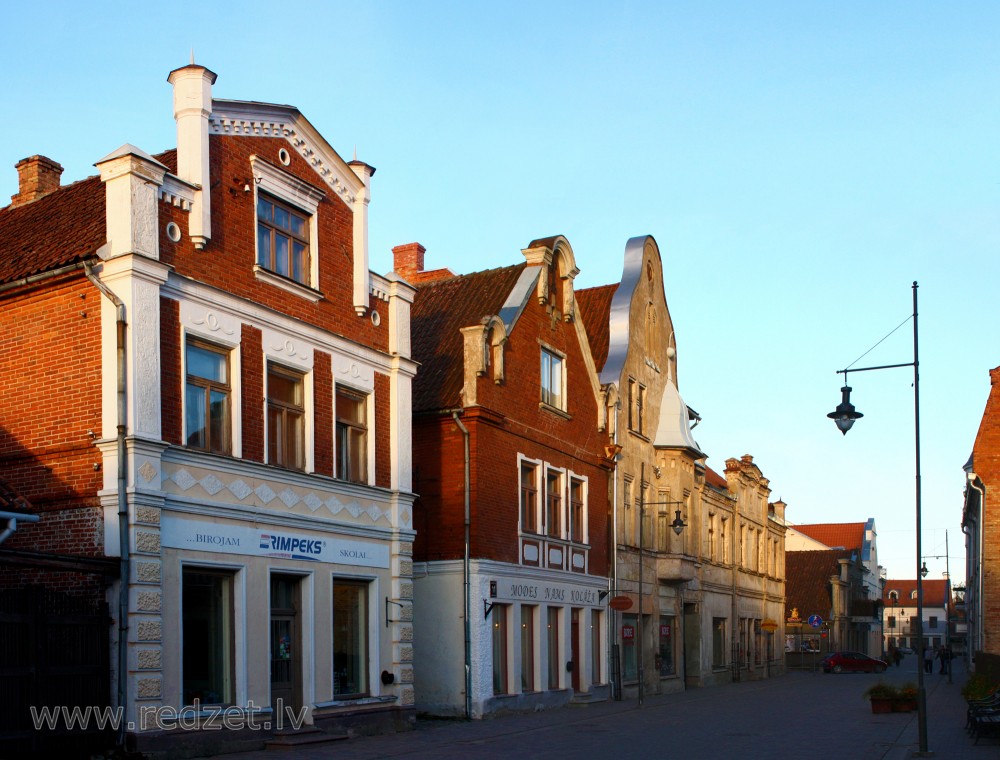
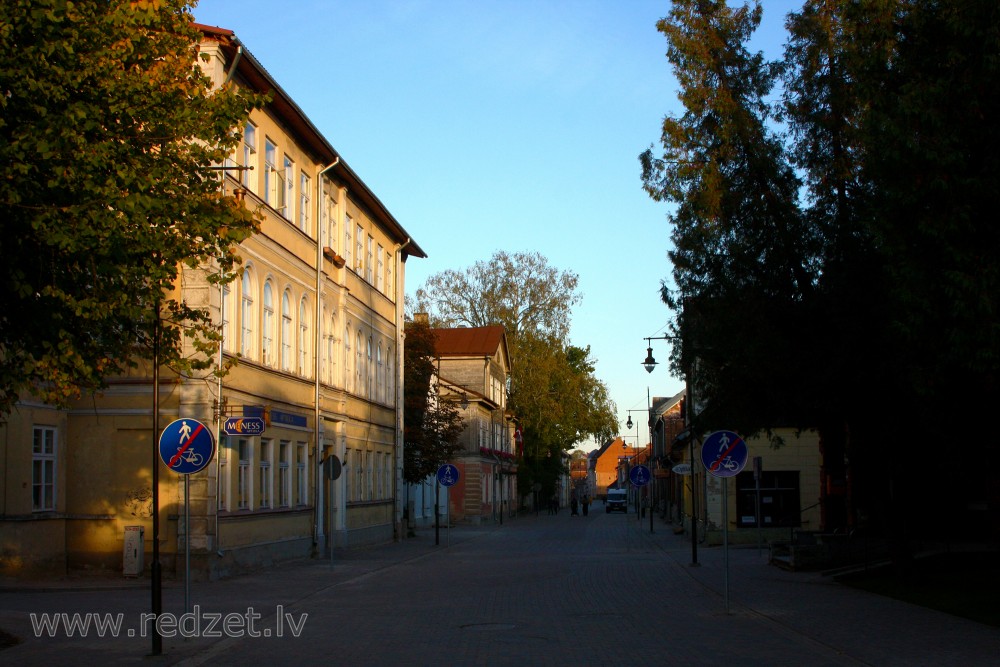
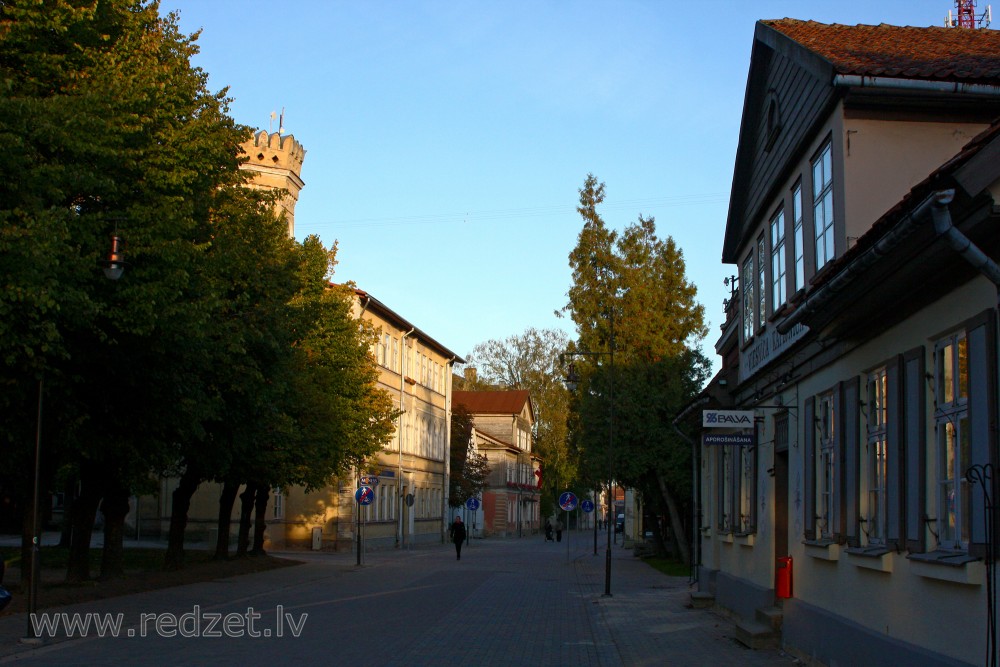
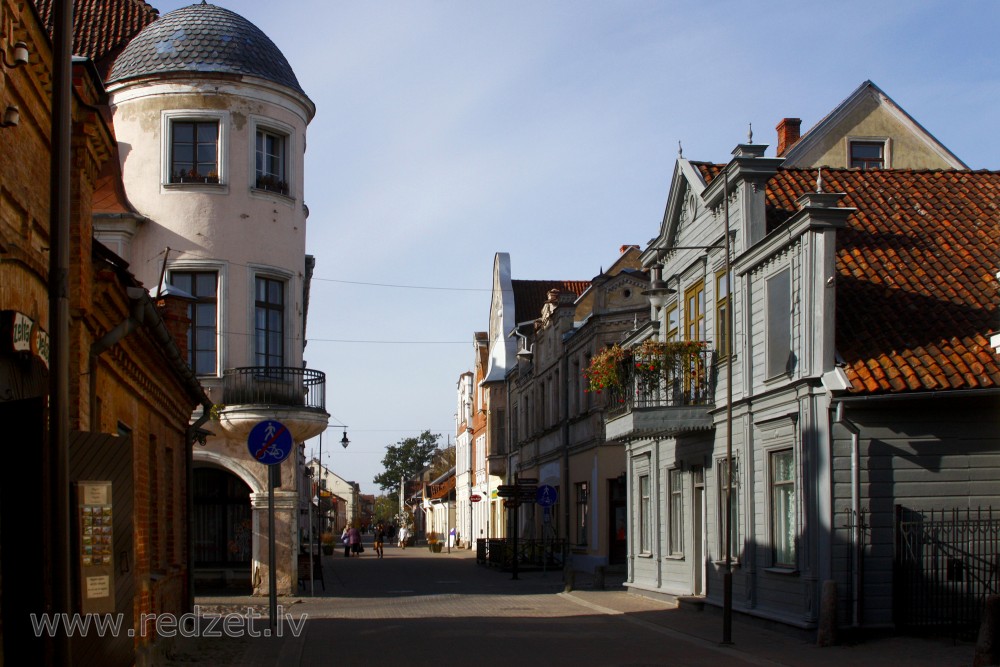
Liepājas Street Promenade is particularly pleasant for walking. It is lined with historic buildings dating from different centuries and offers a good overview of architectural development from the 17th to the 20th century. The historic doors, fanlights and decorative details are especially worth noticing.
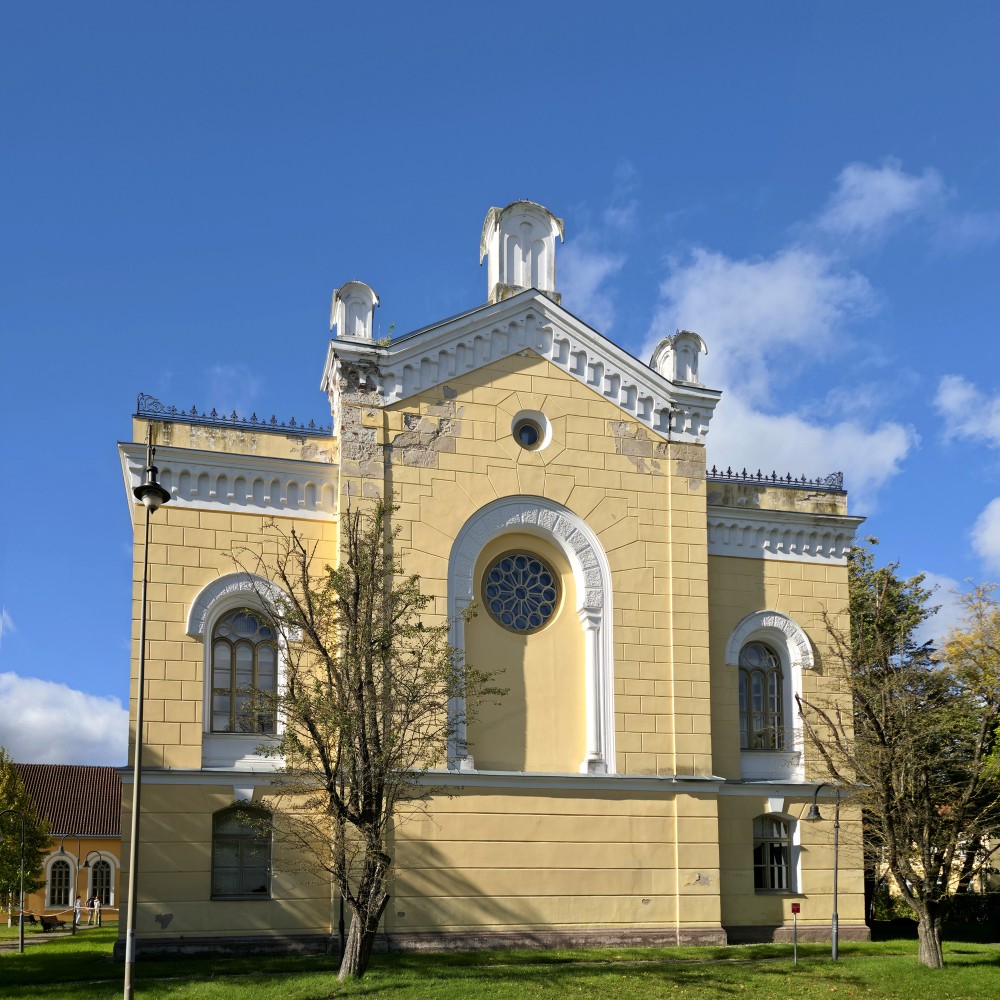
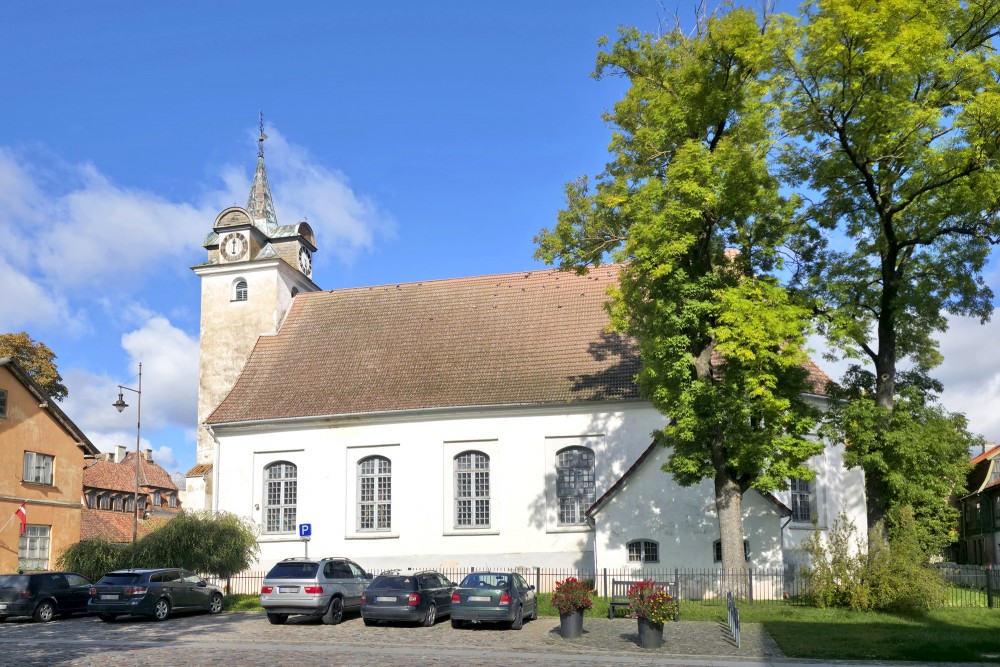
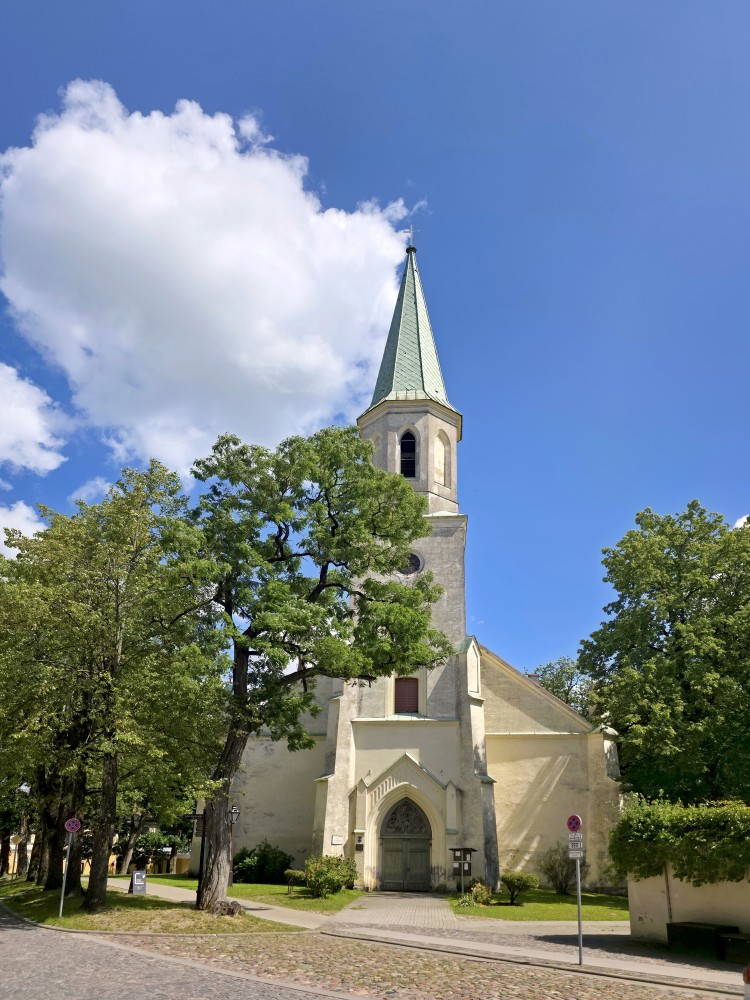
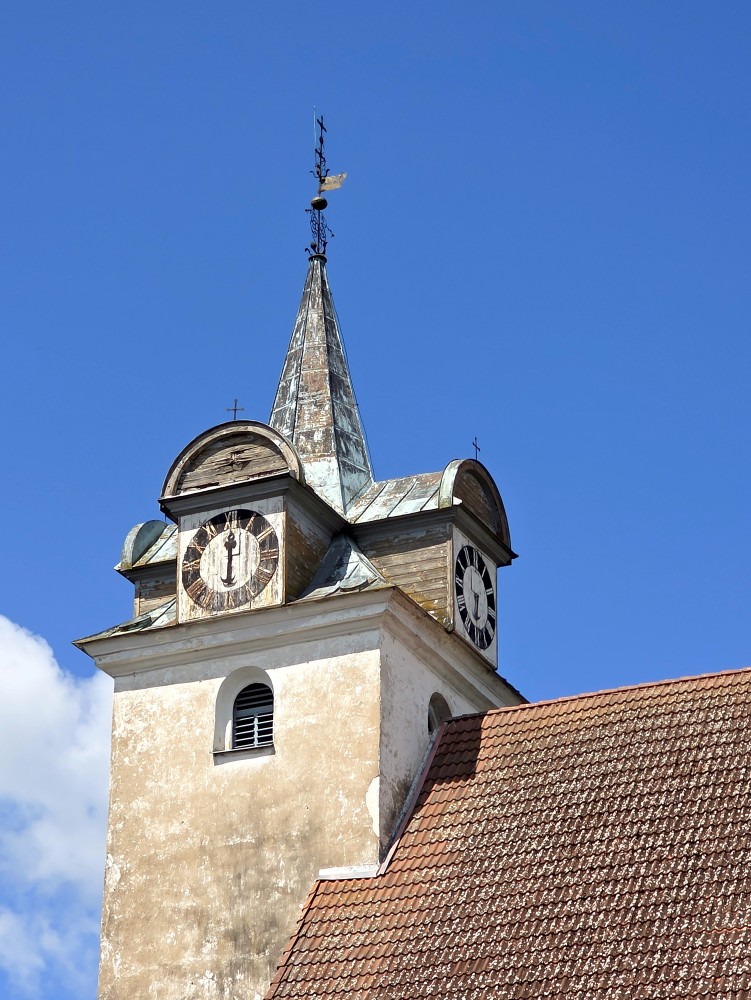
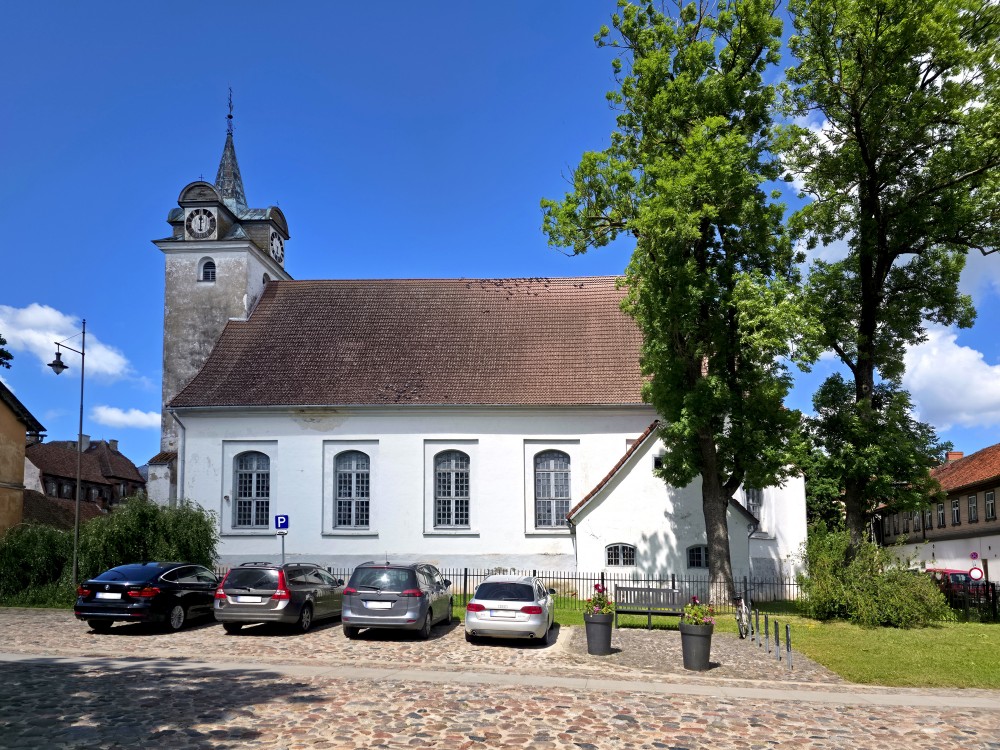
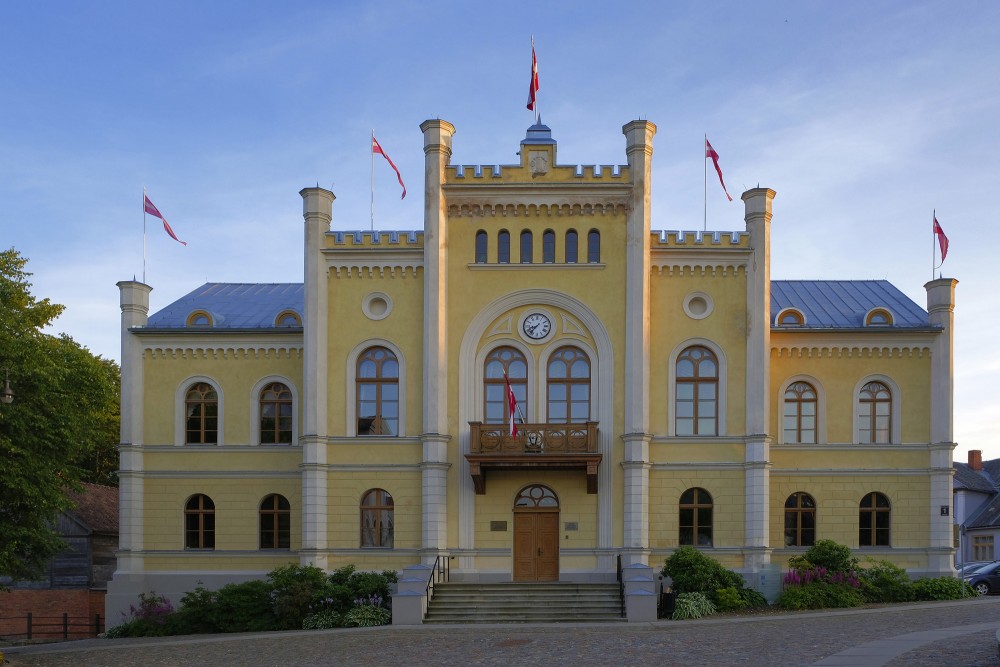
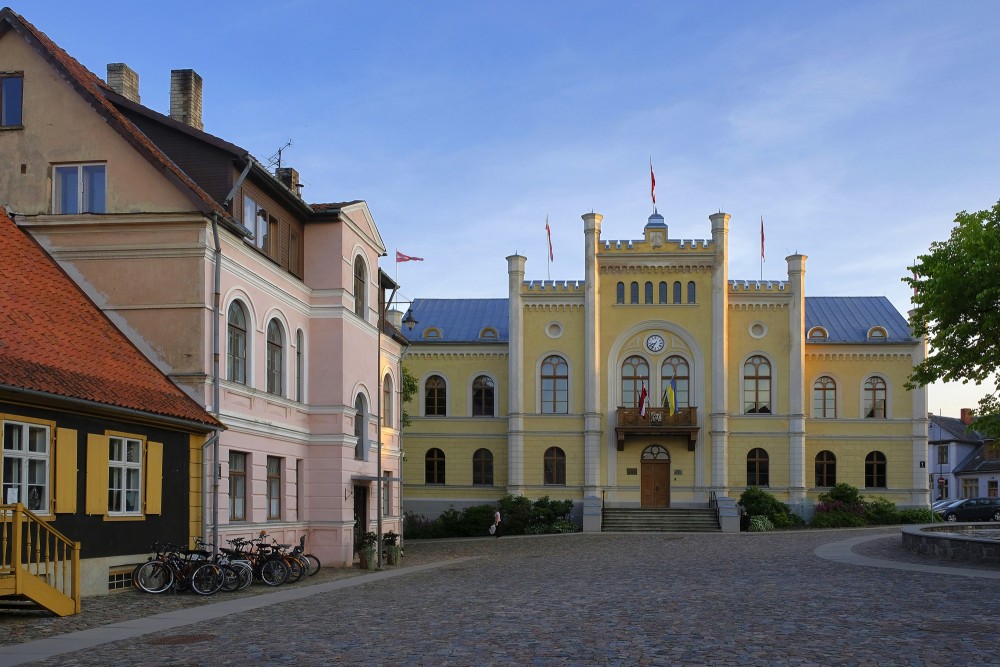
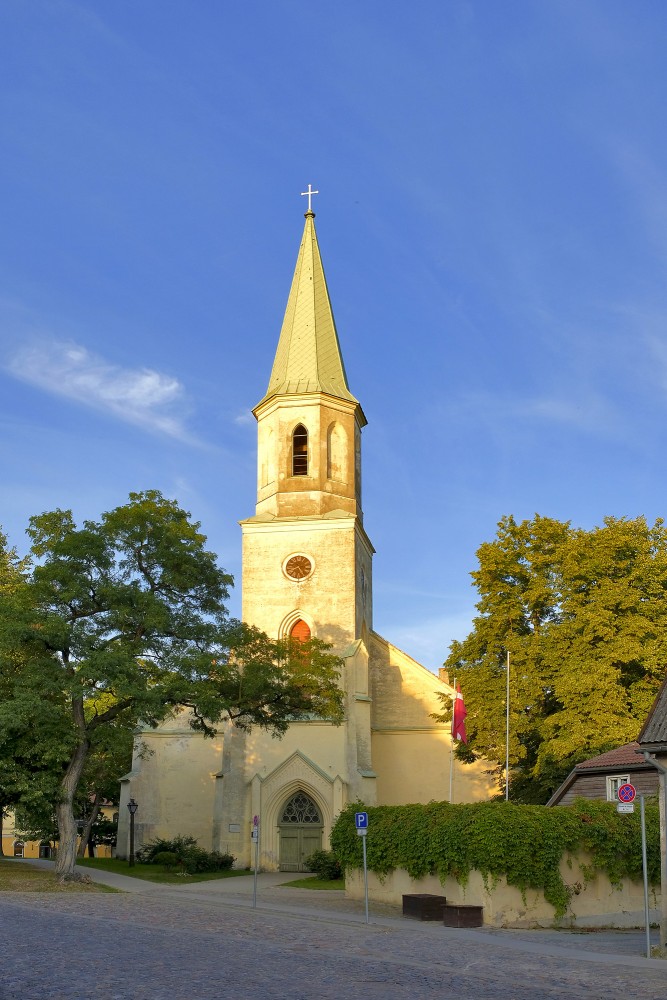
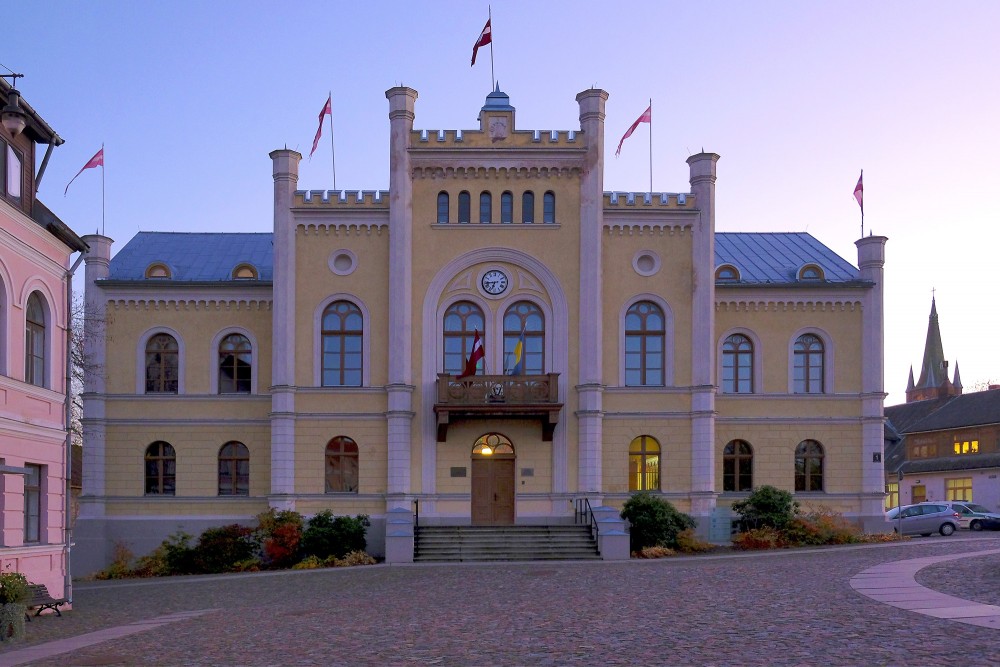
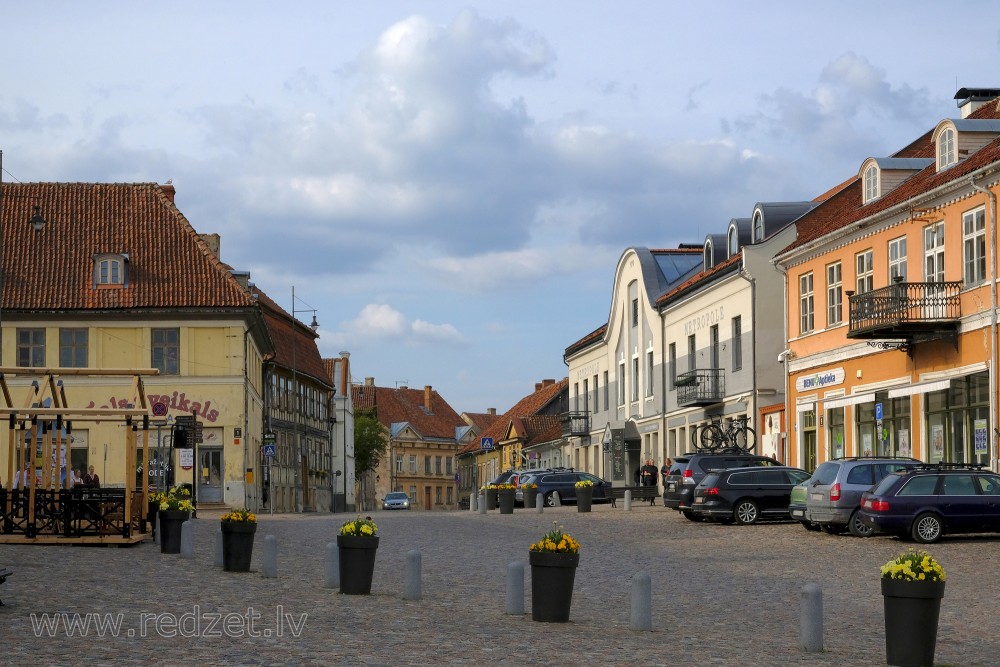
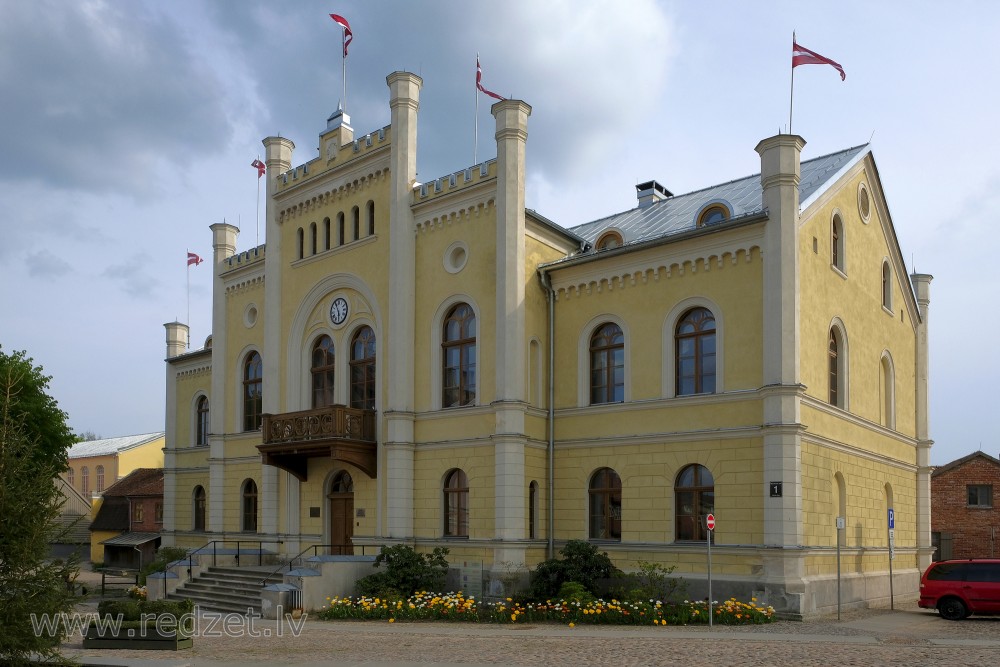
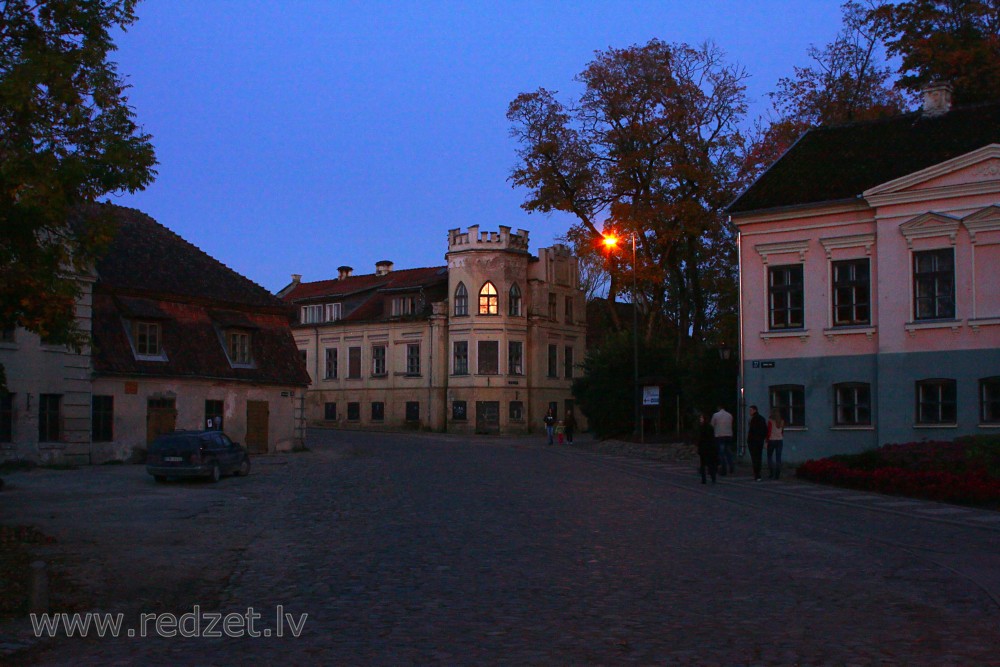
Other important sights in the Old Town include the Old Town Hall and Town Hall Square, St Catherine’s Lutheran Church, Holy Trinity Roman Catholic Church and numerous historic residential buildings and courtyards.
The Venta River, Alekšupīte and waterfalls
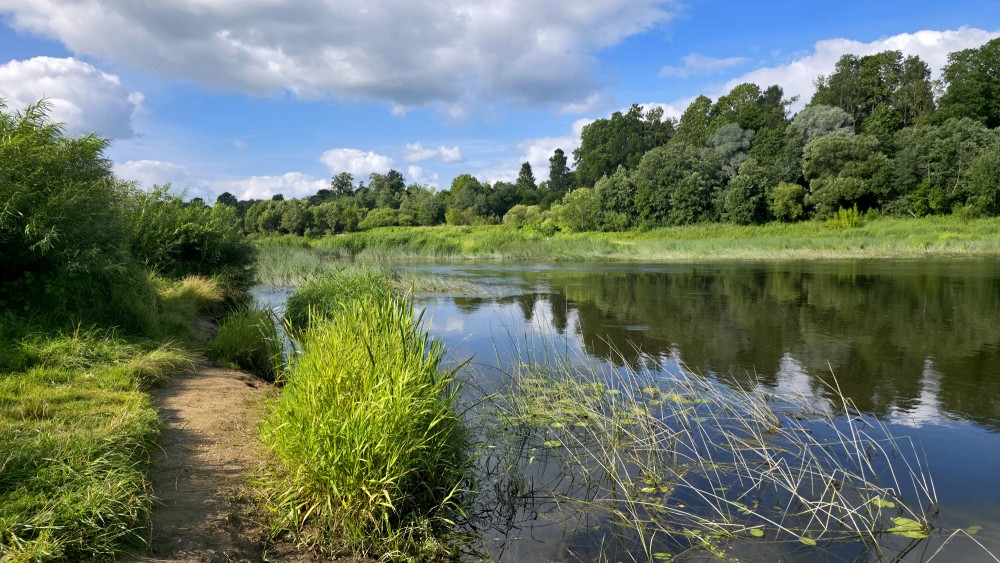
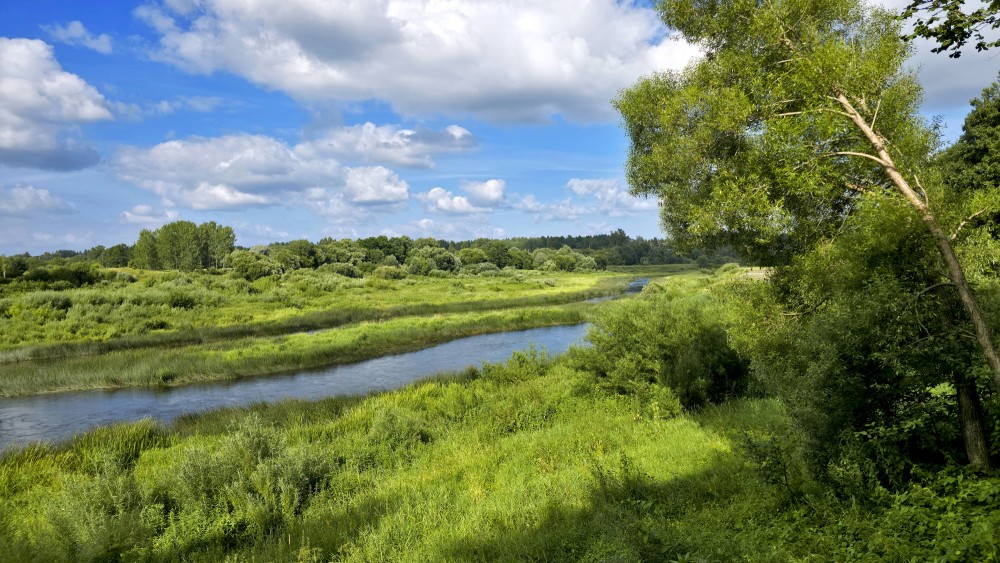
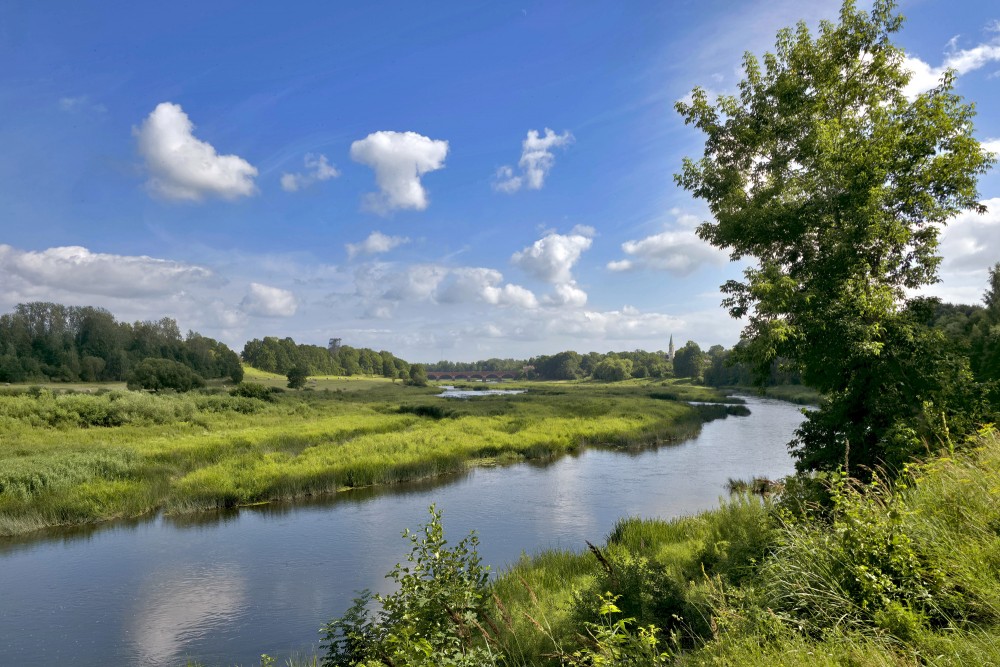
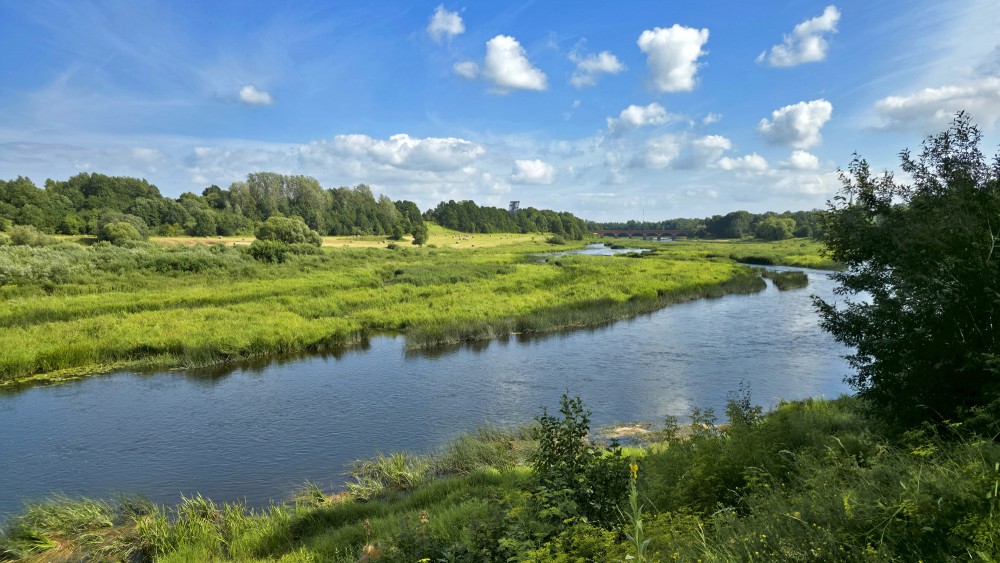
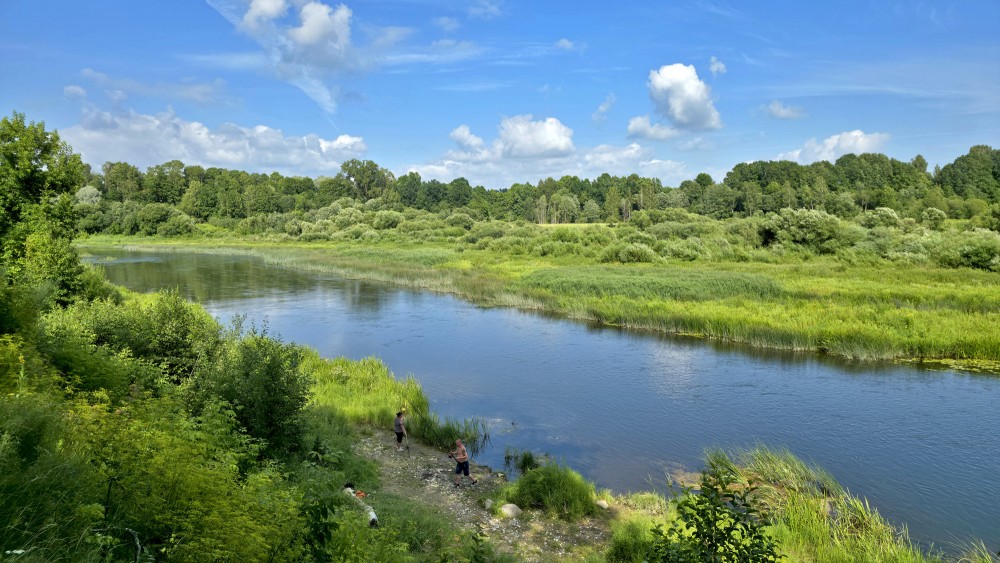
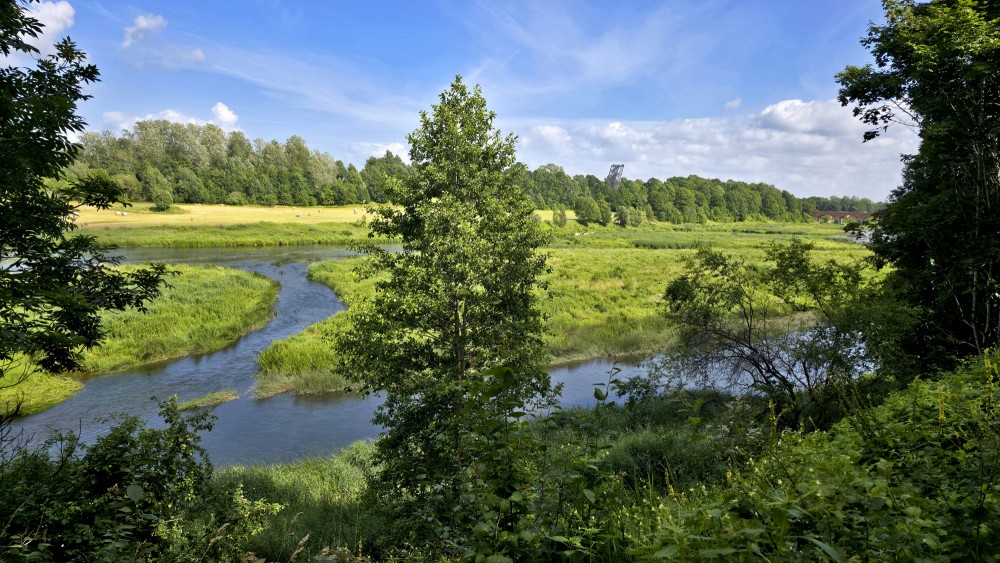
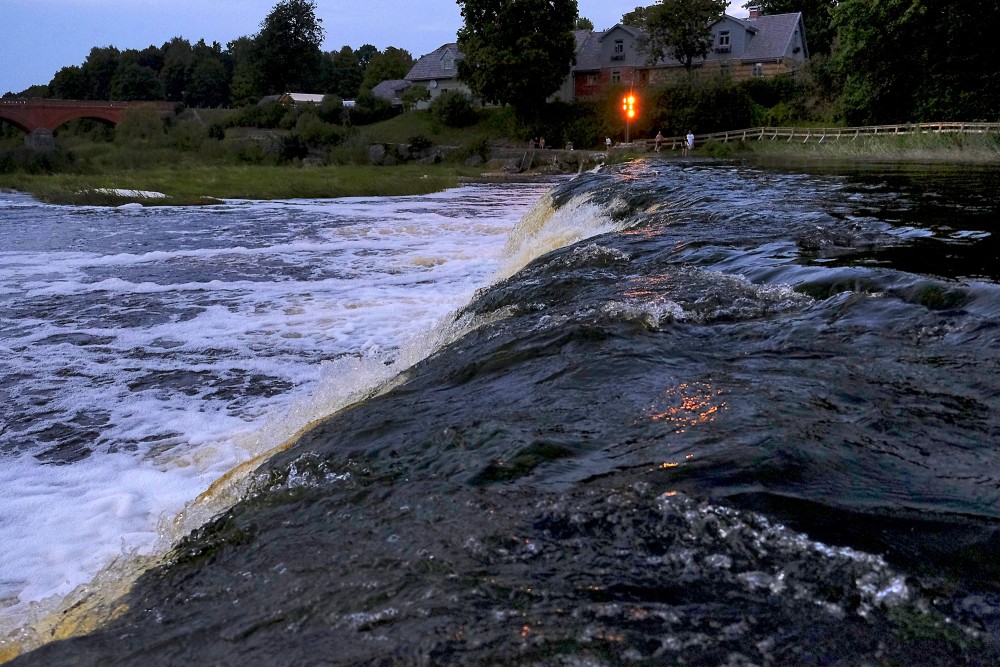
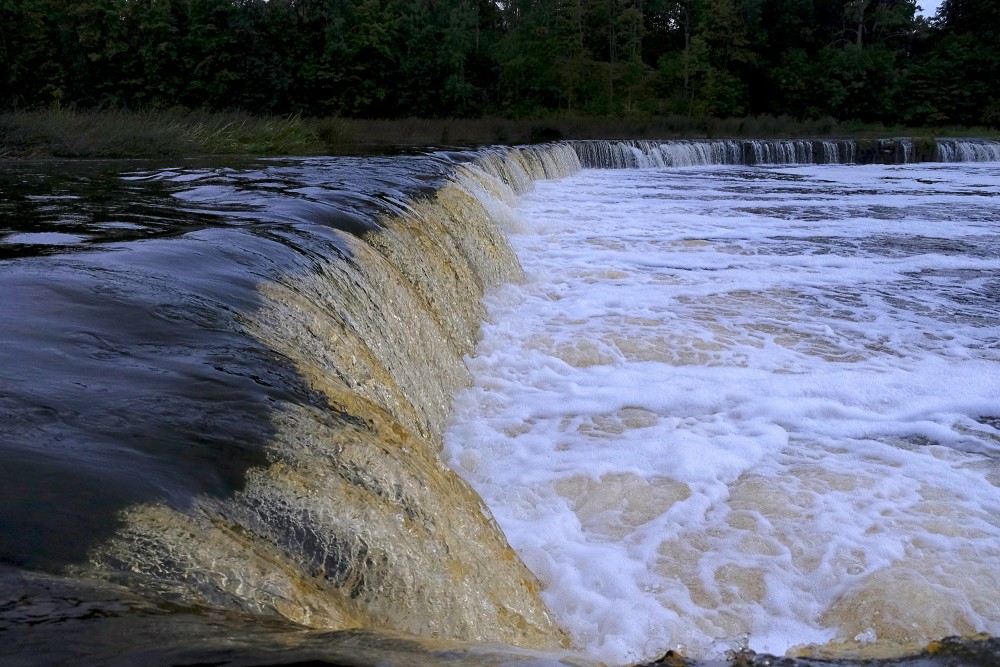
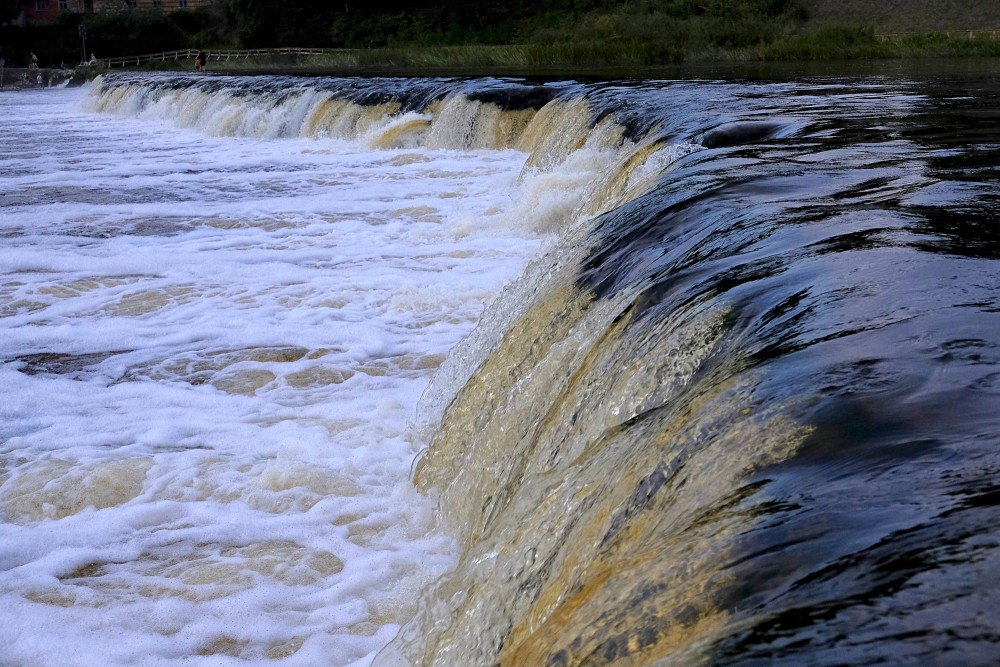
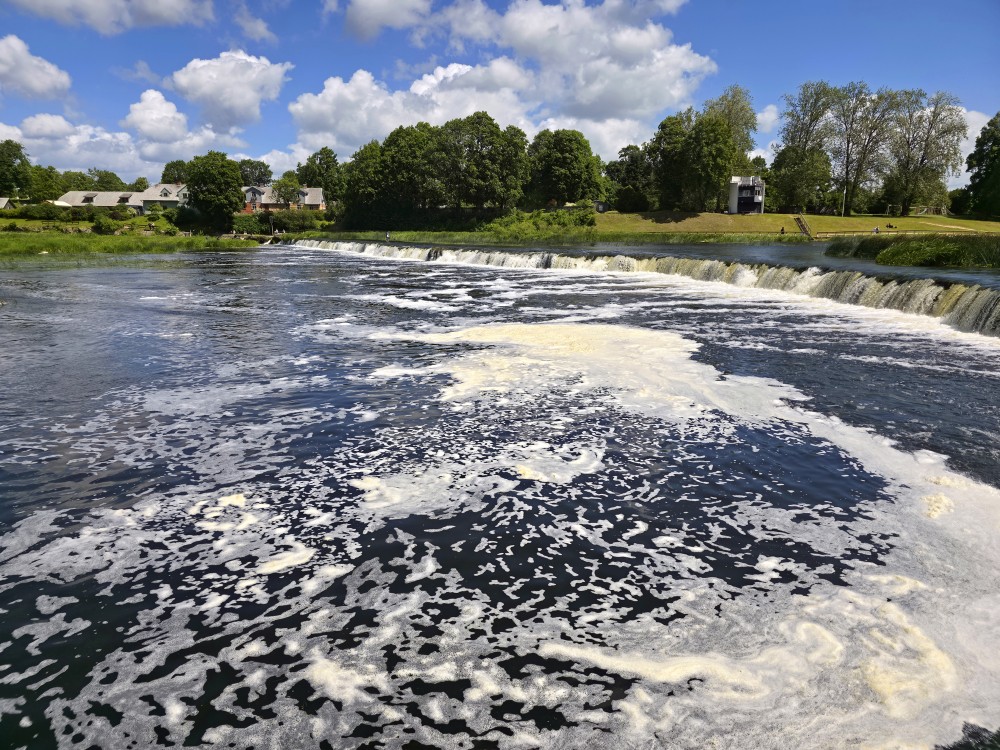
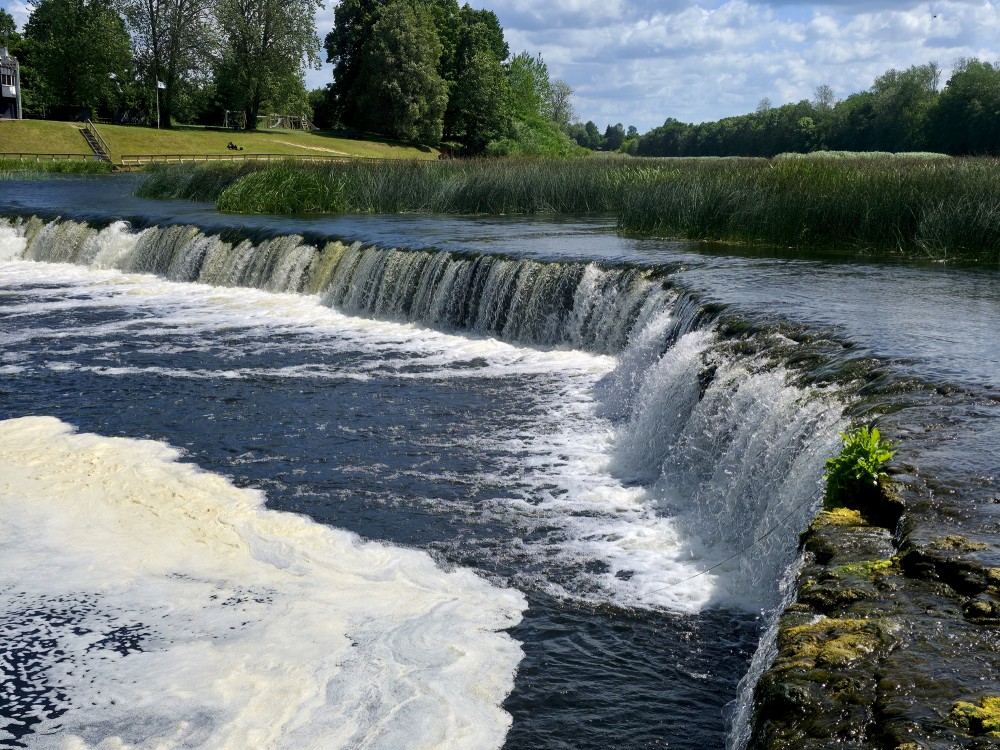
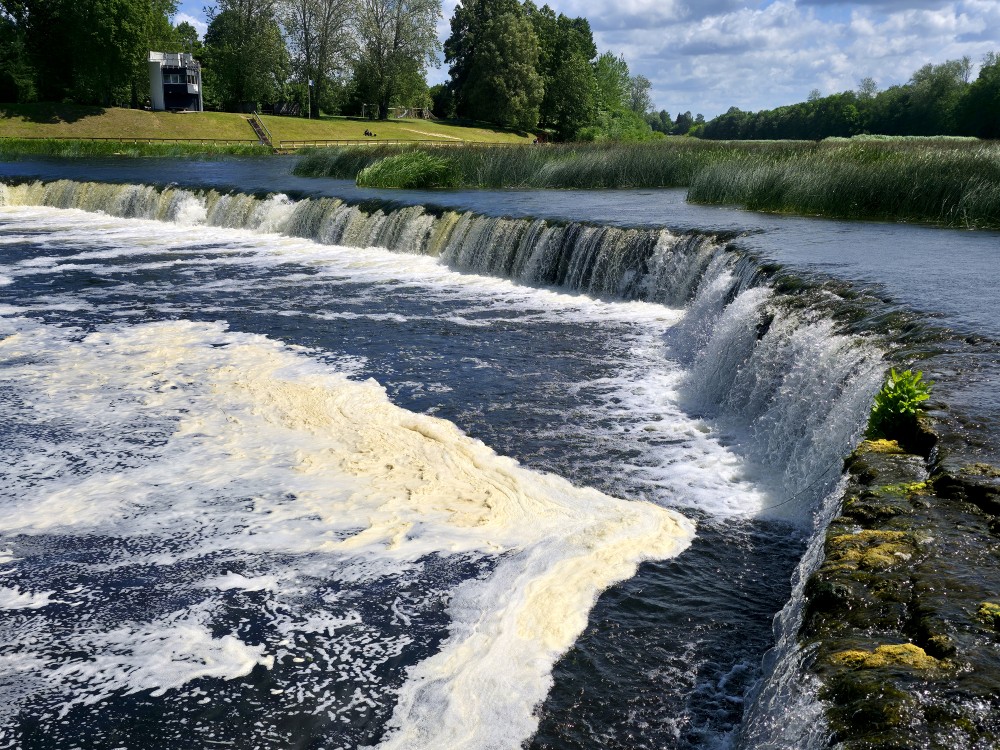
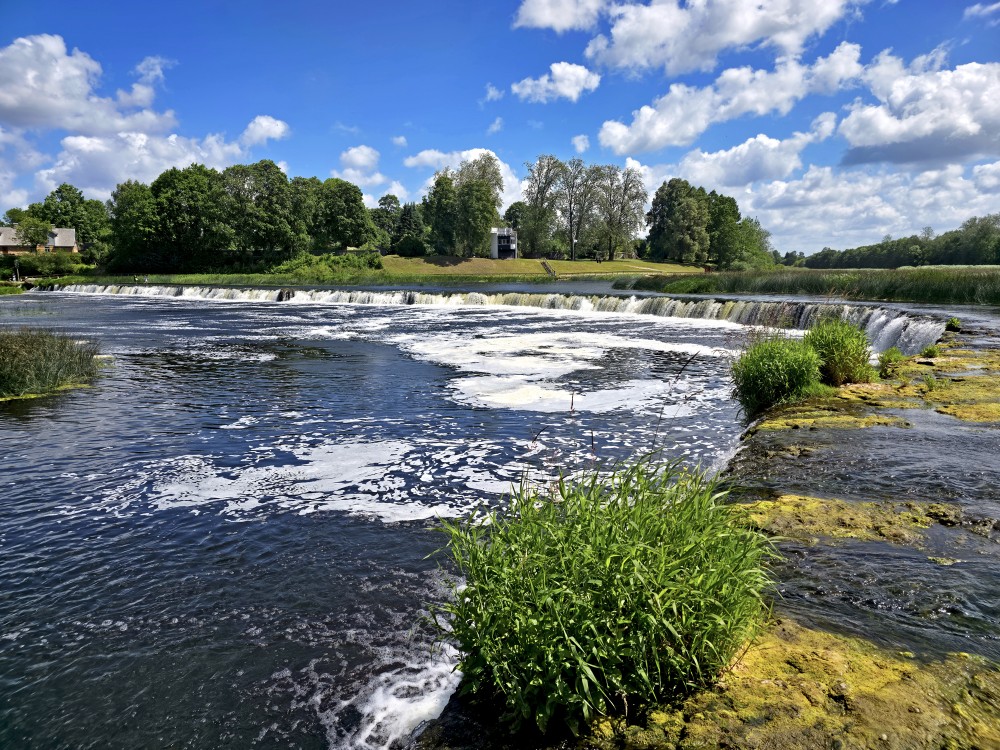
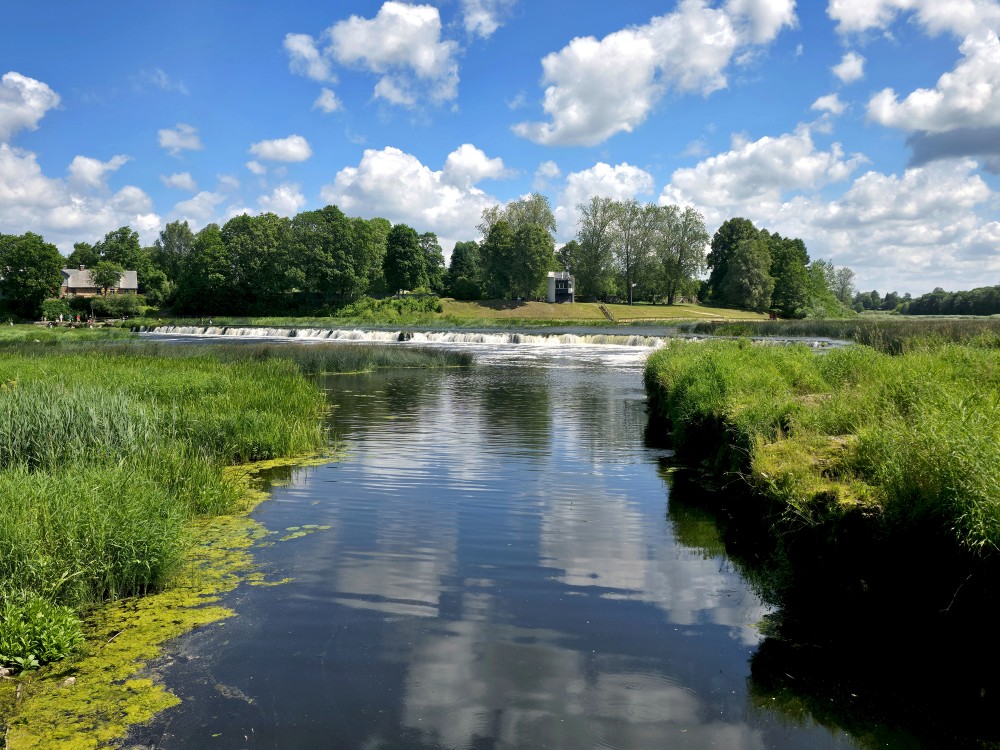
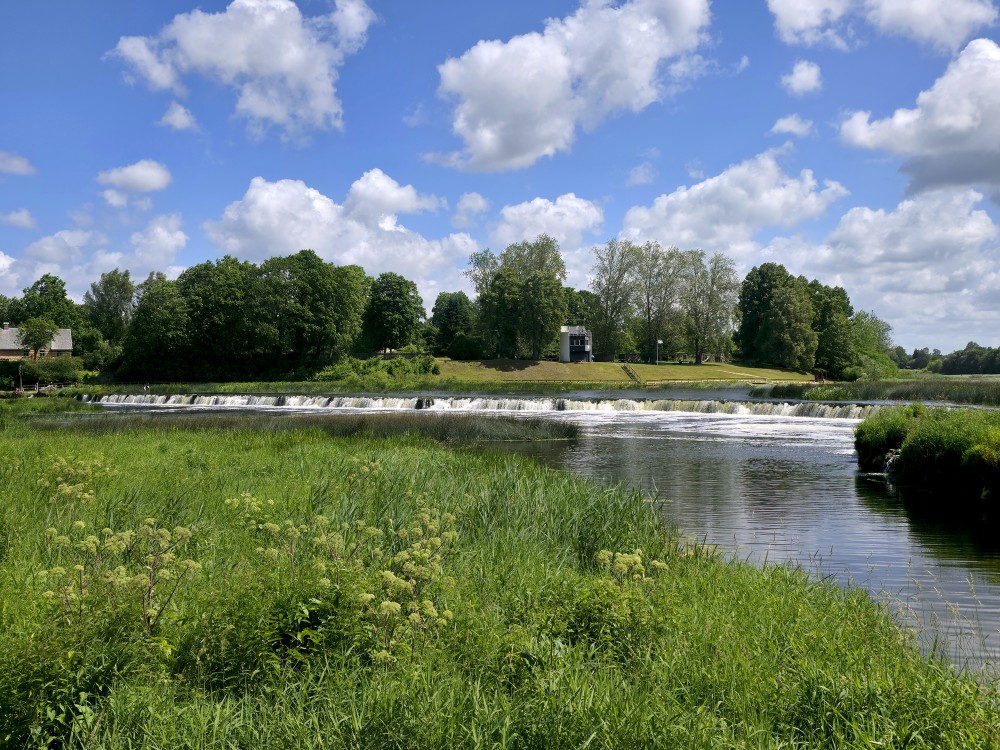
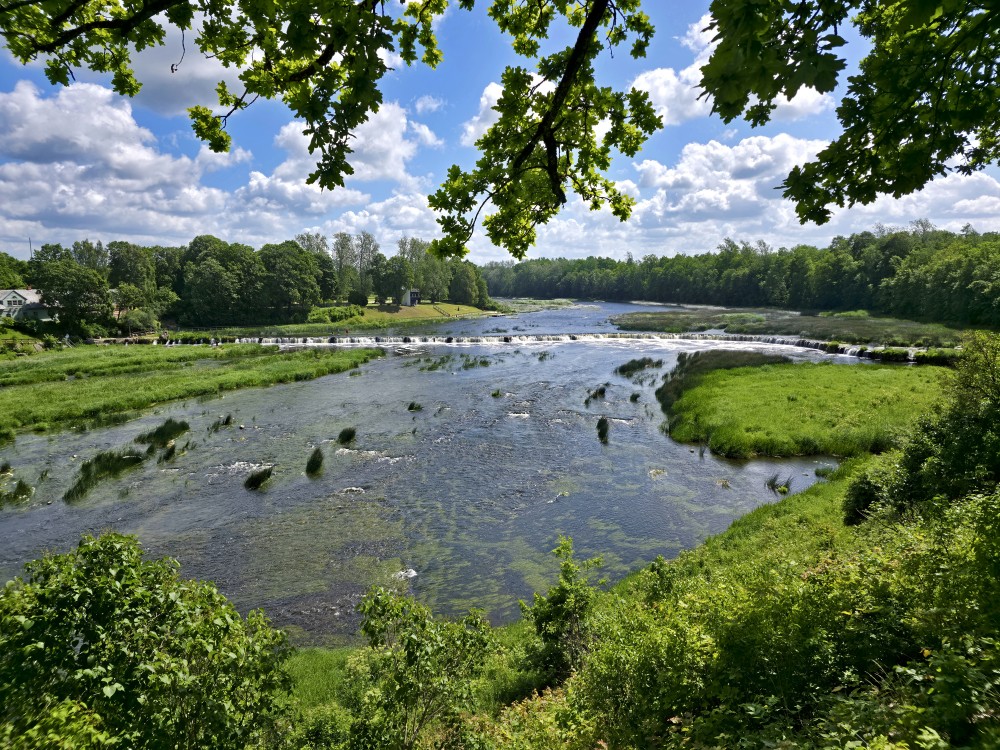
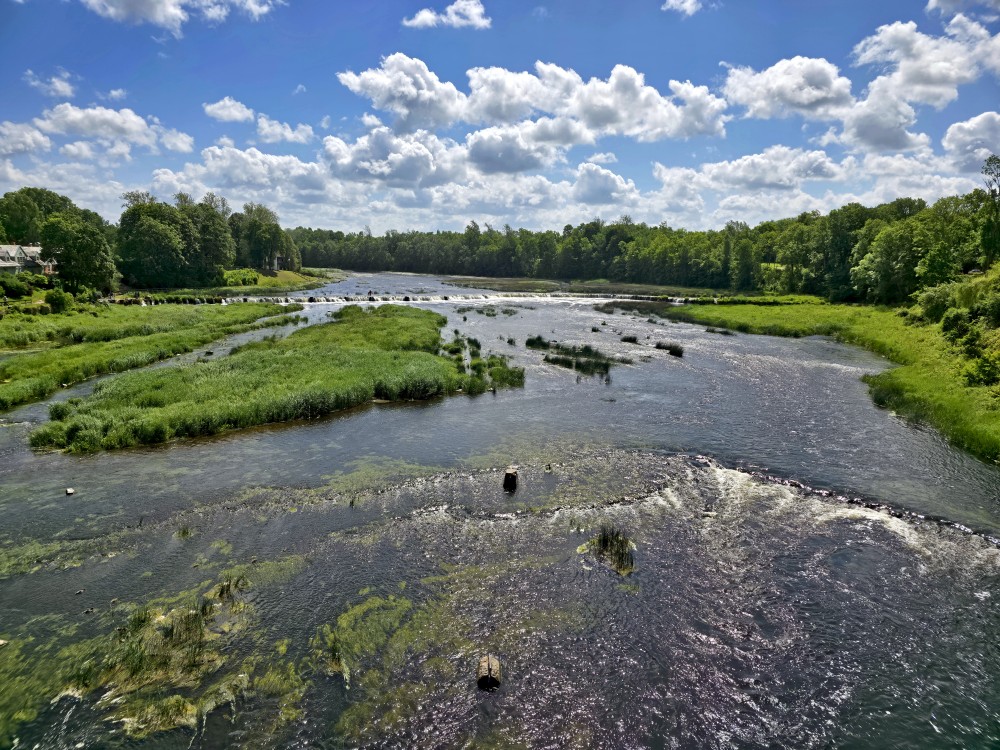
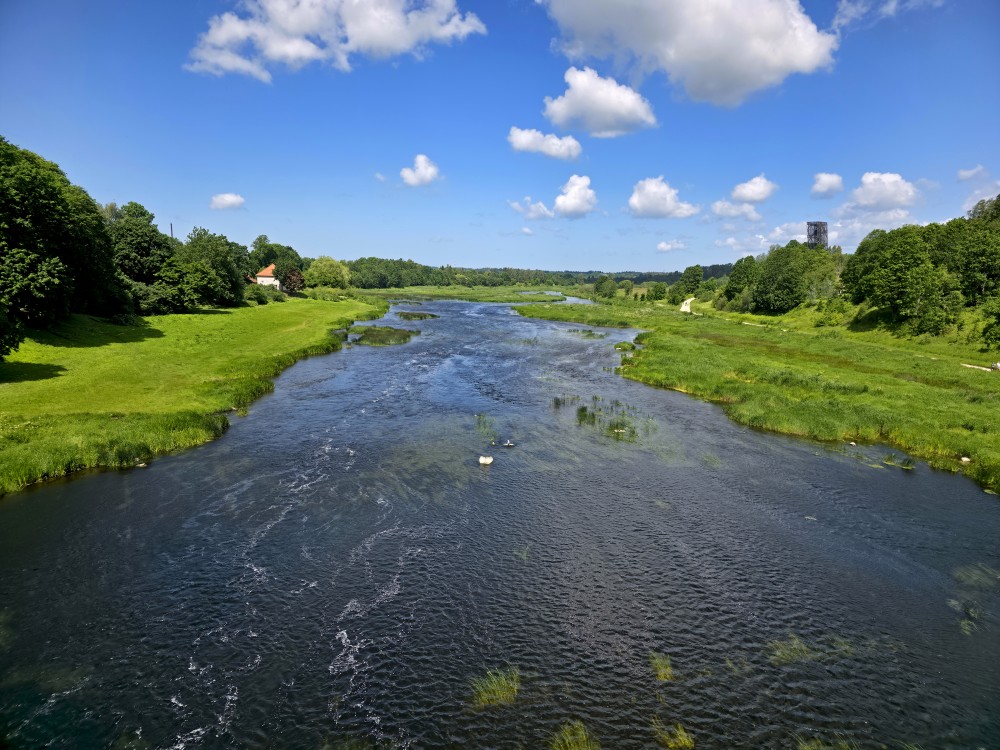
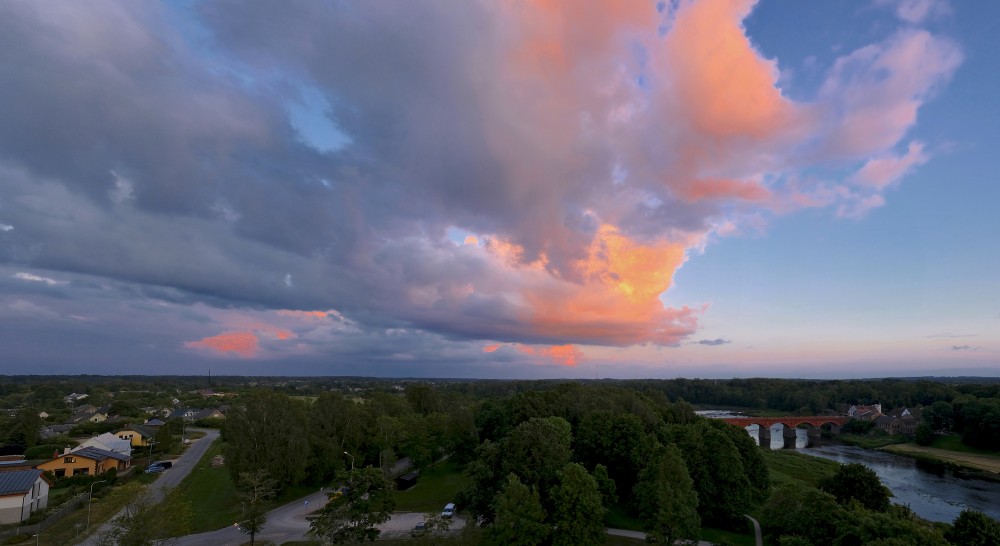
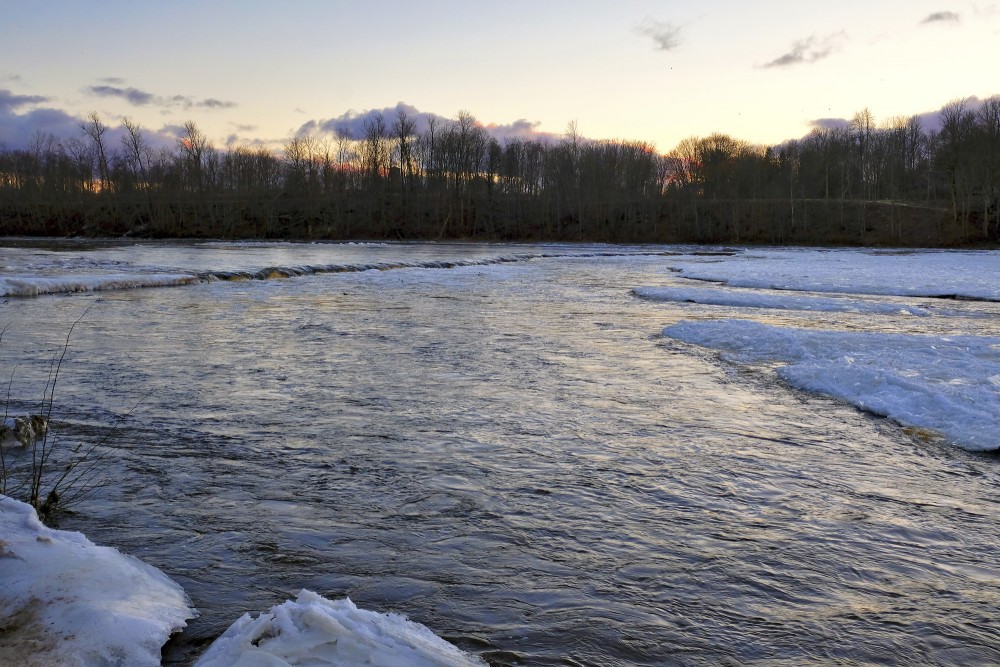
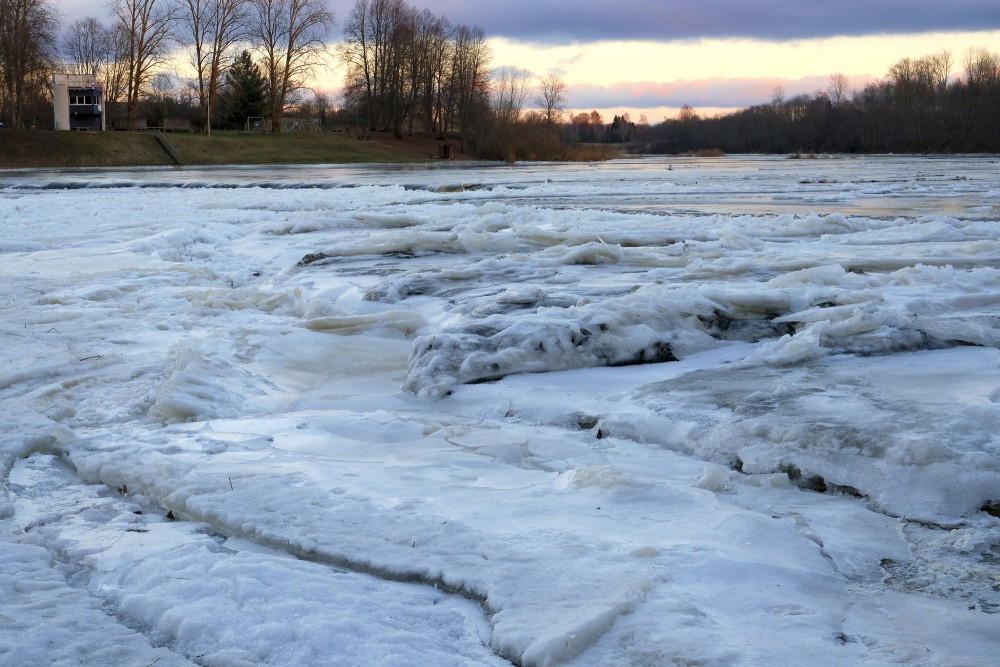
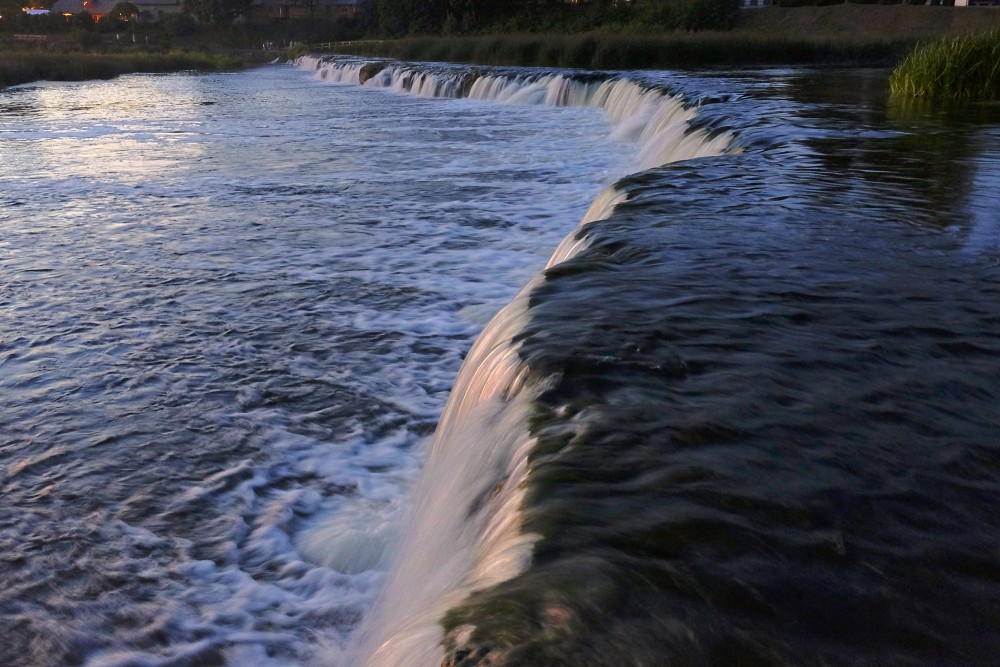
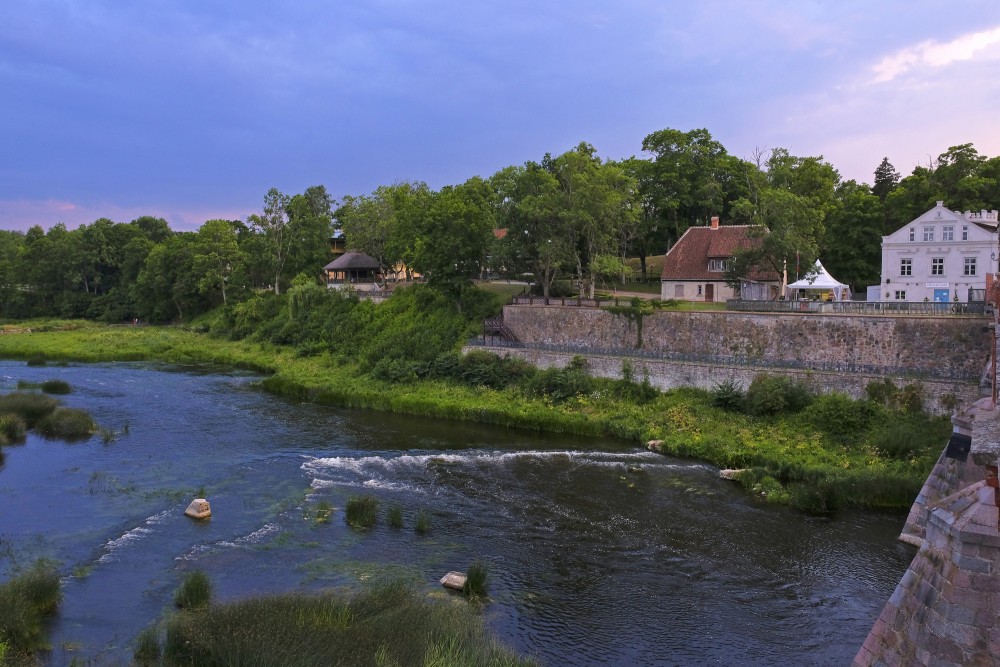
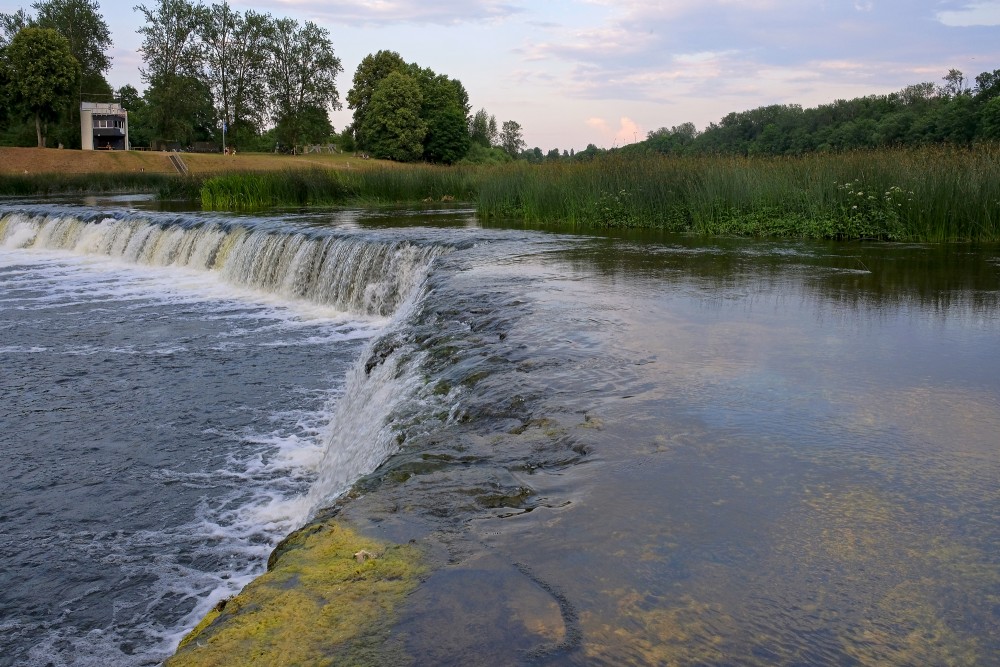
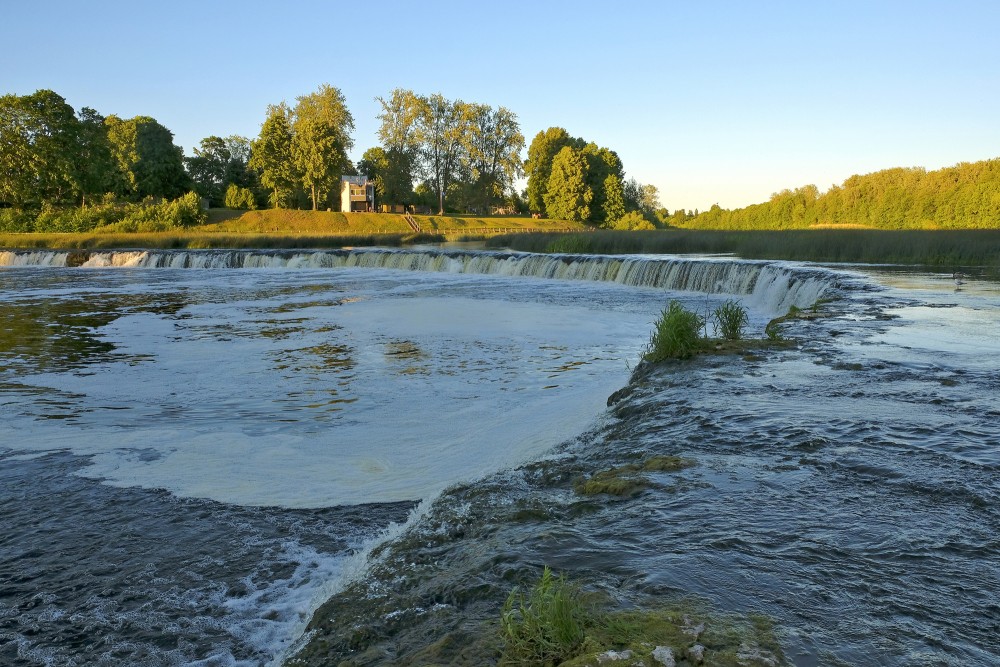
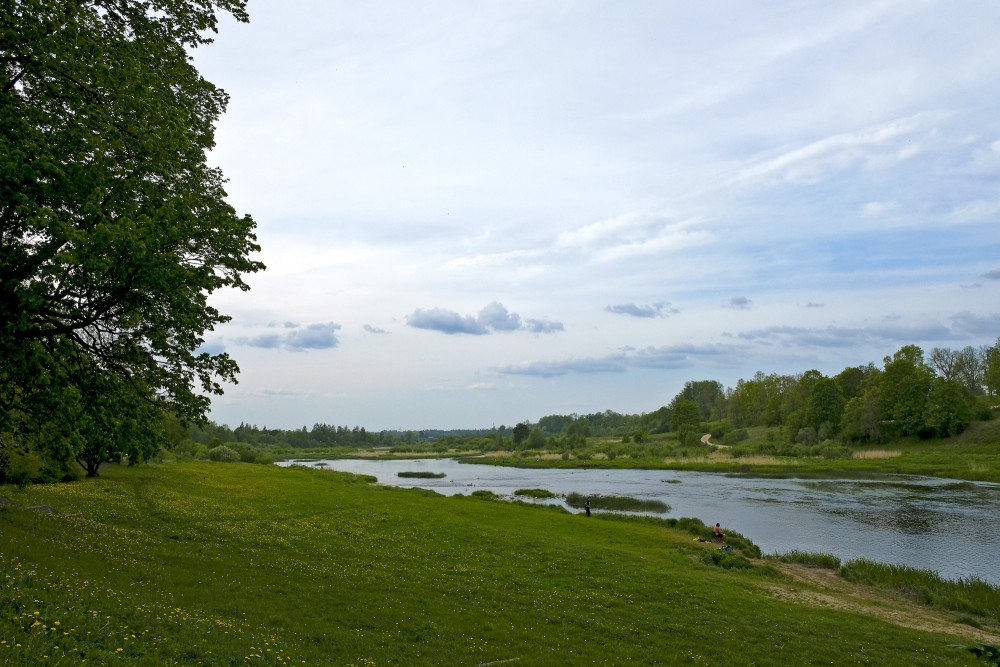
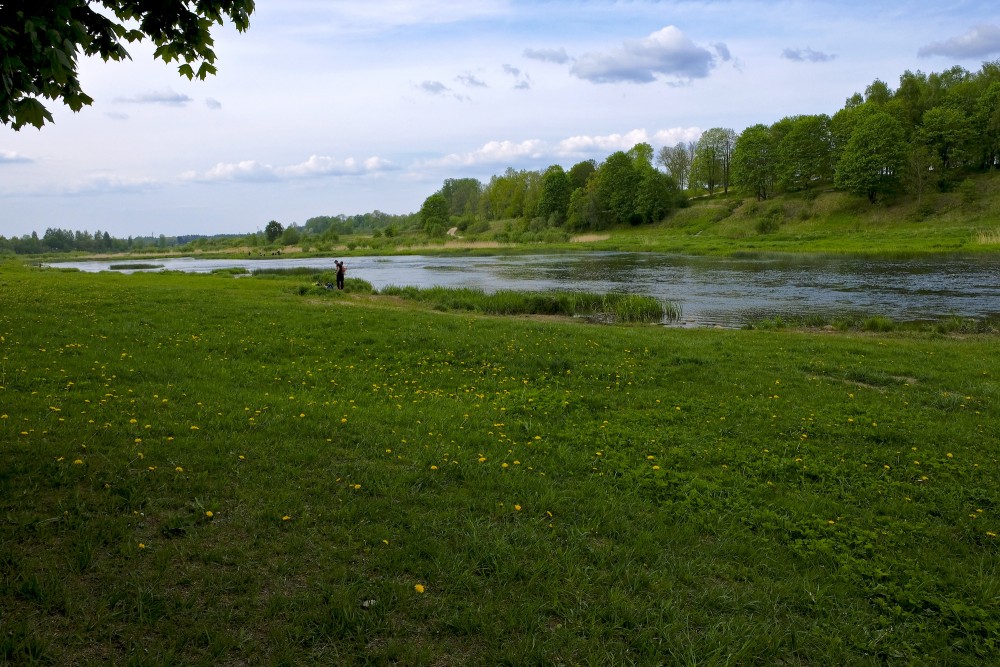
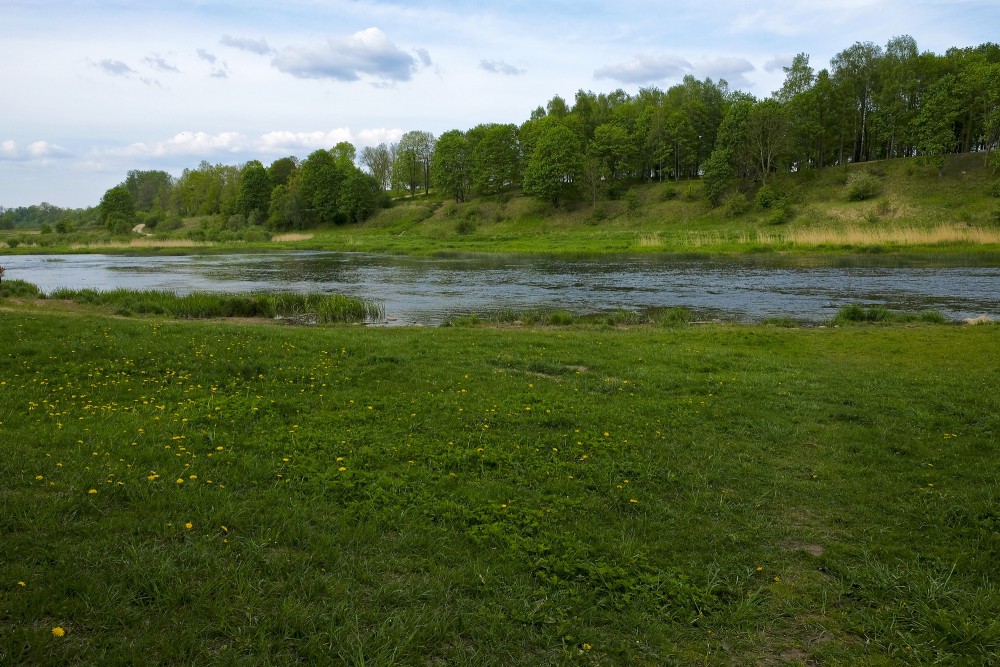
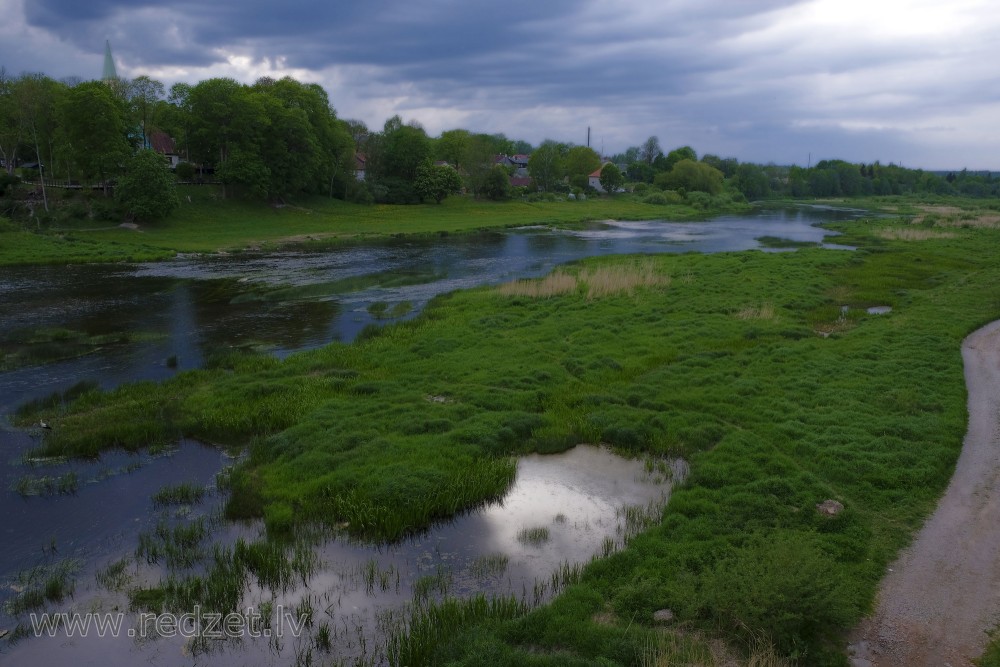
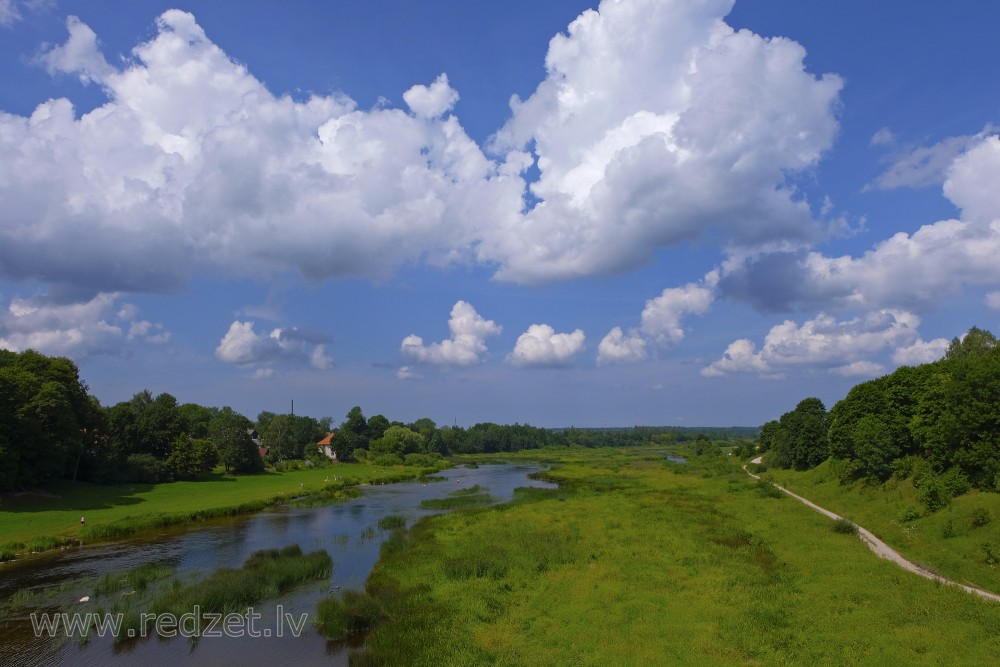
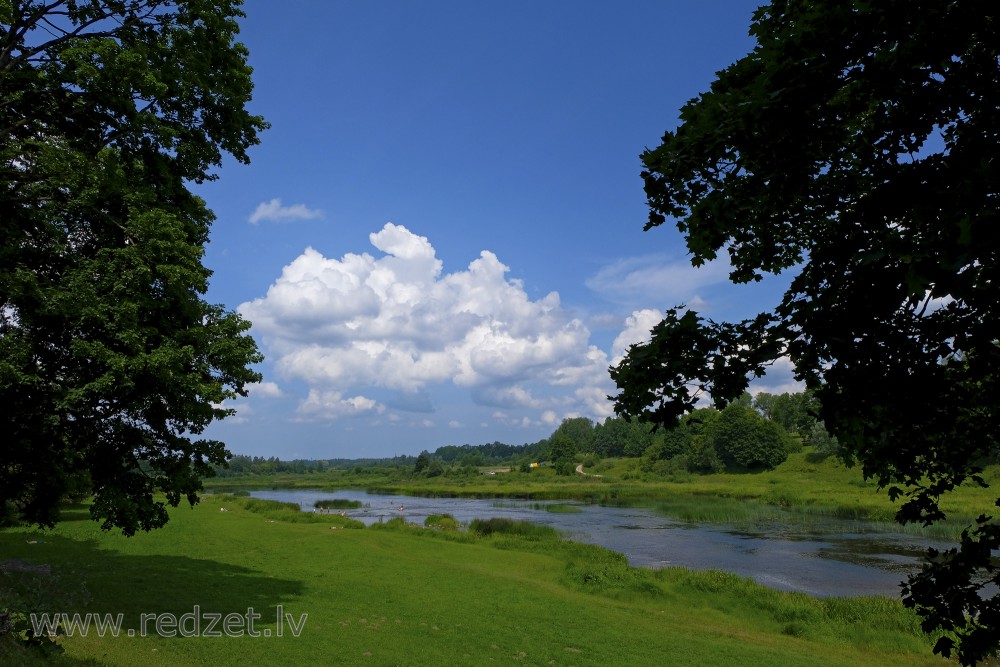
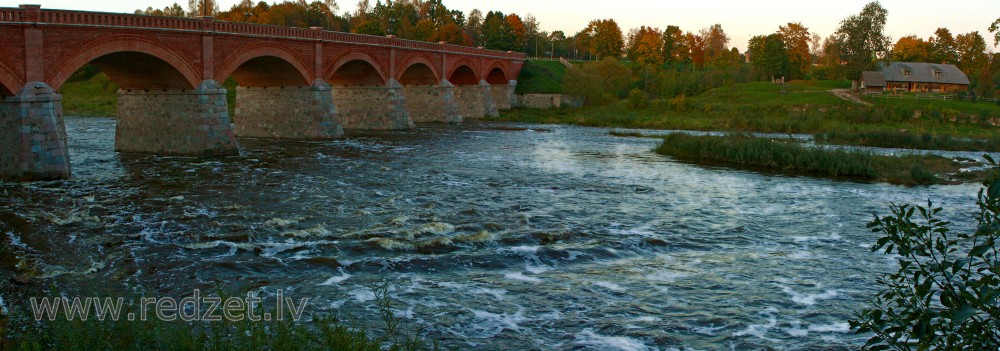
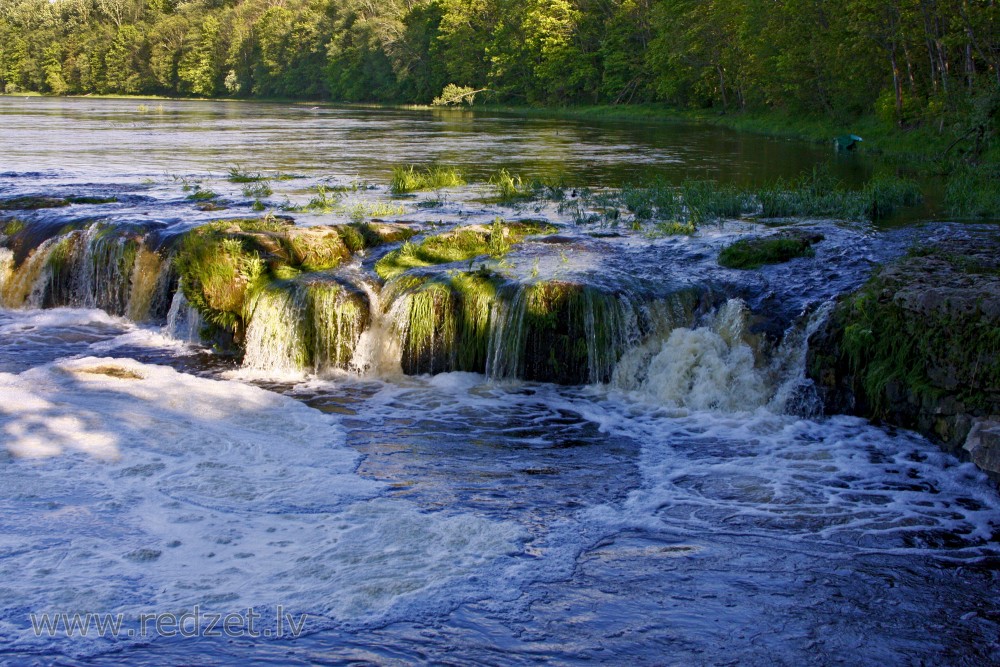
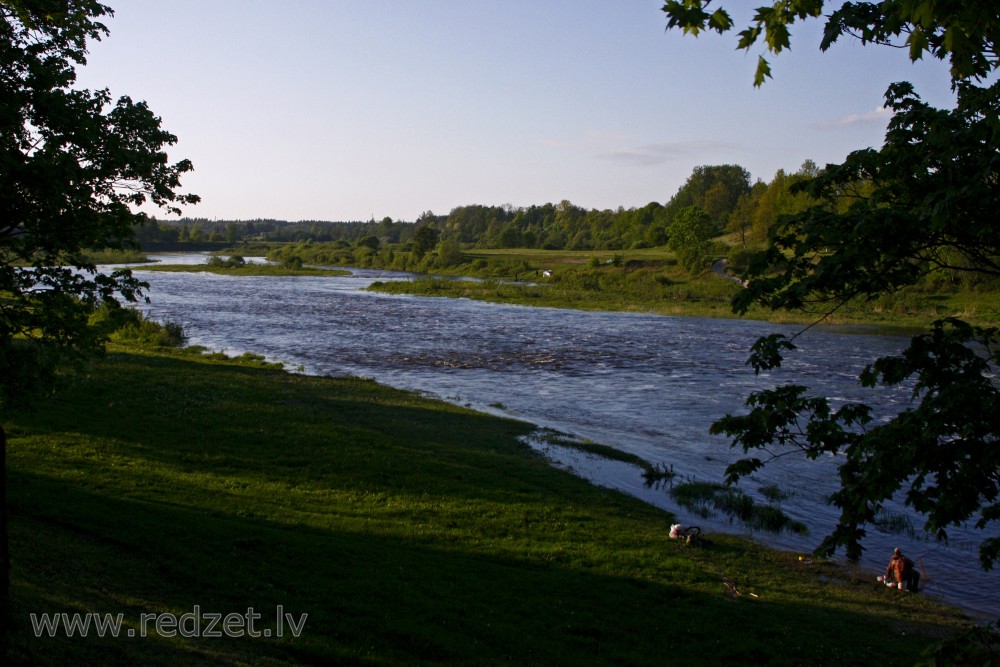
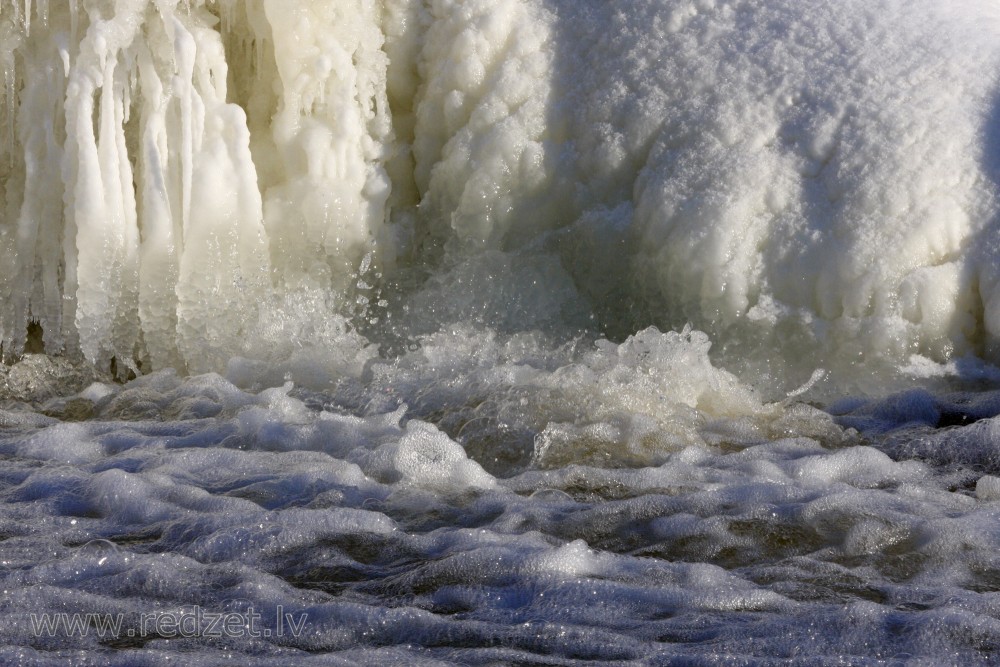
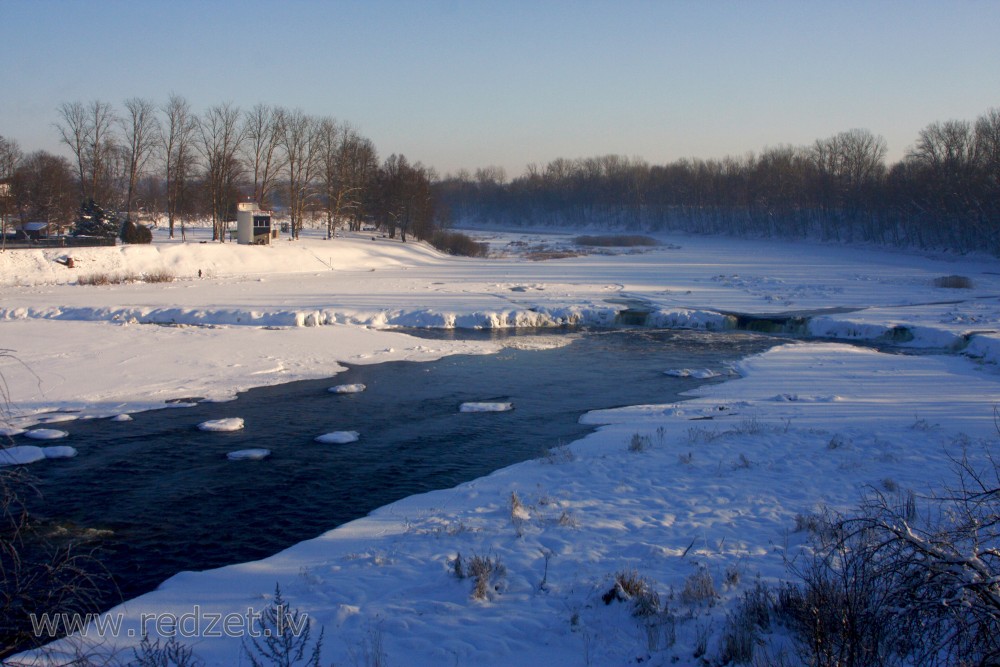
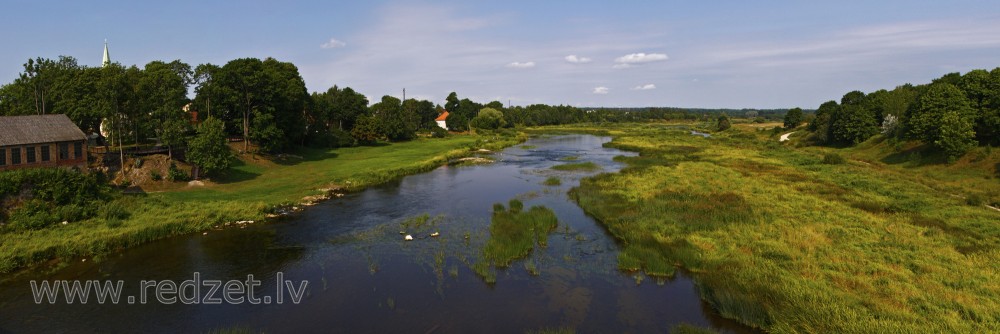
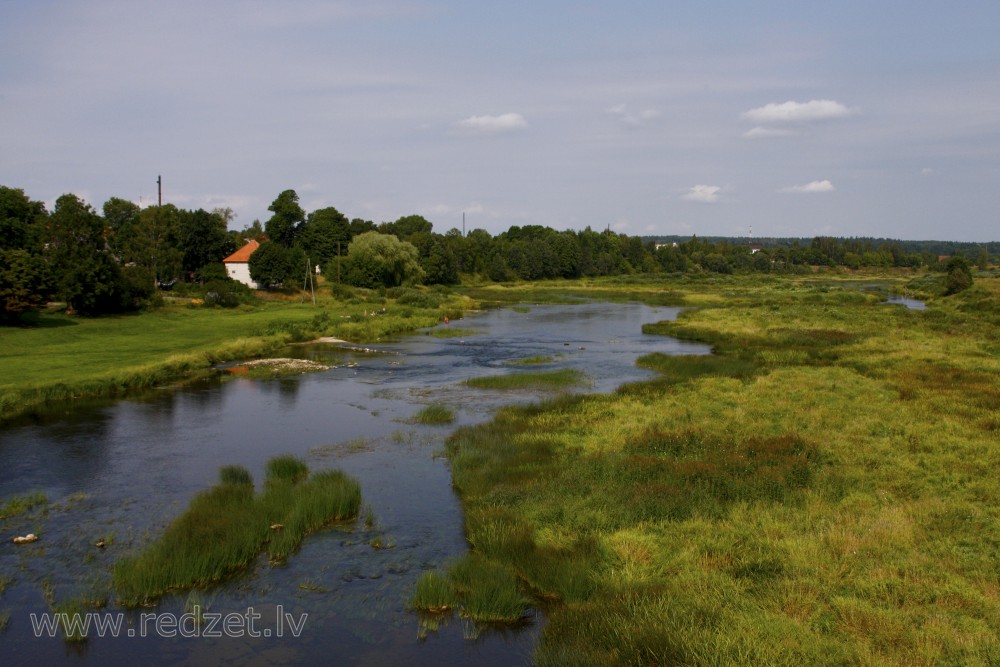
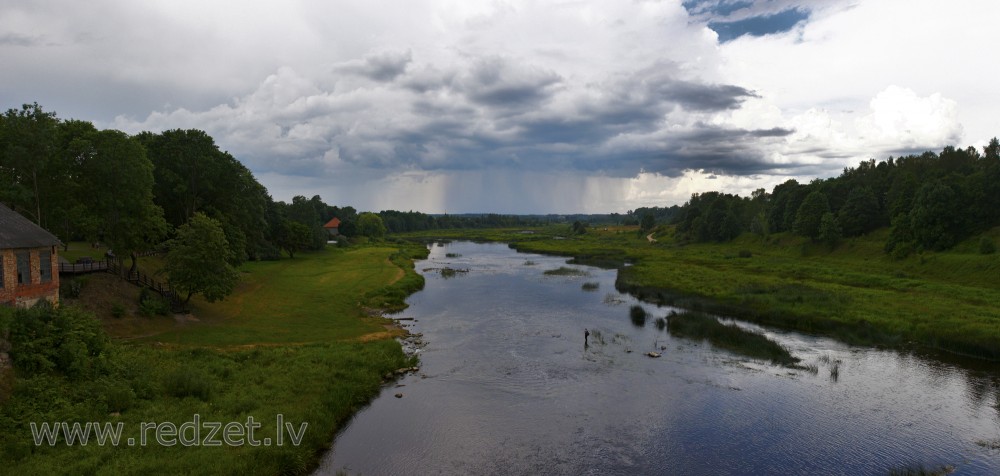
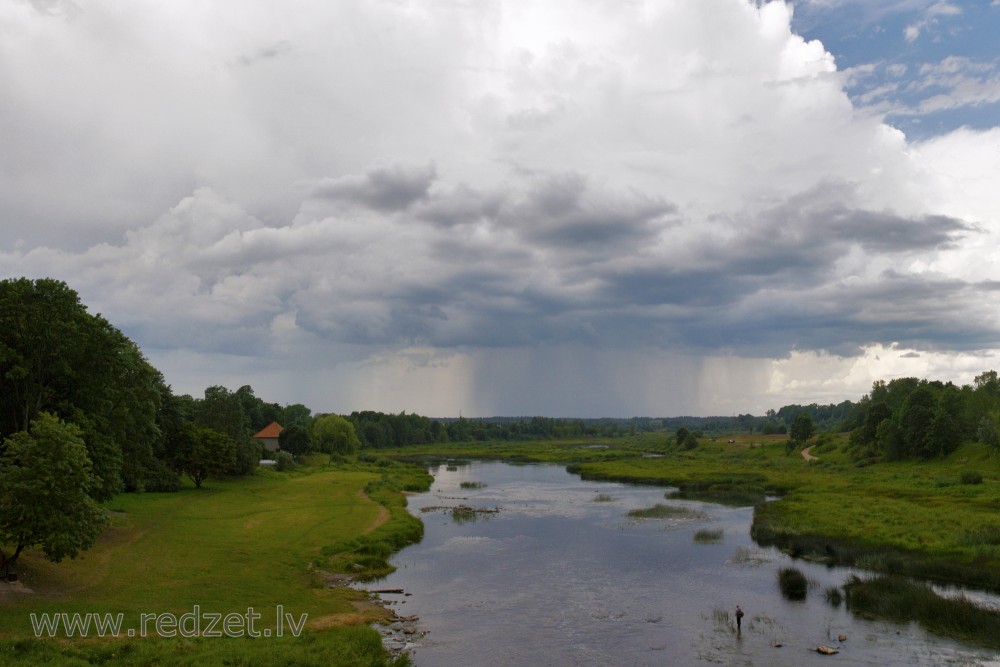
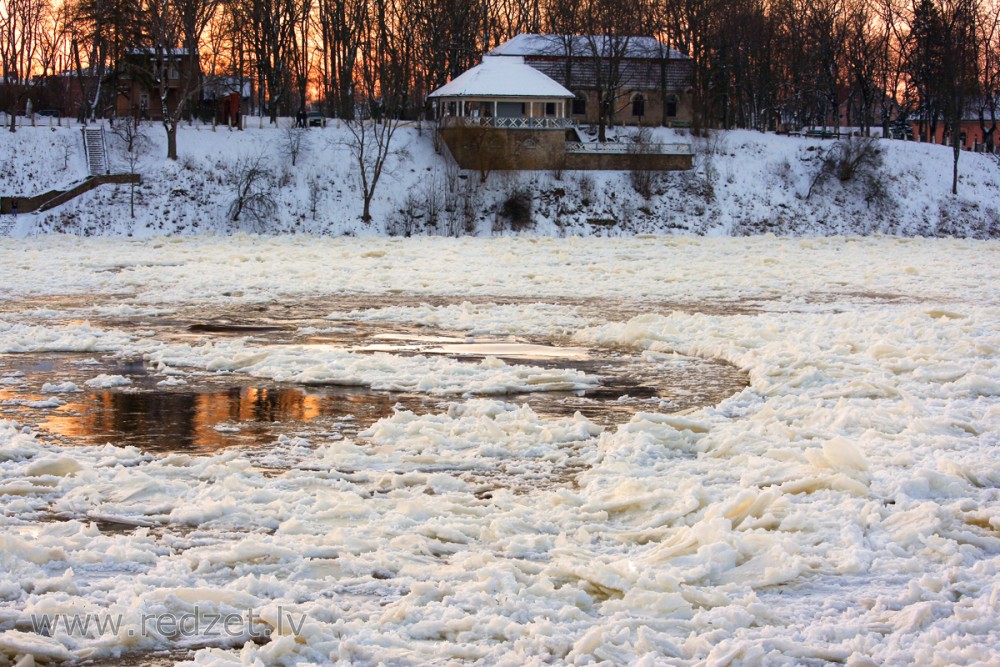
The Venta River is an essential part of Kuldīga’s landscape. The town’s best-known natural attraction is Venta Rapid, a natural waterfall and rapid approximately 249 metres wide. Its width changes with the water level and can reach around 270 metres during spring floods. The waterfall lies within the protected Venta Valley area.
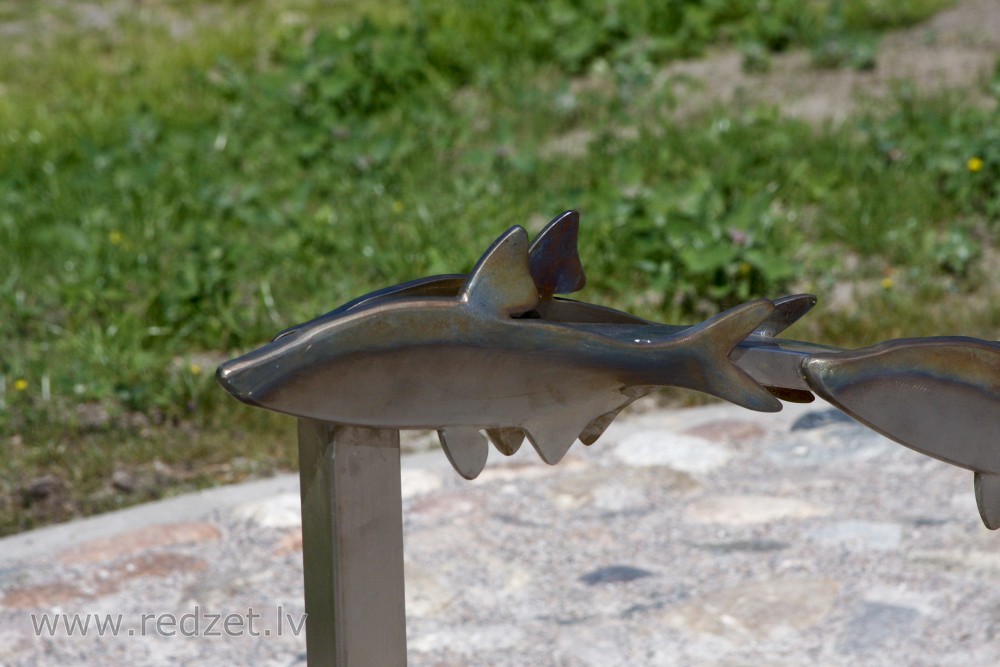
In spring and autumn, visitors may see fish migrating upstream and attempting to leap over the rapid. This natural spectacle is one of Kuldīga’s most distinctive attractions.
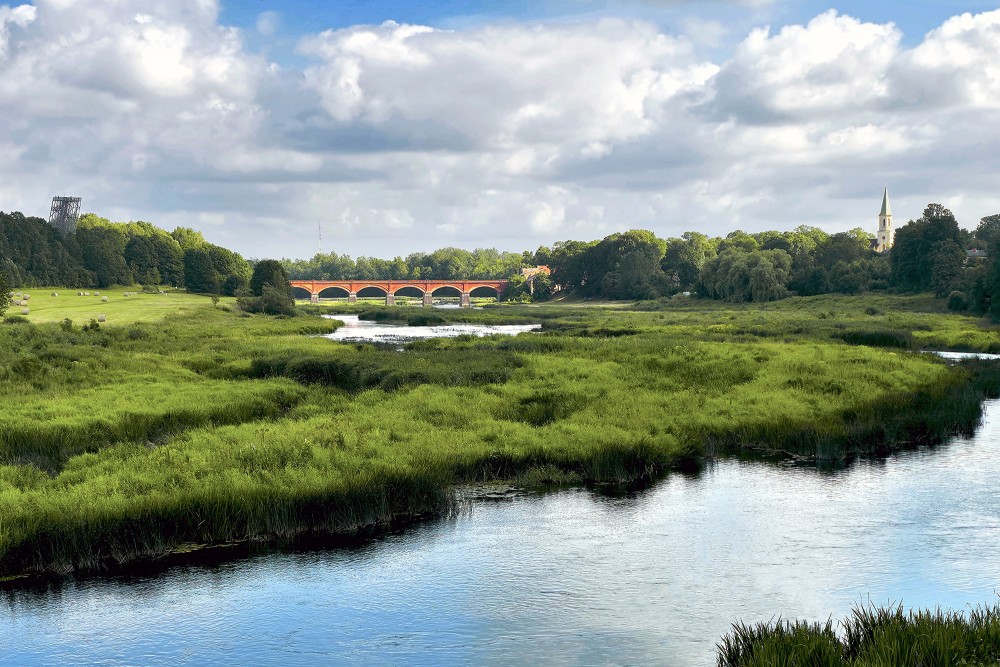
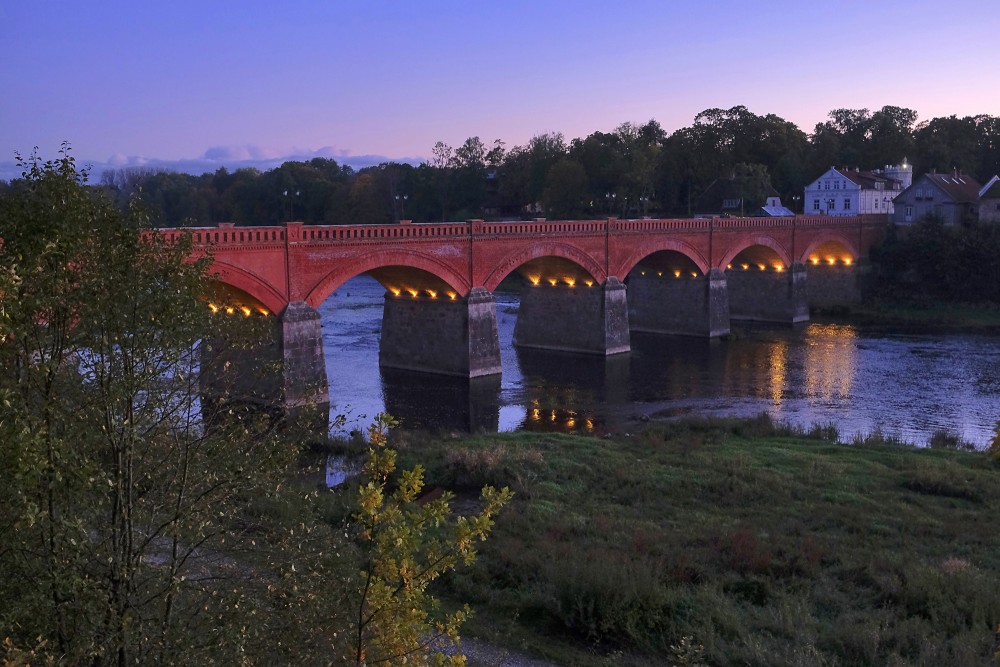
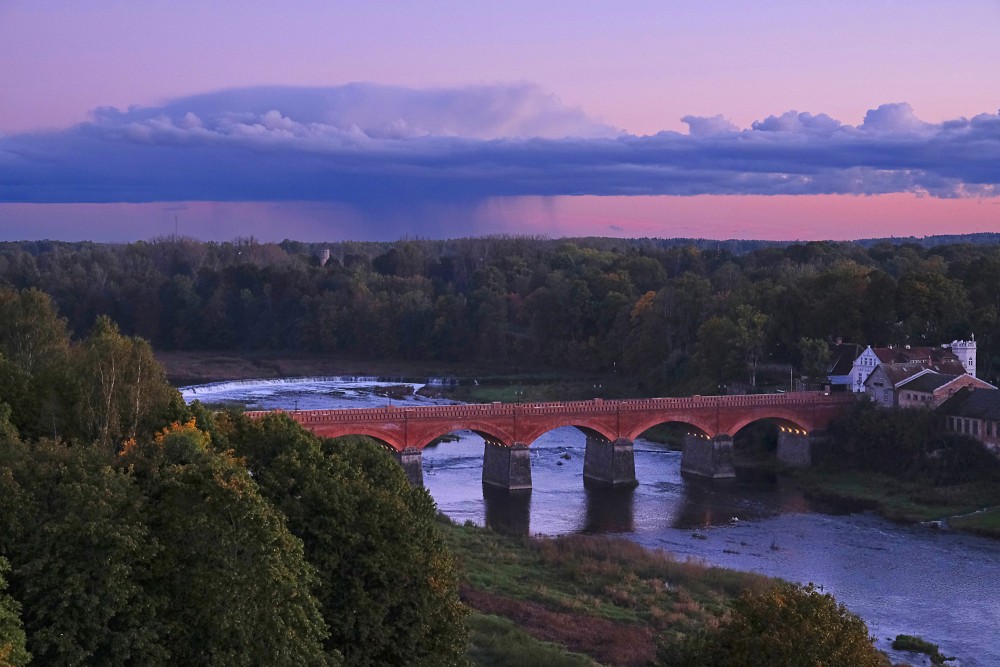
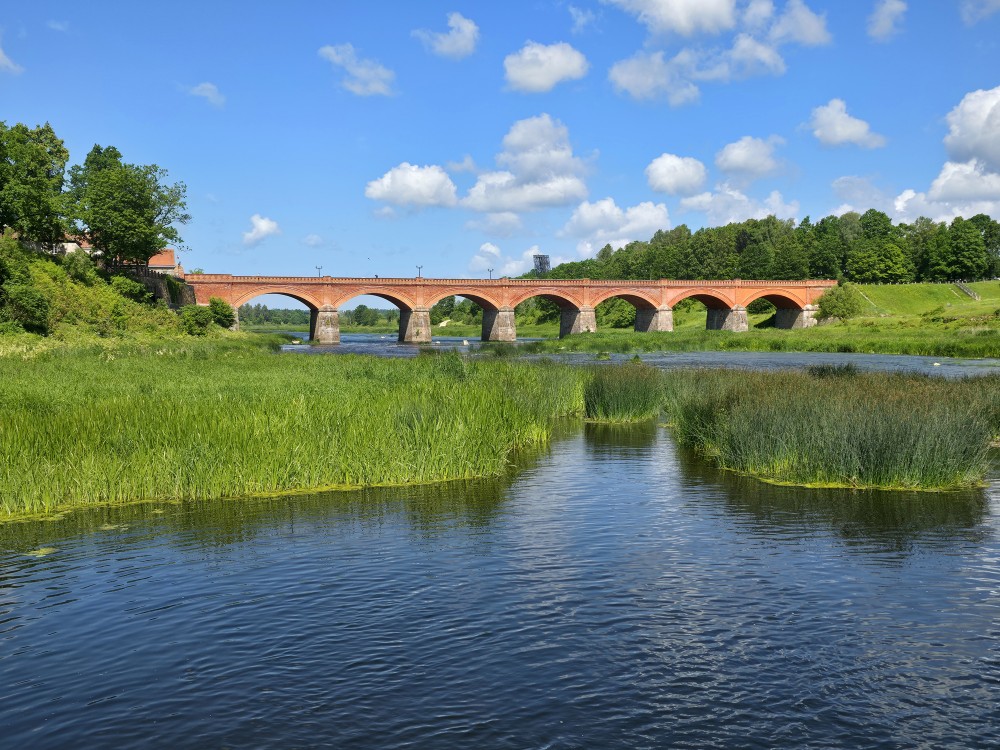
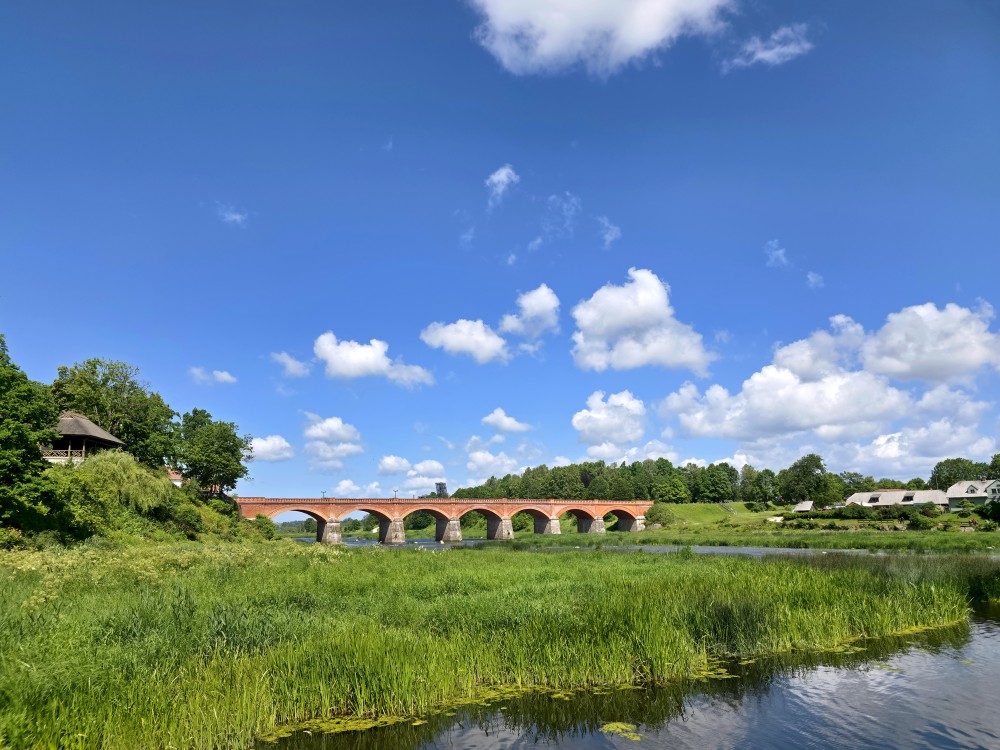
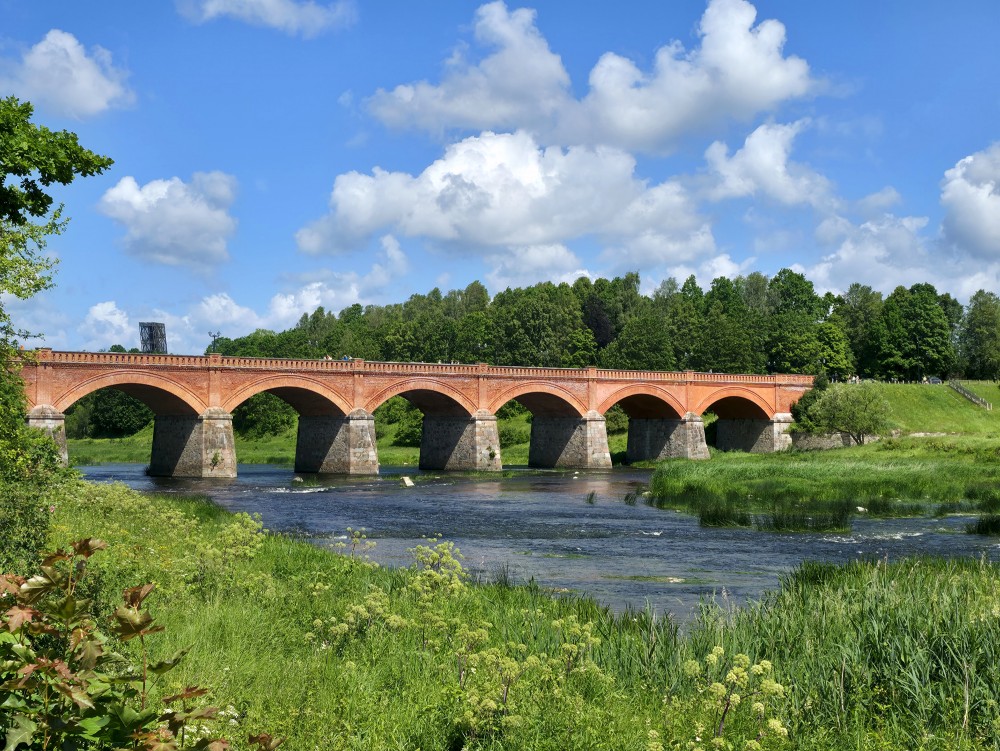
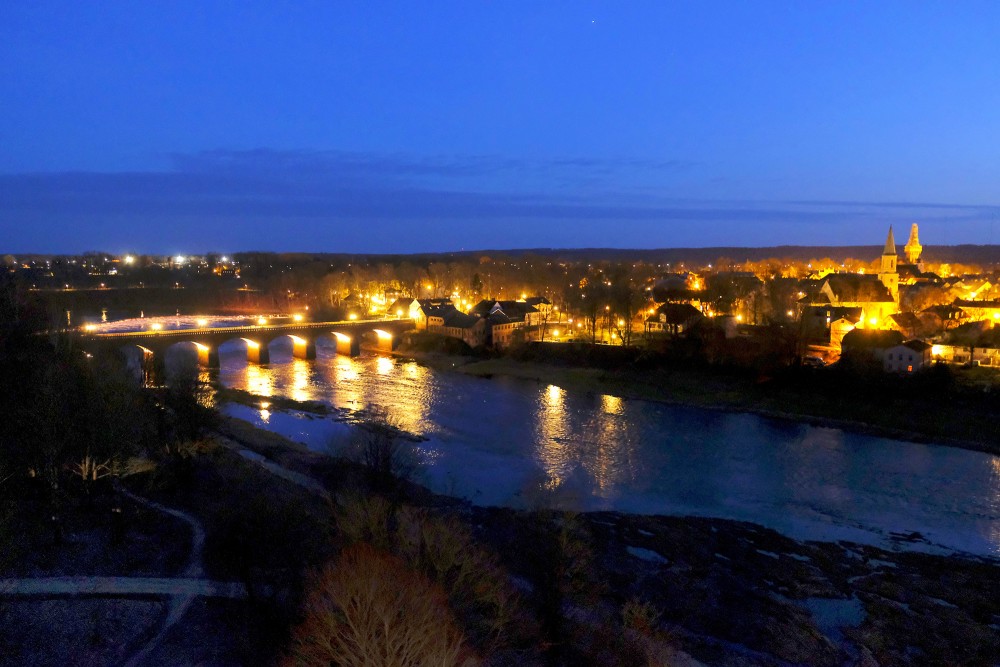
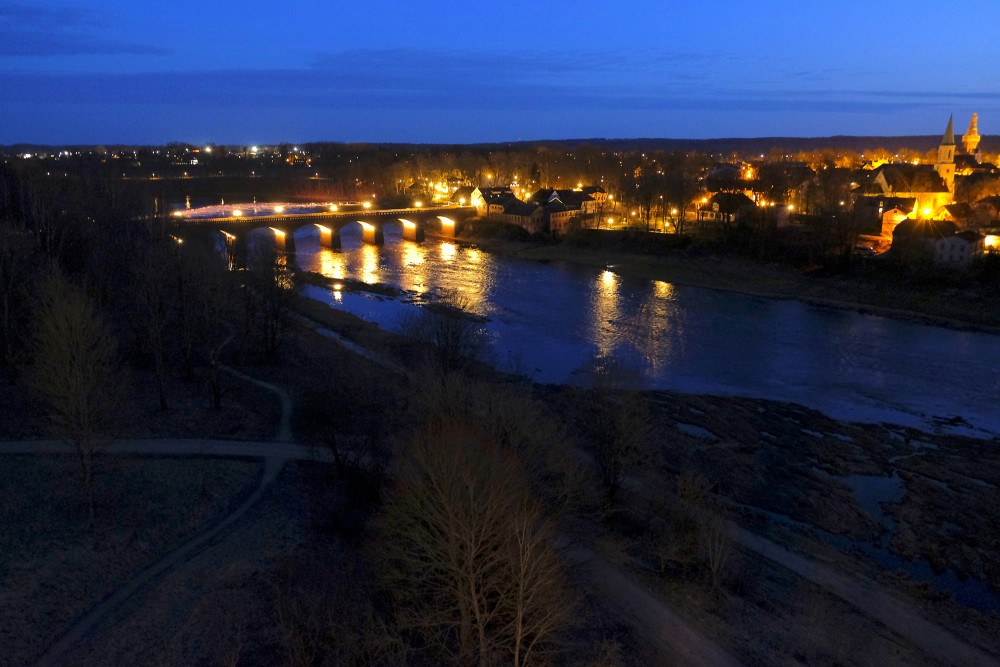
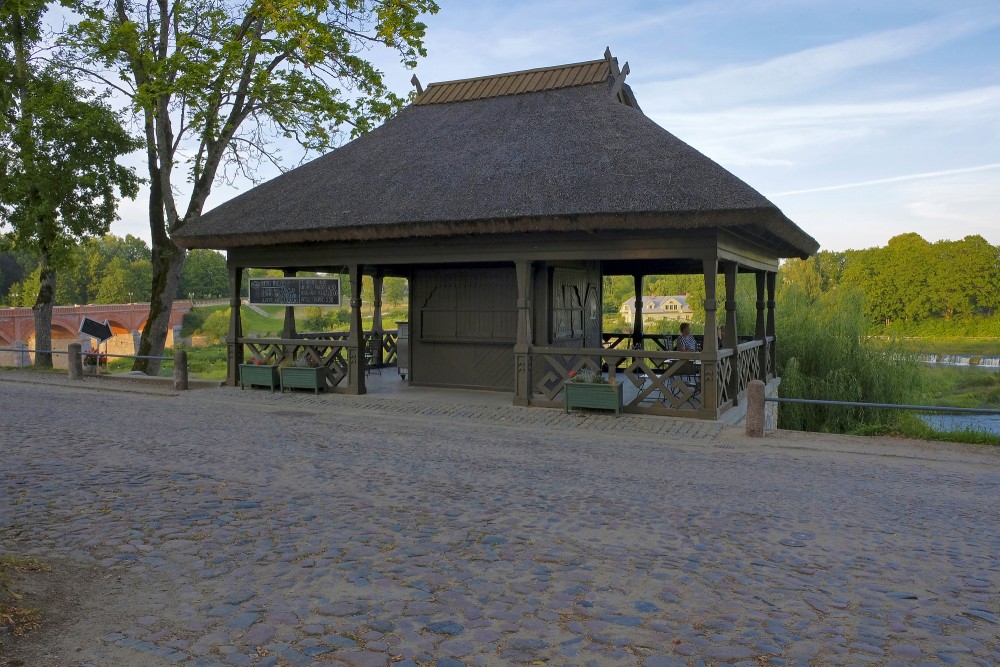
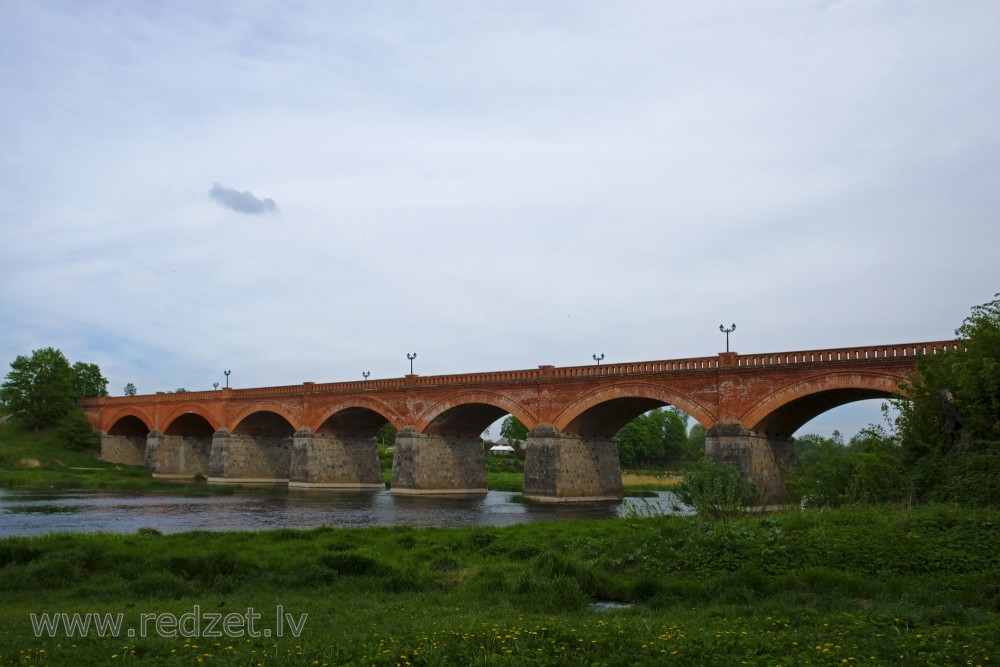
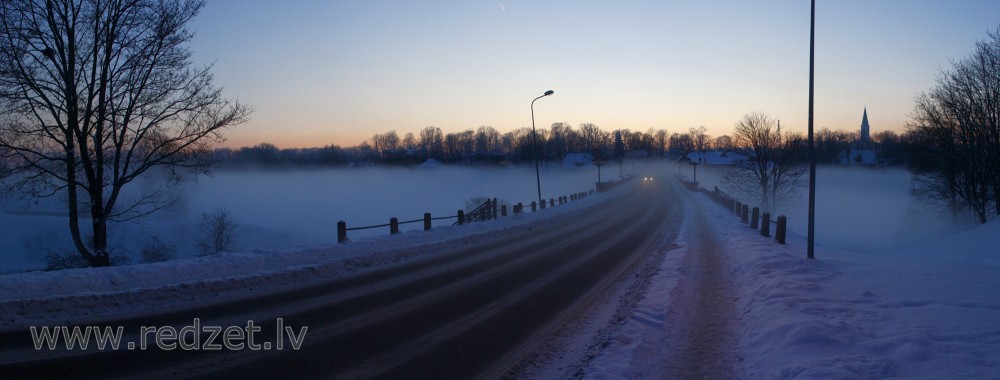
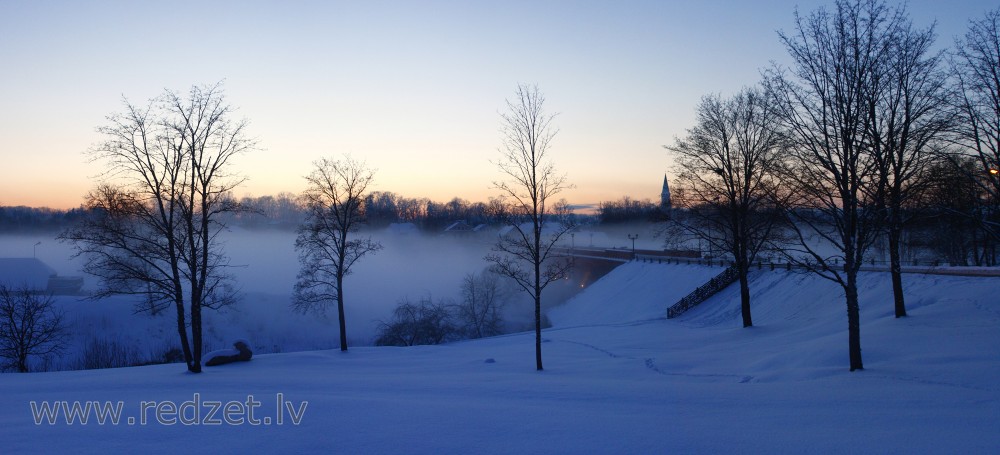
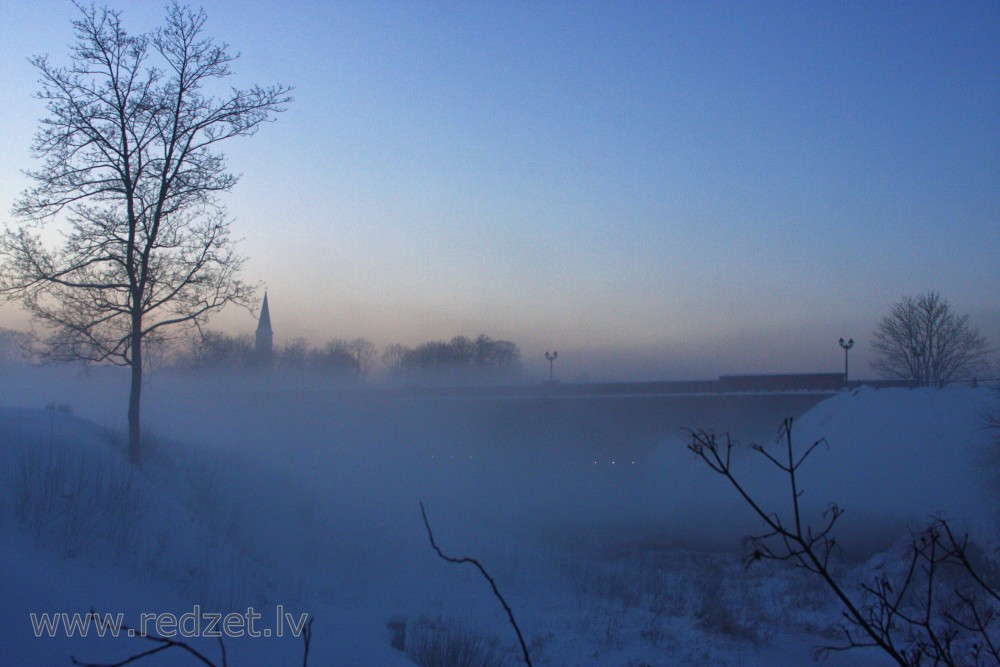
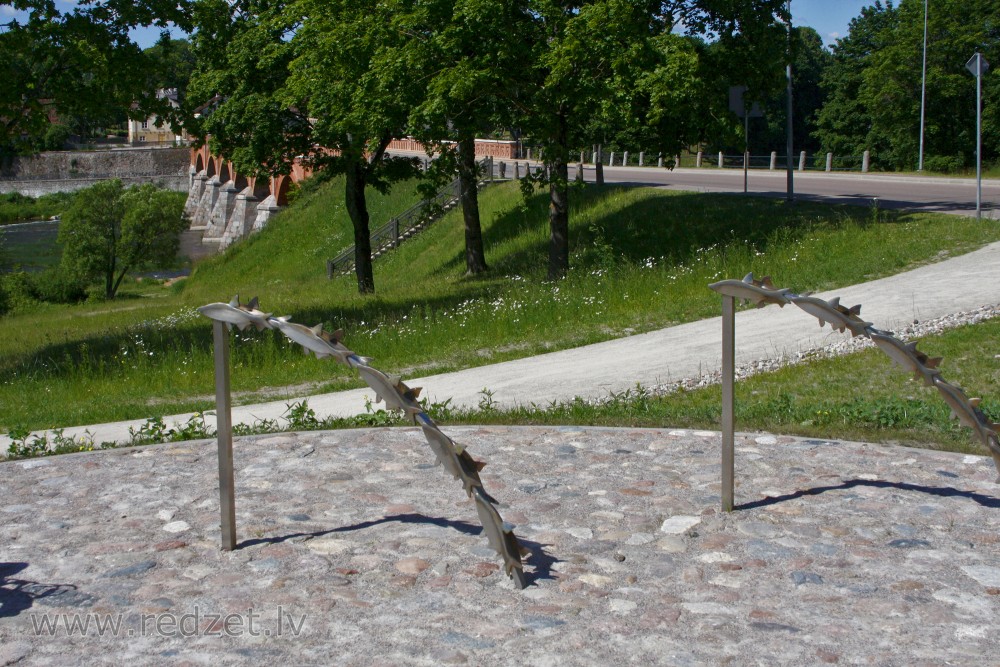
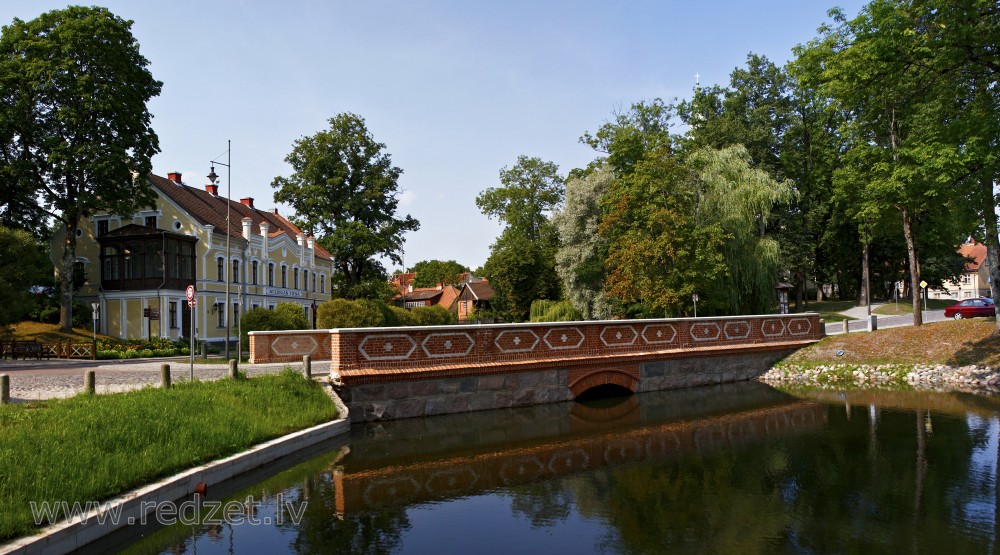
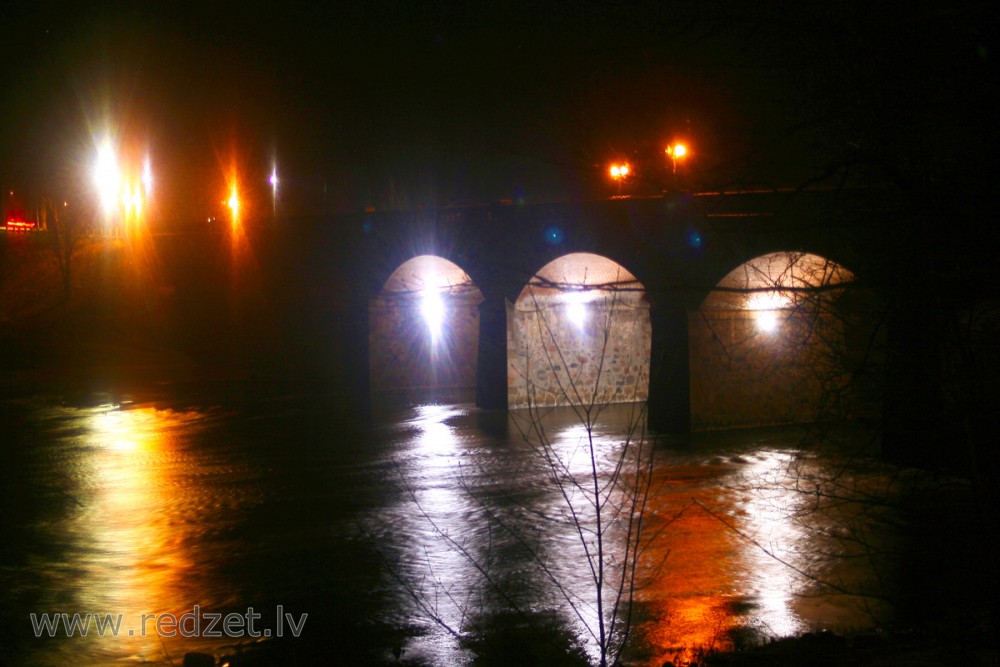
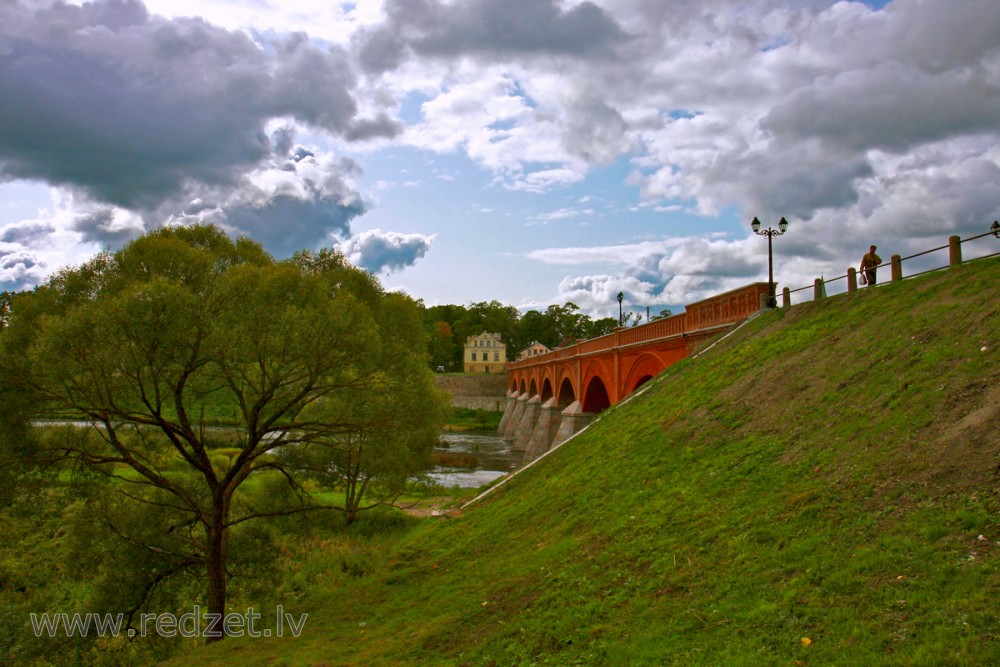
The Venta is crossed by a historic brick bridge built in 1874. The bridge is an important part of Kuldīga’s historic landscape and one of the town’s most recognisable landmarks.
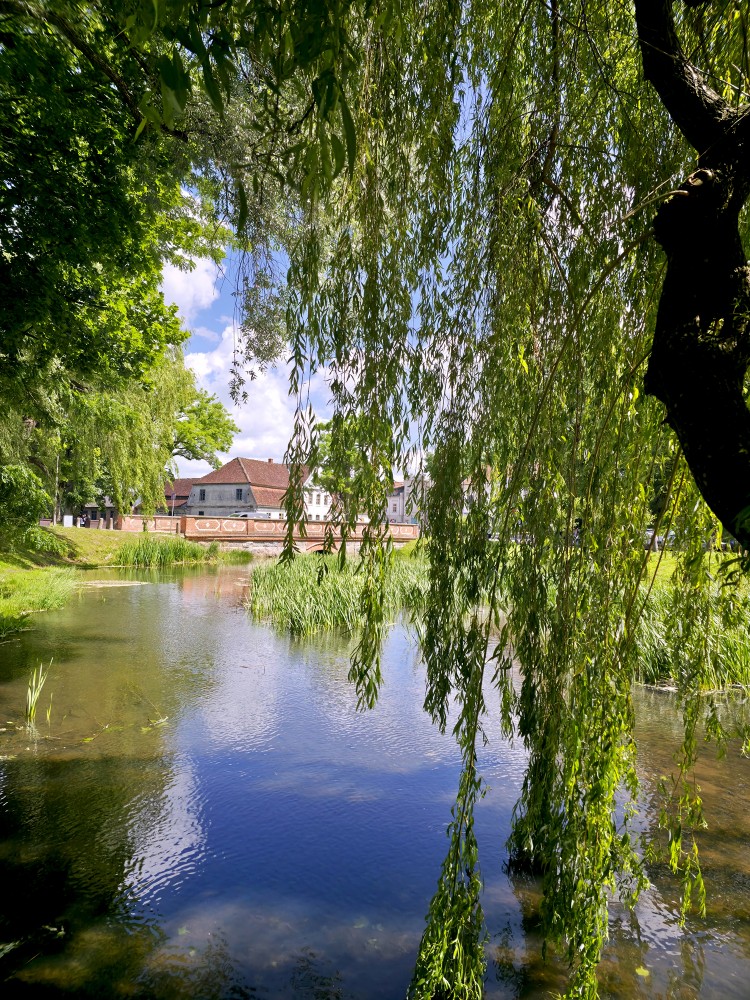
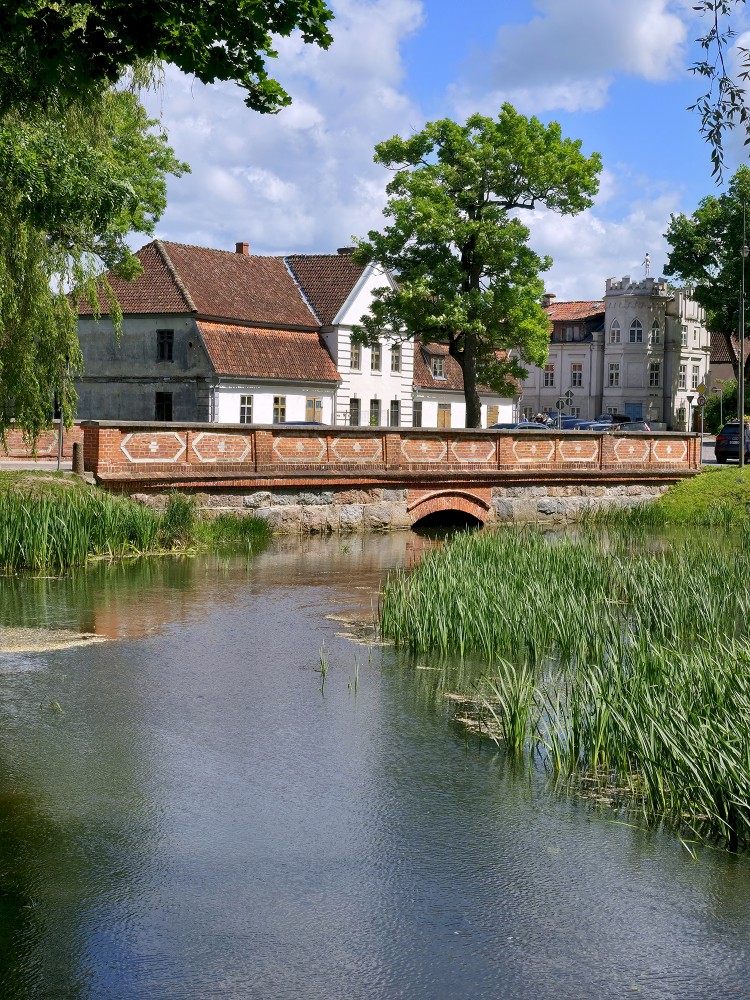
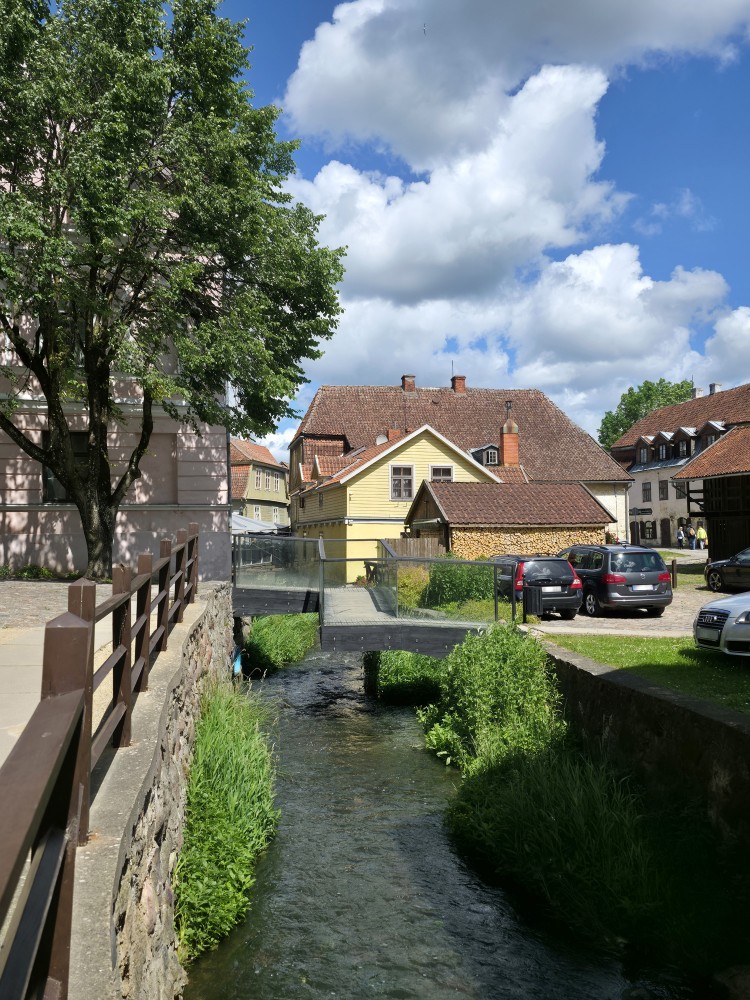
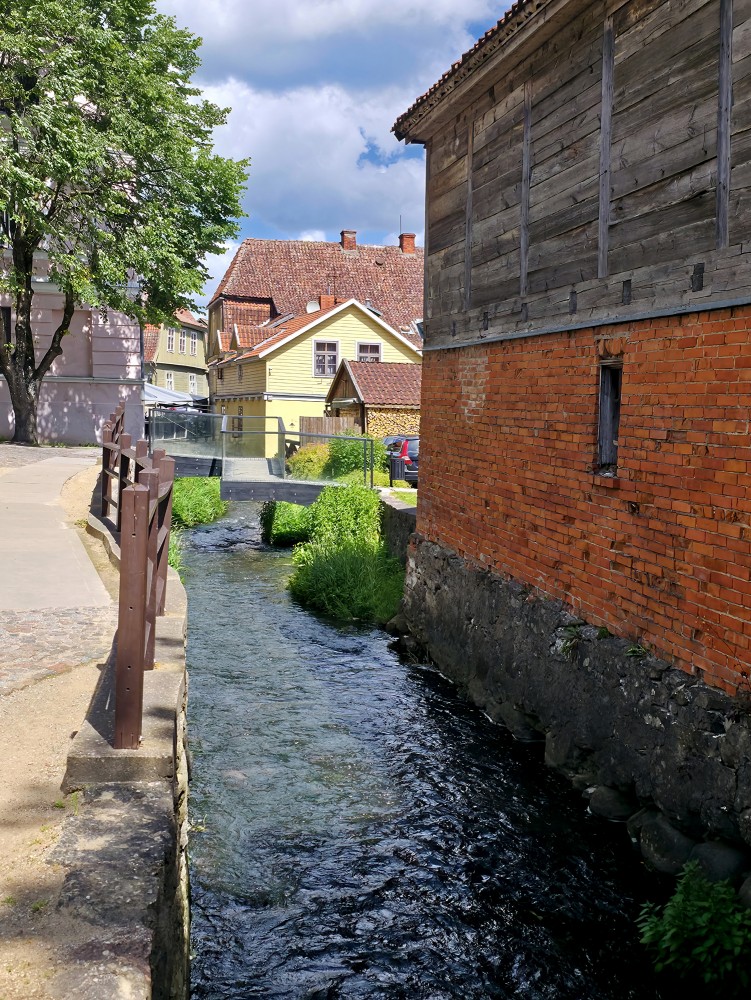
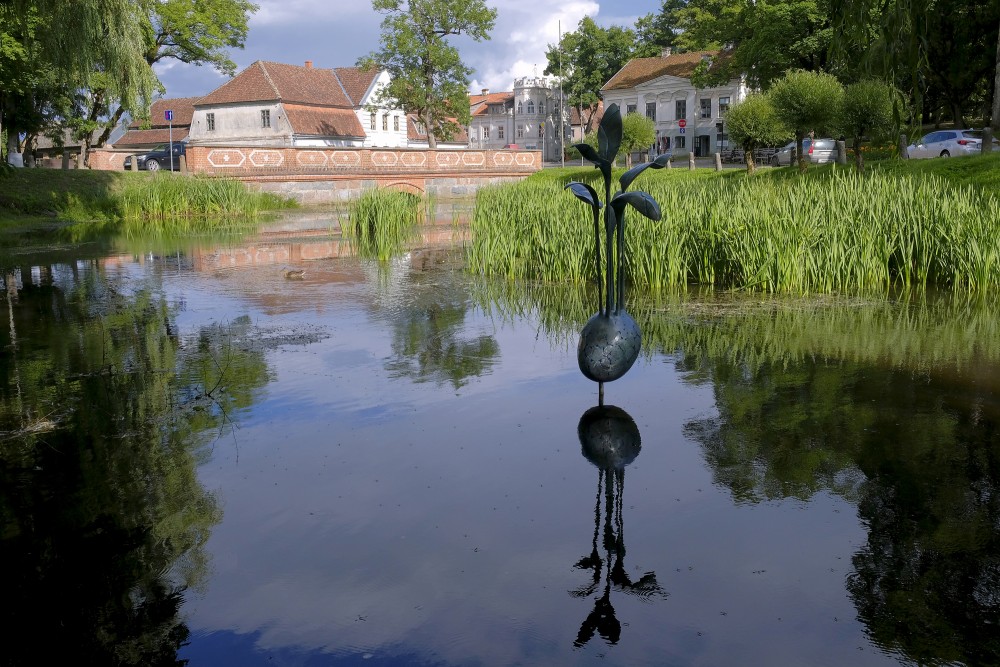
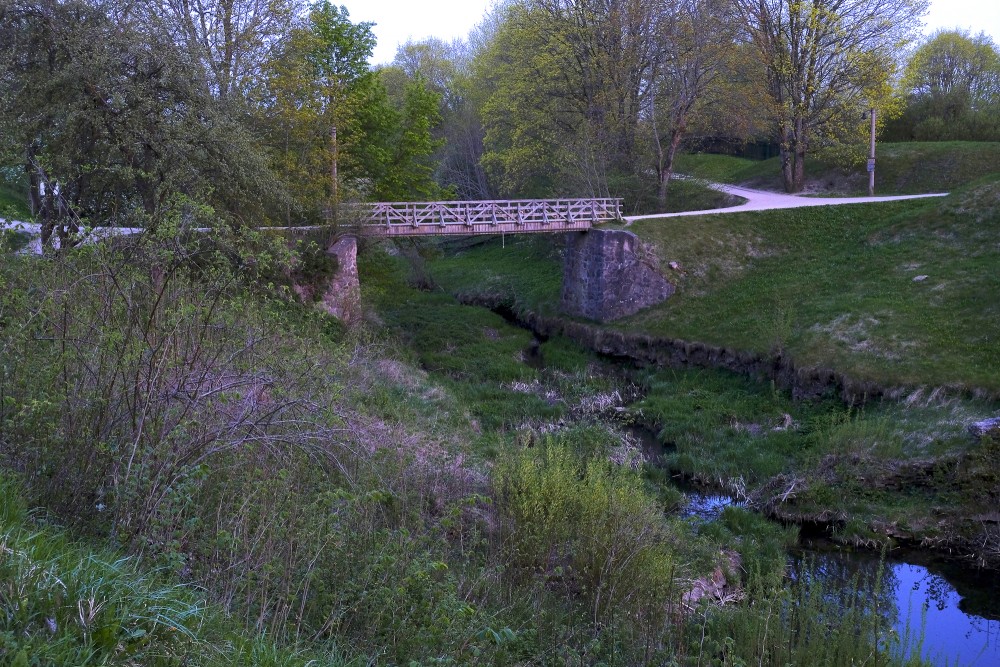
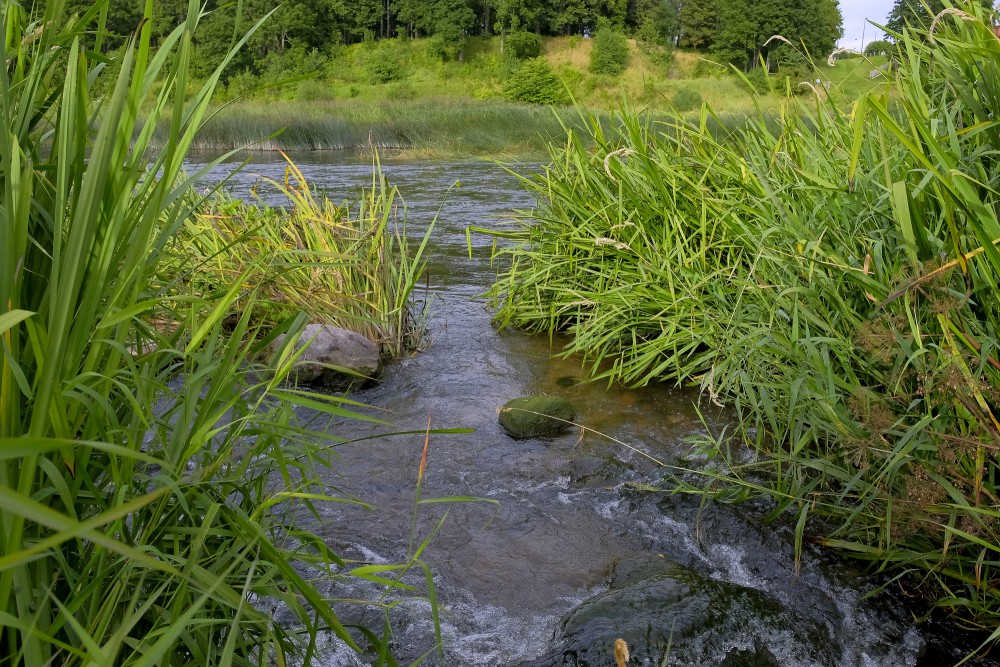
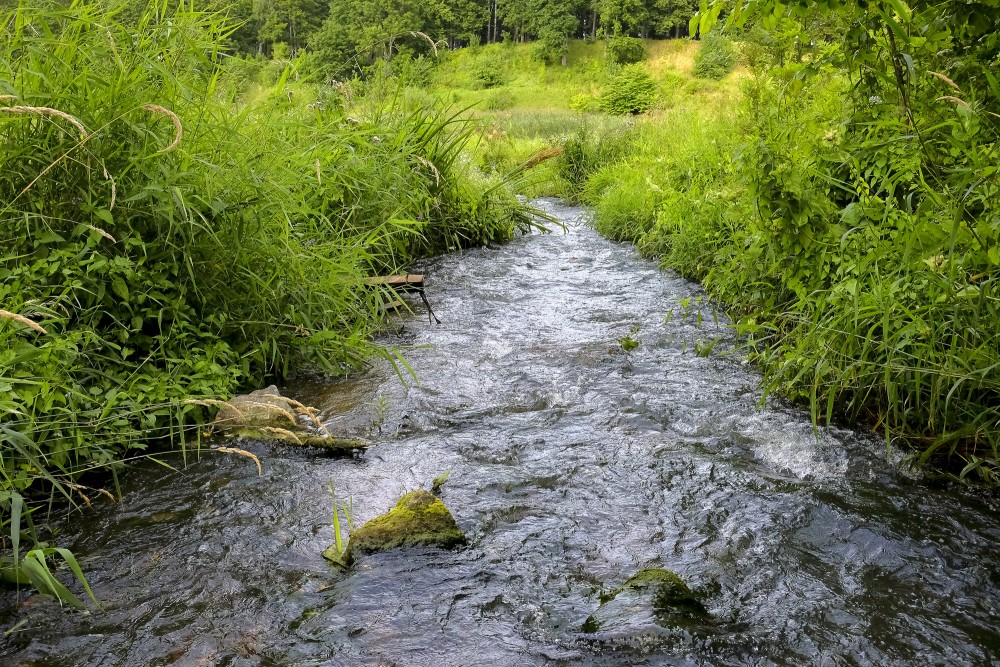
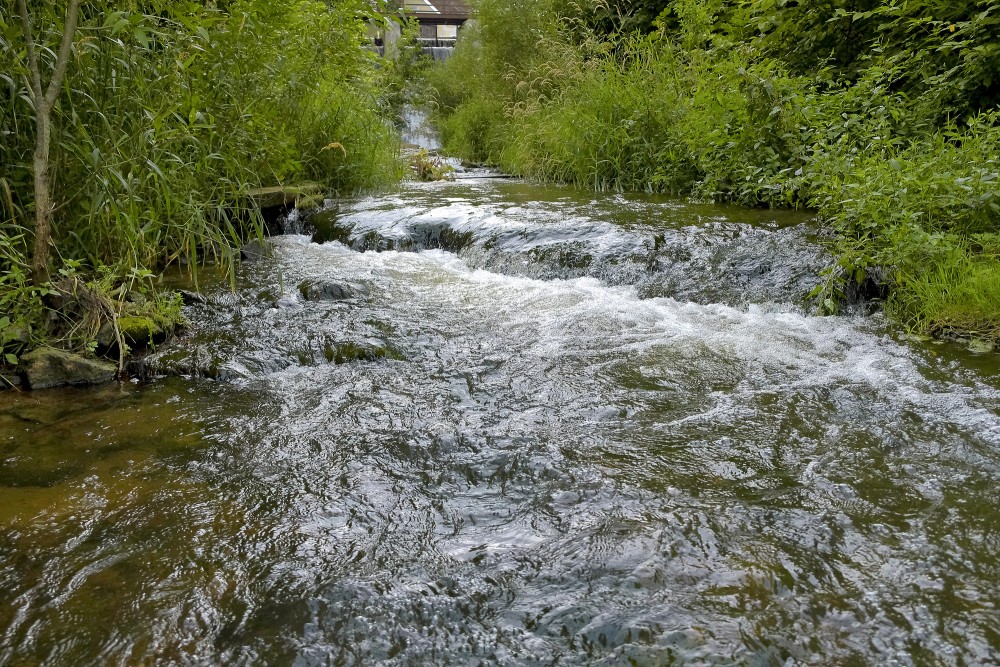
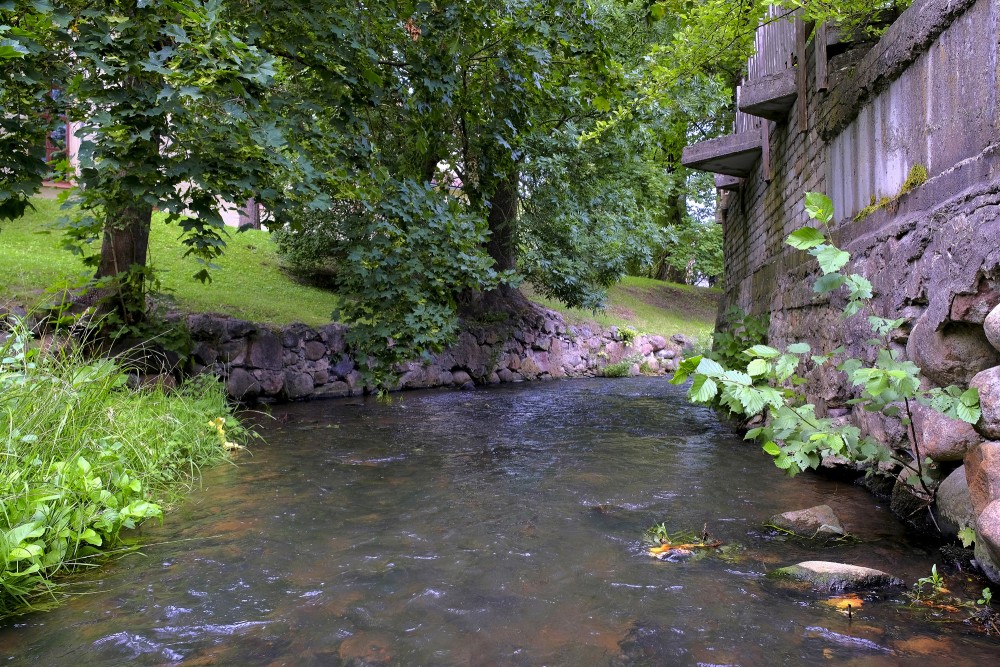
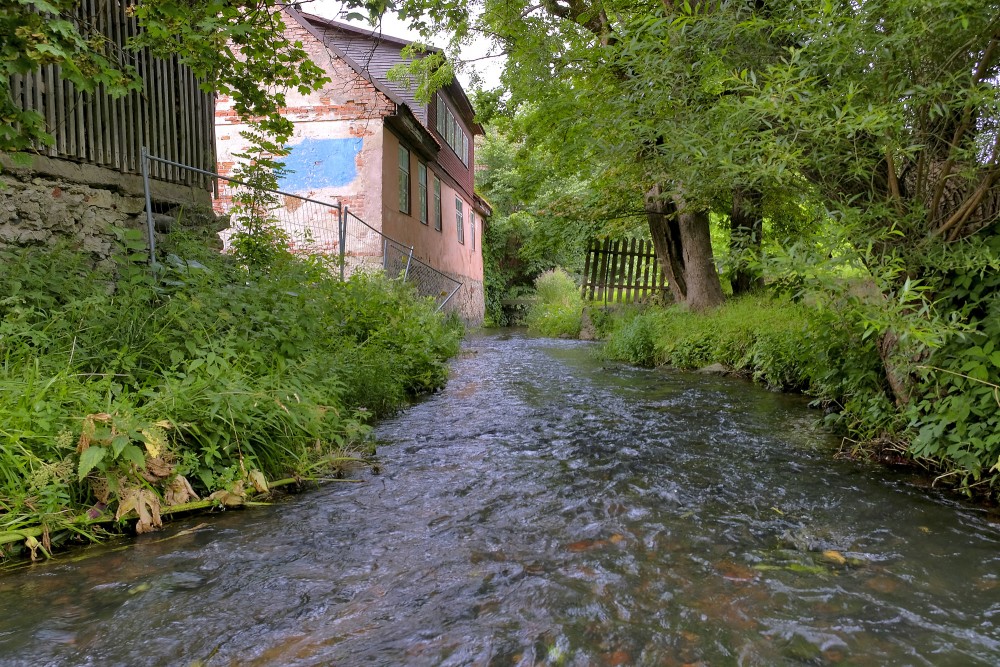
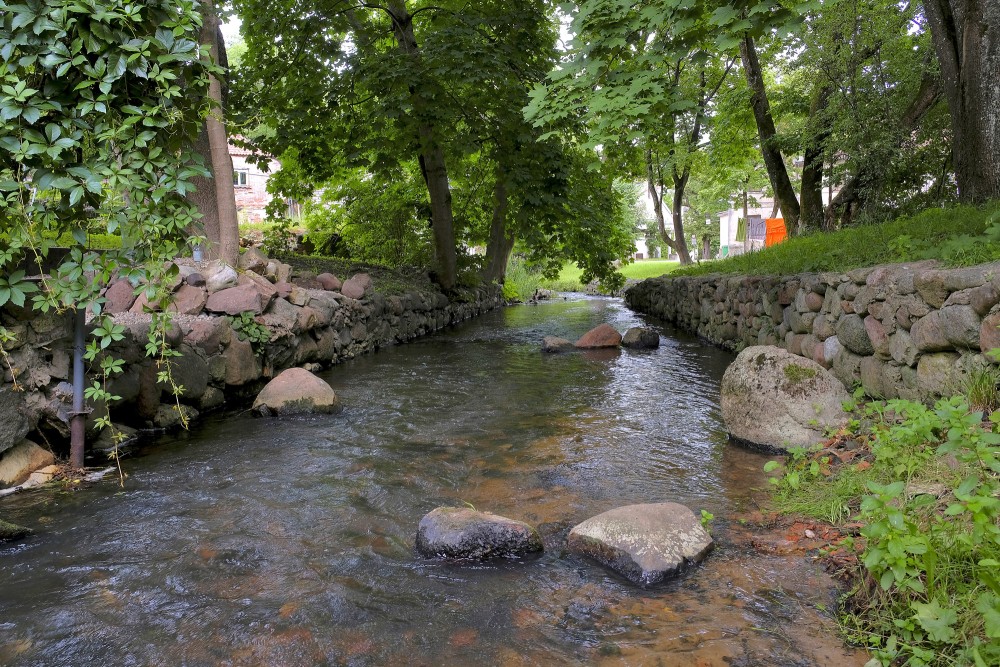
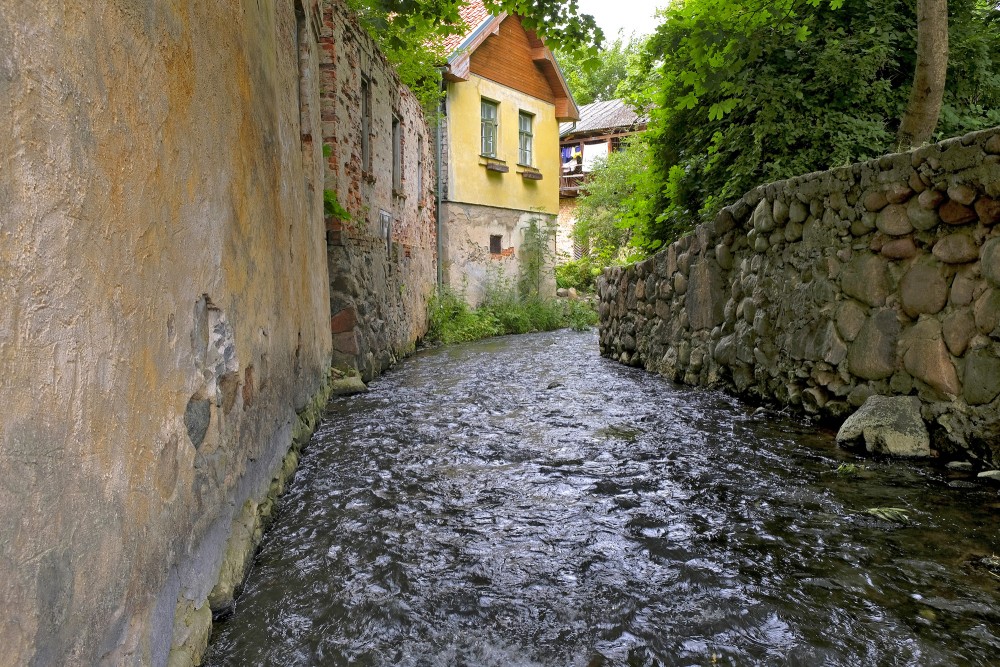
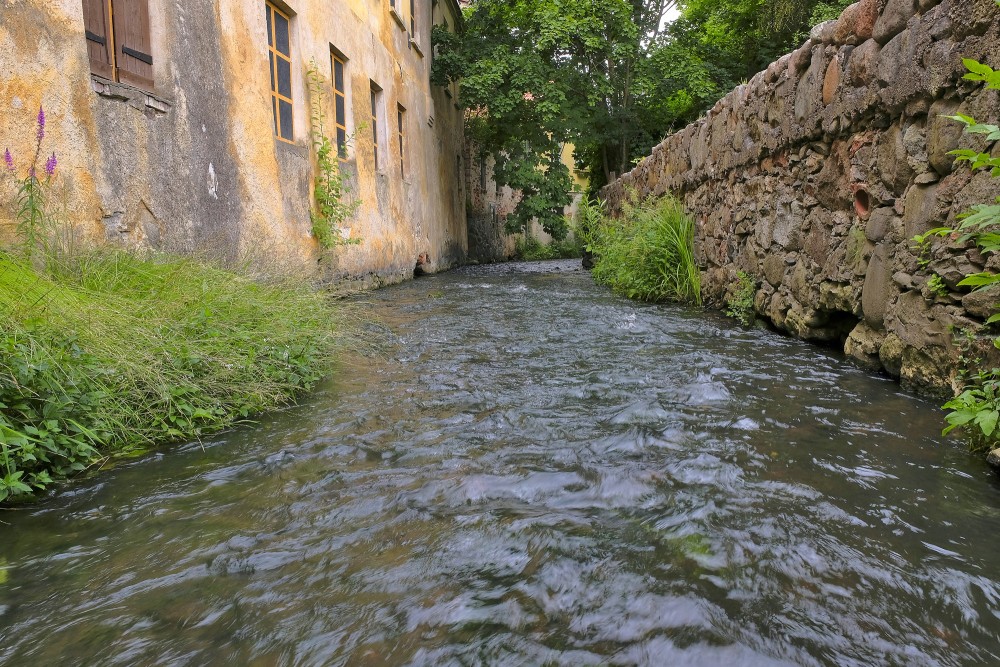
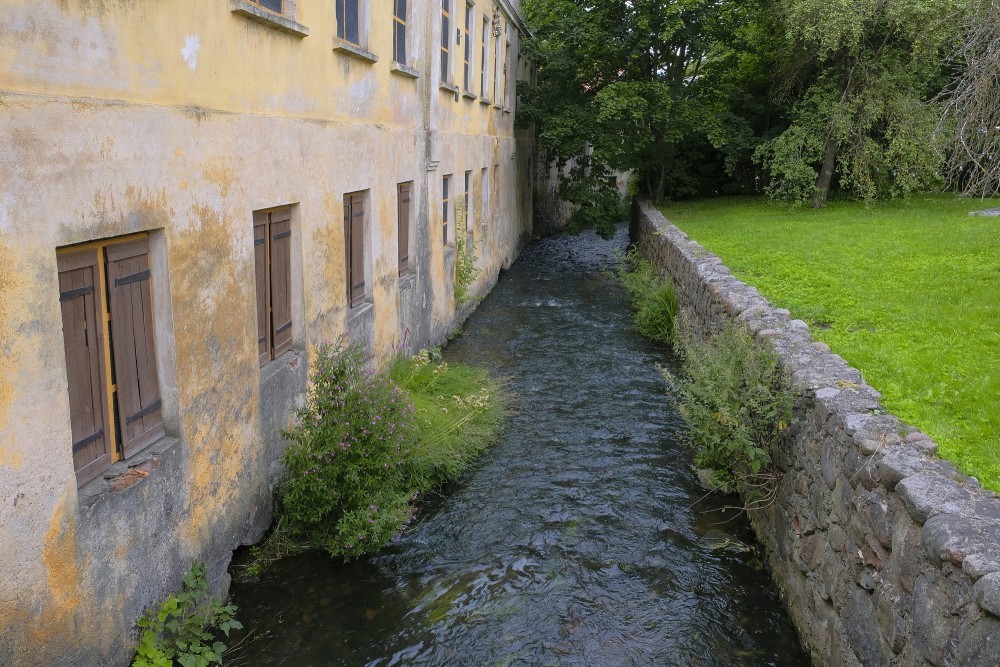
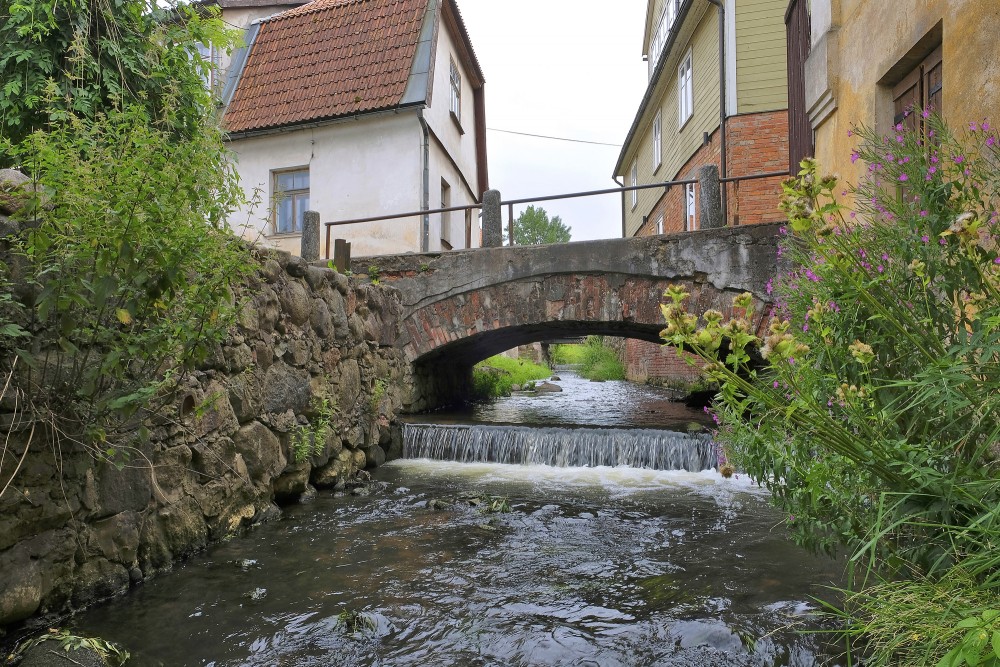
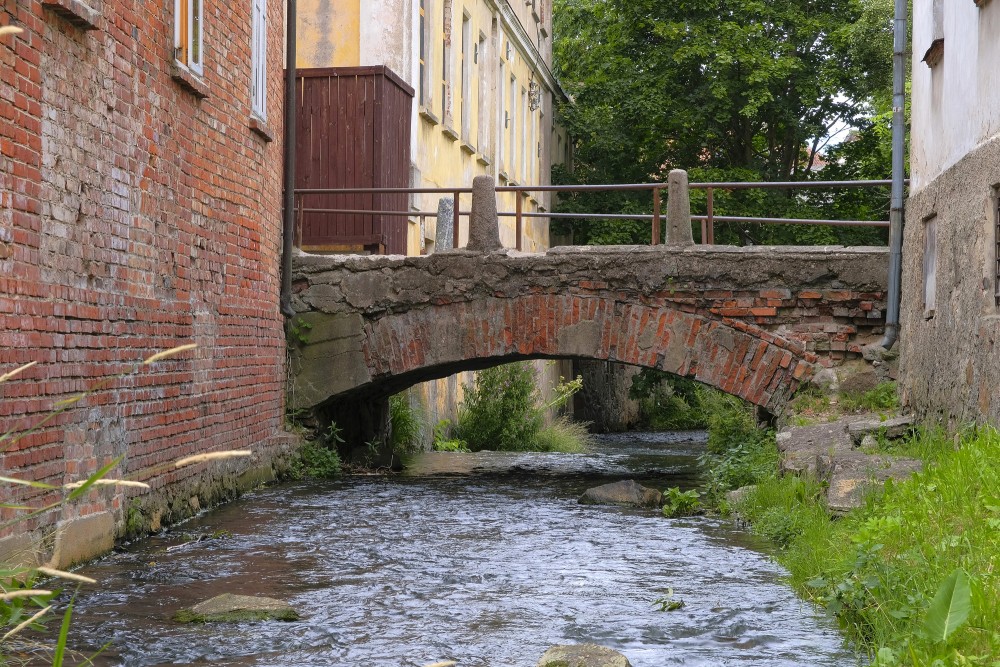
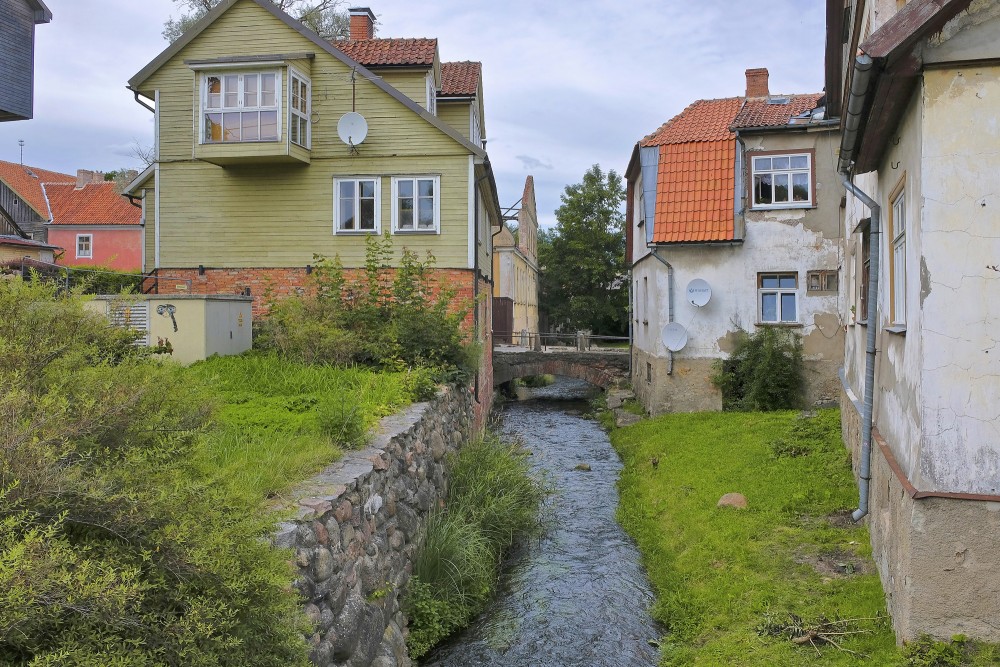
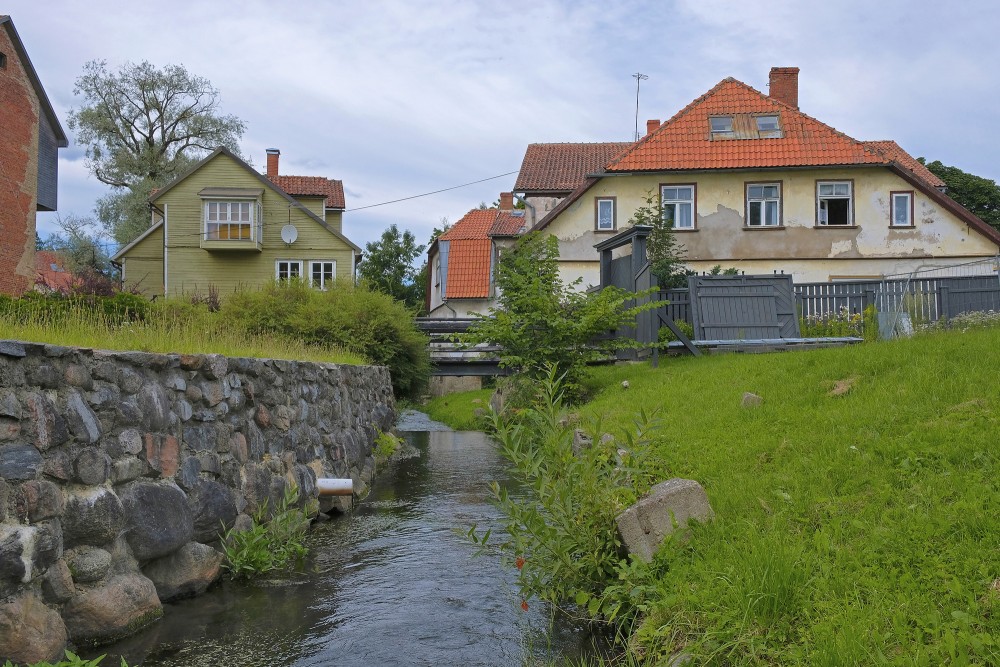
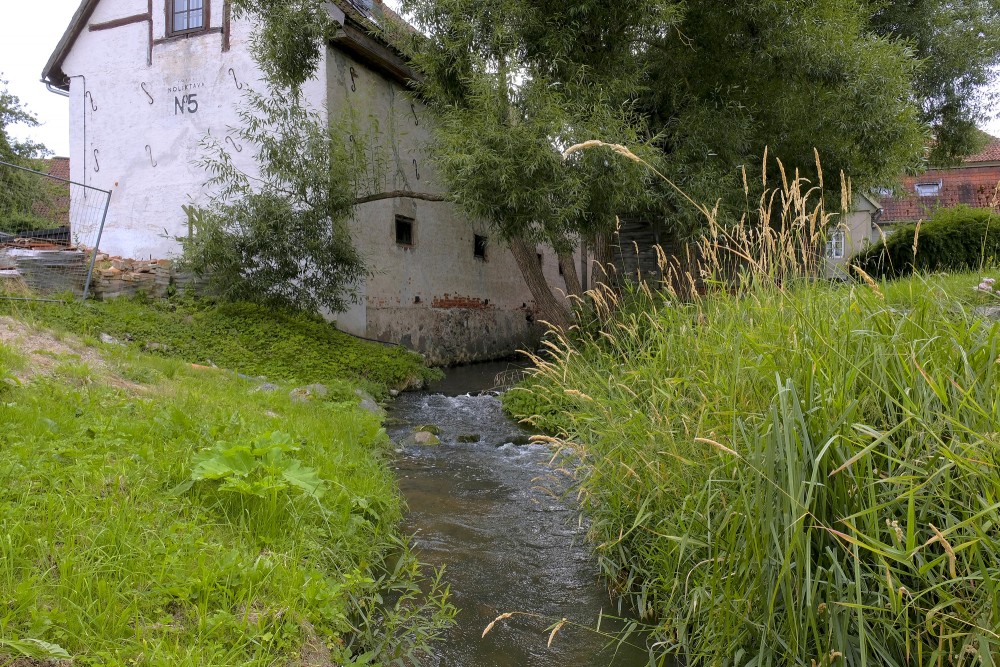
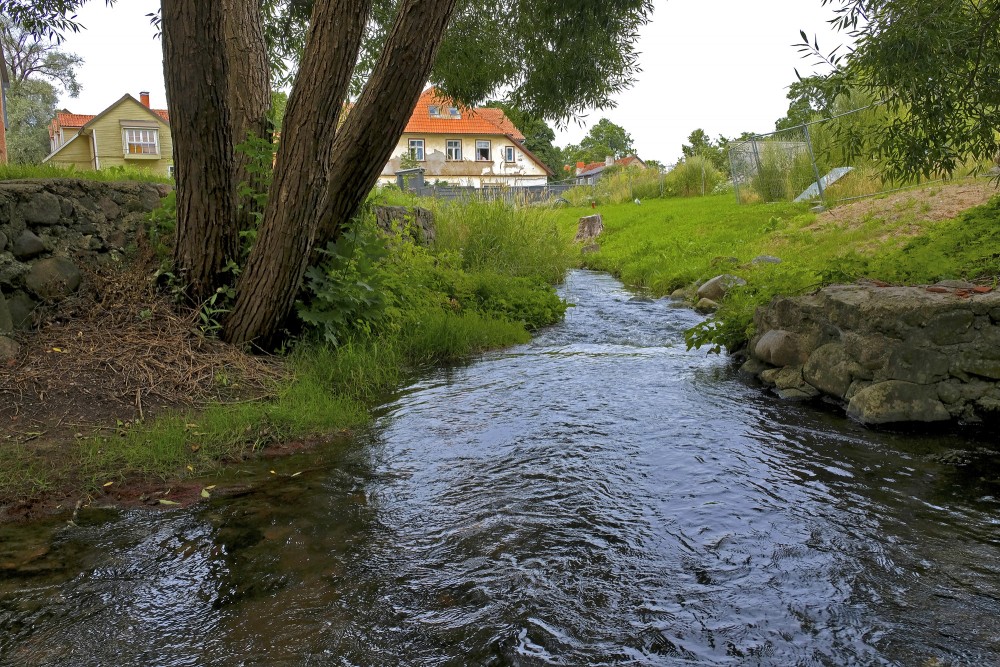
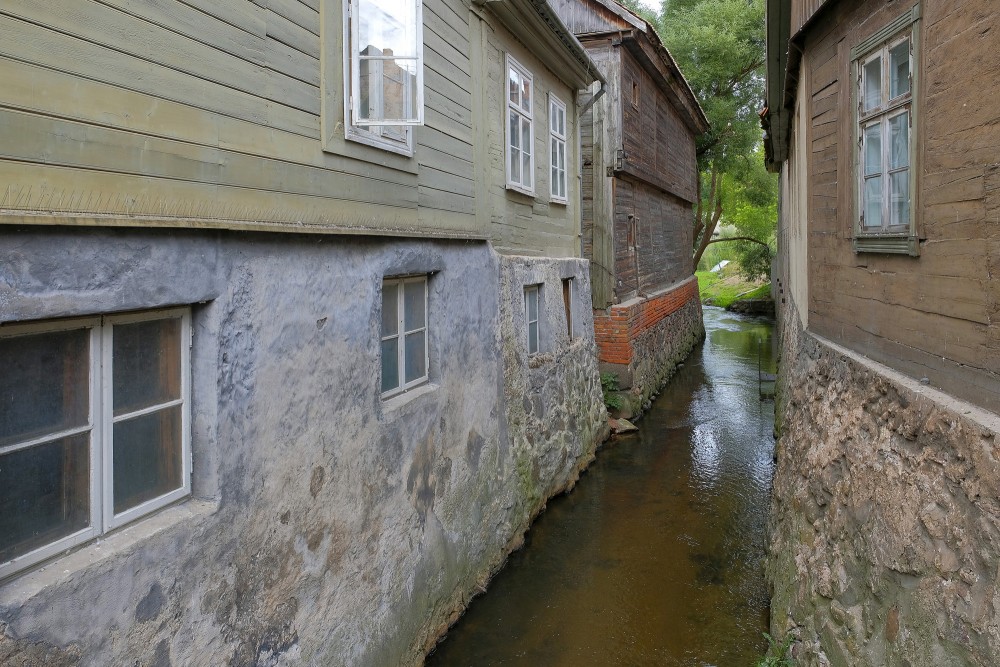
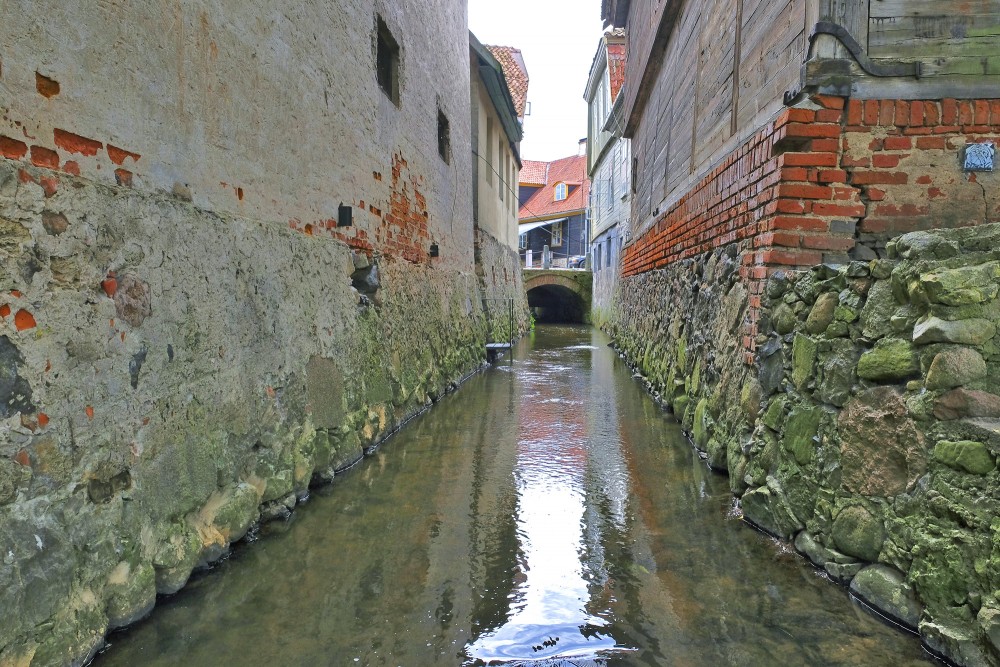
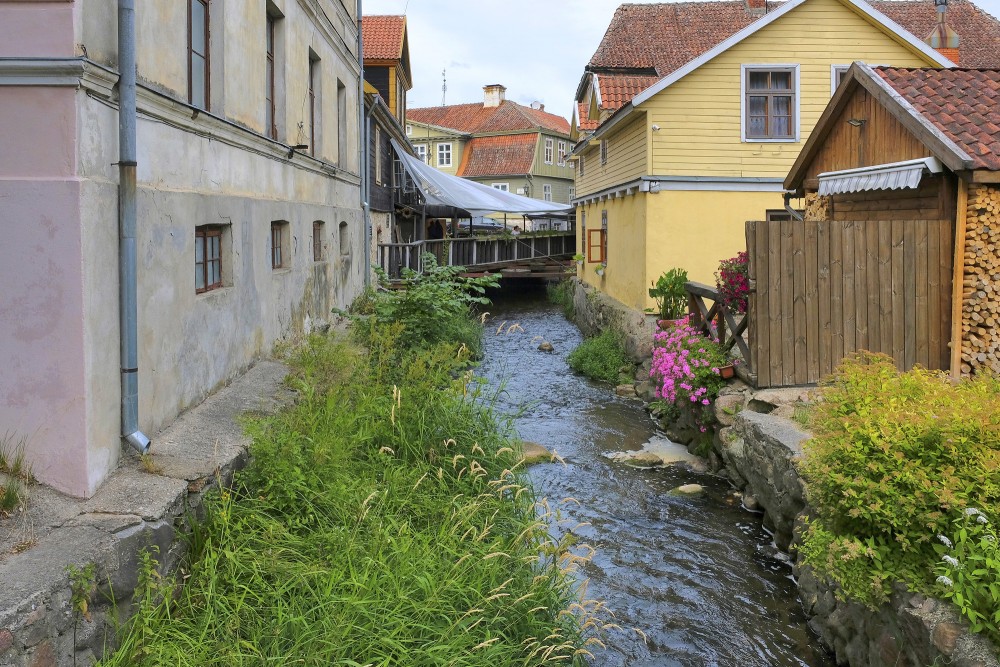
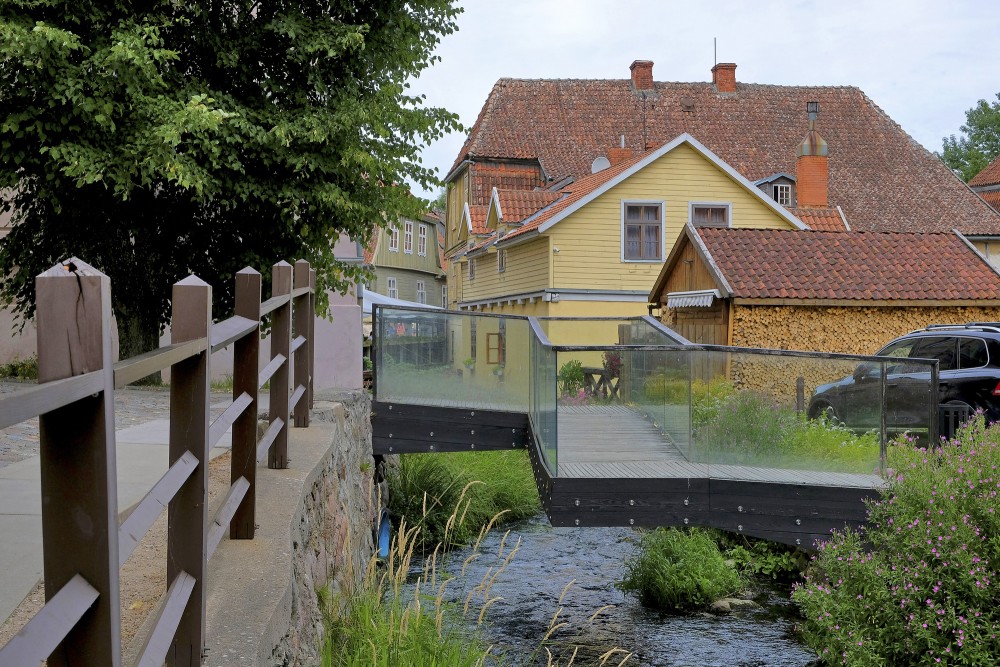
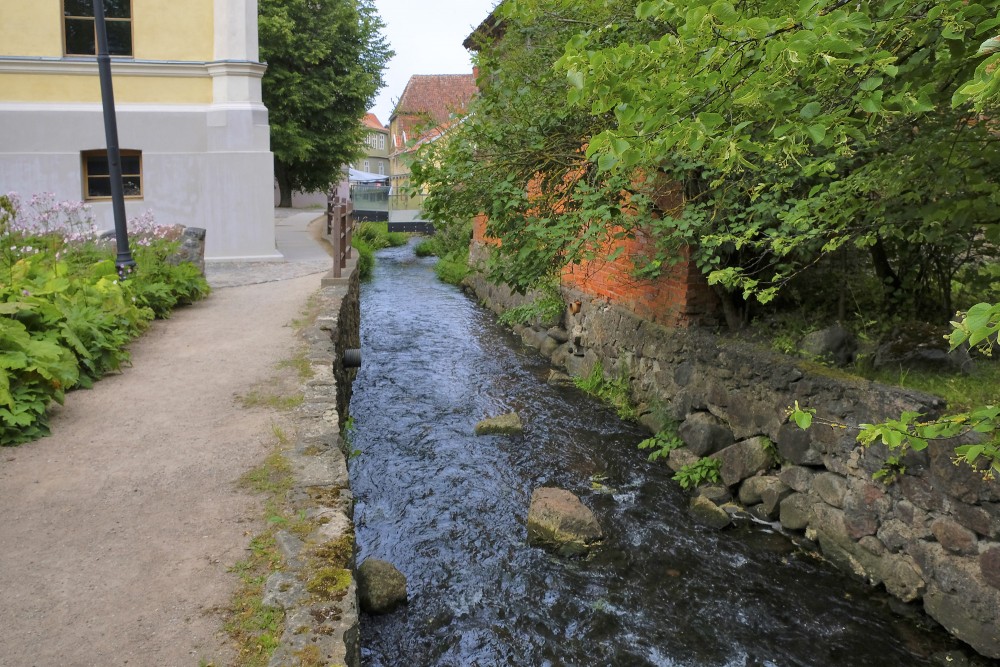
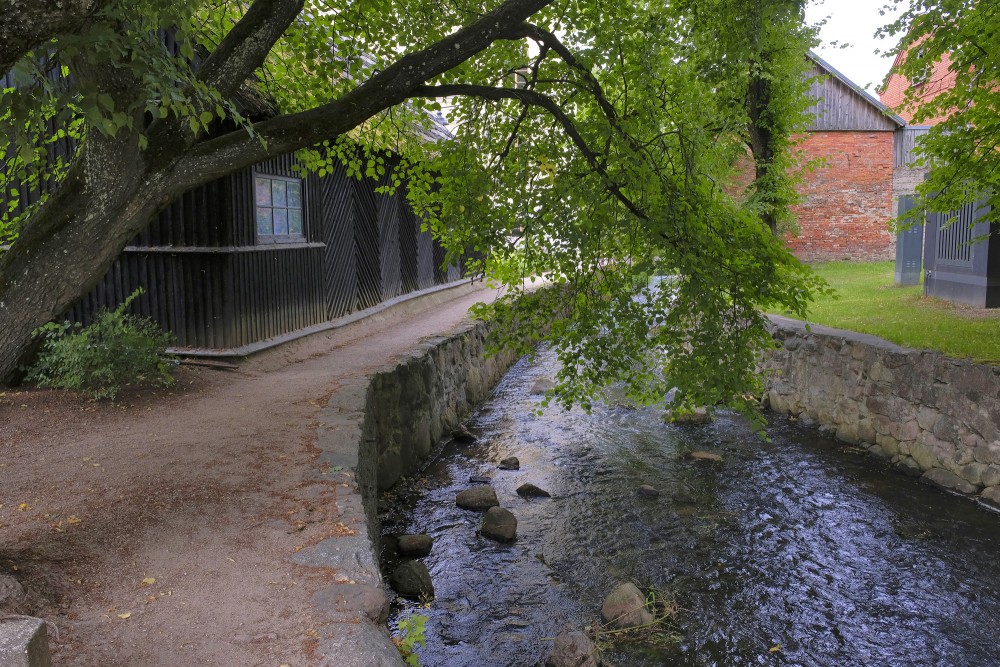
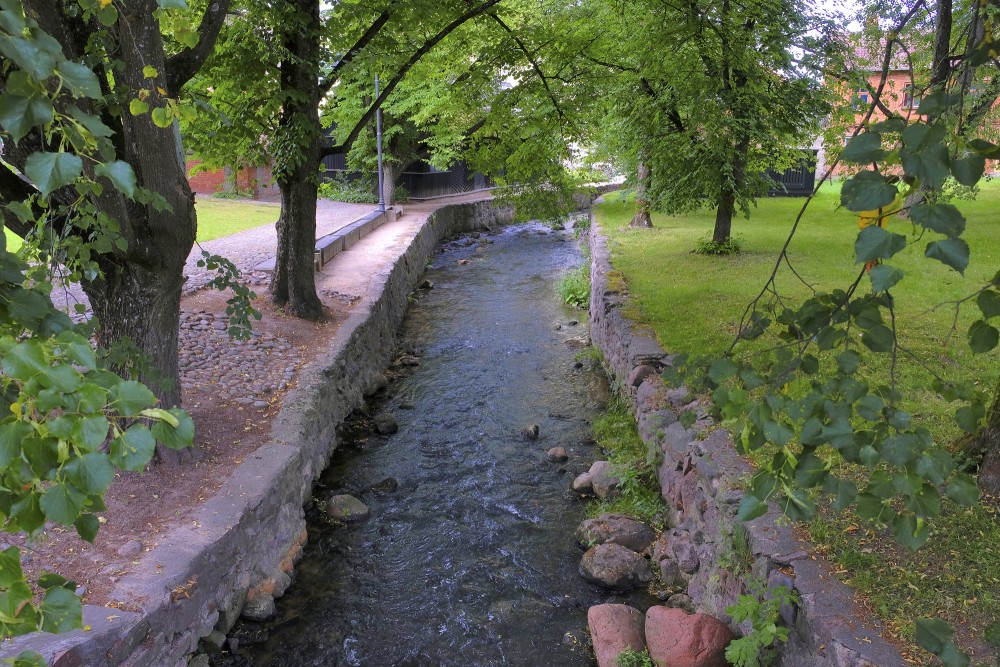
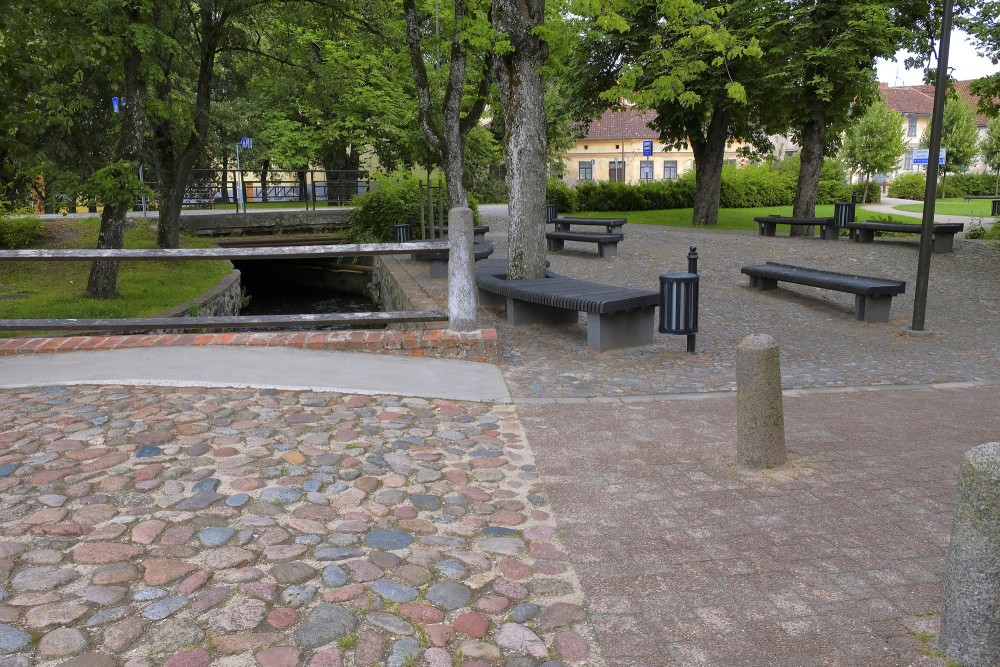
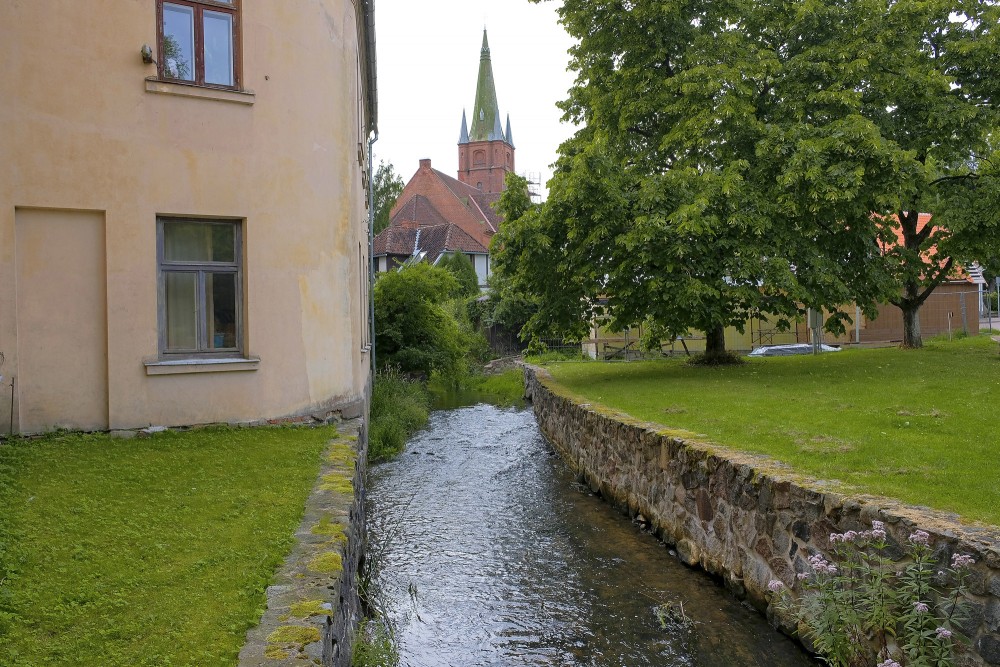
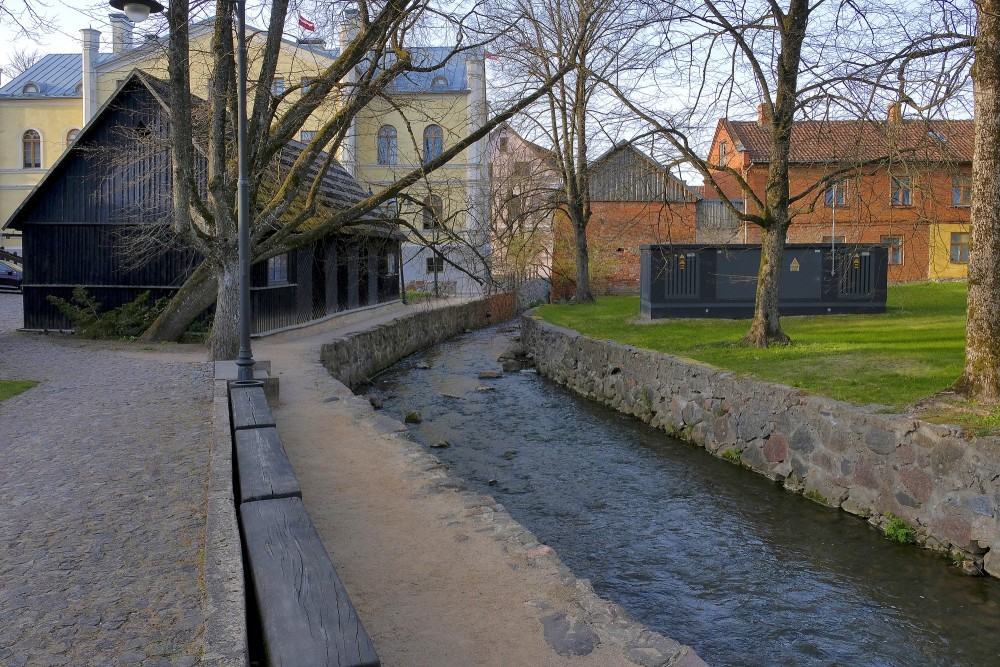
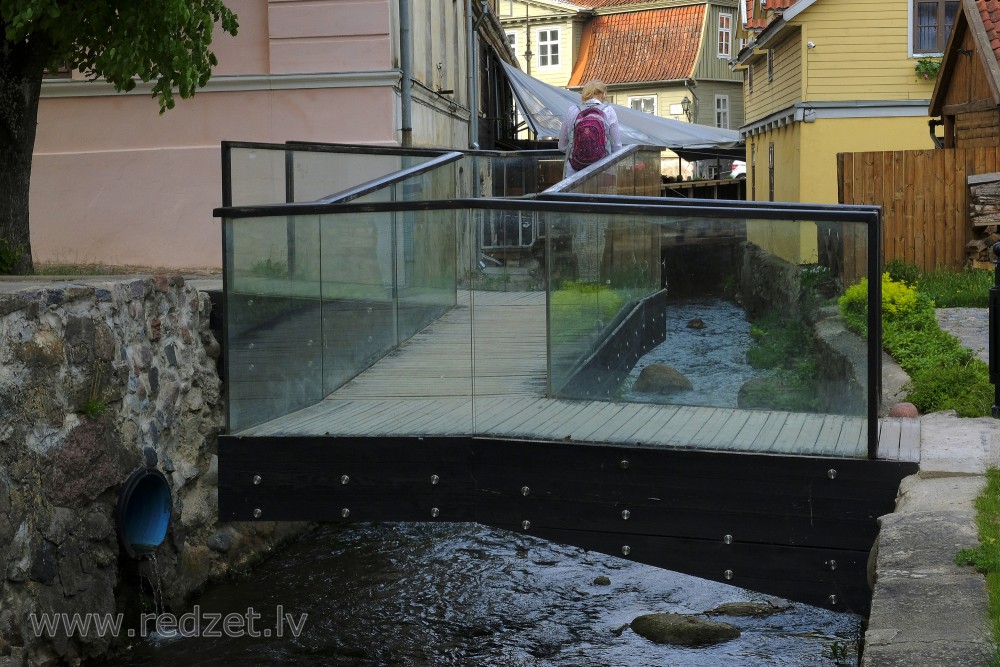
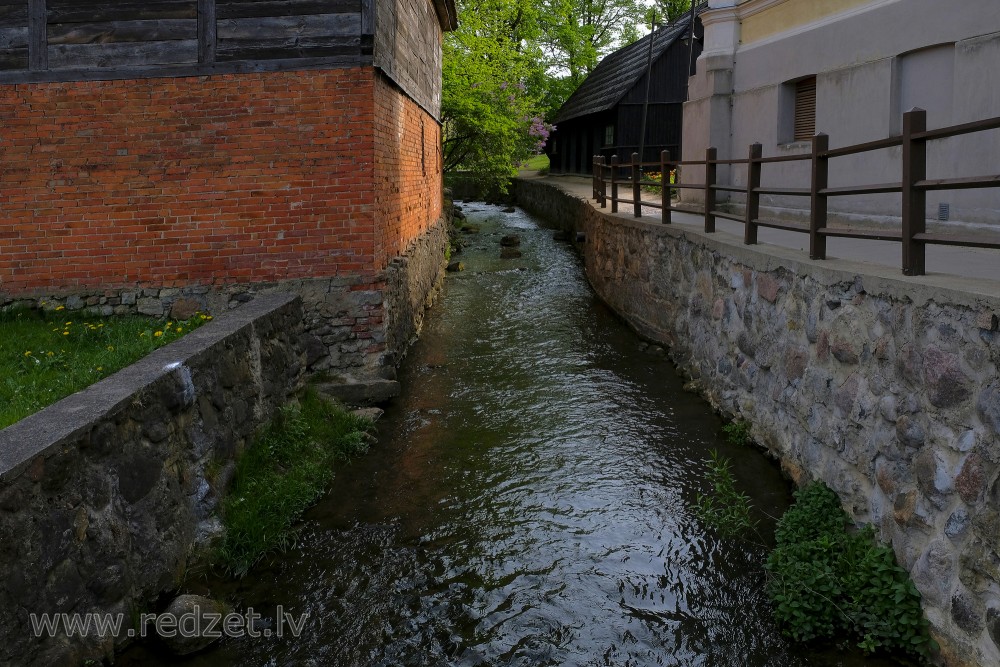
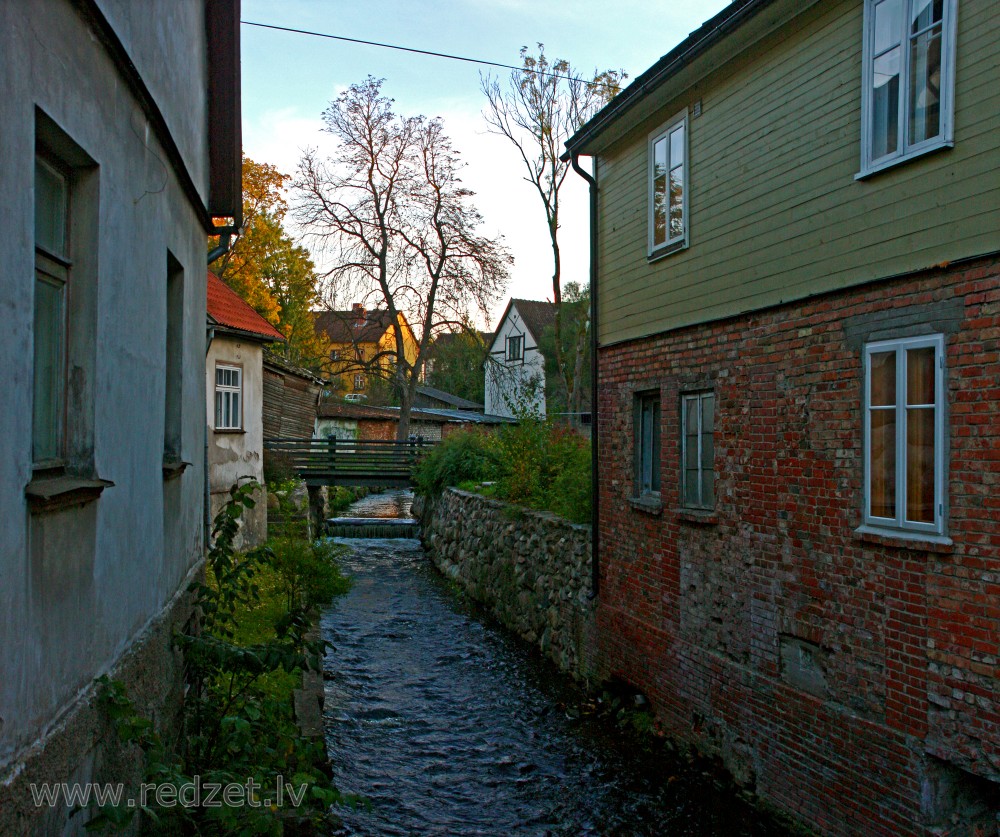
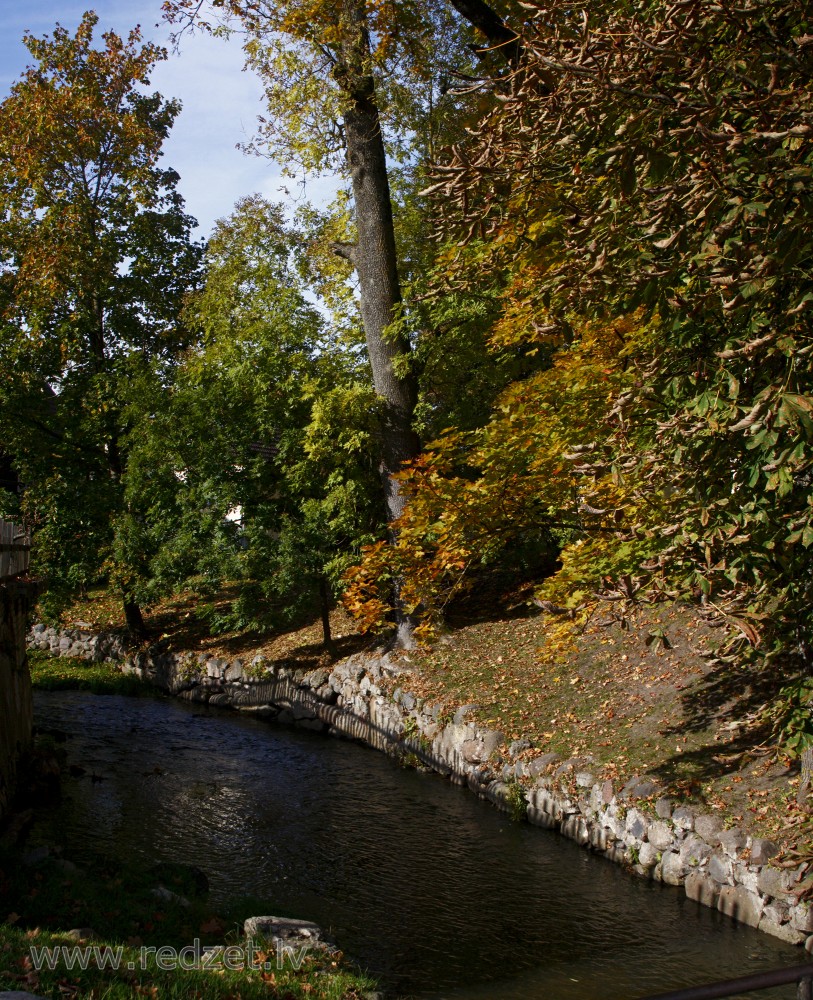
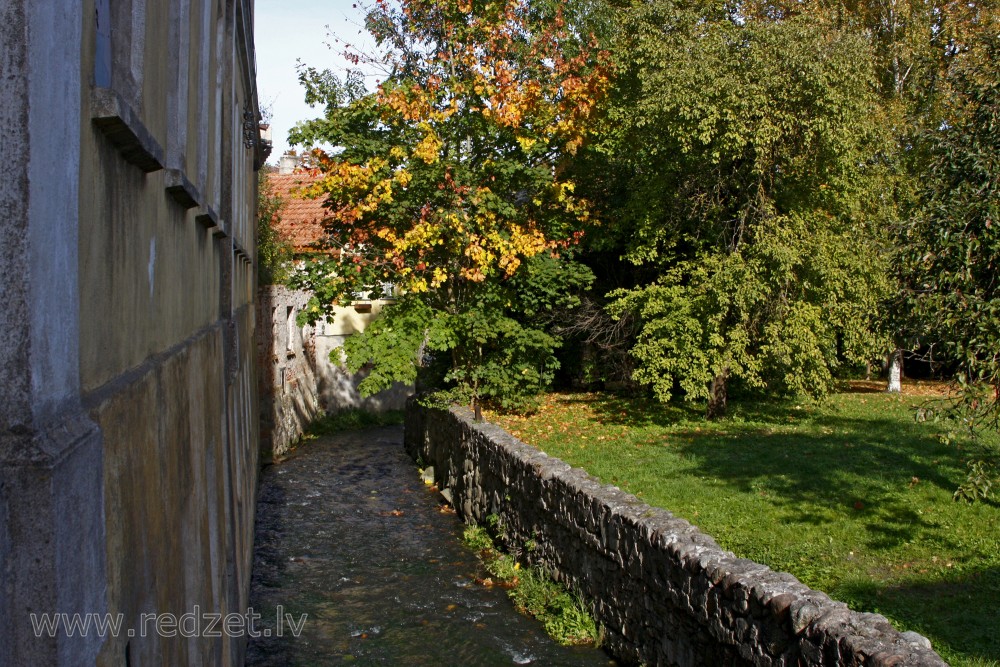
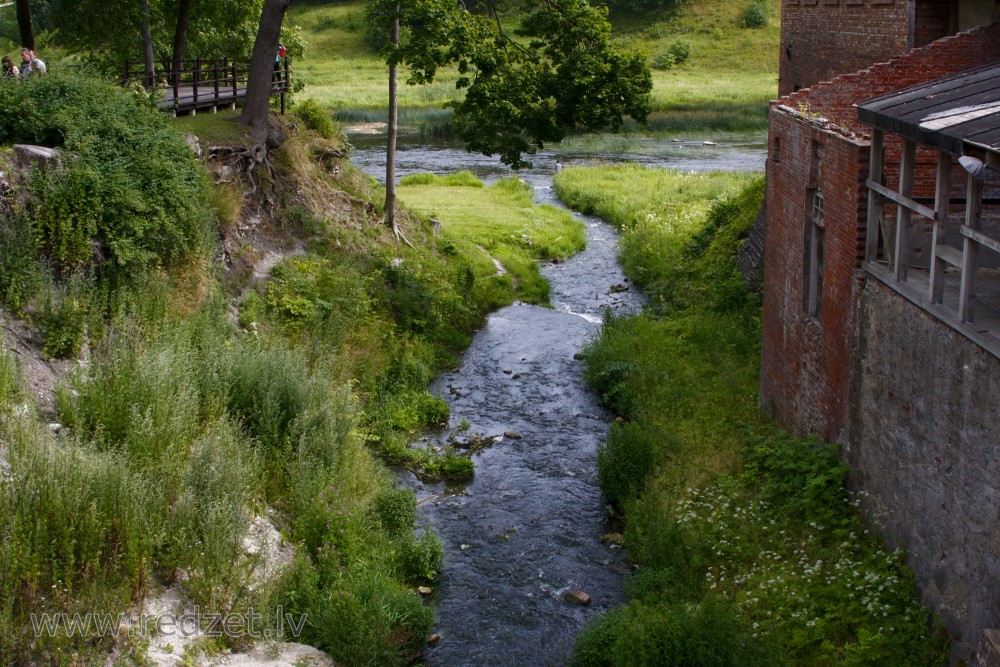
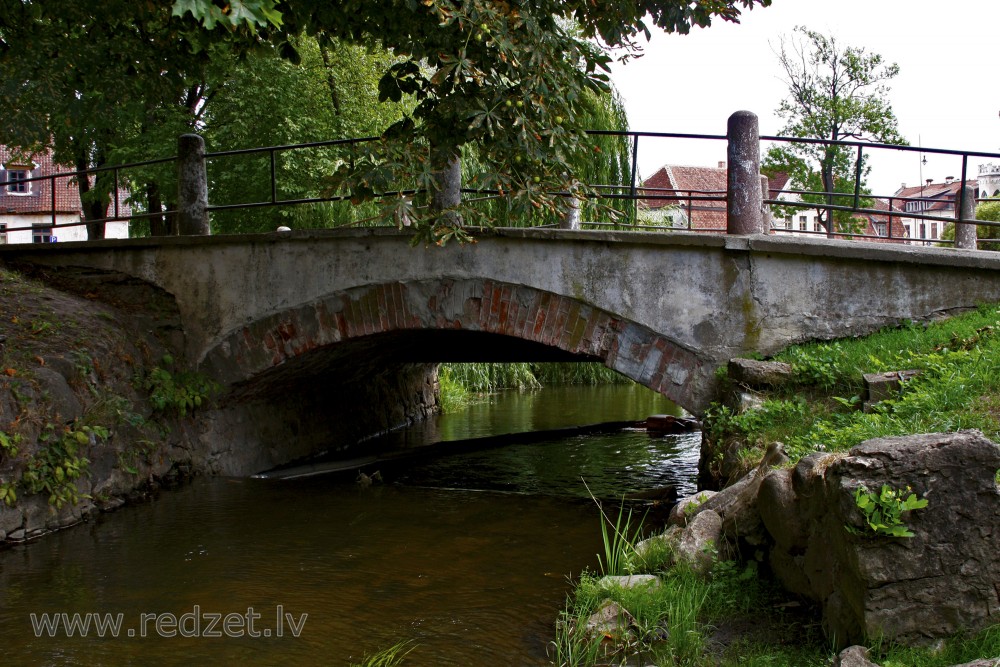
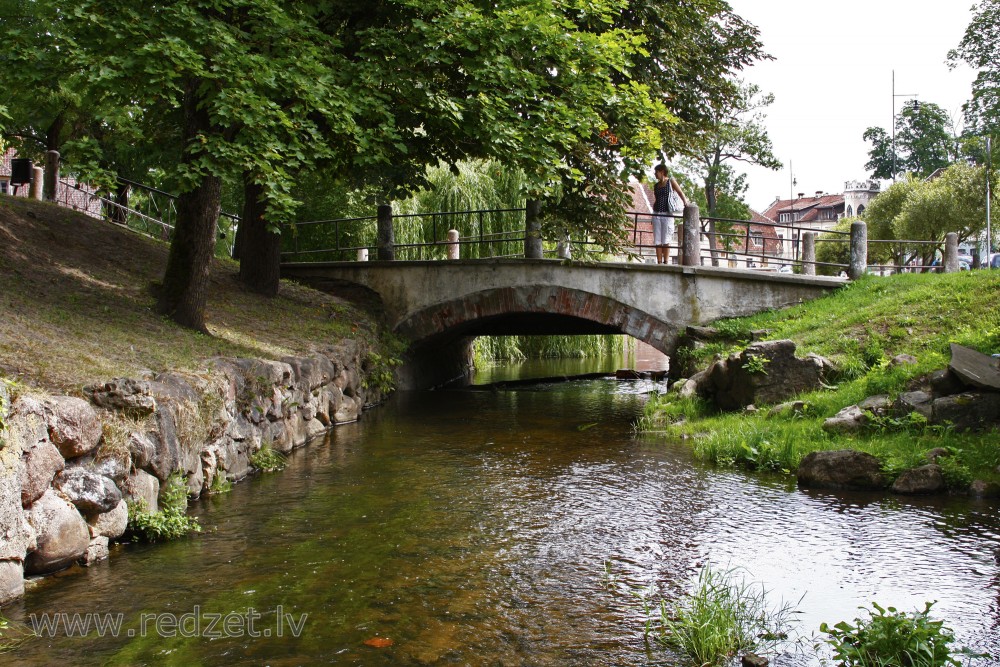
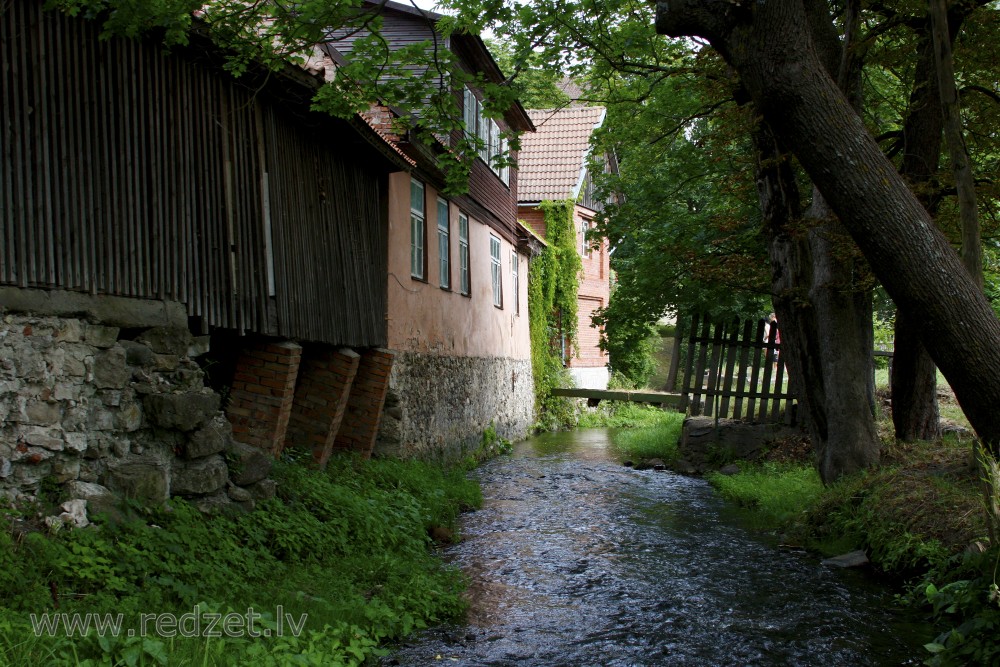
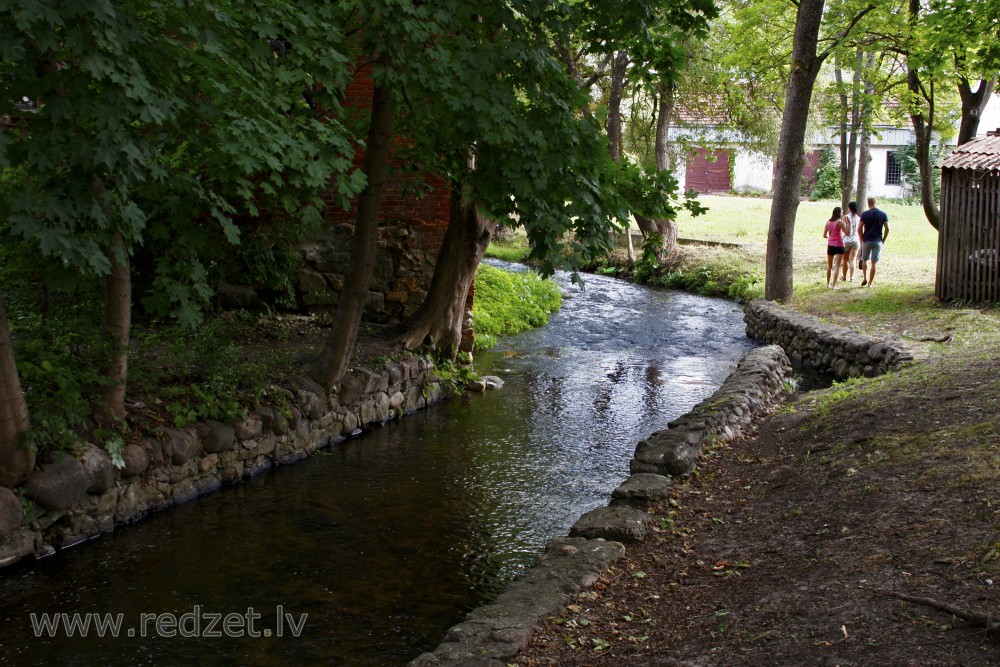
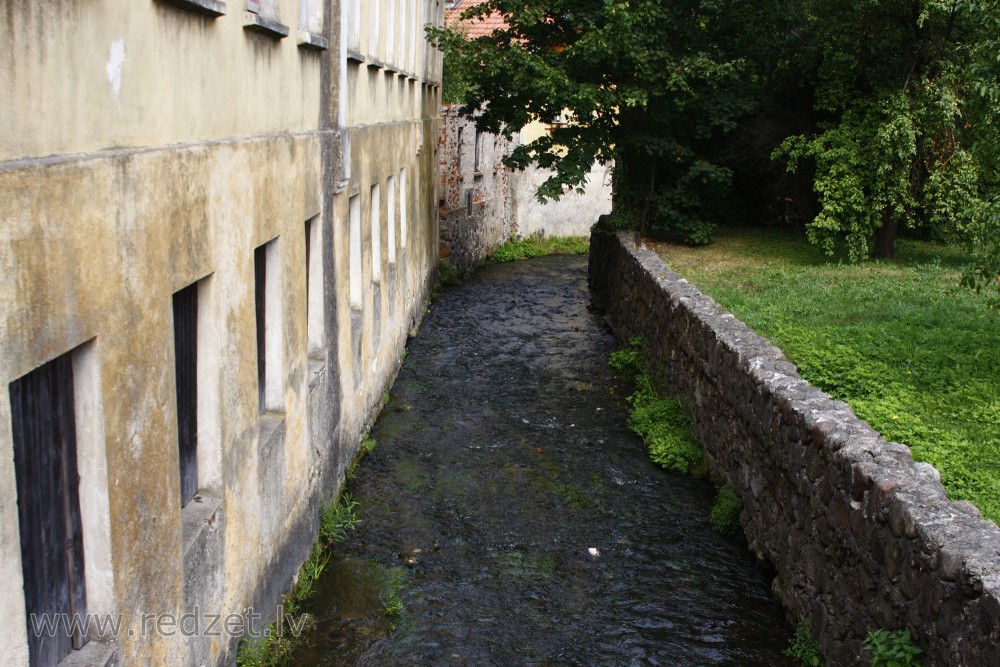
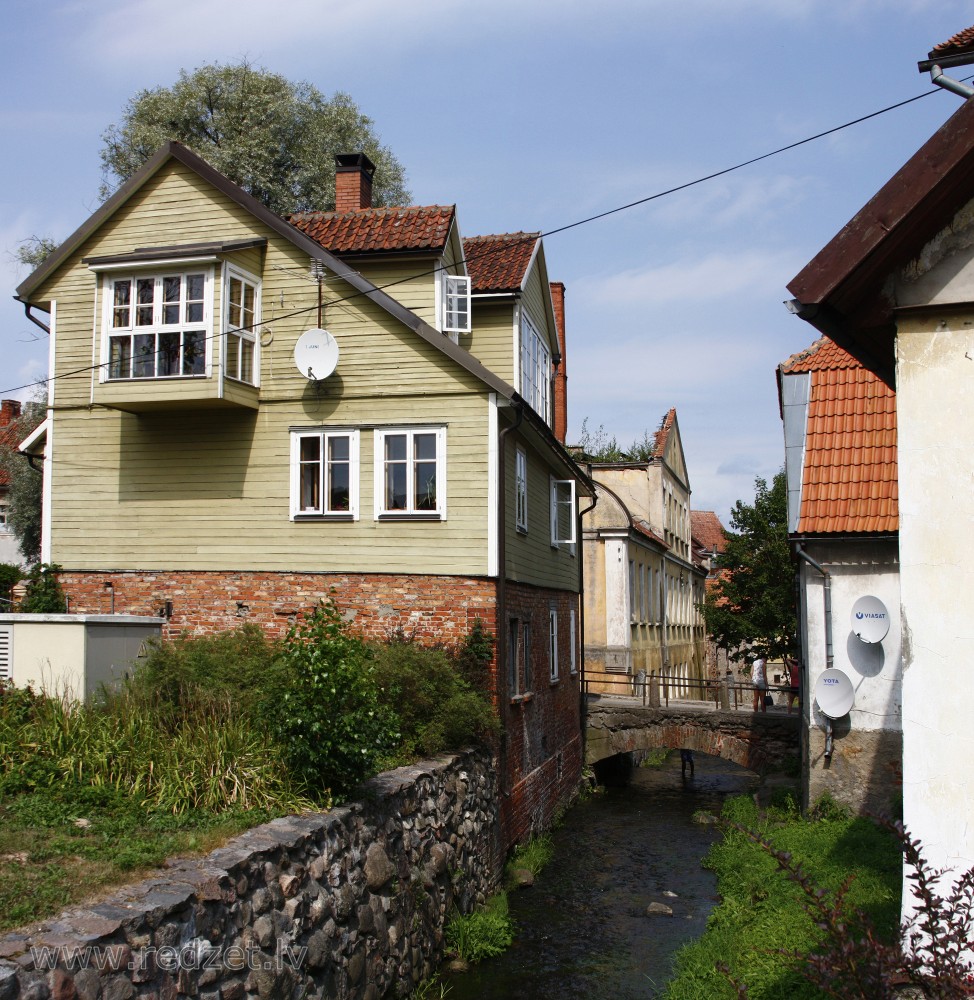
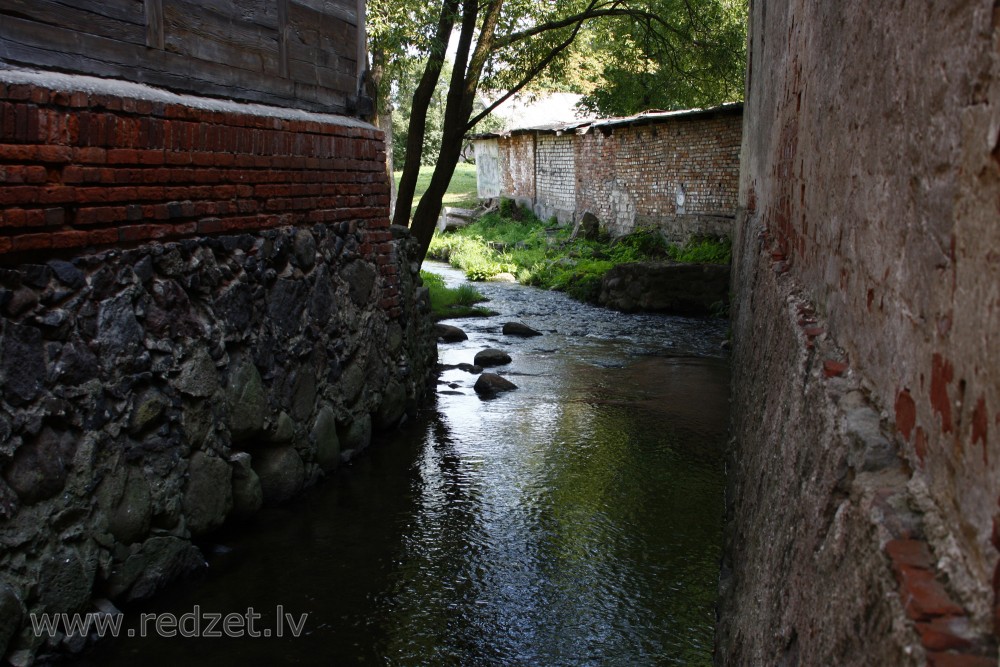
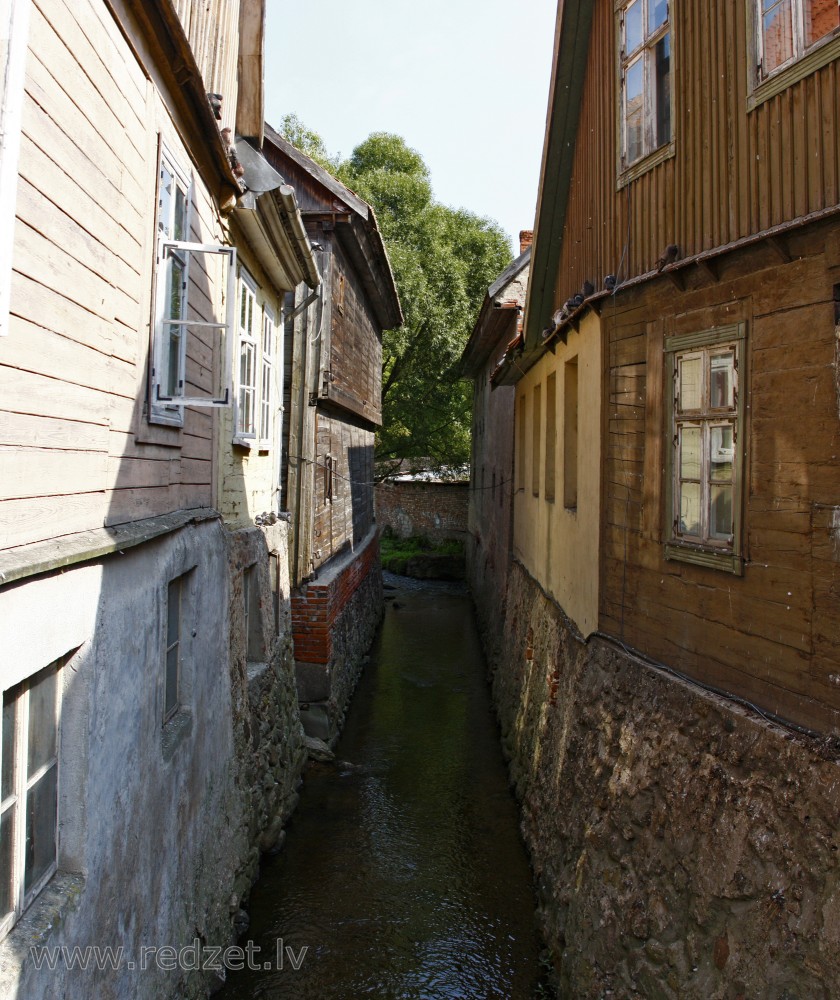
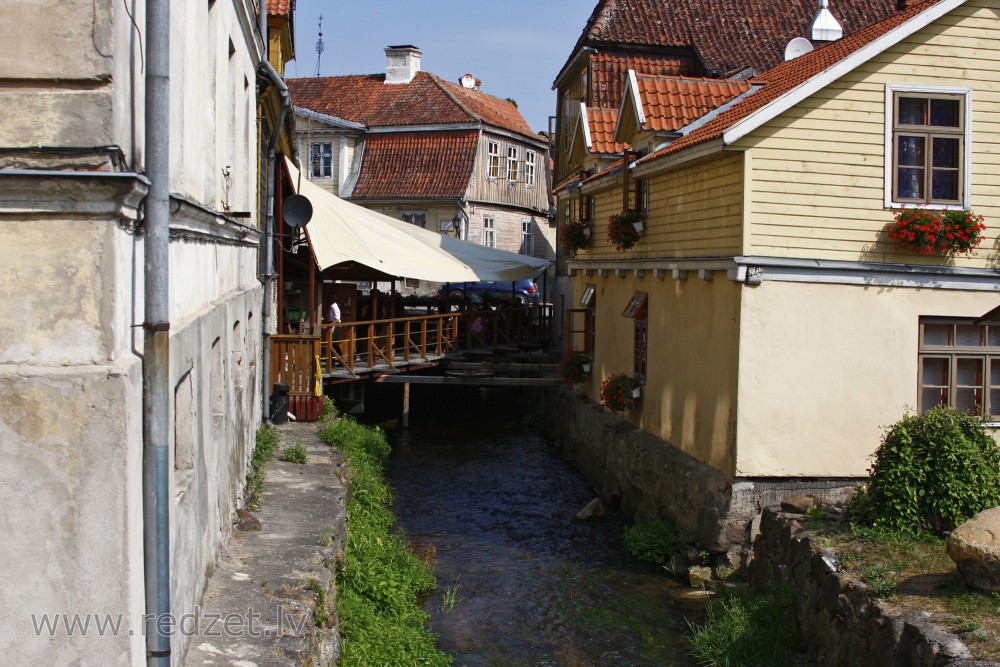
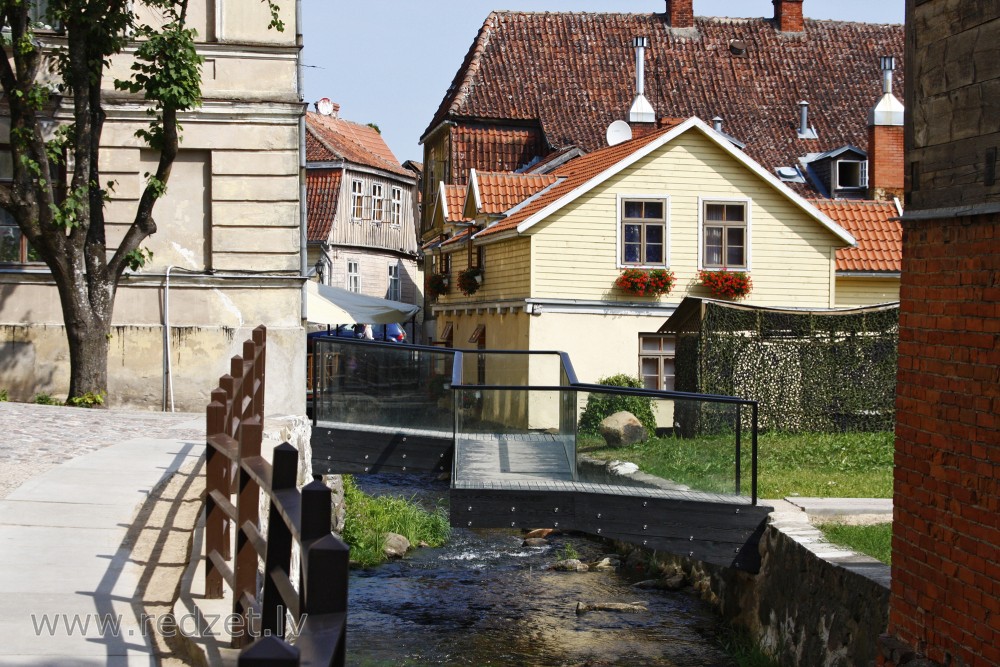
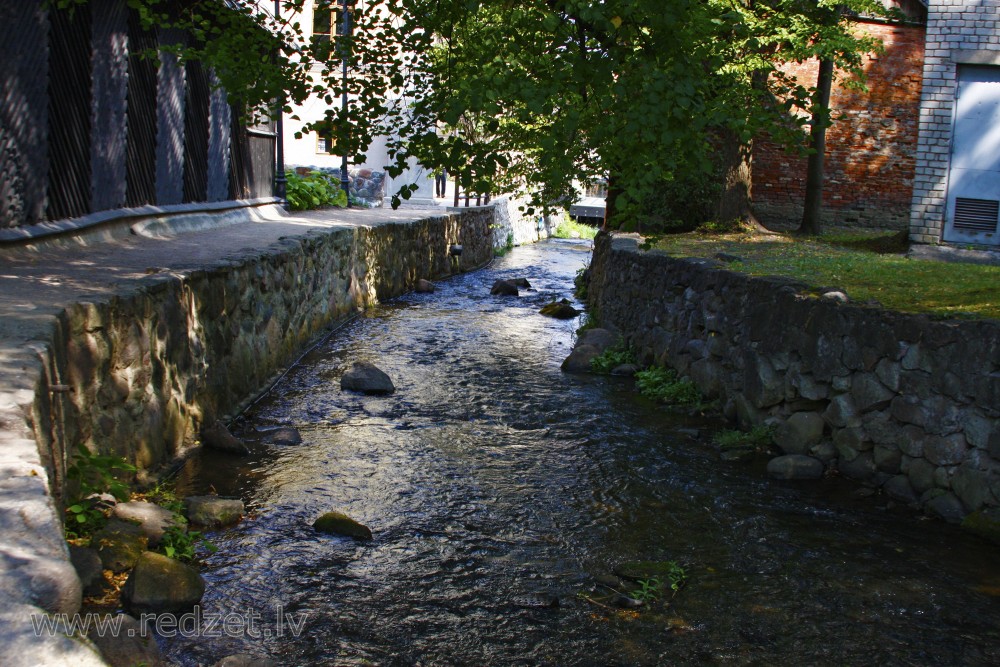
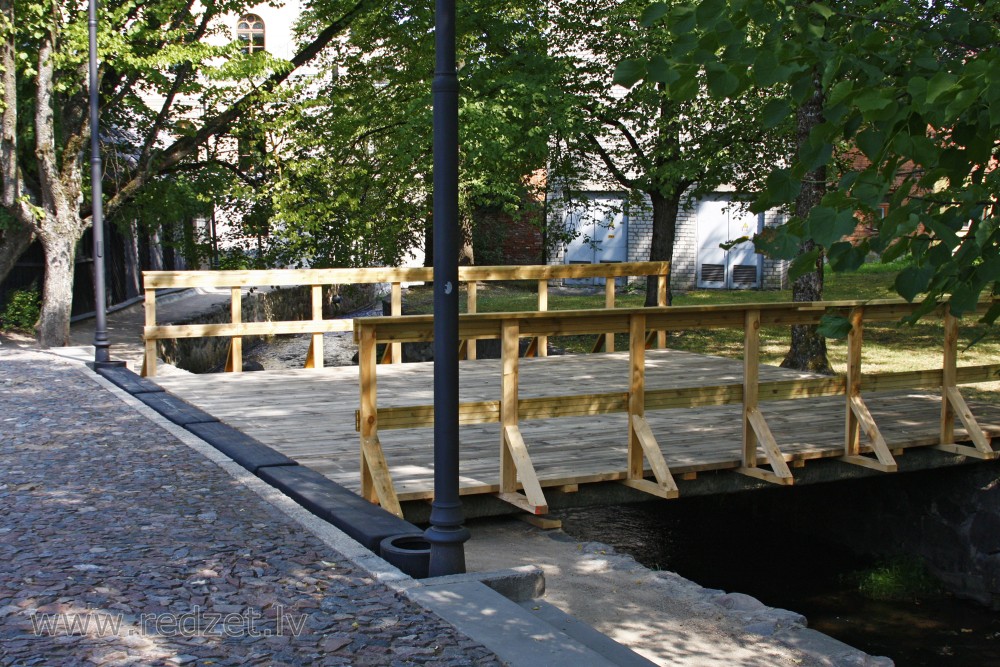
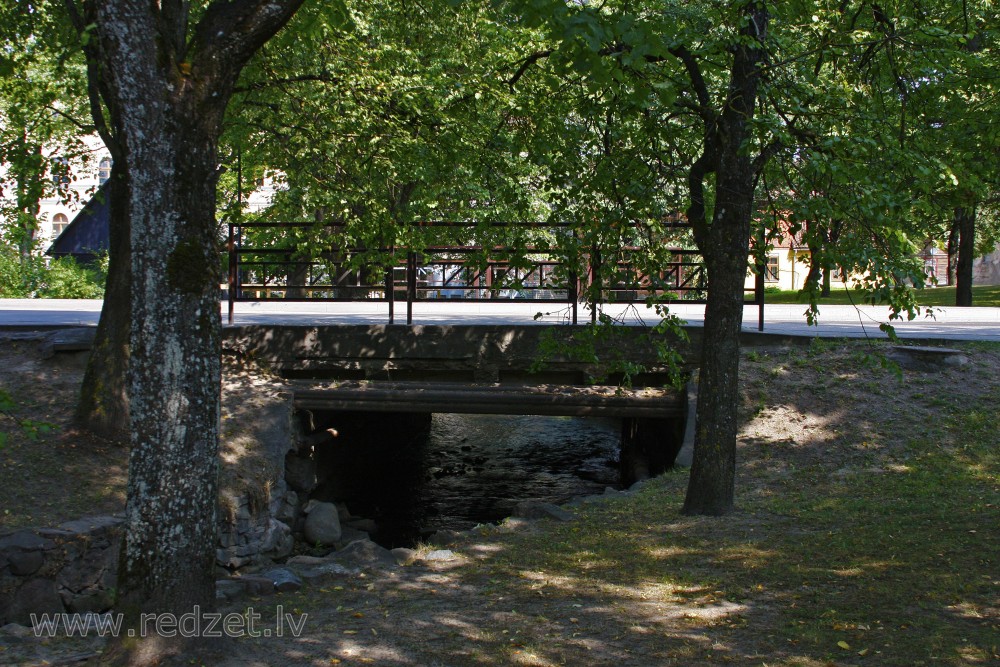
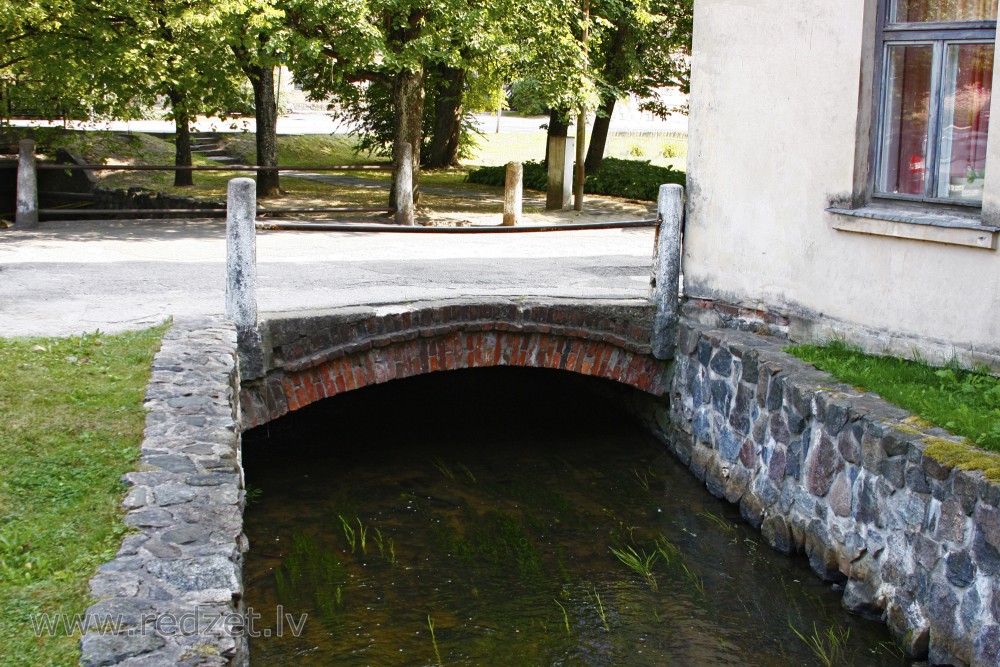
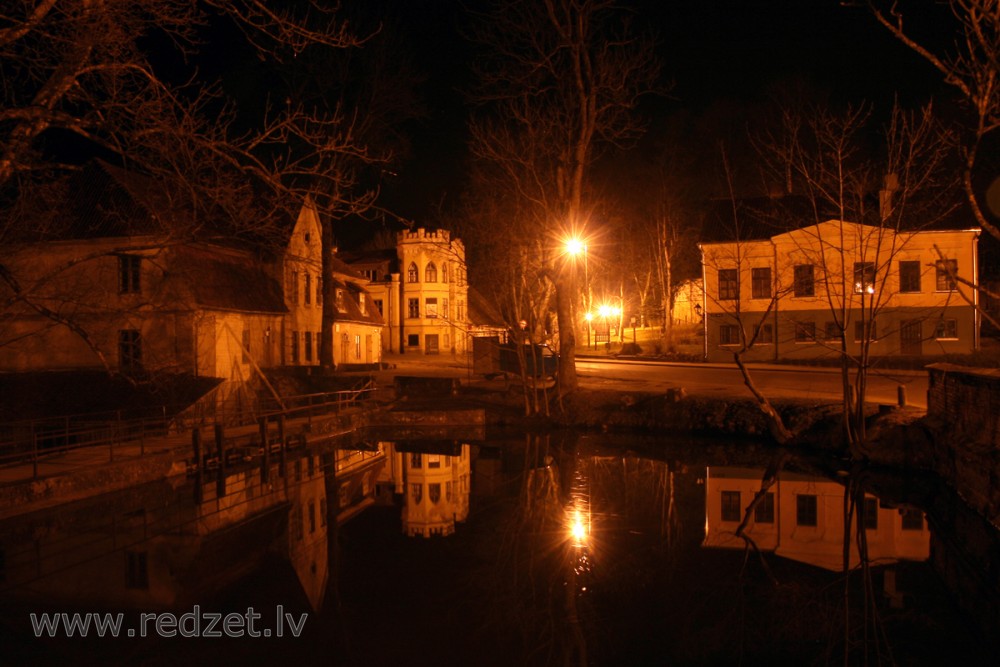
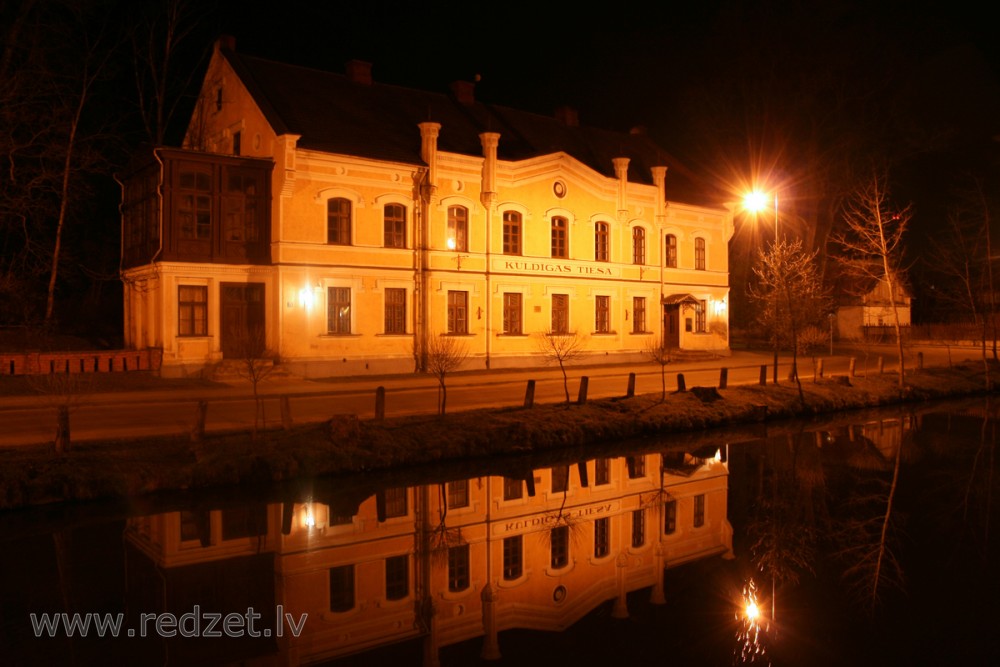
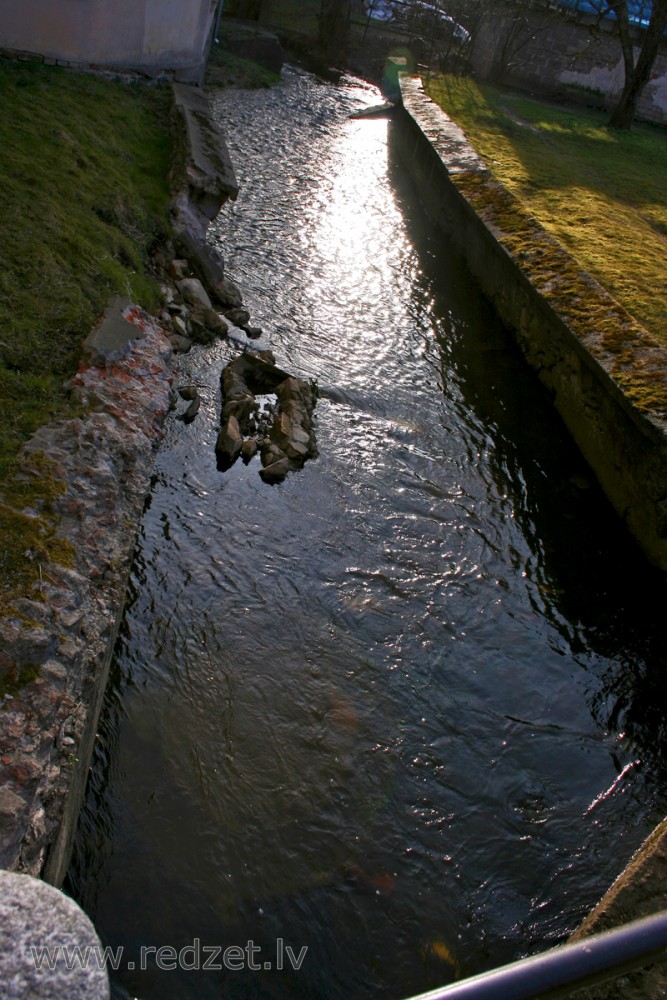
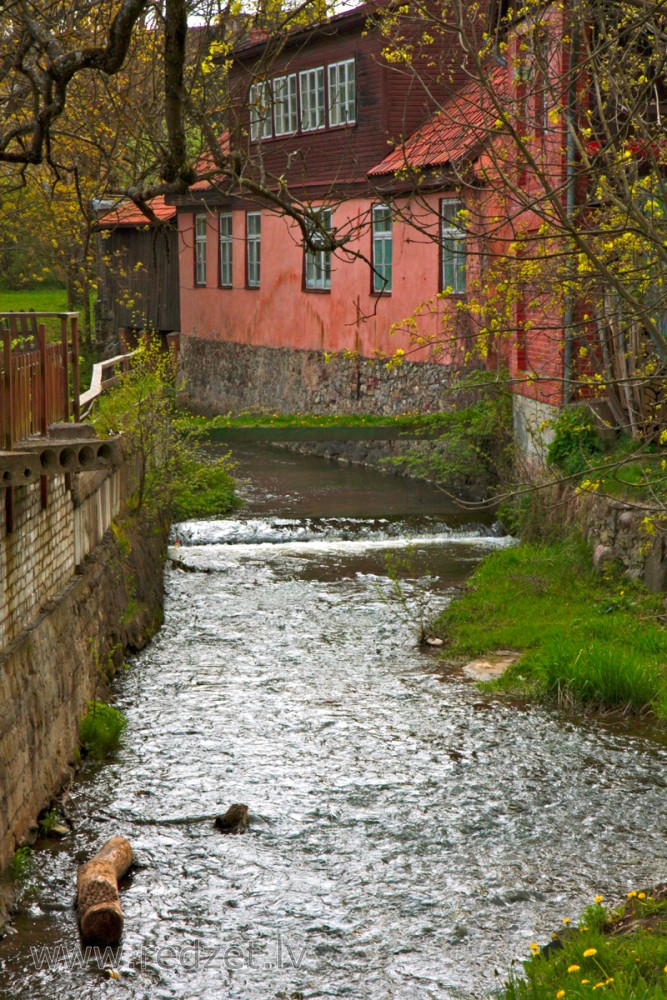
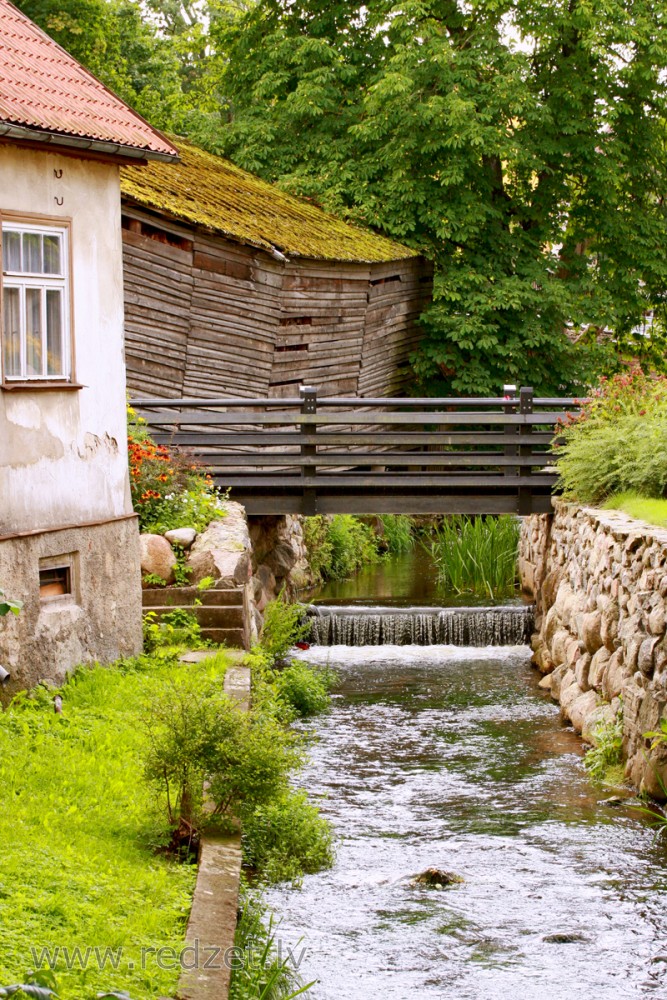
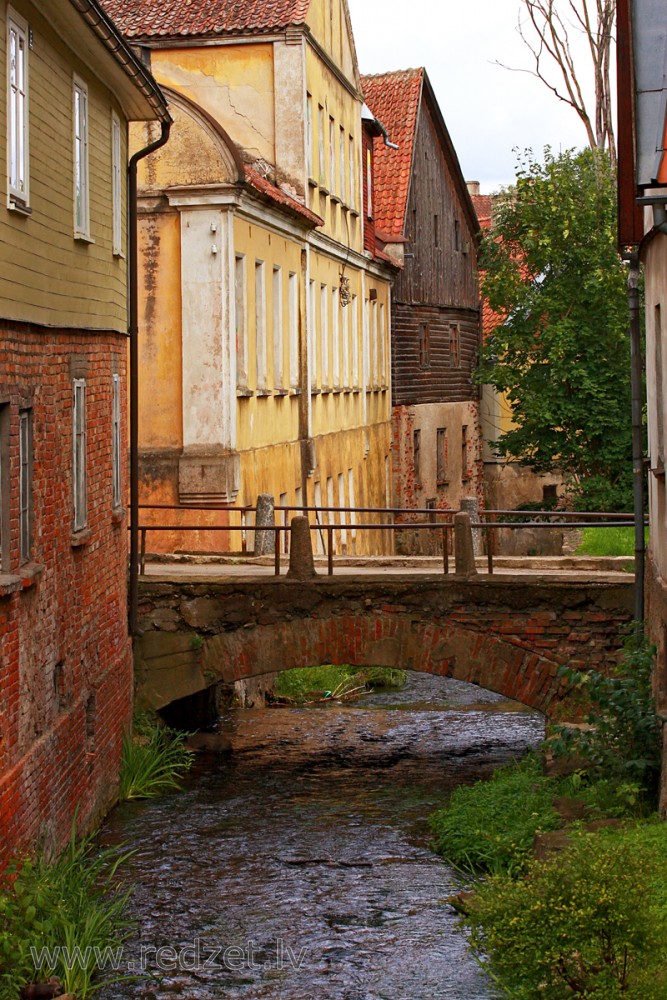
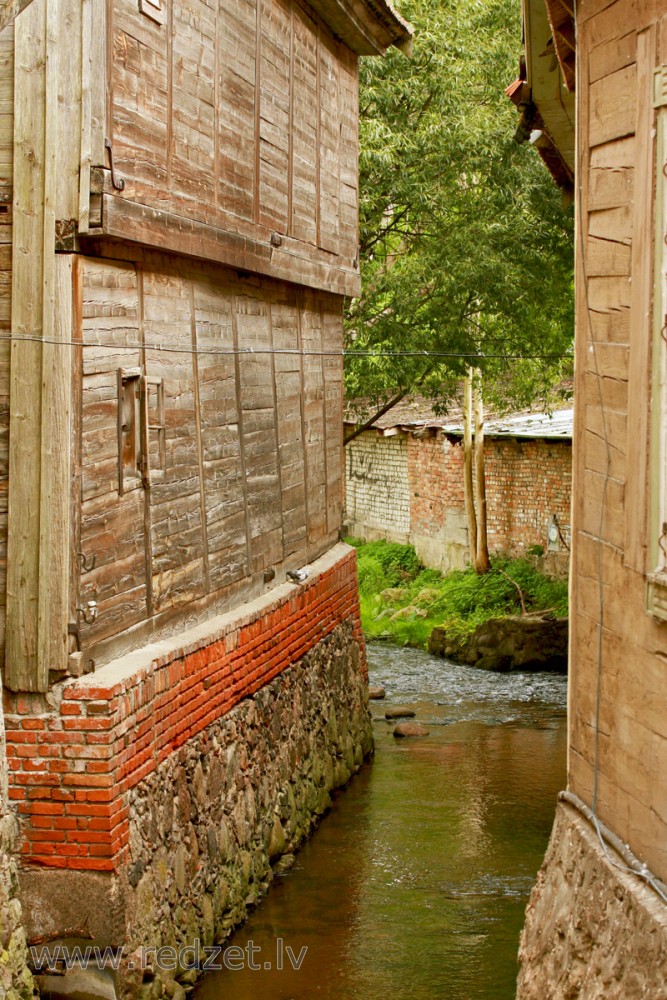
The small Alekšupīte stream flows through the Old Town, in places running directly beside historic buildings and beneath small bridges. This close relationship between water and architecture is one reason Kuldīga is sometimes called the “Venice of Latvia”.
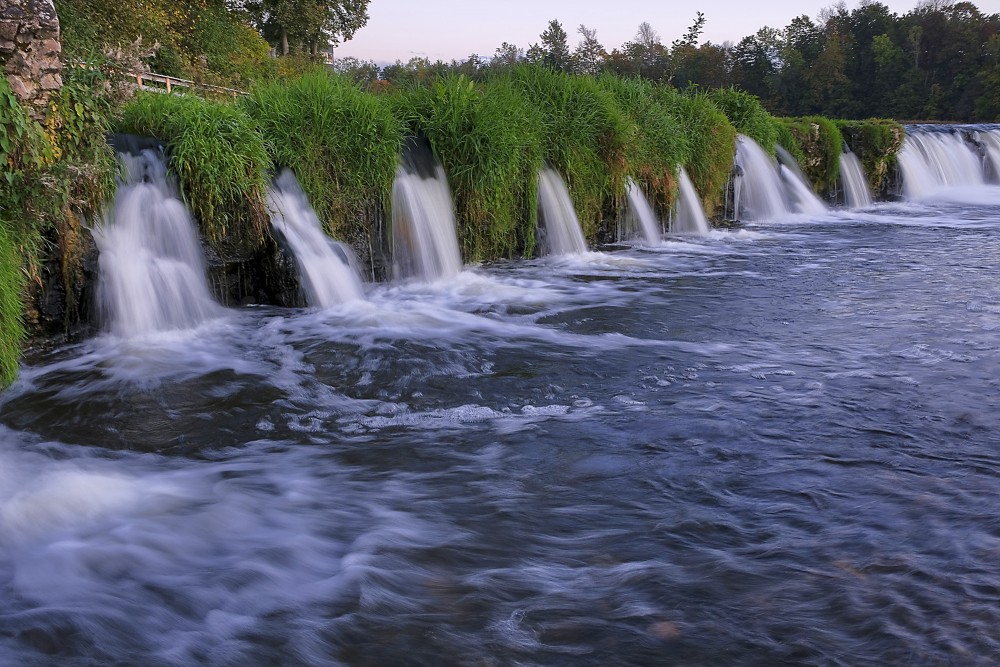
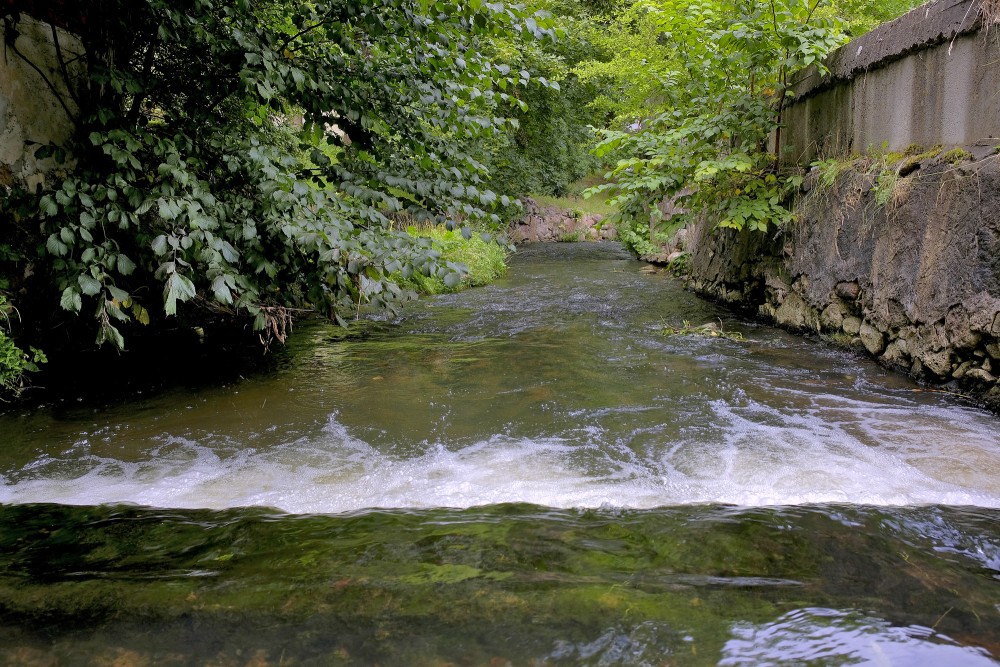
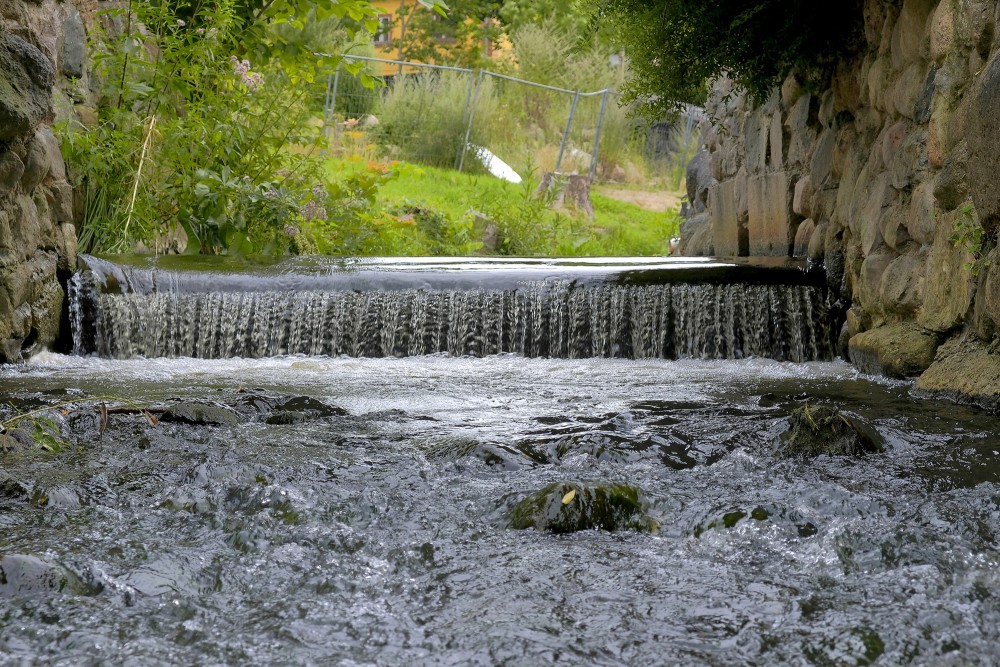
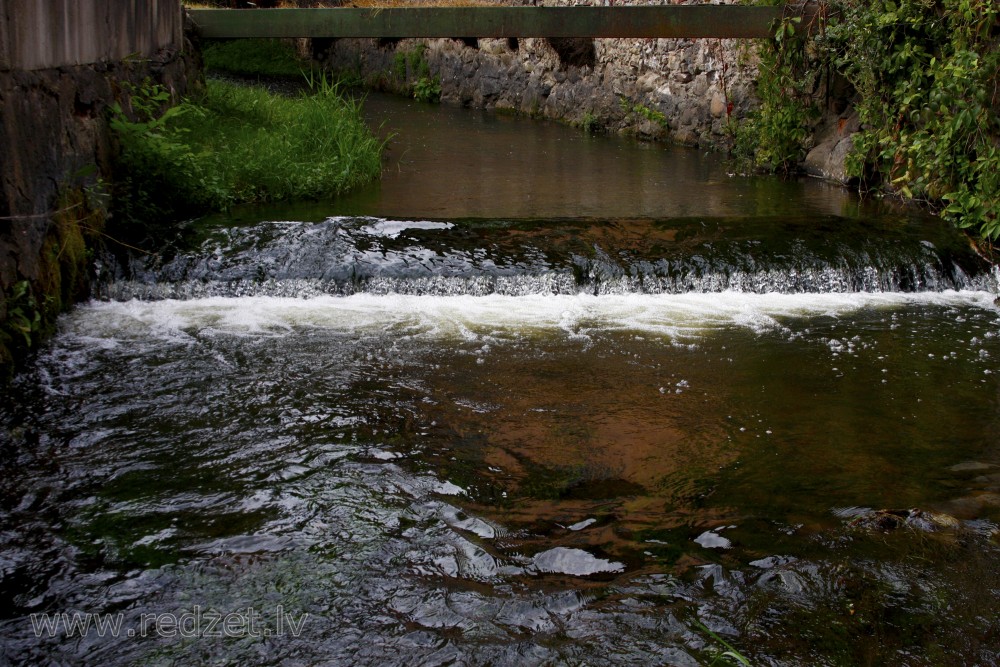
The Alekšupīte waterfall is another easily accessible natural attraction within the historic town environment.
Parks, gardens and walking areas
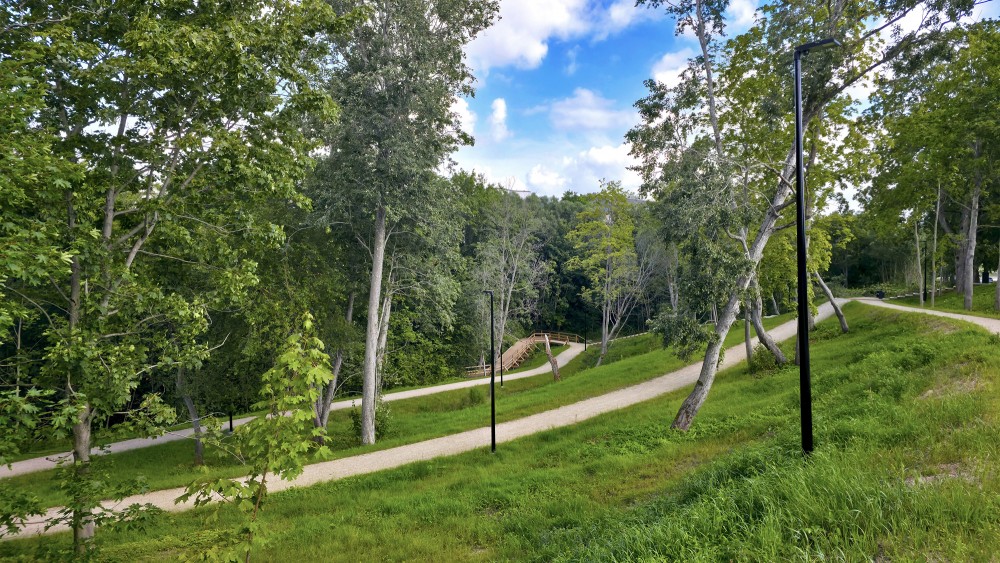
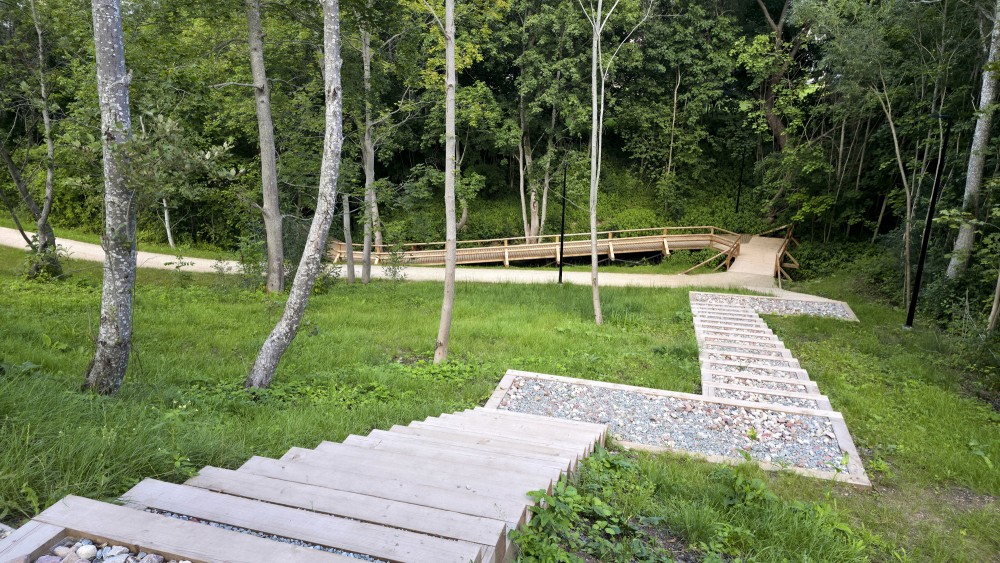
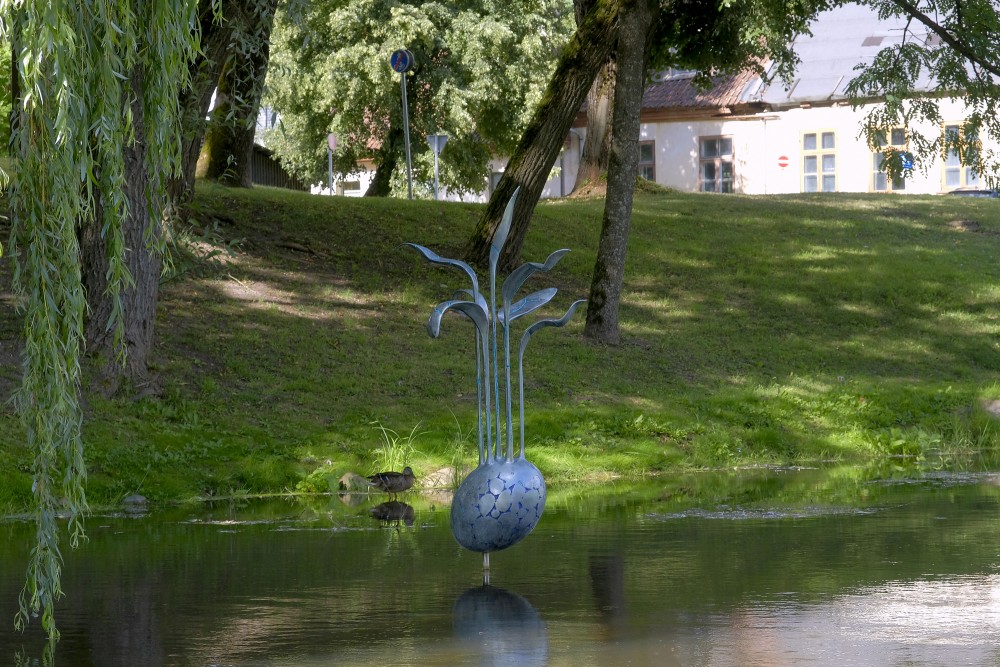
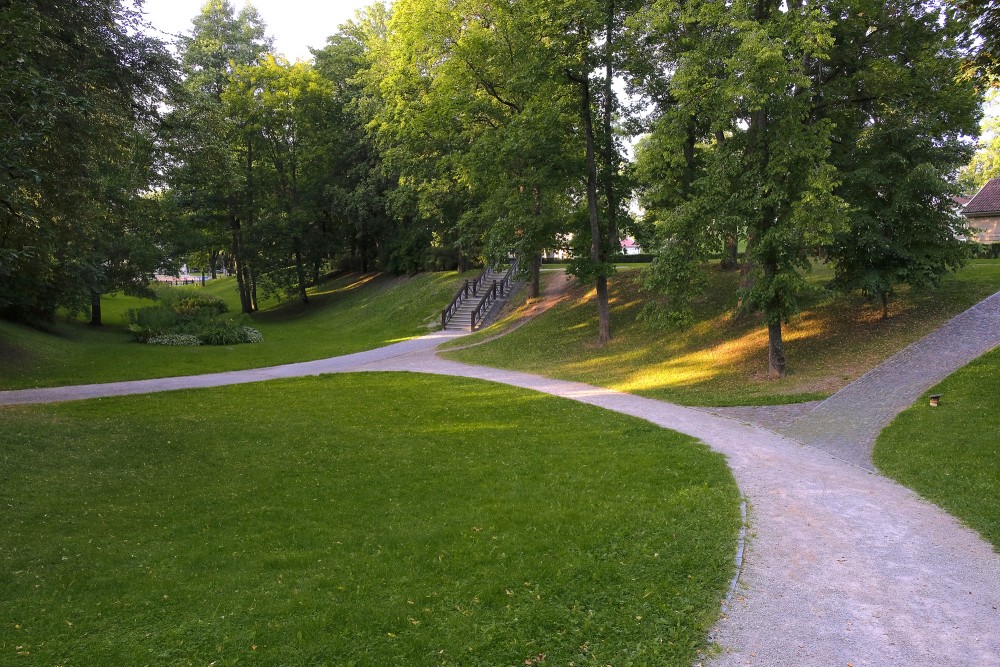
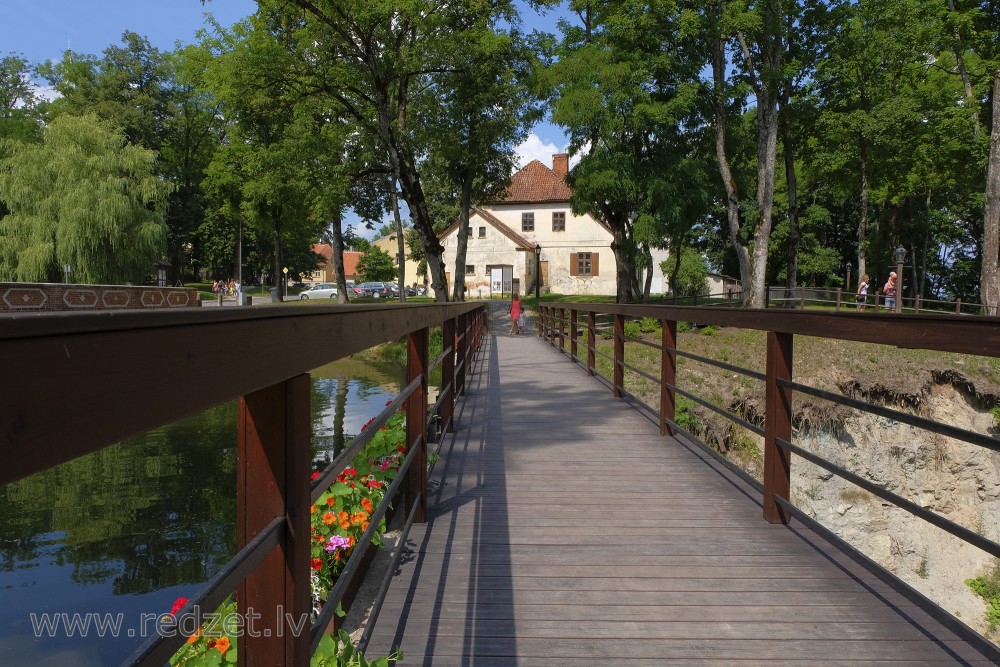
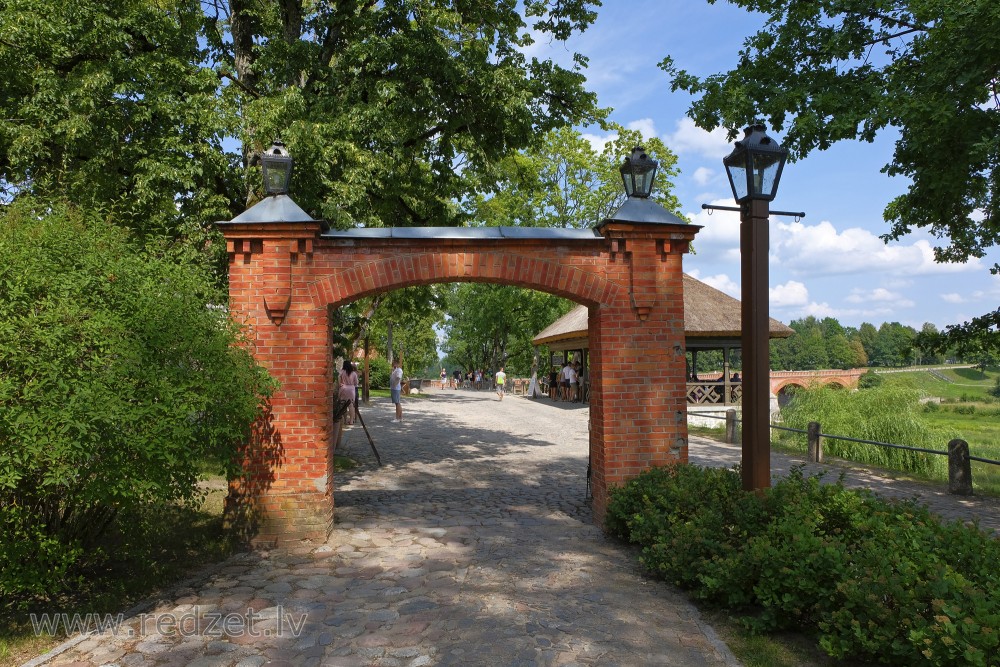
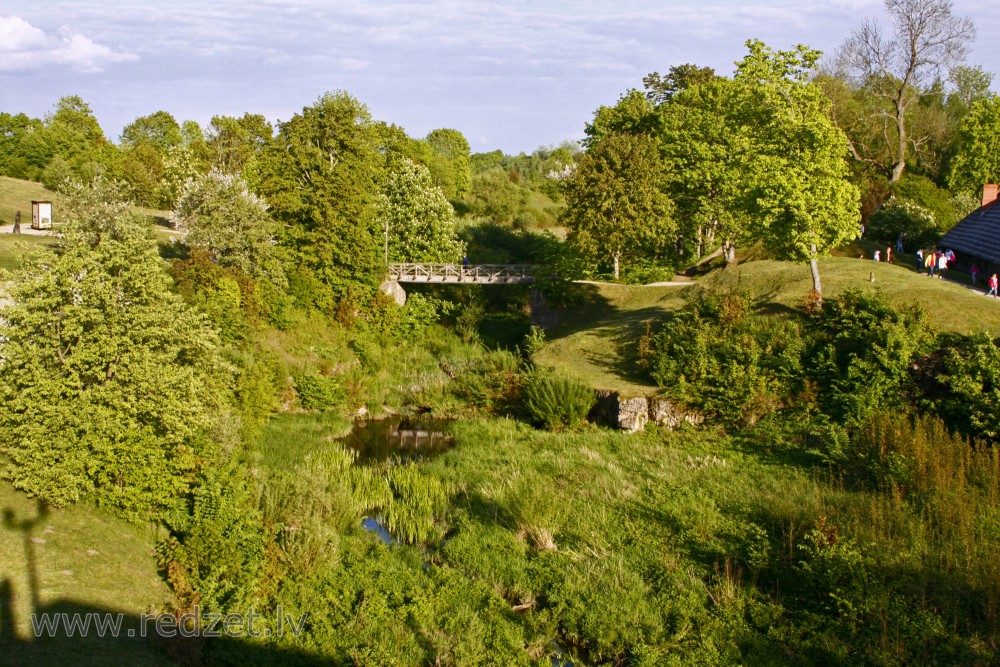
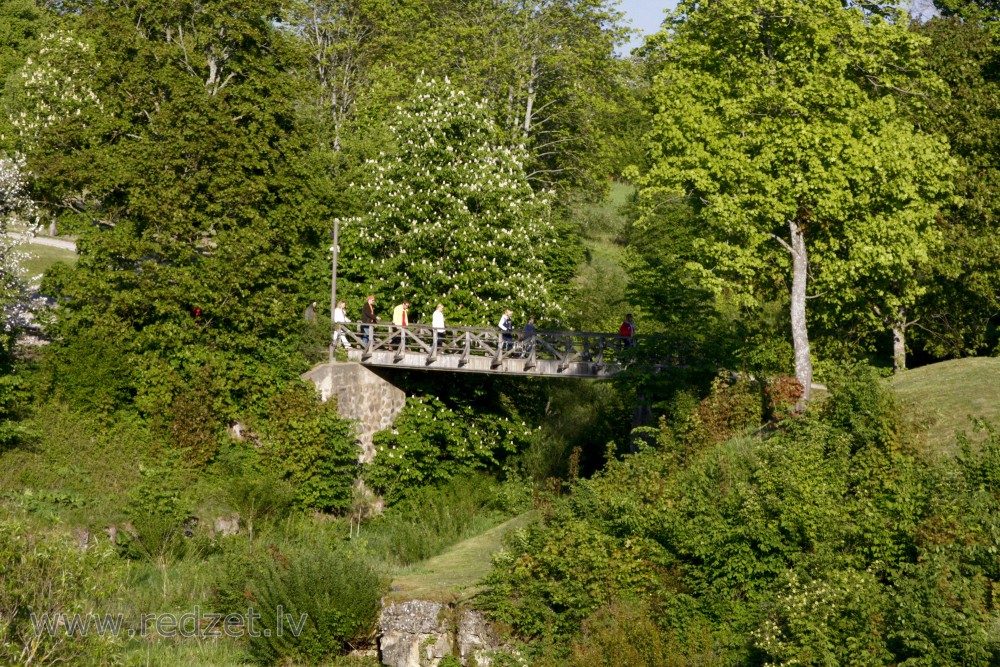
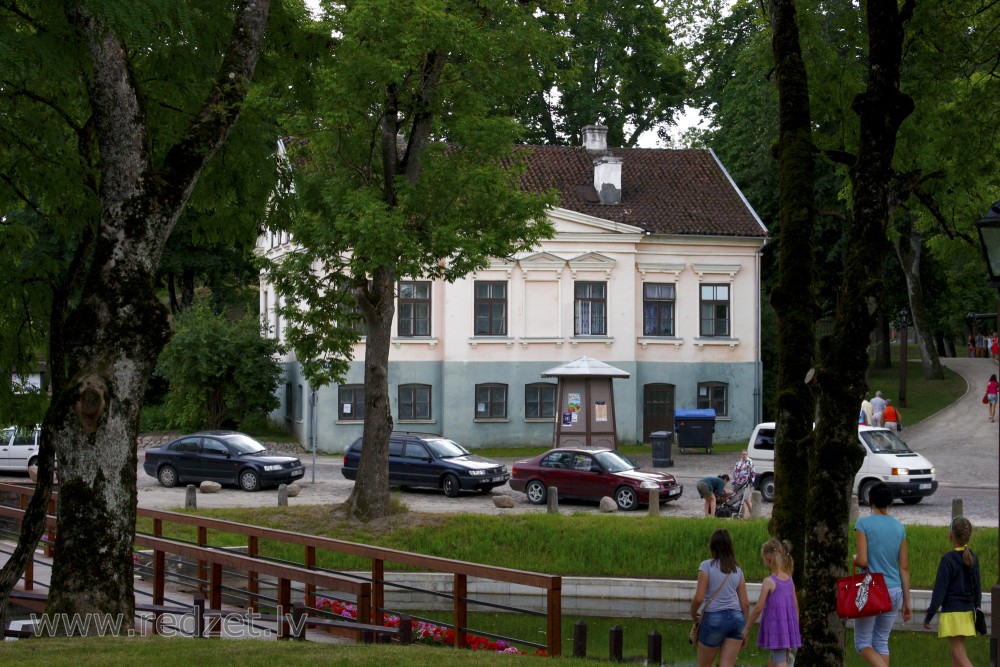
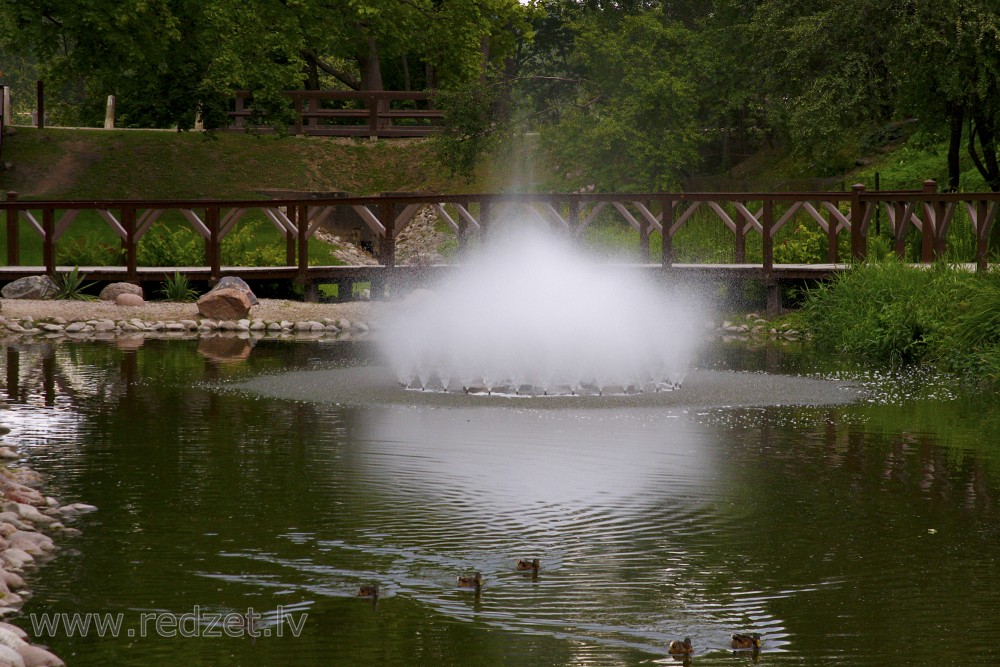
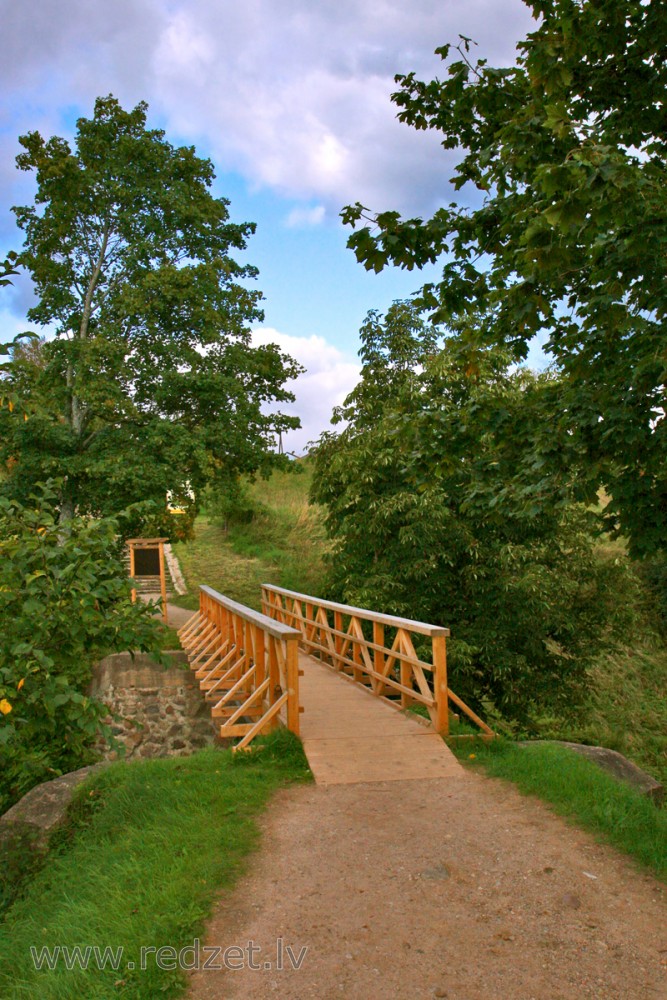
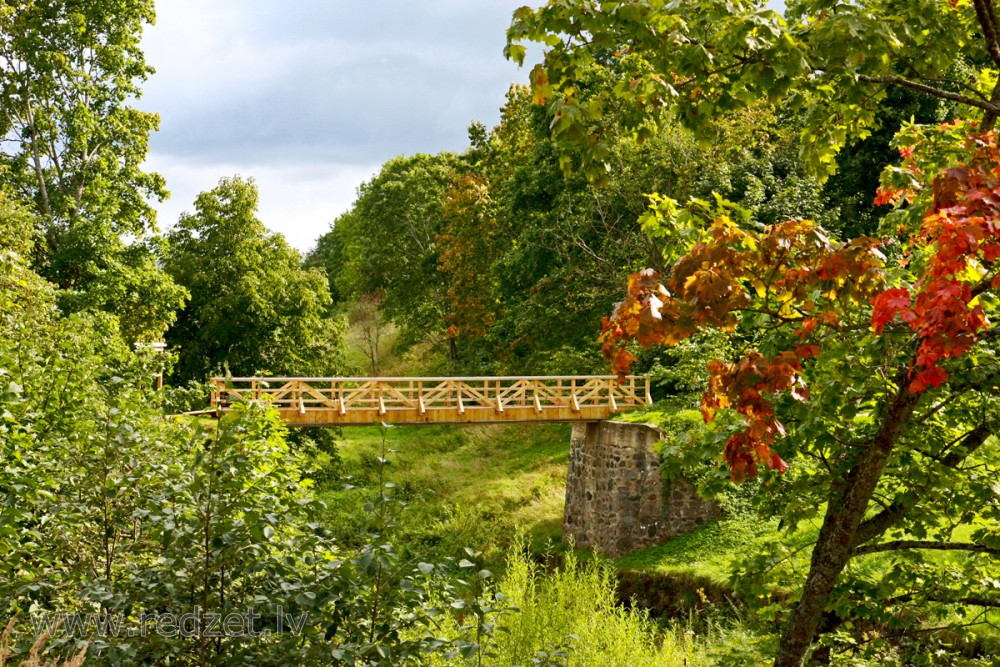
Kuldīga City Garden is located in the oldest part of the town, on the site of the former Livonian Order and later Duke Jacob’s castle. Some remains of the castle have survived, while the present garden includes walking paths, viewpoints, small bridges and a restored pond with a fountain.
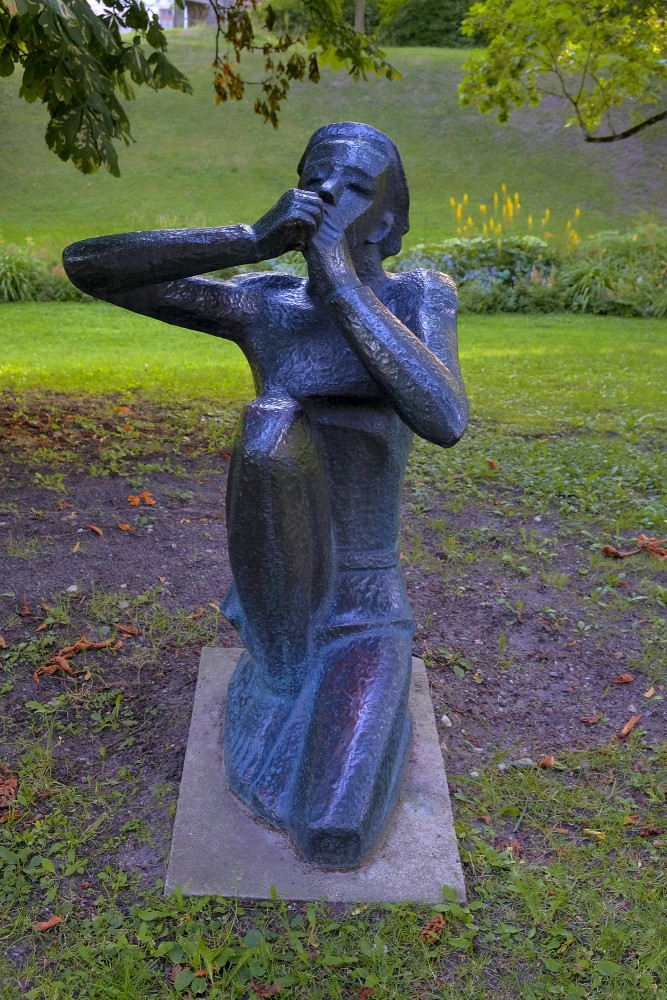
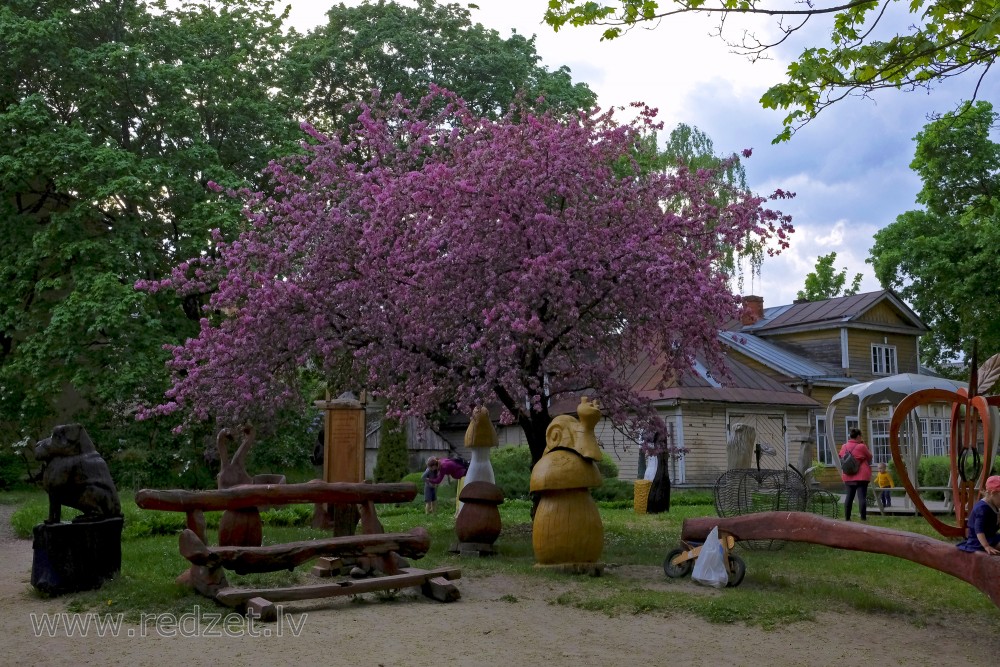
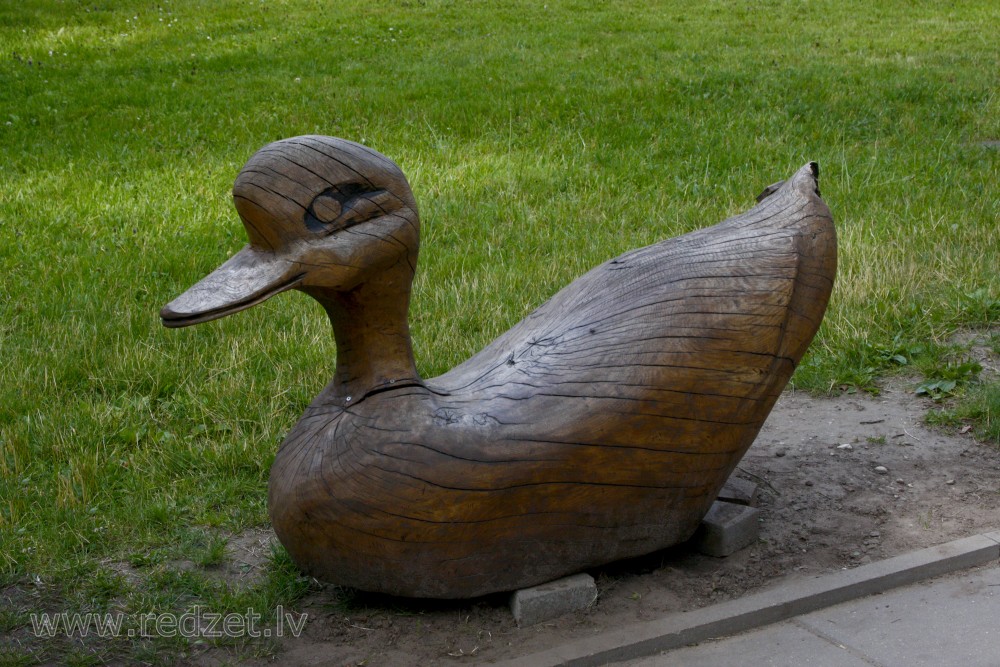
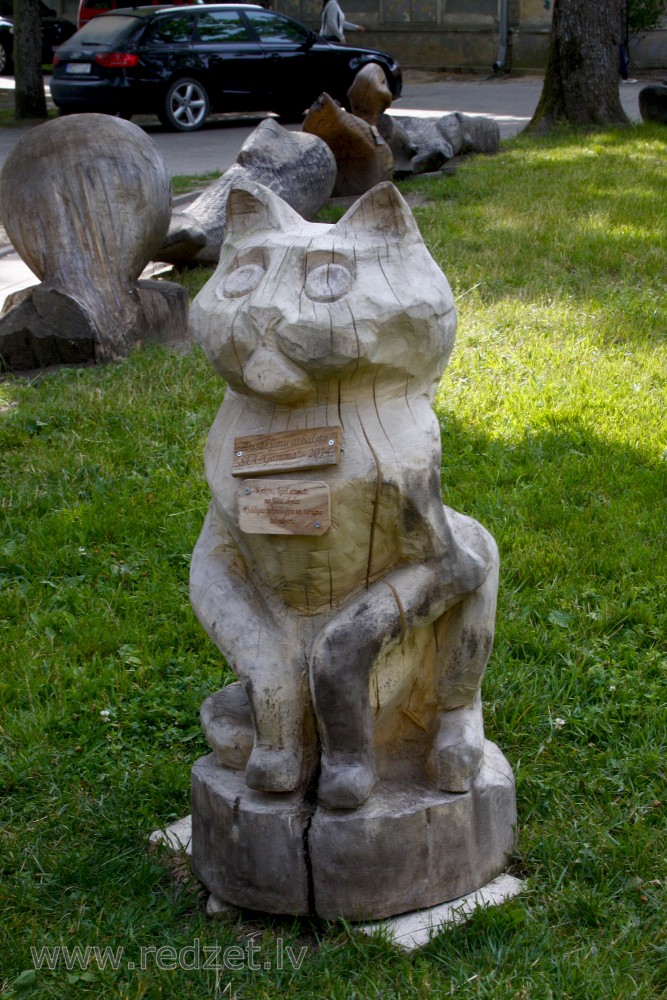
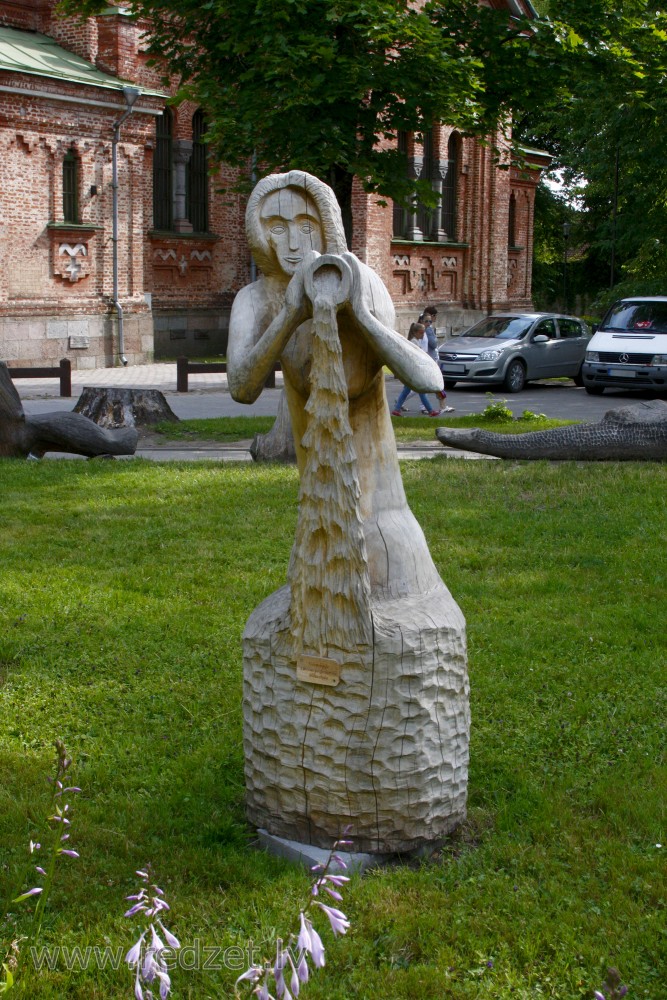
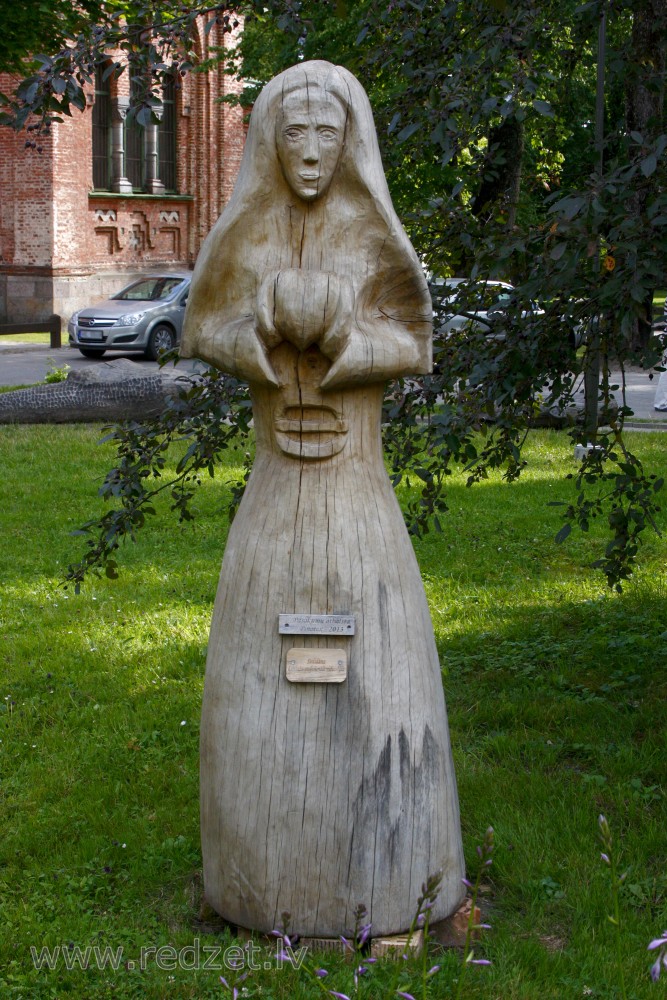
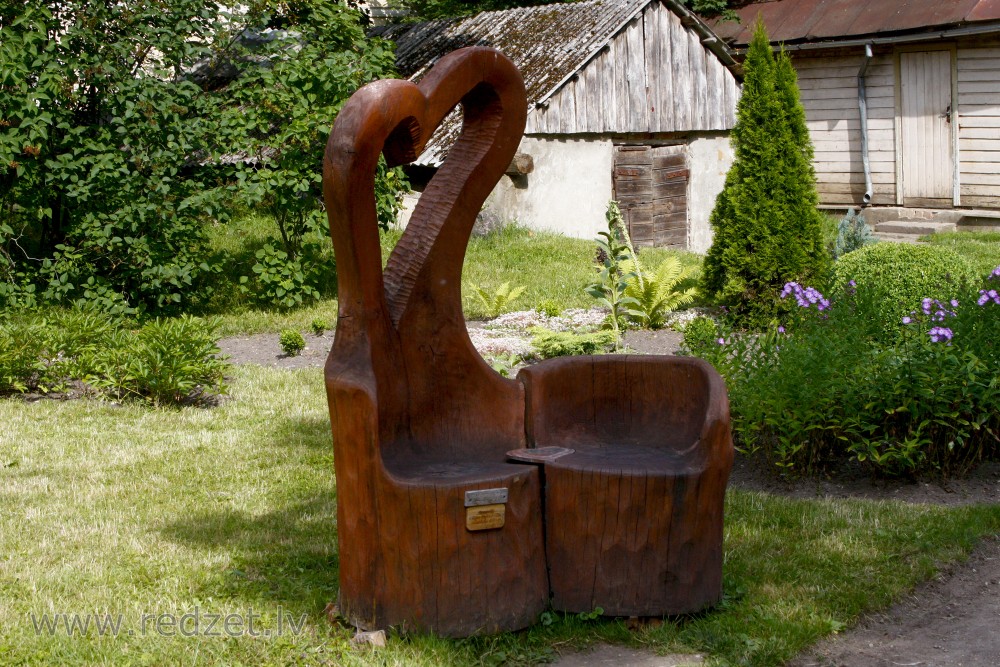
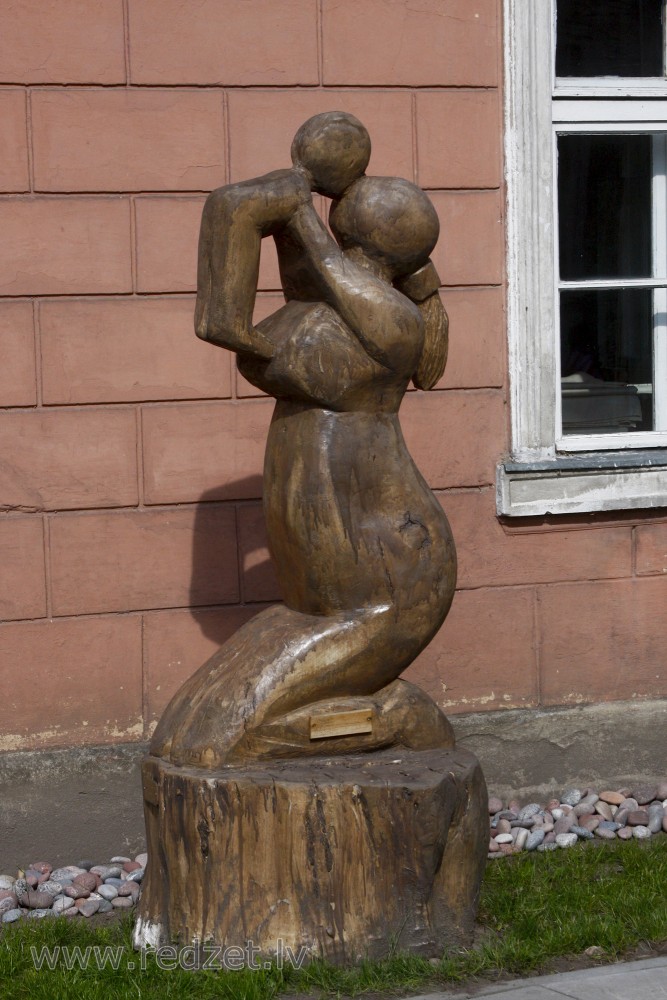
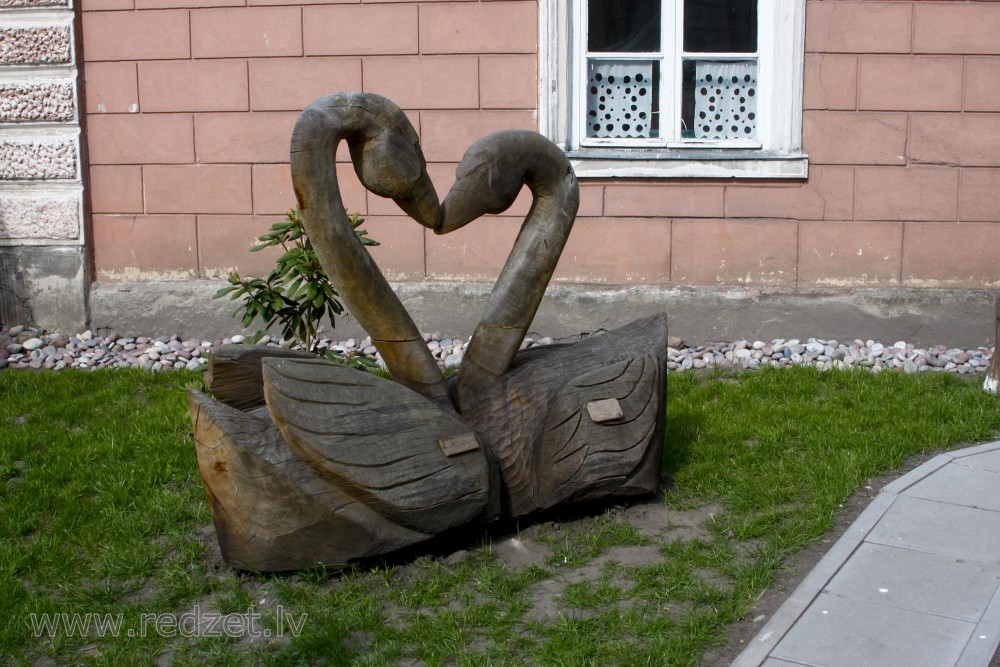
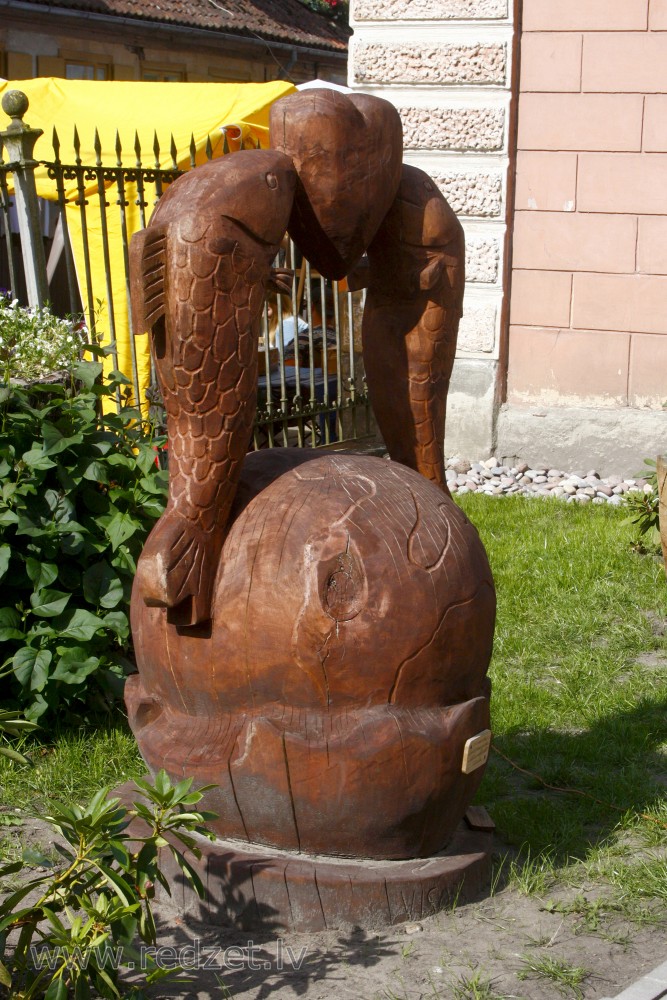
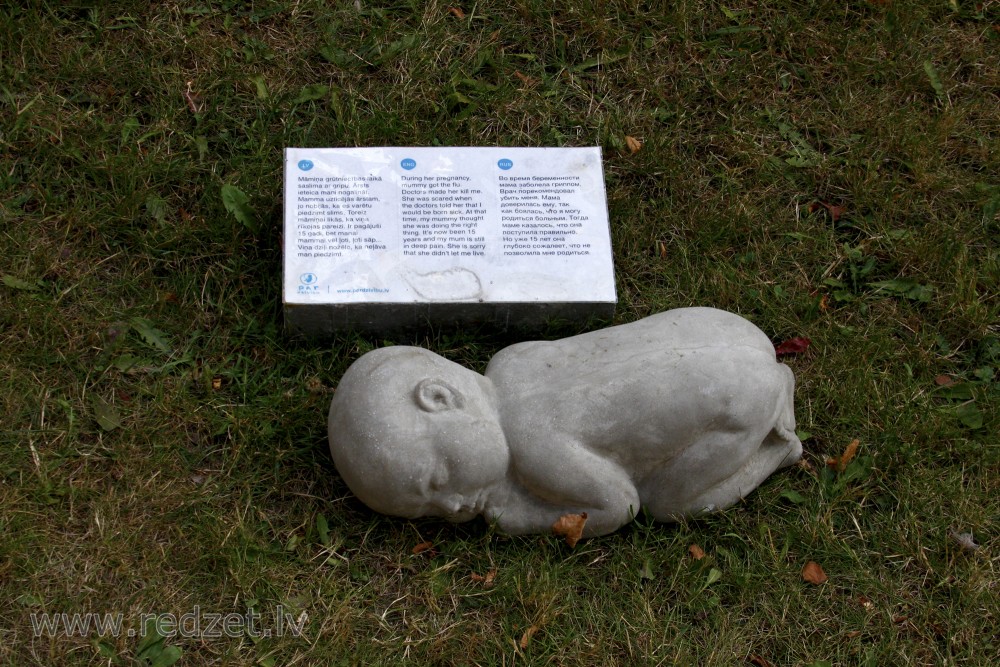
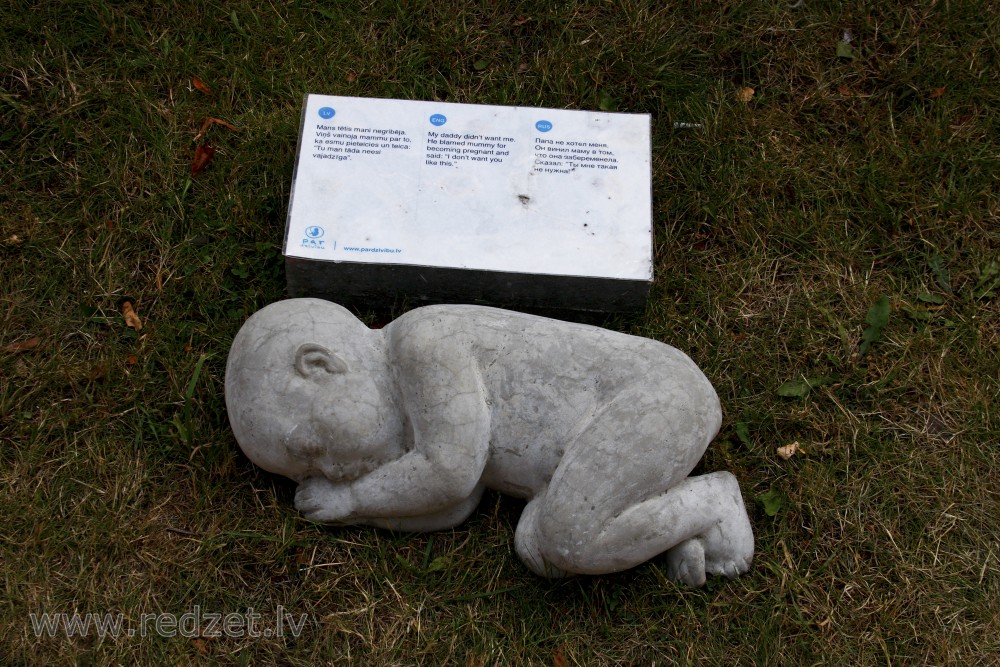
One of the garden’s main attractions is its collection of 22 sculptures by Latvian sculptor Līvija Rezevska. Together they create an open-air sculpture setting closely associated with Kuldīga.
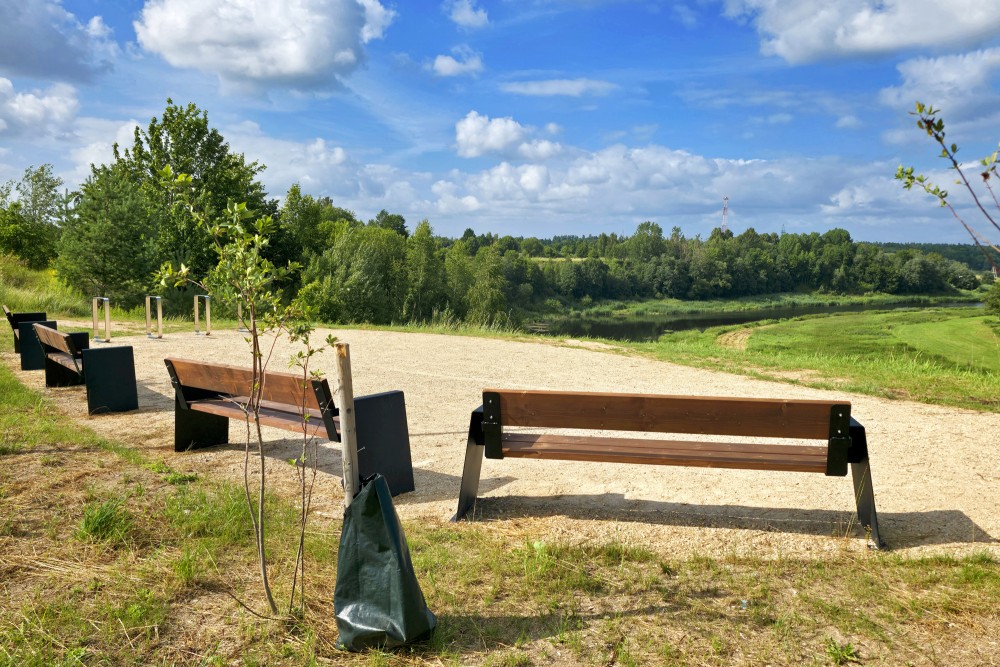
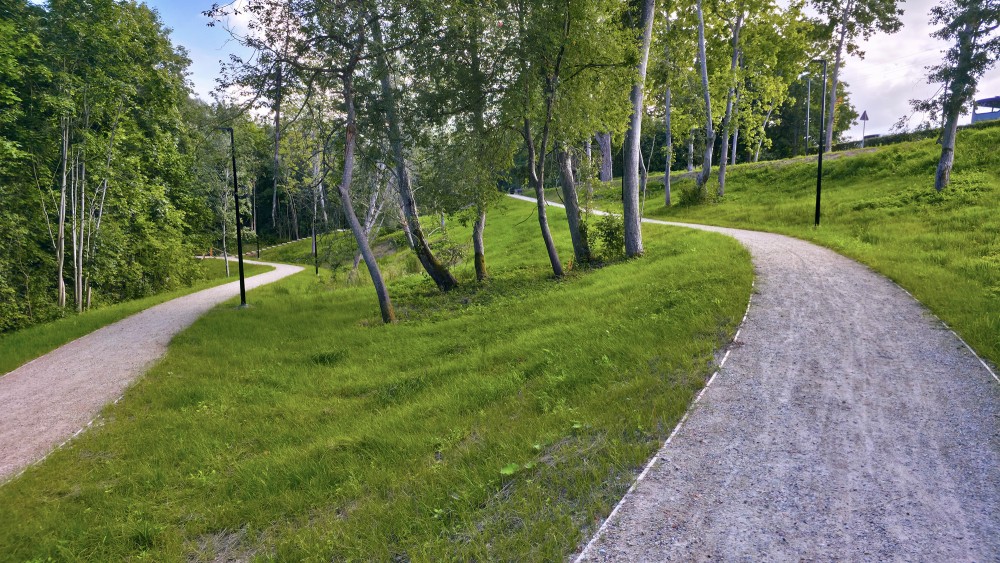
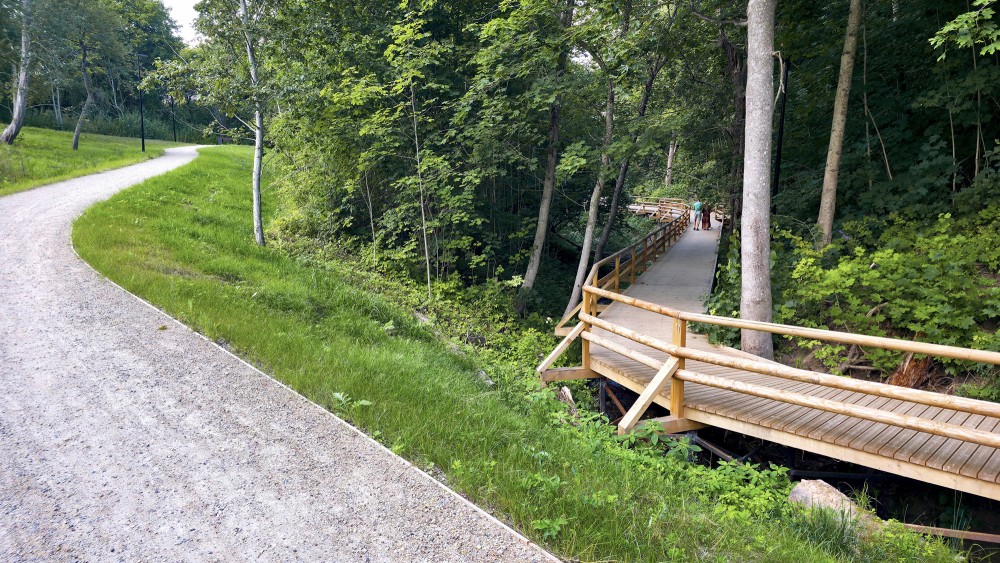
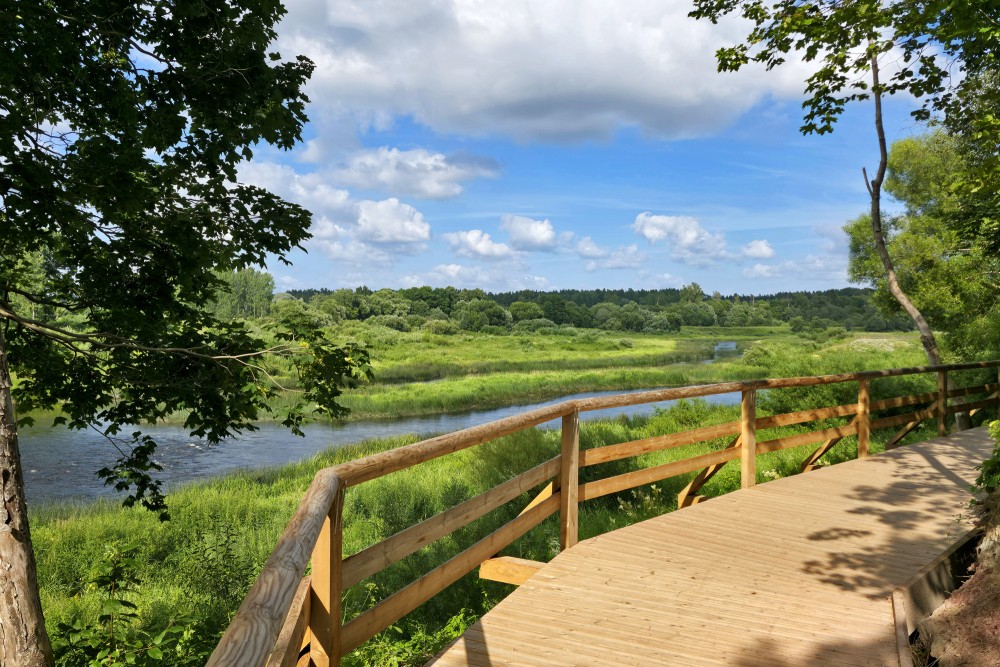
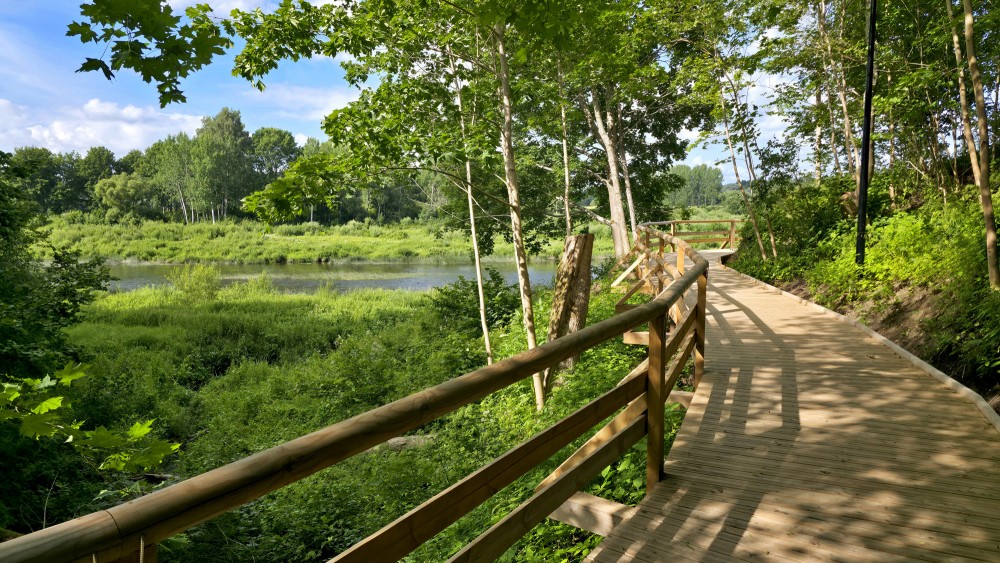
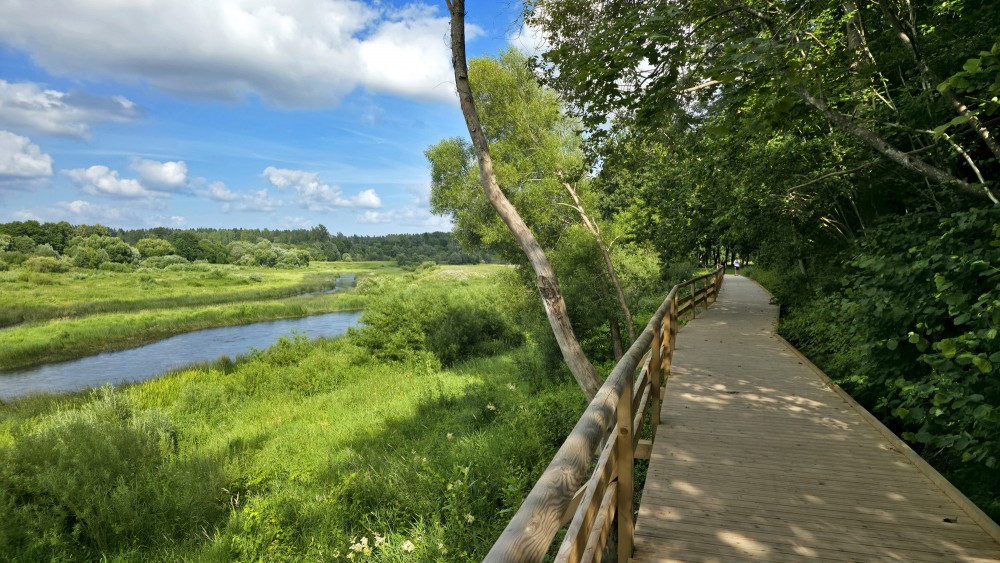
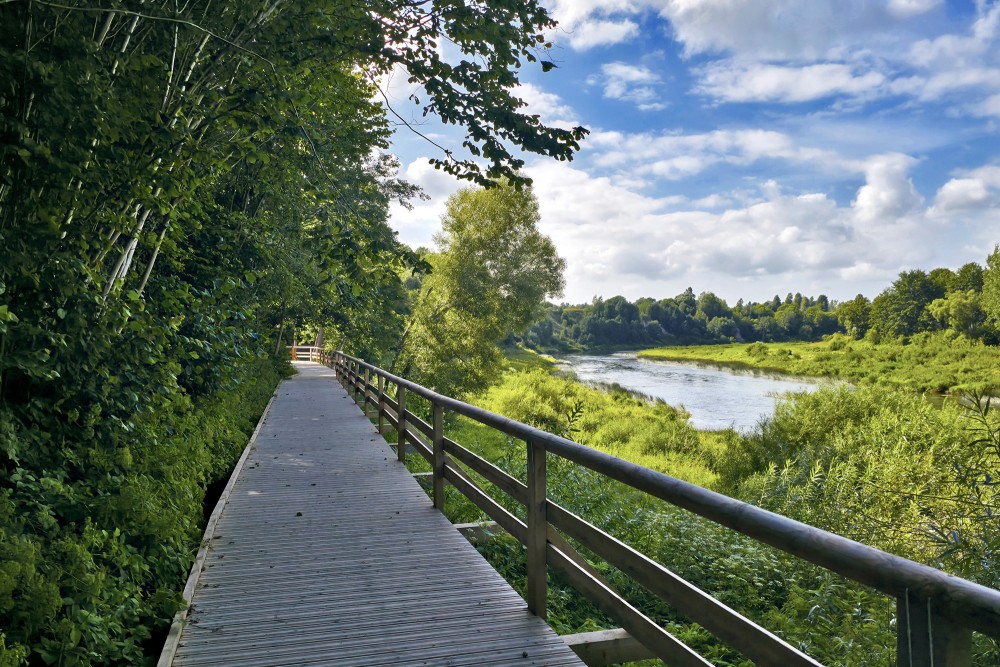
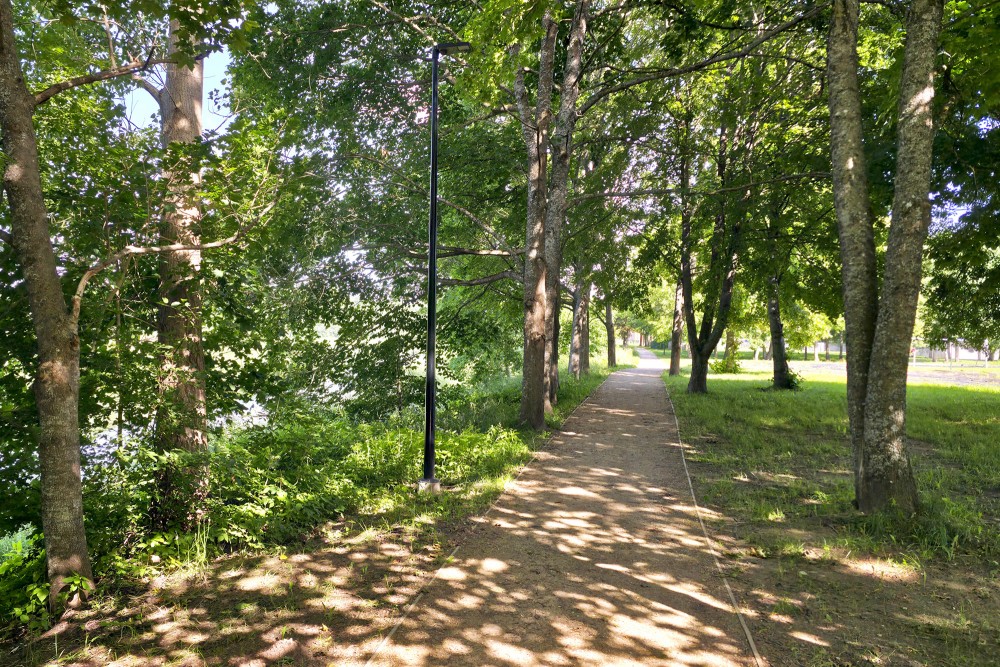
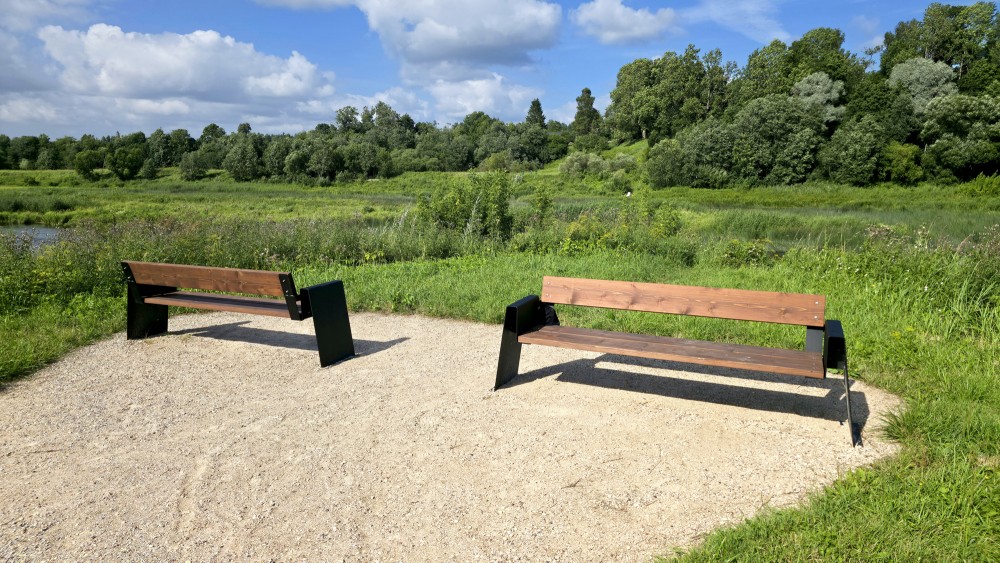
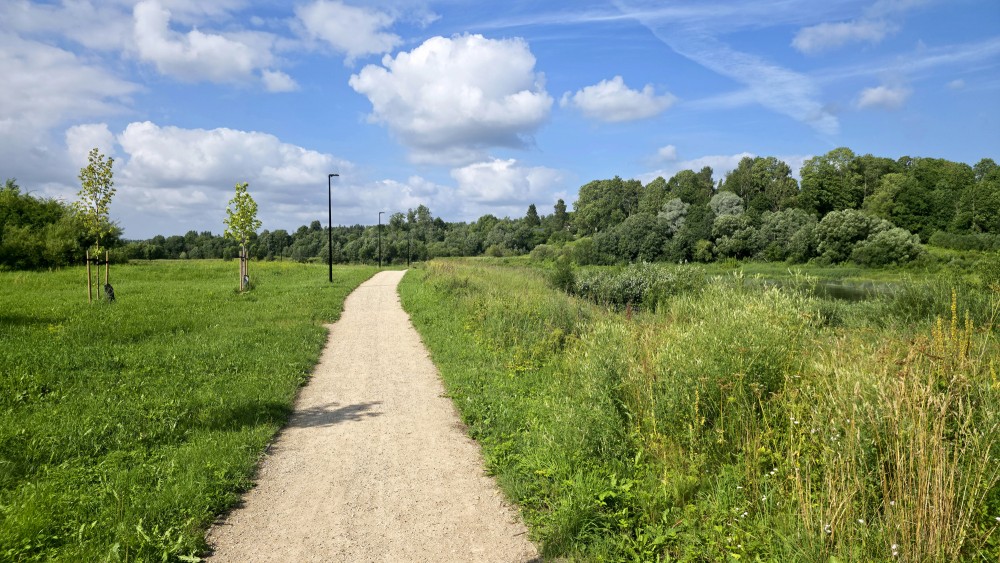
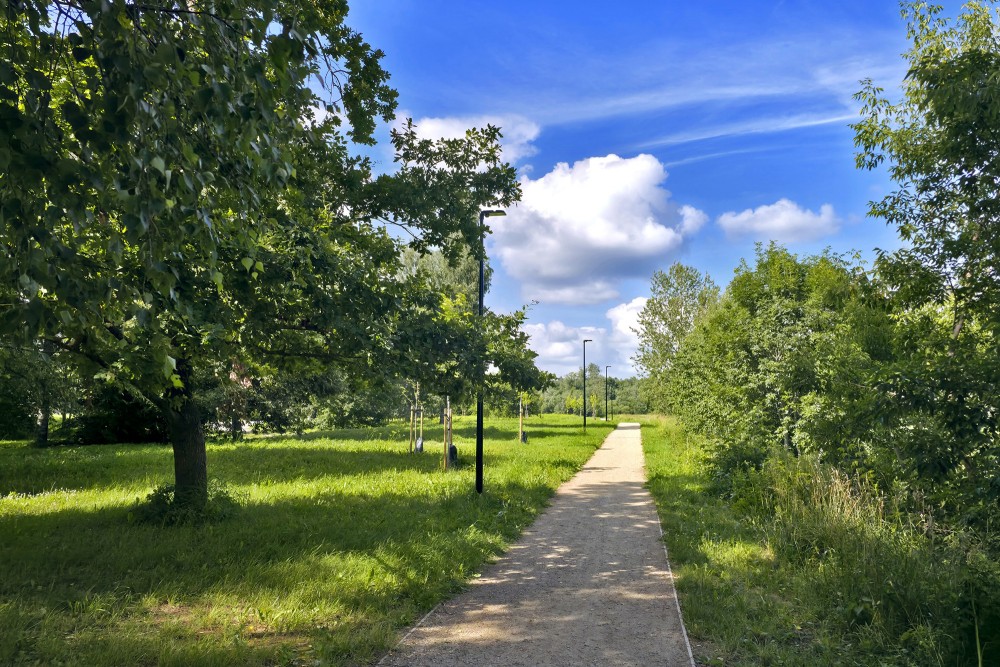
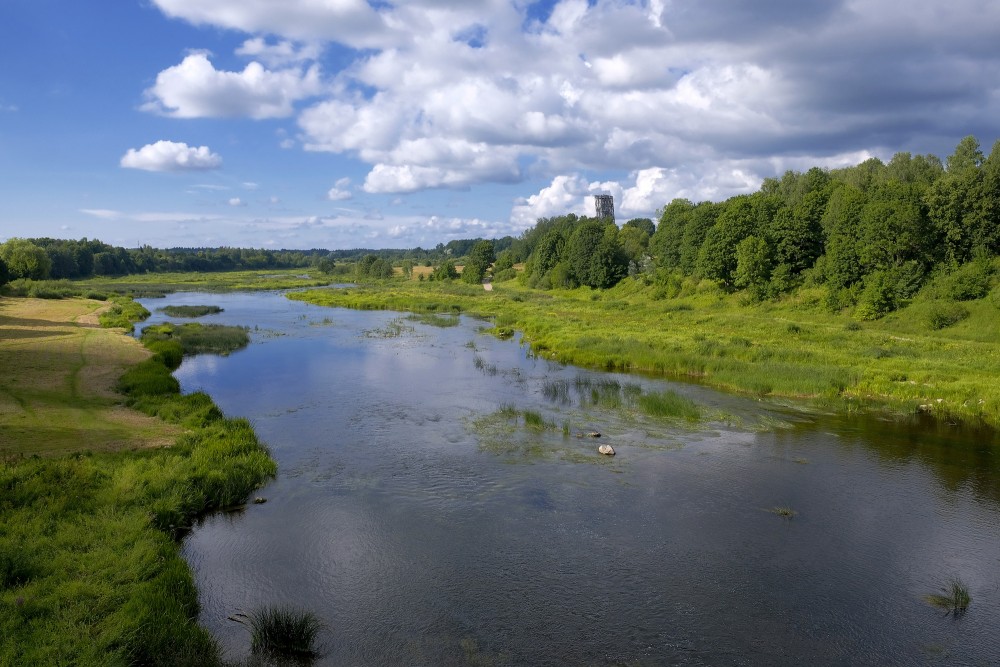
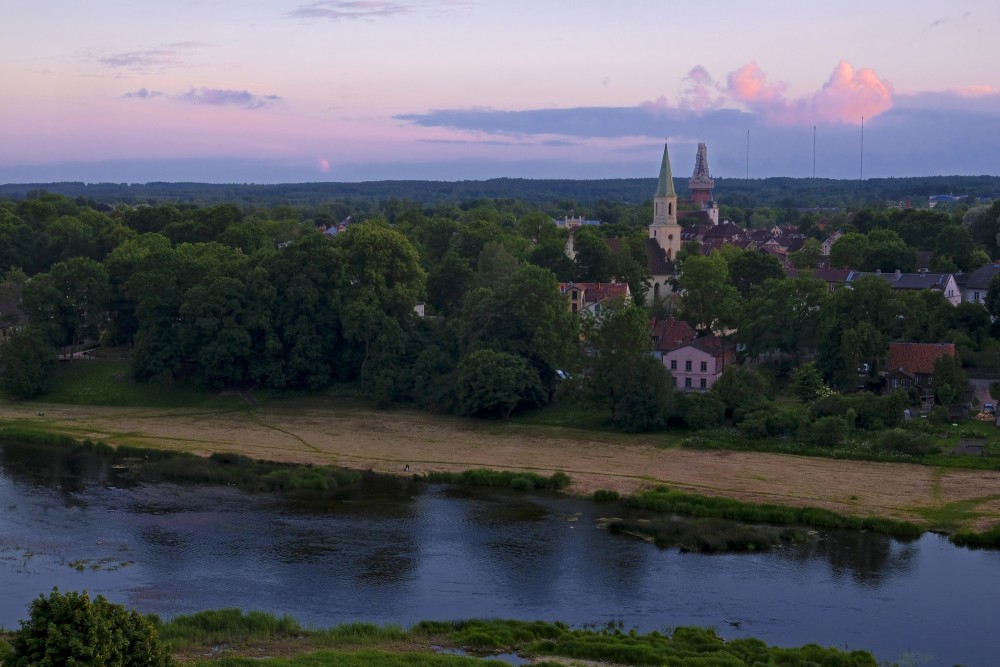
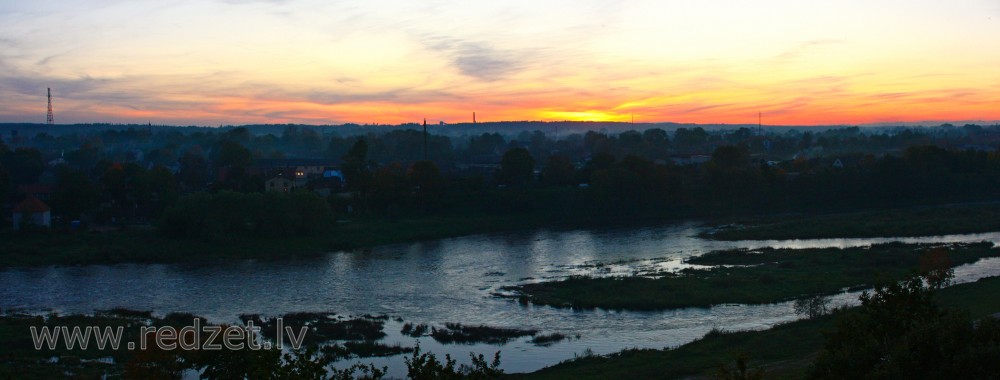
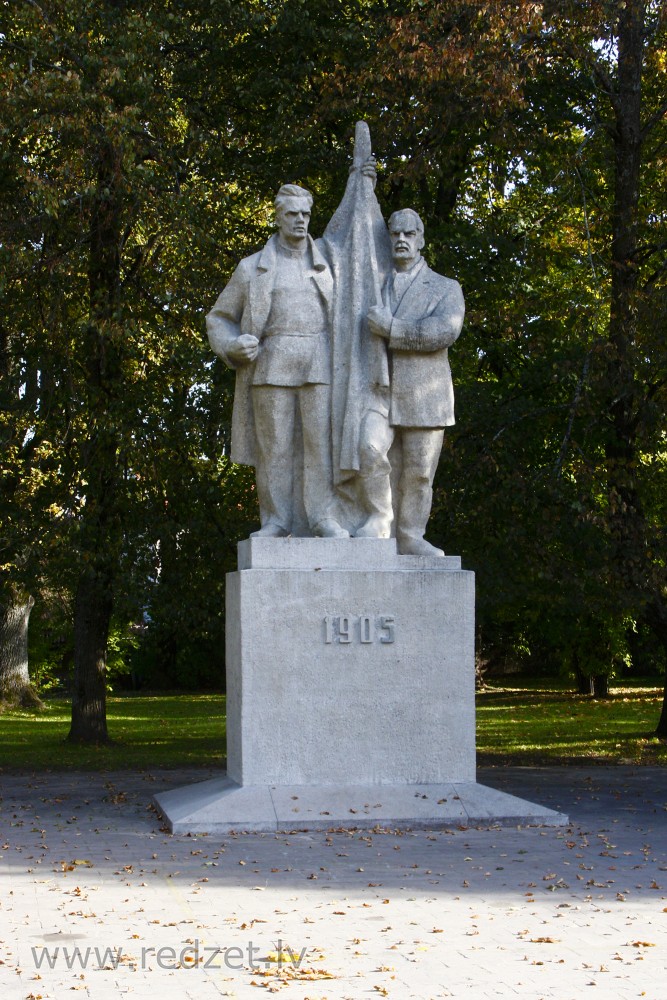
The banks of the Venta are also suitable for walking, with views of the waterfall, historic brick bridge and Old Town. Kuldīga also has the 1905 Park and other green areas.
Museums and culture
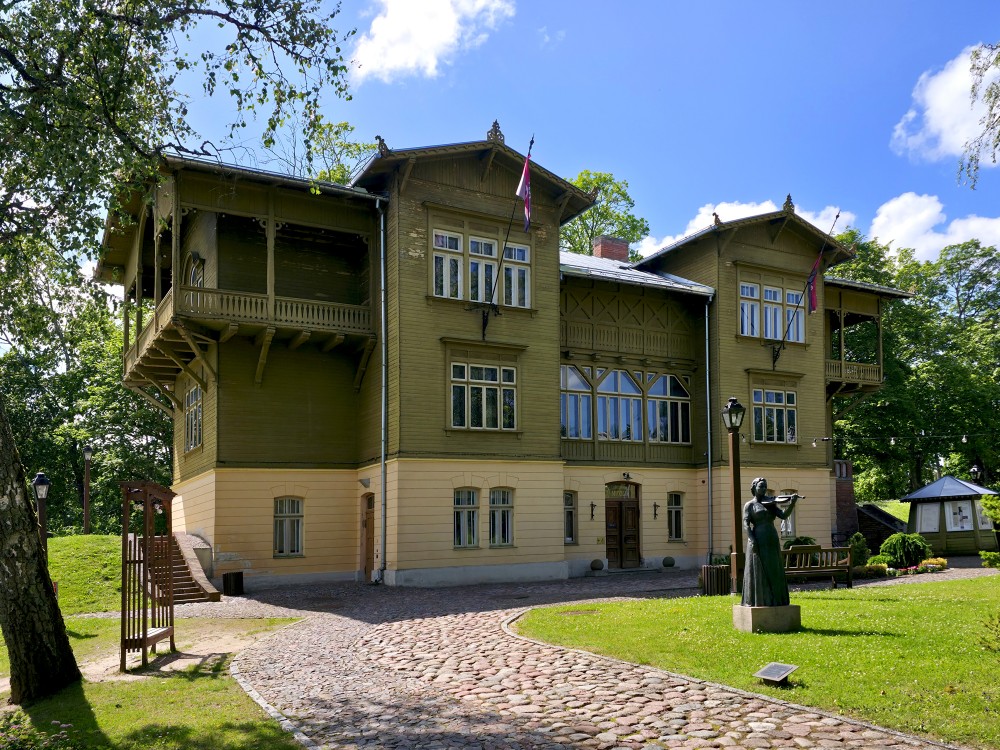
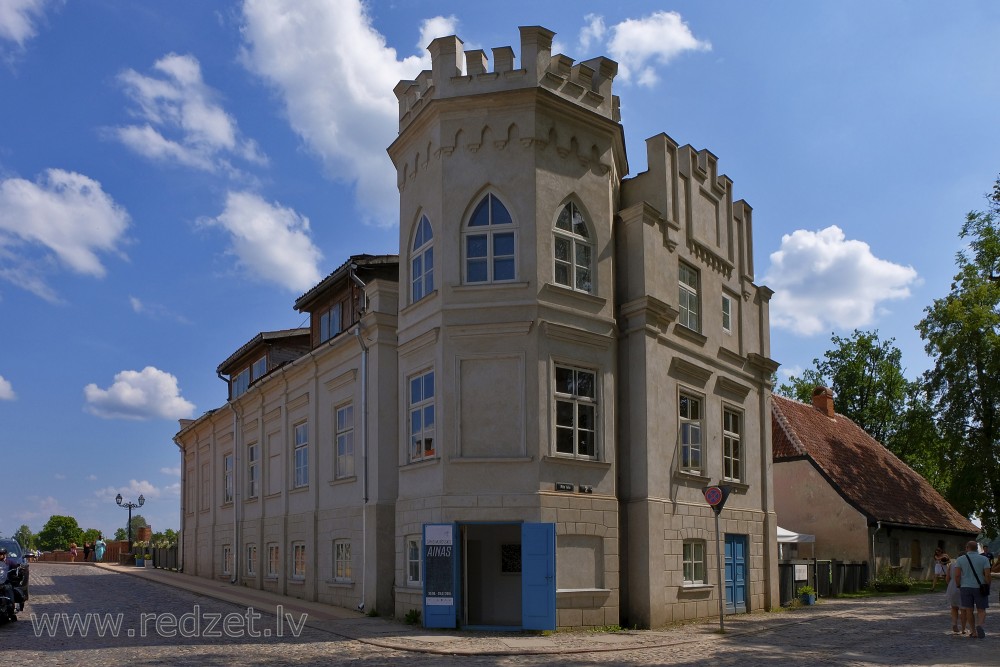
The Kuldīga District Museum is housed in the historic Bangert Villa on Pils Street. Its location offers views of Venta Rapid, the brick bridge and the City Garden. Exhibitions introduce visitors to the history of Kuldīga and the life of its residents, including an interior representing the home of a wealthy Kuldīga resident in the early 20th century.
The museum’s Open Collection Exhibition on Dzirnavu Street presents more than 2,800 original objects connected with the history of Kuldīga and Courland, from the Stone Age to the present day.
The Līvija Rezevska Exhibition Hall presents works by the sculptor, whose artistic legacy is closely connected with Kuldīga. Numerous monuments and sculptures by Rezevska can be found throughout the town.
The Living Museum “The Story of Old Kuldīga” offers a more interactive introduction to the town’s past, using holograms, sound effects and other multimedia elements to present different periods of Kuldīga’s history.
Monuments, sculptures and public art
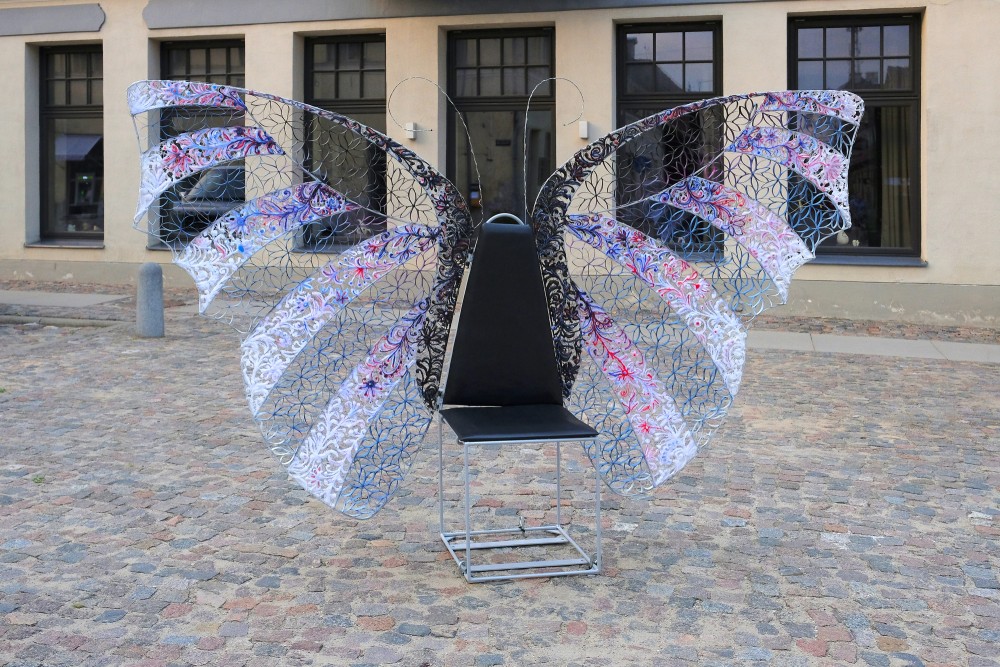
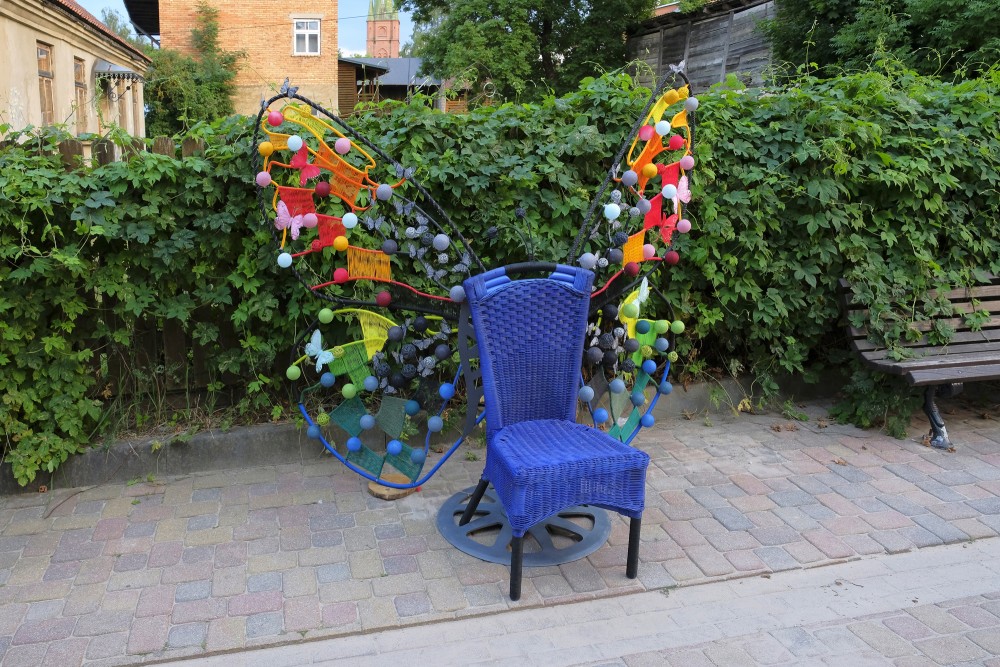
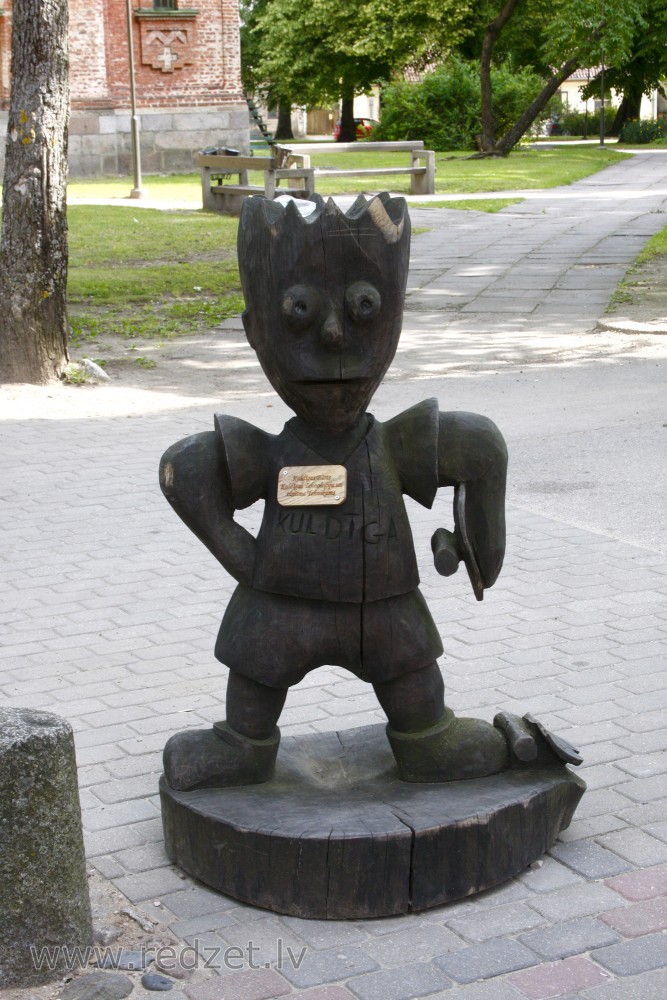
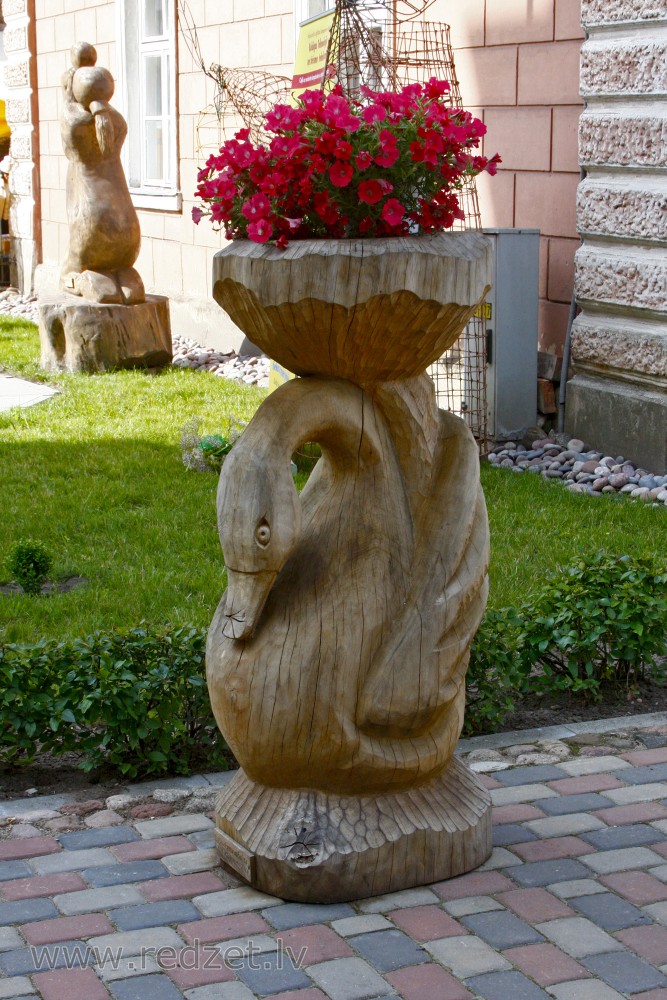
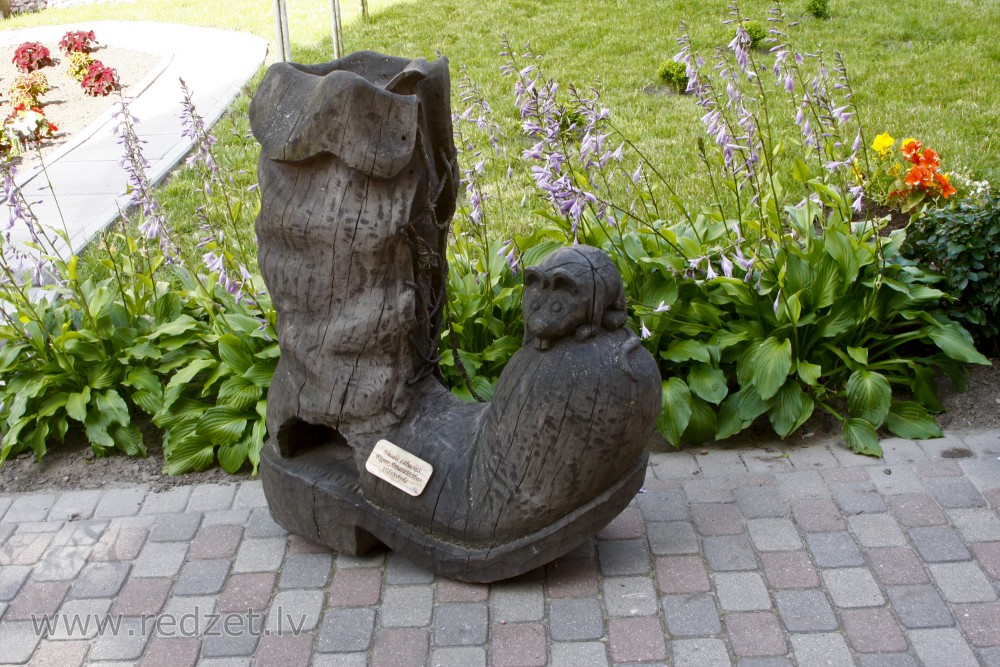
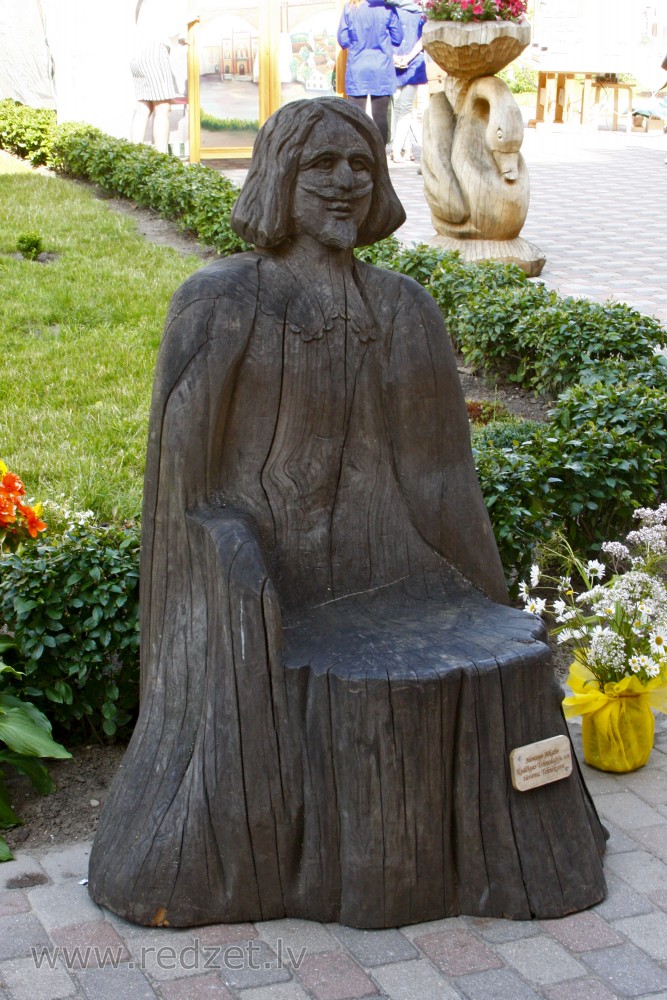
Kuldīga has a variety of monuments and sculptures connected with the town’s cultural and historical heritage. These include the monument to actor Ēvalds Valters, the sculpture “Girl with a Water Vessel” and other works by Līvija Rezevska.
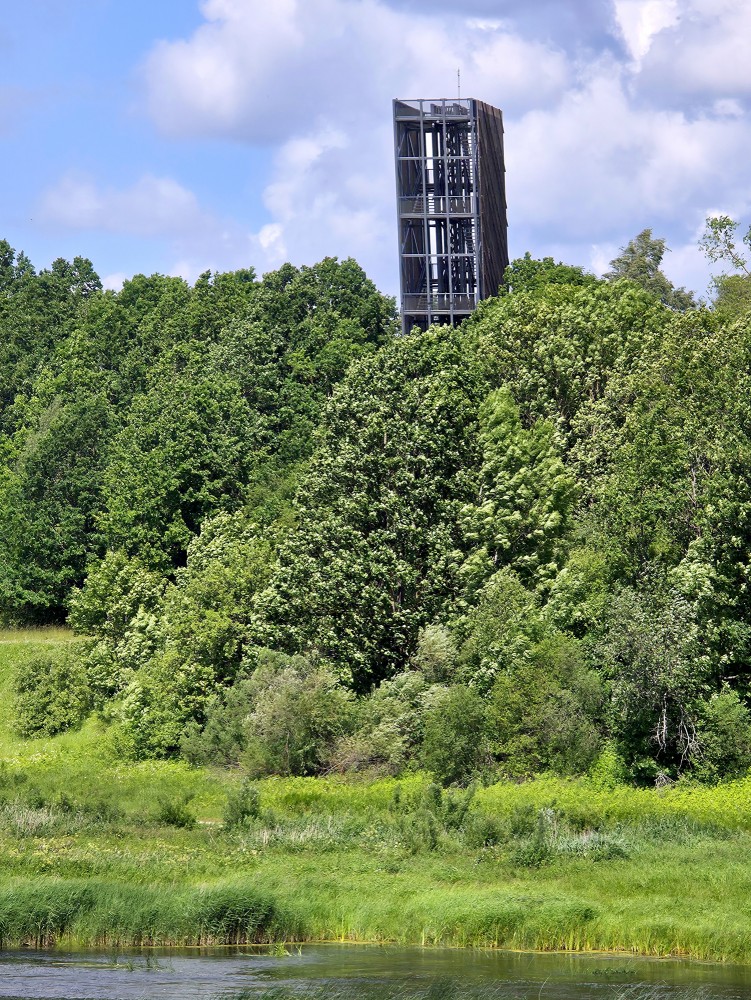
The Kuldīga Observation Tower is located in Pārventa Park on the banks of the Venta River, within the Venta Valley nature reserve. The 25-metre-high tower has several viewing platforms offering views of Kuldīga Old Town, the Venta Valley, Venta Rapid and the historic brick bridge.
The tower is a modern landscape architecture feature that provides a different perspective on Kuldīga’s historic townscape and surrounding natural landscape. It is connected to the Pārventa walking trail and makes a convenient stop when exploring the area along the Venta River. Admission is free and the tower is open around the clock.
Family activities
Kuldīga is also suitable for families with children. Estrāde Park has several playgrounds for different age groups, as well as a skatepark and parkour area for older children and teenagers.
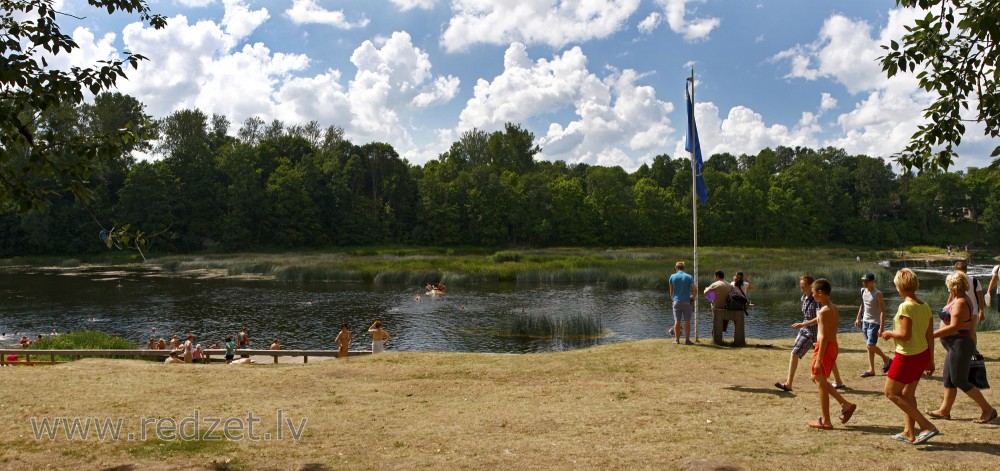
The town centre and the banks of the Venta are well suited to relaxed family walks. Families can also explore Kuldīga on the sightseeing train “Ludis”.
Interesting facts
- Kuldīga’s origins date back to the 13th century.
- The historic centre of Kuldīga was inscribed on the UNESCO World Heritage List in 2023.
- Kuldīga was historically known by its German name, Goldingen.
- The Venta and Alekšupīte rivers have played an important role in shaping the town’s development and landscape.
- Venta Rapid is approximately 249 metres wide and is recognised as the widest natural waterfall in Europe.
- Kuldīga City Garden contains 22 sculptures by Līvija Rezevska.
- The Old Town has retained much of its historic street layout and numerous examples of traditional wooden and masonry architecture.
Kuldīga is best explored on foot, at an unhurried pace — starting with the Old Town and Liepājas Street Promenade, continuing along the Alekšupīte to the City Garden and finally reaching Venta Rapid. Here, historic urban space, architecture and nature come together unusually closely.